Versatilidad excepcional en diversos materiales y niveles de complejidad de diseño
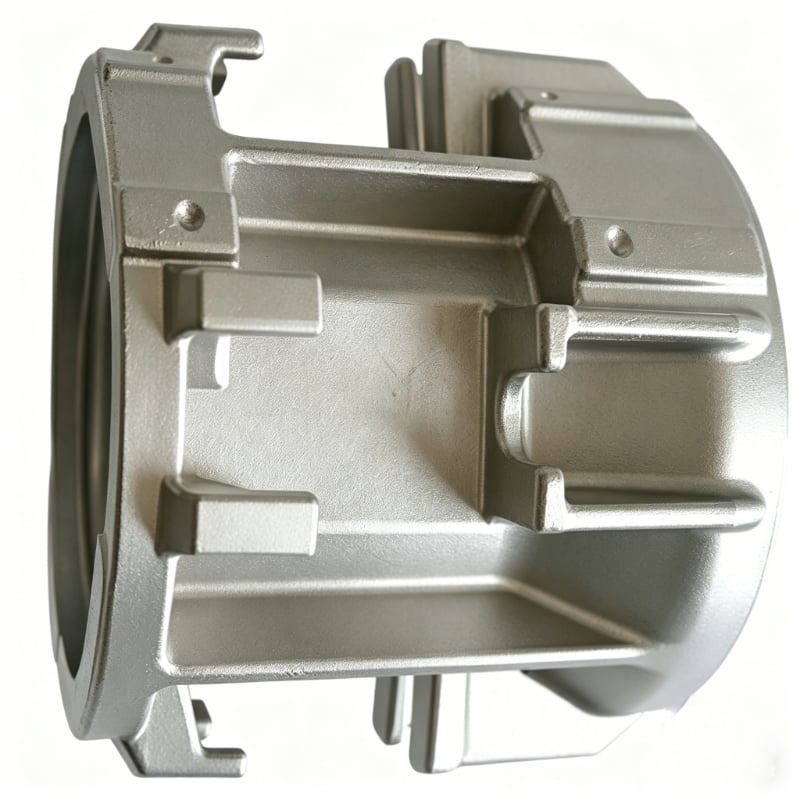
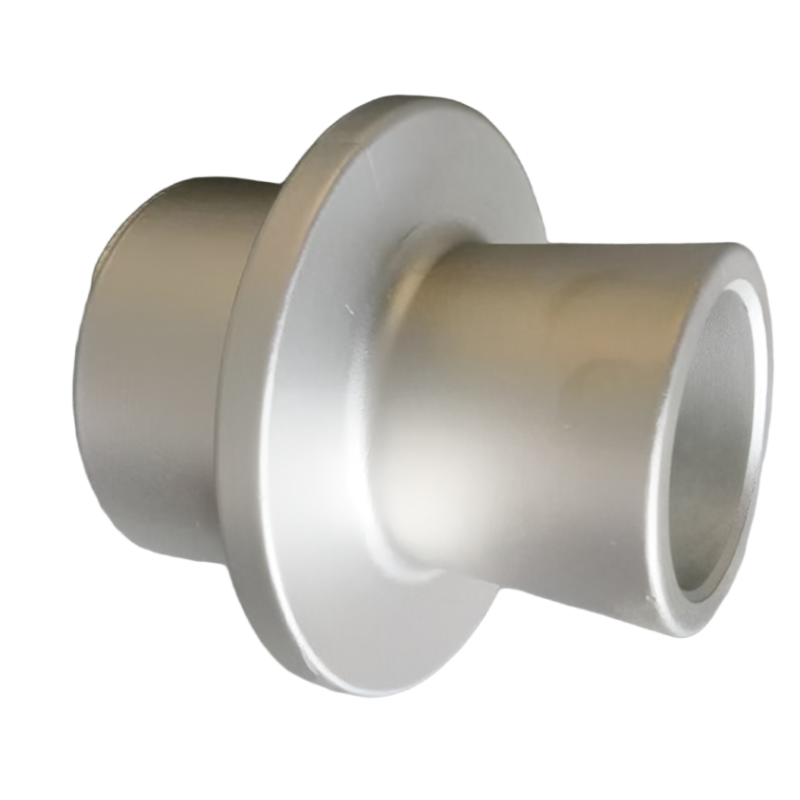
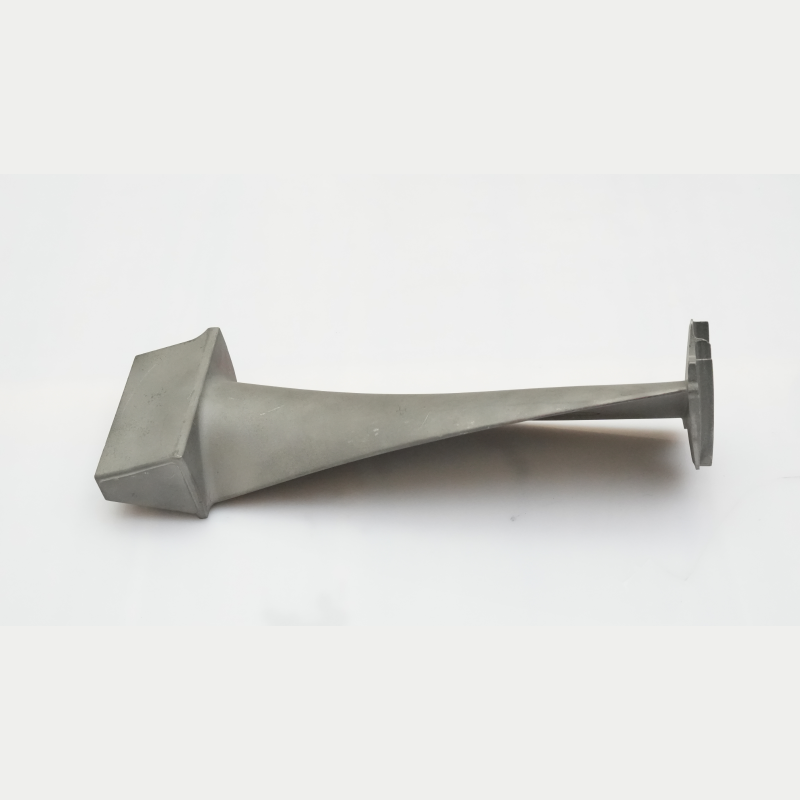
La notable versatilidad del mecanizado CNC para piezas automotrices resuelve diversos desafíos de fabricación que plantean las aplicaciones automotrices. Esta adaptabilidad abarca tanto los materiales procesados como la complejidad geométrica alcanzable, lo que lo convierte en una solución indispensable para la producción moderna de vehículos. En cuanto a los materiales, los sistemas CNC procesan desde aleaciones de aluminio blandas, utilizadas en bloques de motor, hasta aleaciones exóticas de titanio empleadas en sistemas de escape de alto rendimiento. Aceros para herramientas endurecidos para engranajes de transmisión, latón para accesorios eléctricos, distintos grados de acero inoxidable para componentes de escape y plásticos técnicos para revestimientos interiores se mecanizan con éxito mediante la selección adecuada de herramientas y ajustes de parámetros. Esta flexibilidad respecto a los materiales es fundamental, ya que un diseño automotriz óptimo requiere seleccionar el material idóneo para cada aplicación, basándose en criterios como resistencia, peso, resistencia a la corrosión, propiedades térmicas y consideraciones de coste. El mecanizado CNC para piezas automotrices satisface estos requisitos variados sin necesidad de equipos o procesos de fabricación completamente diferentes. La versatilidad geométrica resulta igualmente impresionante. Se producen rutinariamente formas tridimensionales complejas con curvas compuestas, cavidades profundas, paredes delgadas y pasajes internos intrincados. Características imposibles de lograr únicamente mediante fundición o forja se vuelven factibles gracias al mecanizado CNC para piezas automotrices. Considérense, por ejemplo, las carcasas de turbocompresores con pasajes internos contorneados con precisión para optimizar el flujo de aire, o las culatas con canales de refrigeración intrincados que gestionan eficazmente las cargas térmicas. Estos componentes exigen capacidades que solo puede ofrecer un mecanizado CNC avanzado. La importancia de esta versatilidad se extiende también a la personalización y a aplicaciones especializadas. Los equipos de competición requieren componentes únicos adaptados a necesidades específicas de la competición. Los proyectos de restauración necesitan piezas de repuesto para vehículos que ya no están en producción. Los constructores de vehículos personalizados buscan piezas únicas que reflejen visiones de diseño individuales. El mecanizado CNC para piezas automotrices atiende todas estas necesidades de forma económica, ya que los cambios en la programación sustituyen las costosas inversiones en utillajes. El valor aportado a los clientes incluye capacidades de resolución de problemas que superan las limitaciones de diseño. Los ingenieros pueden especificar soluciones óptimas sin restringir artificialmente los diseños a lo que la fabricación convencional permite producir. A veces, conjuntos complejos se integran en un único componente mecanizado, reduciendo el número de piezas, eliminando sujetadores y mejorando la fiabilidad. Los fabricantes obtienen flexibilidad para responder rápidamente a las demandas del mercado, introduciendo nuevos productos o variantes sin largos períodos de preparación. Asimismo, la versatilidad del mecanizado CNC para piezas automotrices apoya iniciativas de mejora continua. Las modificaciones de diseño se implementan con rapidez, permitiendo refinamientos iterativos basados en los resultados de pruebas o en comentarios de los clientes. Esta adaptabilidad resulta crucial en los competitivos mercados automotrices, donde la innovación impulsa el éxito y las preferencias de los clientes evolucionan constantemente. En última instancia, esta versatilidad transforma la fabricación de una limitación en un facilitador de un mejor diseño y rendimiento automotrices.

 EN
EN