Custom Machined Investment Casting Parts - Precision Components for Demanding Applications

Get a Free Quote

Our representative will contact you soon.
Email
Name
Company Name
Message
0/1000

custom machined investment casting parts

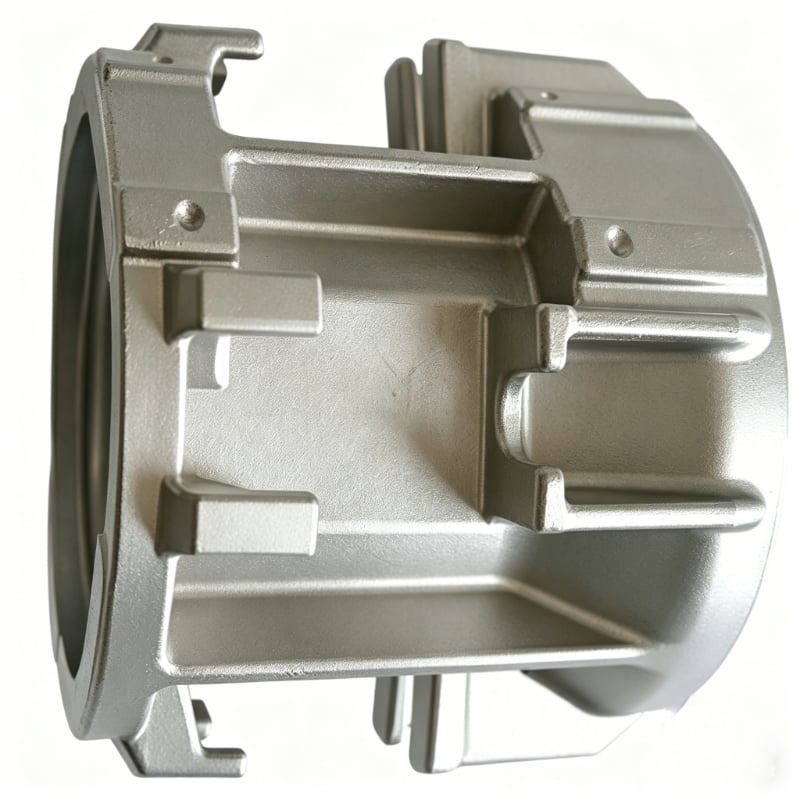
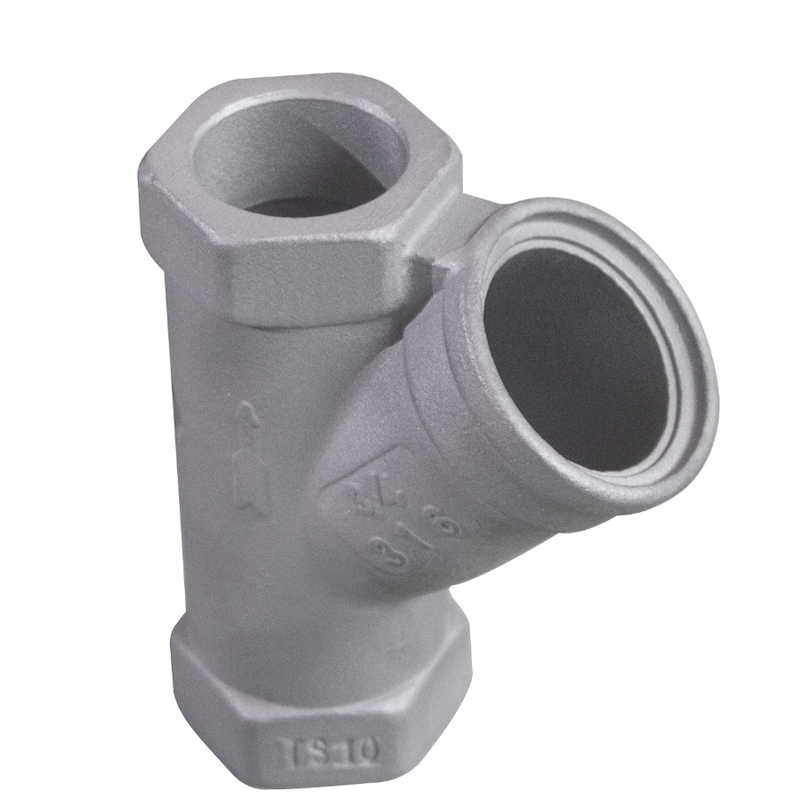
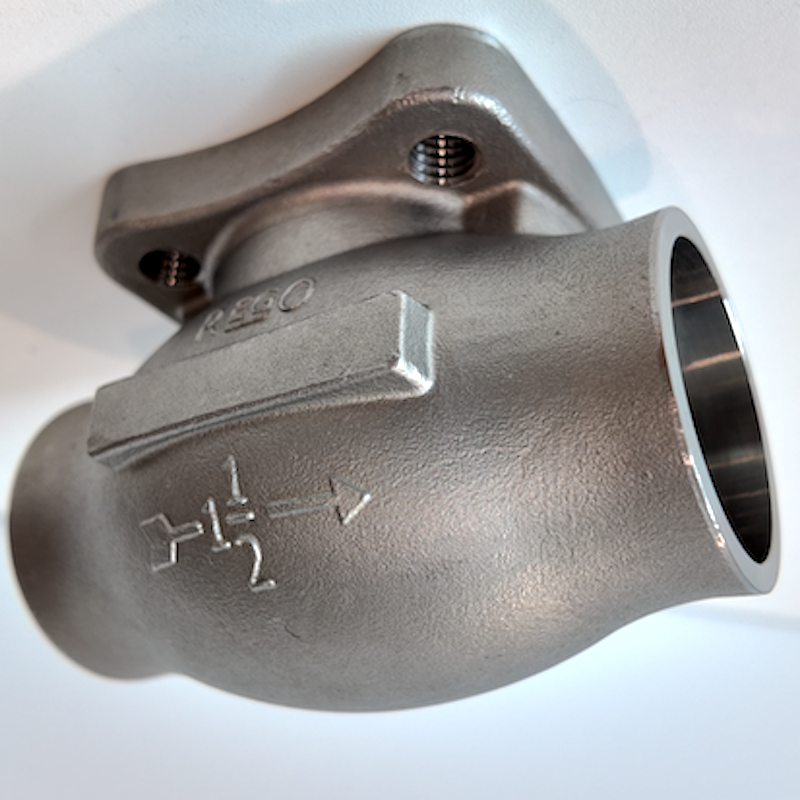
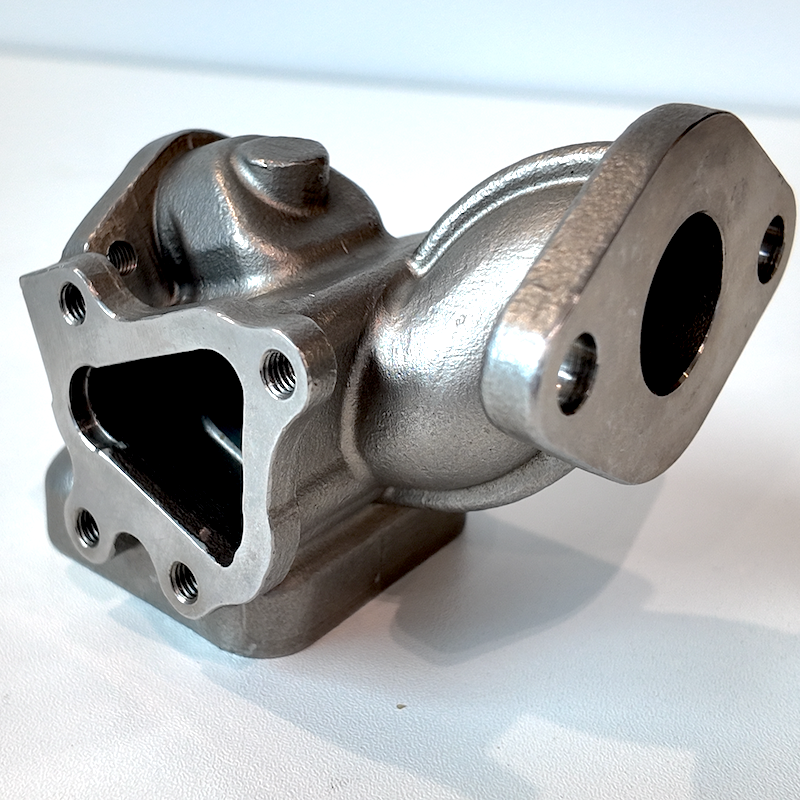
Custom machined investment casting parts represent a sophisticated manufacturing solution that combines the precision of investment casting with advanced machining operations to deliver components meeting the most demanding specifications. This hybrid production method begins with the investment casting process, where molten metal is poured into ceramic molds created from wax patterns, allowing for intricate geometries and complex internal features that would be difficult or impossible to achieve through conventional manufacturing. Following the casting phase, precision machining operations refine critical surfaces, establish tight tolerances, and add features that require exceptional accuracy. The main functions of custom machined investment casting parts include providing structural integrity in load-bearing applications, enabling smooth mechanical movement through precisely machined surfaces, facilitating proper assembly through accurate dimensional control, and ensuring reliable performance in demanding operational environments. Technological features distinguish these components from standard castings or machined parts alone. The investment casting foundation provides near-net-shape geometry, reducing material waste and machining time while enabling complex shapes with undercuts, thin walls, and intricate details. Subsequent machining operations achieve surface finishes down to micro-inch levels, maintain positional tolerances within thousandths of an inch, and create threaded holes, precise bores, and flat mounting surfaces. This combination allows manufacturers to optimize both the internal structure through casting and external precision through machining. Applications for custom machined investment casting parts span numerous industries where performance cannot be compromised. Aerospace manufacturers utilize these components in turbine engines, landing gear assemblies, and structural fittings where weight reduction and strength are paramount. Medical device producers rely on them for surgical instruments and implantable components requiring biocompatibility and precision. Industrial equipment manufacturers incorporate these parts into pumps, valves, and machinery where durability and exact specifications ensure operational reliability. The automotive sector employs them in transmission components, suspension parts, and engine elements demanding both complexity and accuracy.

Popular Products

Custom machined investment casting parts deliver substantial practical benefits that directly impact your bottom line and product performance. You gain significant cost savings compared to manufacturing components entirely through machining from solid stock, as the investment casting process removes up to eighty percent of the material in near-net-shape form, dramatically reducing expensive machining time and cutting tool wear. This efficiency translates into lower per-part costs, especially for complex geometries that would require extensive multi-axis machining operations if started from bar stock or forgings. You receive parts with superior mechanical properties because the casting process allows for controlled grain structure and metallurgical characteristics that enhance strength, fatigue resistance, and performance under stress. The combination approach gives you design flexibility that neither process alone can match, enabling you to incorporate internal passages, complex external contours, and precisely machined critical interfaces within a single component. This consolidation reduces assembly requirements, eliminates potential failure points at joints, and simplifies your supply chain management. You benefit from exceptional material versatility, as investment casting accommodates a wide range of alloys including stainless steels, tool steels, aluminum alloys, titanium alloys, cobalt-chromium alloys, and specialty materials tailored to specific environmental demands such as high temperatures, corrosive atmospheres, or extreme pressures. The process ensures consistent quality across production runs because ceramic molds capture fine details faithfully and CNC machining operations maintain programmed precision regardless of batch size. You can confidently scale from prototype quantities to full production volumes without redesigning parts or changing manufacturing methods. The smooth surface finish achievable through investment casting minimizes subsequent machining requirements, while strategic machining of only critical features optimizes manufacturing efficiency. You reduce time-to-market since tooling for investment casting develops faster than complex machining fixtures, and the combined process often requires fewer operations than alternative manufacturing routes. Quality assurance becomes more straightforward as dimensional inspection focuses on machined features while the casting provides structural integrity. You also gain environmental advantages through reduced material waste, lower energy consumption compared to extensive machining, and the ability to recycle excess casting material. These custom machined investment casting parts provide reliability that protects your reputation, as the proven processes minimize defects, ensure repeatability, and deliver components that perform consistently throughout their service life.

Tips And Tricks

The Role Of Elements In Castings And The Order Of Addition

11

May

The Role Of Elements In Castings And The Order Of Addition

View More
Stainless Steel Castings for Architectural Posts

11

May

Stainless Steel Castings for Architectural Posts

View More
Stainless Steel Castings for Building Facade Systems

11

May

Stainless Steel Castings for Building Facade Systems

View More
Precision Stainless Steel Exhaust Manifold Casting Solution For Luxury Sedan - With Japanese First-Tier Car Brand

11

May

Precision Stainless Steel Exhaust Manifold Casting Solution For Luxury Sedan - With Japanese First-Tier Car Brand

View More

Get a Free Quote

Our representative will contact you soon.
Email
Name
Company Name
Message
0/1000

custom machined investment casting parts

Exceptional Dimensional Accuracy Through Integrated Manufacturing

Exceptional Dimensional Accuracy Through Integrated Manufacturing

Custom machined investment casting parts achieve dimensional accuracy levels that satisfy the most stringent engineering requirements through the strategic integration of two complementary manufacturing technologies. The investment casting foundation establishes the overall component geometry with typical tolerances of plus or minus five thousandths of an inch for most features, creating a near-net-shape blank that already closely approximates the final part configuration. This casting precision results from the high-fidelity reproduction capability of ceramic shell molds, which capture intricate details from the wax pattern with remarkable faithfulness, including surface textures, radii, and complex three-dimensional contours. The ceramic material withstands the thermal shock of molten metal pouring while maintaining dimensional stability, ensuring that cast features replicate the pattern geometry consistently across production quantities. Following solidification and shell removal, strategic machining operations target specific features requiring tighter tolerances, such as bearing surfaces, sealing faces, threaded connections, and mounting interfaces. CNC machining centers equipped with precision spindles, rigid tooling, and advanced control systems refine these critical areas to tolerances of plus or minus one thousandth of an inch or tighter, with surface finishes reaching sixteen micro-inches or better when specifications demand. This selective machining approach concentrates manufacturing resources where precision matters most, avoiding unnecessary material removal from features where cast dimensions prove adequate. The combination delivers economic efficiency since you pay for precision machining only where essential rather than across the entire component. Quality control processes verify dimensions at both casting and post-machining stages, with coordinate measuring machines, optical comparators, and specialized gauges confirming that every feature meets blueprint specifications. The dimensional stability of custom machined investment casting parts remains consistent throughout their service life because the casting process produces uniform material density without the internal stresses sometimes introduced by extensive machining, while the machining operations create surfaces with favorable residual stress patterns that resist distortion. This dimensional reliability proves especially valuable in assemblies requiring precise fit-up, in applications where components must interface correctly with mating parts, and in situations where dimensional drift could compromise performance or safety.
Complex Geometries That Expand Design Possibilities

Complex Geometries That Expand Design Possibilities

Custom machined investment casting parts liberate product designers from the geometric constraints imposed by conventional manufacturing methods, enabling component configurations that optimize performance, reduce assembly complexity, and achieve functionality impossible through other production routes. The investment casting process excels at creating intricate three-dimensional shapes including internal cavities, variable wall thicknesses, undercut features, organic contours, and intersecting passages that would require multiple machined components, extensive welding, or complete redesign if manufactured through traditional methods. Designers can incorporate cooling channels within structural walls, create lightweight lattice structures that maintain strength while minimizing mass, and develop fluid flow passages that follow optimal paths rather than being constrained to straight drilled holes. This geometric freedom proves particularly valuable in applications where weight reduction enhances performance, such as aerospace components where every ounce impacts fuel efficiency, or in rotating machinery where lower mass reduces inertia and energy consumption. The ability to cast near-net-shape features eliminates many secondary operations, as bosses, ribs, mounting lugs, and positioning features emerge from the mold rather than requiring welding or mechanical attachment. You can consolidate multiple parts into single integrated components, reducing piece counts, eliminating fasteners, decreasing assembly time, and removing potential failure points where separate elements might disconnect. Complex external surfaces enhance aesthetic appeal for visible components while internal geometries optimize functional performance through proper material distribution and strategic reinforcement. Following the casting process, machining operations add features that benefit from the precision and surface quality that cutting tools provide, such as precision bores for bearings, flat datum surfaces for accurate mounting, threaded holes for assembly, and slots or keyways for mechanical connections. This combination allows designers to specify cast features where complexity and near-net-shape efficiency matter most, while designating machined features where tight tolerances, excellent surface finish, or specific geometric characteristics prove essential. The design flexibility extends to prototype development, where investment casting tooling can be produced relatively quickly compared to forging dies or complex machining fixtures, allowing you to test and refine component designs before committing to high-volume production. Engineers can optimize wall thicknesses for structural requirements while minimizing material usage, create flow passages that reduce turbulence or pressure drop, and develop components that fulfill multiple functions within a single piece rather than requiring assembly of several simpler parts.
Material Selection Versatility For Application-Specific Performance

Material Selection Versatility For Application-Specific Performance

Custom machined investment casting parts offer exceptional material versatility that allows engineers to select alloys precisely matched to application demands, environmental conditions, and performance requirements. The investment casting process successfully produces components from virtually any castable metal or alloy, providing access to material properties ranging from the corrosion resistance of stainless steels through the high-temperature capability of superalloys to the strength-to-weight advantages of titanium and aluminum alloys. You can specify austenitic stainless steels such as 304 or 316 for applications requiring corrosion resistance in chemical processing, marine environments, or food service equipment, where the material's passive oxide layer protects against degradation while maintaining structural integrity. Martensitic and precipitation-hardening stainless steels deliver higher strength levels for applications involving mechanical loads, wear resistance, or fatigue cycling, with heat treatment options that tailor properties to specific requirements. Tool steel castings provide exceptional hardness and wear resistance for components experiencing abrasive contact, impact loading, or erosive conditions, while maintaining the machinability necessary for finishing operations. Aluminum alloys reduce component weight dramatically compared to ferrous materials, offering excellent strength-to-weight ratios for applications where mass reduction improves performance, such as aerospace structures, automotive components, or portable equipment, with corrosion resistance suitable for many operating environments. Titanium alloys combine outstanding strength, low density, and superior corrosion resistance, proving ideal for aerospace applications, medical implants, and chemical processing equipment where both performance and biocompatibility or environmental resistance matter critically. Cobalt-chromium alloys withstand extreme temperatures while maintaining mechanical properties, making them suitable for turbine components, exhaust system parts, and other applications involving thermal cycling or sustained high-temperature operation. Copper-based alloys including bronze and brass provide electrical conductivity, thermal conductivity, and corrosion resistance for electrical components, heat exchangers, and marine hardware. The investment casting process maintains material integrity throughout production, as controlled melting, pouring, and solidification practices preserve alloy composition and minimize contamination, while subsequent machining operations produce clean surfaces without work-hardening or thermal damage that might compromise material properties. You gain confidence that specified material characteristics translate into actual component performance because established casting practices, quality control procedures, and material certifications verify composition, mechanical properties, and metallurgical structure.

Get a Free Quote

Our representative will contact you soon.
Email
Name
Company Name
Message
0/1000