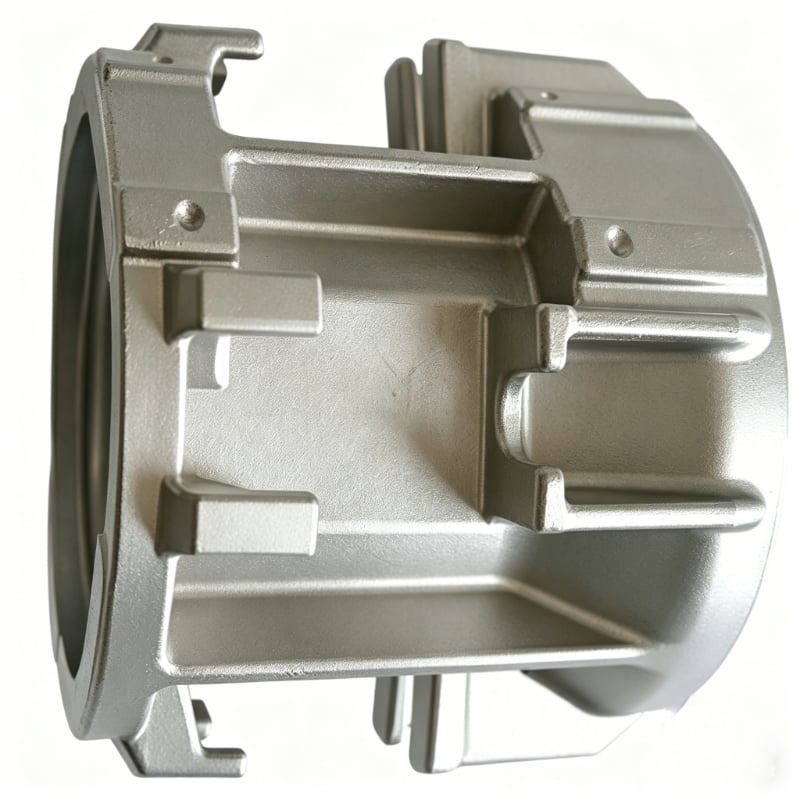
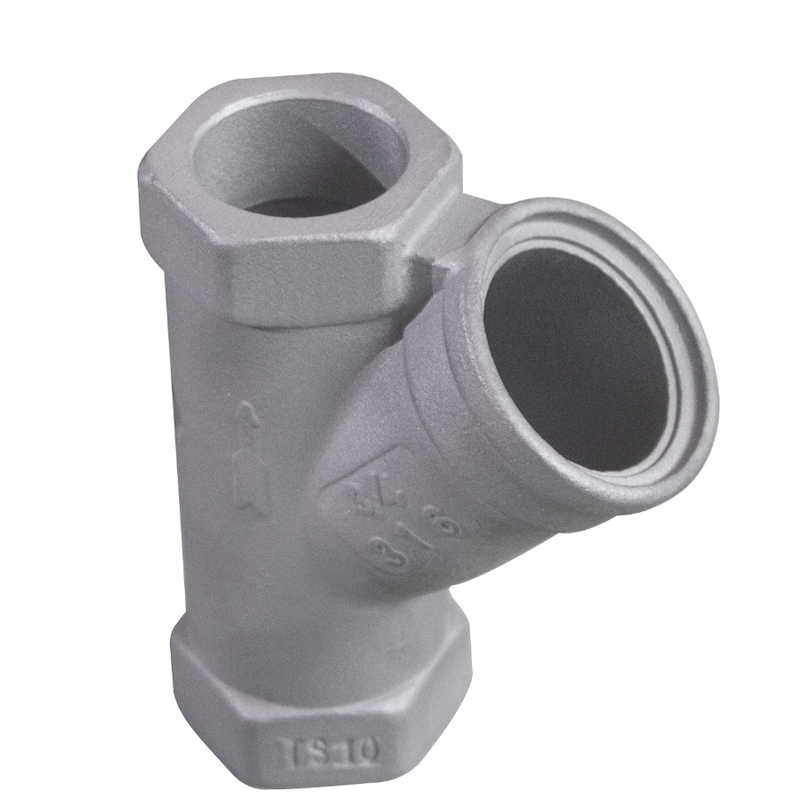
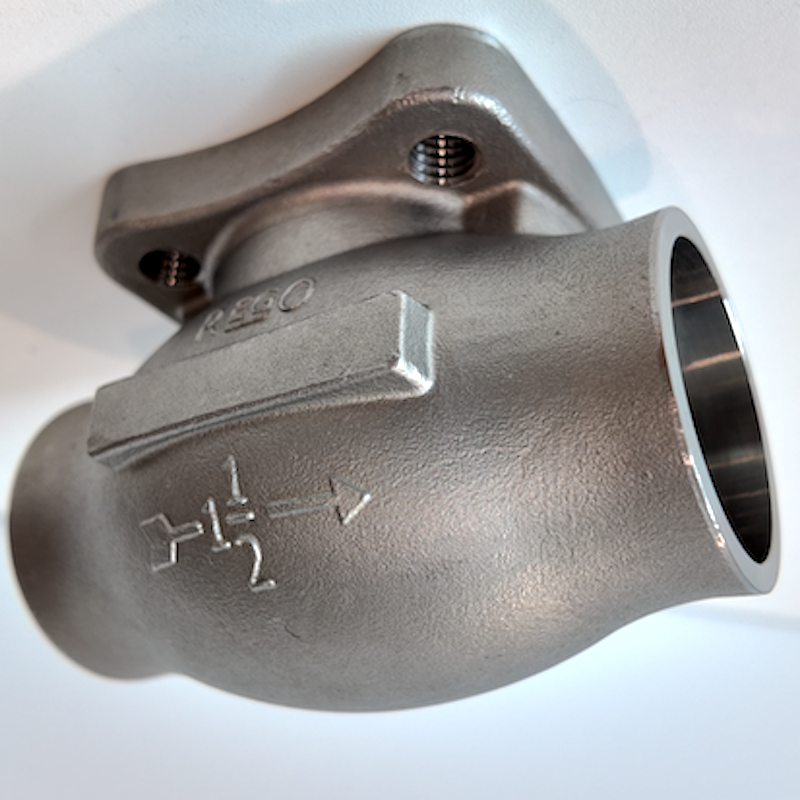
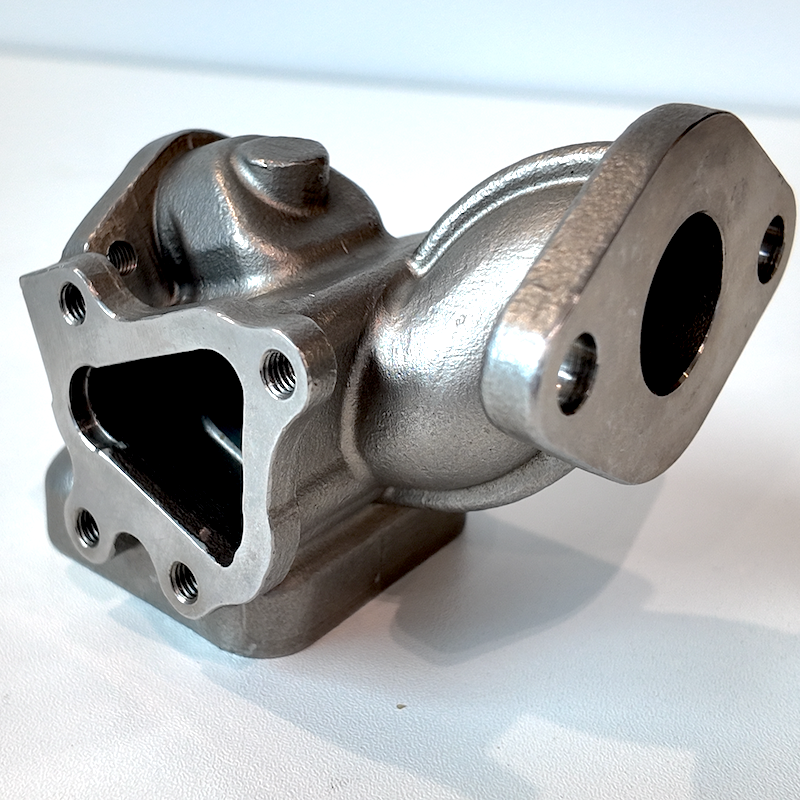
εξατομικευμένα μηχανοκατεργασμένα μέρη από επενδυτική χύτευση
Τα εξατομικευμένα μηχανοκατεργασμένα εξαρτήματα καλουπωμένα με τη μέθοδο investment casting αποτελούν μια προηγμένη λύση κατασκευής, η οποία συνδυάζει την ακρίβεια του καλουπώματος με τη μέθοδο investment casting και προηγμένες τεχνικές μηχανοκατεργασίας, προκειμένου να παραδοθούν εξαρτήματα με εξαιρετική ακρίβεια και επιφανειακή απόδοση. Αυτή η υβριδική διαδικασία κατασκευής ξεκινά με το κάλυπτρο με τη μέθοδο investment casting, γνωστό επίσης ως κάλυπτρο με τη μέθοδο lost-wax, όπου ένα κεριού πρότυπο επικαλύπτεται με κεραμικό υλικό για τη δημιουργία καλουπιού. Μόλις το κεραμικό υλικό σκληρύνει, το κερί απομακρύνεται με τήξη, αφήνοντας μια κοίλη κοιλότητα στην οποία χύνεται το λιωμένο μέταλλο. Μετά την ψύξη και τη στερέωση, αφαιρείται η κεραμική όμοια, αποκαλύπτοντας το καλουπωμένο εξάρτημα. Ωστόσο, για να επιτευχθούν οι αυστηρές ανοχές και οι ανώτερες επιφανειακές ιδιότητες που απαιτούνται σε απαιτητικές εφαρμογές, εκτελούνται επιπλέον εργασίες μηχανοκατεργασίας σε αυτά τα καλουπωμένα εξαρτήματα. Οι κύριες λειτουργίες των εξατομικευμένων μηχανοκατεργασμένων εξαρτημάτων καλουπώματος με τη μέθοδο investment casting περιλαμβάνουν: την παροχή πολύπλοκων γεωμετρικών σχημάτων, τα οποία θα ήταν δύσκολο ή αδύνατο να επιτευχθούν μόνο με μηχανοκατεργασία, την προσφορά κατασκευής «σχεδόν τελικού σχήματος» (near-net-shape), η οποία μειώνει την απόρριψη υλικού, καθώς και την παράδοση εξαρτημάτων με εξαιρετικές μηχανικές ιδιότητες, κατάλληλων για περιβάλλοντα υψηλής μηχανικής φόρτισης. Τα τεχνολογικά χαρακτηριστικά αυτής της διαδικασίας περιλαμβάνουν τη δυνατότητα καλουπώματος πολύπλοκων εσωτερικών διαδρομών, υποκοπών (undercuts) και λεπτών τοιχωμάτων με εξαιρετική διαστασιακή ακρίβεια. Ο συνδυασμός καλουπώματος και μηχανοκατεργασίας επιτρέπει στους κατασκευαστές να παράγουν εξαρτήματα με ανοχές τόσο αυστηρές όσο ±0,001 ίντσες σε κρίσιμες περιοχές, διατηρώντας παράλληλα την οικονομική αποδοτικότητα του καλουπώματος για το μεγαλύτερο μέρος του εξαρτήματος. Τα εξαρτήματα αυτά βρίσκουν εφαρμογή σε πολλές βιομηχανίες, συμπεριλαμβανομένων: της αεροδιαστημικής, όπου χρησιμοποιούνται για πτερύγια τουρμπινών, δομικές βάσεις και εξαρτήματα κινητήρων· των ιατρικών συσκευών, όπου βιοσυμβατά υλικά καλουπώνονται για χειρουργικά εργαλεία και εμφυτεύματα· της αυτοκινητοβιομηχανίας, όπου χρησιμοποιούνται ως εξαρτήματα μετάδοσης, εξαρτήματα ανάρτησης και στοιχεία κινητήρα· της βιομηχανικής μηχανολογίας, όπου αντλίες, βαλβίδες και περιβλήματα τροχών επωφελούνται από την ανθεκτικότητά τους· και του αμυντικού τομέα, όπου η αξιοπιστία και η ακρίβεια είναι καθοριστικής σημασίας. Η ευελιξία στην επιλογή υλικών — που κυμαίνεται από ανοξείδωτα χάλυβα και κράματα αλουμινίου μέχρι εξωτικά υπερκράματα και τιτάνιο — καθιστά τα εξατομικευμένα μηχανοκατεργασμένα εξαρτήματα καλουπώματος με τη μέθοδο investment casting μια ιδανική επιλογή για έργα που απαιτούν συγκεκριμένες ιδιότητες υλικού σε συνδυασμό με πολύπλοκες γεωμετρίες και αυστηρές ανοχές.

 EN
EN