Professional Stainless Steel Mechanical Parts Manufacturer - Precision Components & Custom Fabrication

Get a Free Quote

Our representative will contact you soon.
Email
Name
Company Name
Message
0/1000

stainless steel mechanical parts manufacturer

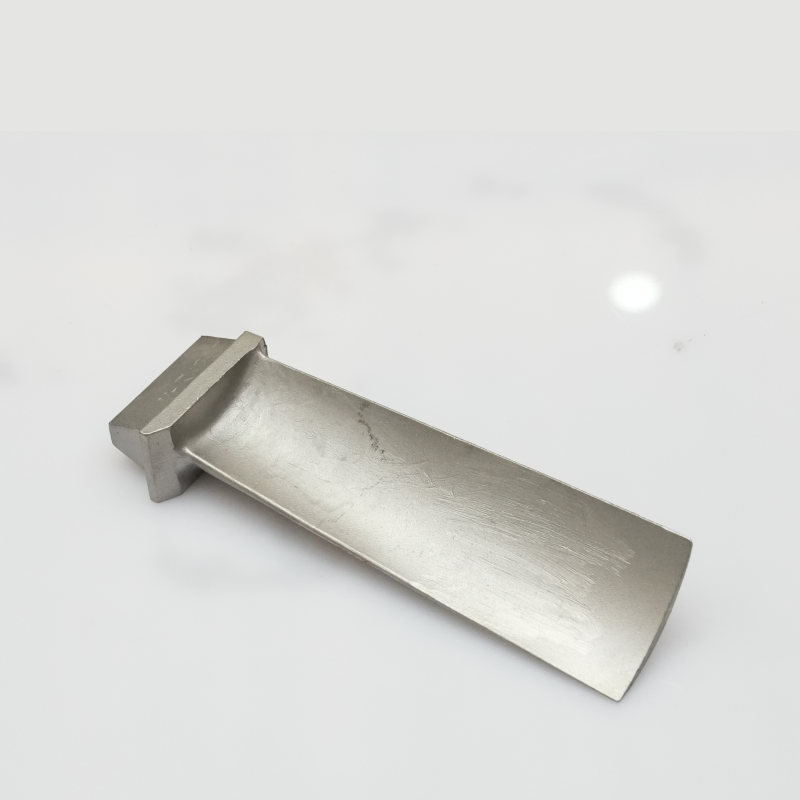
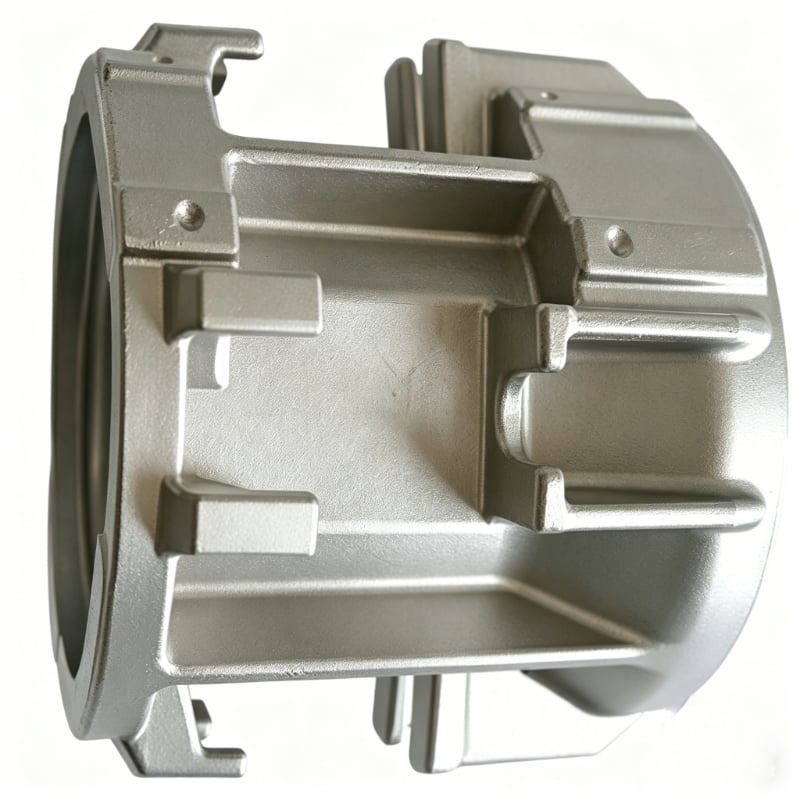
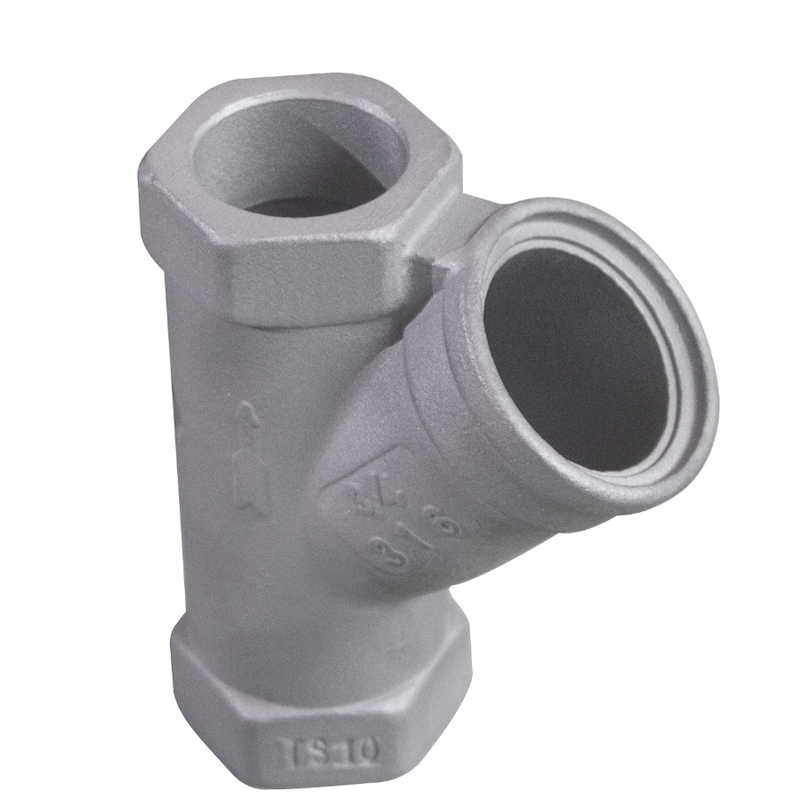
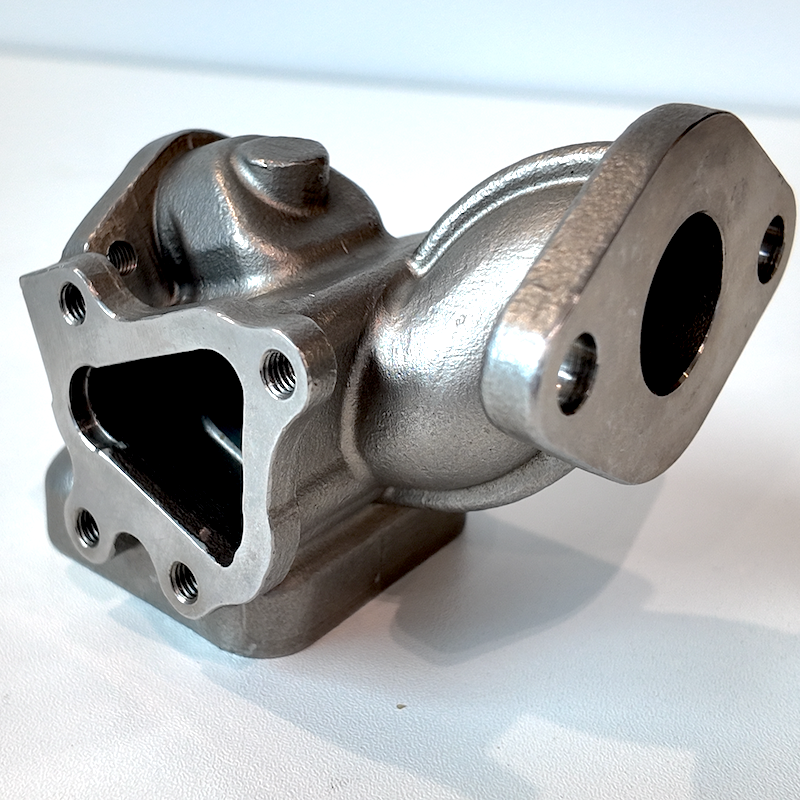
A stainless steel mechanical parts manufacturer specializes in producing high-precision components engineered from various grades of stainless steel alloys. These manufacturers serve as critical partners for industries requiring durable, corrosion-resistant parts that maintain structural integrity under demanding conditions. The primary function of a stainless steel mechanical parts manufacturer involves transforming raw stainless steel materials into finished components through advanced machining processes including CNC turning, milling, grinding, casting, forging, and stamping operations. These facilities combine traditional metalworking expertise with modern computer-controlled equipment to deliver components meeting exact specifications. The technological features distinguishing professional manufacturers include multi-axis CNC machining centers capable of producing complex geometries with tolerances measured in microns, quality control systems employing coordinate measuring machines and spectral analysis equipment, and proprietary surface finishing techniques that enhance both appearance and performance characteristics. Modern stainless steel mechanical parts manufacturers utilize CAD/CAM integration for seamless transition from design to production, ensuring dimensional accuracy and repeatability across production runs. Applications for these manufactured components span numerous sectors including aerospace, medical devices, food processing equipment, pharmaceutical machinery, marine hardware, automotive systems, petrochemical installations, and architectural fixtures. In aerospace applications, precision stainless steel parts form critical components of landing gear assemblies, fuel system fittings, and structural fasteners. Medical device manufacturers depend on biocompatible stainless steel parts for surgical instruments, implantable devices, and diagnostic equipment. Food processing facilities require sanitary-grade stainless components that resist bacterial growth and withstand repeated cleaning cycles. The versatility of stainless steel as a material, combined with advanced manufacturing capabilities, enables producers to deliver custom solutions tailored to specific performance requirements, environmental conditions, and regulatory standards applicable to each industry served.

New Product Releases

Partnering with an experienced stainless steel mechanical parts manufacturer delivers numerous practical benefits that directly impact your operational efficiency and bottom line. First, you gain access to superior material properties that solve real-world challenges in your equipment and products. Stainless steel components resist rust and corrosion far better than ordinary steel, which means your machinery operates longer between maintenance intervals and replacement cycles. This extended service life translates to lower total ownership costs and reduced downtime that would otherwise halt production and hurt profitability. The strength-to-weight ratio of stainless steel parts allows you to build lighter assemblies without sacrificing durability, which proves especially valuable when shipping costs and fuel efficiency matter to your operations. Second, working with specialized manufacturers gives you precision that generic suppliers cannot match. These facilities invest in advanced equipment that holds tight tolerances, ensuring parts fit correctly the first time and reducing assembly errors that waste labor hours. When components arrive within specification consistently, your production teams work faster and quality control departments spend less time inspecting and rejecting substandard parts. Third, you benefit from materials expertise that helps you select the optimal stainless steel grade for your specific environment. Whether your parts face saltwater exposure, extreme temperatures, chemical contact, or high-stress loading, knowledgeable manufacturers guide you toward alloys that perform reliably under those exact conditions. This consultative approach prevents costly failures and warranty claims down the road. Fourth, established stainless steel mechanical parts manufacturers maintain certifications and quality systems that satisfy regulatory requirements in controlled industries. When you serve medical, aerospace, or food production markets, documented traceability and material certifications become mandatory rather than optional. Reputable manufacturers provide the paperwork your compliance teams need without extra hassle. Fifth, production flexibility allows you to order prototype quantities for testing before committing to large volume runs, reducing your financial risk when developing new products. As your needs grow, the same manufacturer scales production smoothly without forcing you to find new suppliers and repeat the qualification process. Sixth, surface finishing capabilities add value by delivering parts ready for immediate assembly, eliminating secondary operations at your facility that tie up floor space and labor resources. Whether you need polished surfaces for aesthetic appeal, passivated layers for enhanced corrosion resistance, or specific roughness values for sealing applications, integrated finishing services streamline your supply chain and accelerate time-to-market for your products.

Latest News

The Role Of Elements In Castings And The Order Of Addition

11

May

The Role Of Elements In Castings And The Order Of Addition

View More
Stainless Steel Castings for Architectural Posts

11

May

Stainless Steel Castings for Architectural Posts

View More
Stainless Steel Castings for Building Facade Systems

11

May

Stainless Steel Castings for Building Facade Systems

View More
Precision Stainless Steel Exhaust Manifold Casting Solution For Luxury Sedan - With Japanese First-Tier Car Brand

11

May

Precision Stainless Steel Exhaust Manifold Casting Solution For Luxury Sedan - With Japanese First-Tier Car Brand

View More

Get a Free Quote

Our representative will contact you soon.
Email
Name
Company Name
Message
0/1000

stainless steel mechanical parts manufacturer

Advanced Manufacturing Technology Ensuring Consistent Quality

Advanced Manufacturing Technology Ensuring Consistent Quality

Modern stainless steel mechanical parts manufacturer facilities distinguish themselves through substantial investments in cutting-edge production technology that guarantees consistent quality across every component produced. These manufacturers deploy multi-axis CNC machining centers equipped with live tooling capabilities, enabling complex operations to be completed in single setups rather than requiring multiple handling steps that introduce dimensional variation. The precision positioning systems within these machines achieve repeatability measured in micrometers, ensuring that the thousandth part manufactured maintains identical dimensions to the first piece. Temperature-controlled manufacturing environments eliminate thermal expansion variables that could compromise accuracy, while automated tool management systems compensate for wear patterns in real-time to maintain cutting precision throughout extended production runs. Quality assurance integration represents another technological advantage, with in-process inspection systems that measure critical dimensions during manufacturing rather than waiting until completion to discover deviations. Statistical process control software analyzes measurement data continuously, identifying trends before they result in out-of-specification parts and enabling preventive adjustments that maintain optimal production parameters. Coordinate measuring machines with touch-probe and optical scanning capabilities verify complex geometries against original CAD models, generating detailed inspection reports that document conformance to specifications. Material verification equipment including X-ray fluorescence analyzers confirms alloy composition before machining begins, preventing costly errors from processing incorrect grades. The integration of CAD/CAM systems streamlines the transition from engineering designs to machine tool paths, reducing programming time and eliminating human transcription errors that plague manual setup processes. Simulation software validates tool paths virtually before any metal cutting occurs, identifying potential collisions or inefficient motions that would damage equipment or waste production time. This digital workflow enables rapid response to design changes, with revised components moving into production within hours rather than days required by conventional programming methods. Surface finishing technology employed by leading stainless steel mechanical parts manufacturers includes automated polishing systems that deliver consistent surface textures impossible to achieve through manual methods, electrochemical processes that enhance corrosion resistance at the molecular level, and coating applications that add specialized properties such as lubricity or electrical insulation. These integrated capabilities mean customers receive finished parts ready for immediate use rather than rough components requiring additional processing at their own facilities or through secondary vendors.
Material Expertise and Grade Selection Guidance

Material Expertise and Grade Selection Guidance

The depth of metallurgical knowledge possessed by an established stainless steel mechanical parts manufacturer provides customers with invaluable guidance in selecting optimal materials for their specific applications. Stainless steel encompasses a diverse family of alloys, each formulated with particular properties that make certain grades superior for distinct operating environments and functional requirements. Austenitic stainless steels such as 304 and 316 offer excellent corrosion resistance and formability, making them ideal for food processing equipment, marine hardware, and architectural applications where aesthetic appearance matters alongside durability. The addition of molybdenum in 316-grade alloys enhances resistance to chloride corrosion, proving essential for components exposed to saltwater or chemical environments containing halides. Martensitic grades like 410 and 420 provide higher strength and hardness through heat treatment, serving applications requiring wear resistance such as pump shafts, valve components, and cutting tools. Ferritic stainless steels including 430 deliver good corrosion resistance at lower cost than austenitic types, suitable for automotive trim, appliance components, and industrial equipment operating in moderate environments. Precipitation-hardening grades such as 17-4 PH combine strength approaching tool steel with corrosion resistance exceeding martensitic types, making them preferred materials for aerospace components, high-performance racing parts, and demanding mechanical assemblies. Experienced manufacturers guide customers through this selection process by analyzing operating conditions including temperature ranges, chemical exposure, stress levels, and required service life. They consider factors beyond simple material properties, such as machinability characteristics that affect production costs, welding compatibility when assemblies involve joining operations, and magnetic properties that matter in certain electronic or medical applications. This consultative approach prevents common specification errors where customers select familiar grades without recognizing that alternative alloys would deliver superior performance or lower total costs. The manufacturer's purchasing relationships with steel mills ensure access to certified materials with documented chemistry and mechanical properties, complete with mill test reports providing traceability to original heat numbers. This documentation proves critical for customers serving regulated industries where material certification becomes a mandatory element of compliance programs. Beyond standard grades, knowledgeable stainless steel mechanical parts manufacturers maintain awareness of specialty alloys developed for niche applications, connecting customers with advanced materials that solve unique challenges conventional grades cannot address adequately.
Scalable Production Capacity with Flexible Order Quantities

Scalable Production Capacity with Flexible Order Quantities

A significant advantage offered by professional stainless steel mechanical parts manufacturers lies in their ability to accommodate diverse production volumes ranging from prototype quantities through high-volume serial production, providing customers with supply chain flexibility throughout product lifecycles. This scalability proves particularly valuable for companies developing new products where initial requirements involve small batches for testing and validation before market introduction necessitates larger volumes. Traditional manufacturing approaches often force customers to choose between prototype shops capable of producing small quantities at premium prices and production facilities requiring minimum order quantities beyond what development budgets can absorb. Progressive stainless steel mechanical parts manufacturers bridge this gap by maintaining equipment and processes suitable for both scenarios, allowing customers to work with a single supplier from concept through full production. During prototype phases, manufacturers provide engineering support that identifies potential manufacturing challenges while designs remain flexible, suggesting modifications that improve producibility without compromising functionality. This collaboration reduces development time and prevents expensive redesigns that occur when parts initially designed without manufacturing input prove difficult or impossible to produce economically. As products transition from development to market introduction, the same manufacturer scales production smoothly by implementing process optimizations appropriate to increased volumes. Fixturing investments that would be uneconomical for prototype quantities become justified when spread across thousands of parts, reducing cycle times and per-unit costs. Statistical process control implementations monitor production consistency, while inventory management systems ensure component availability aligns with customer assembly schedules. For established products requiring ongoing replenishment, stainless steel mechanical parts manufacturers offer various supply arrangements including blanket purchase orders with scheduled releases, consignment inventory programs that position parts at customer facilities, and just-in-time delivery systems that minimize carrying costs while maintaining production continuity. This flexibility extends to accommodating demand fluctuations common in seasonal businesses or industries experiencing rapid growth, with manufacturers maintaining capacity buffers that allow volume increases without extended lead times. The ability to handle both custom one-off components and standardized parts in simultaneous production runs demonstrates operational sophistication that smaller job shops cannot match, while retaining the responsiveness and customer focus that large commodity suppliers typically lack. Multi-shift operations and strategic equipment investments ensure that capacity constraints do not limit customer growth, with manufacturers continuously evaluating throughput capabilities against projected customer requirements to maintain adequate production availability.

Get a Free Quote

Our representative will contact you soon.
Email
Name
Company Name
Message
0/1000