Automotive Precision Casting Supplier - High-Quality Components Manufacturing Solutions

Get a Free Quote

Our representative will contact you soon.
Email
Name
Company Name
Message
0/1000

automotive precision casting supplier

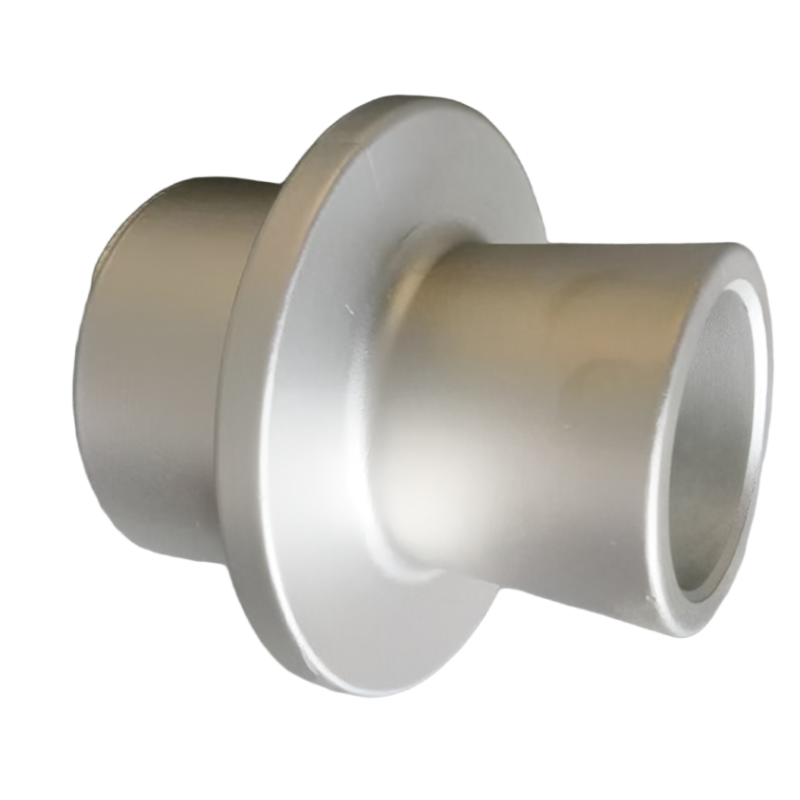
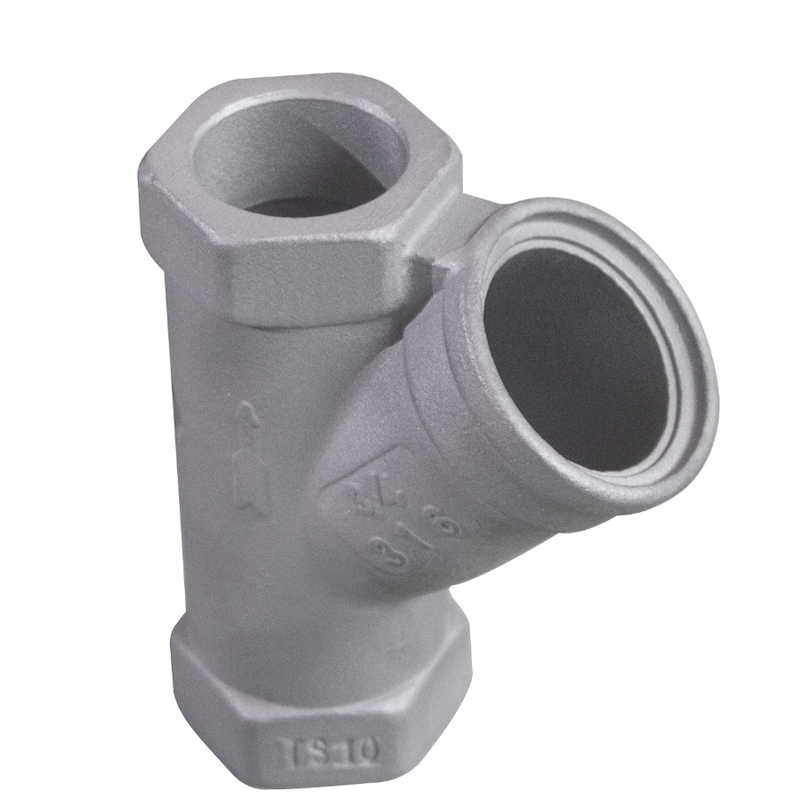
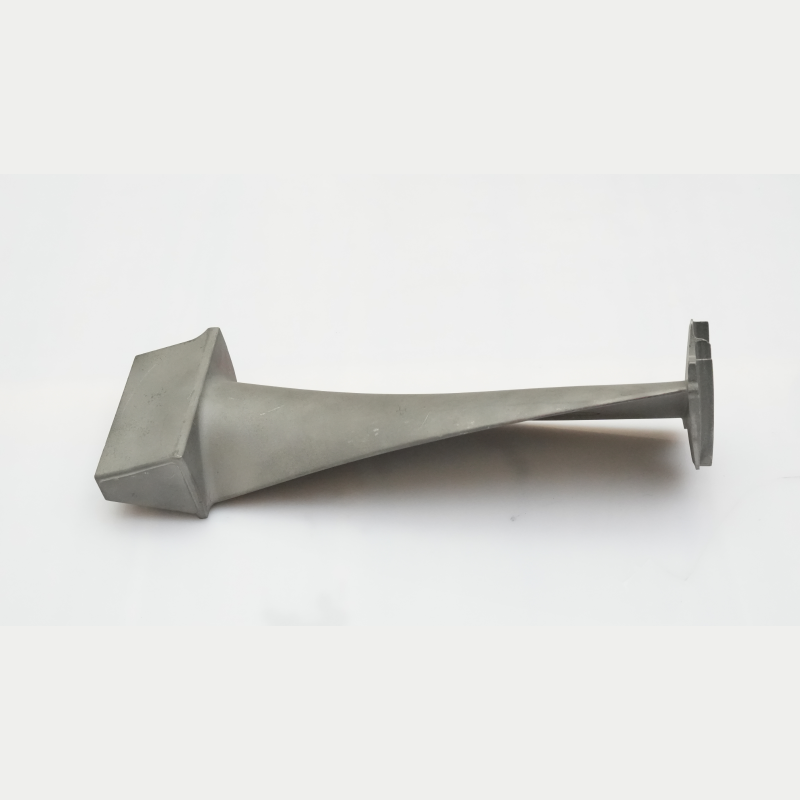
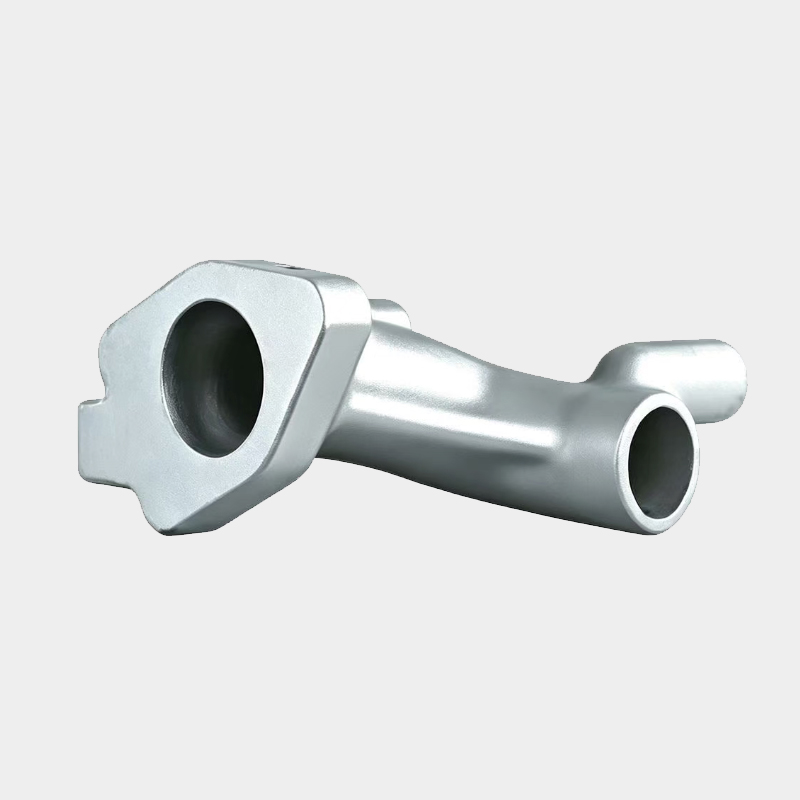
An automotive precision casting supplier serves as a critical manufacturing partner for vehicle producers and component manufacturers worldwide. These specialized companies transform molten metal into intricate parts through advanced casting techniques that meet the demanding requirements of modern automotive engineering. The primary function involves creating complex geometrical shapes with exceptional dimensional accuracy that traditional manufacturing methods cannot easily achieve. By utilizing sophisticated processes such as investment casting, die casting, and lost wax casting, an automotive precision casting supplier produces components ranging from engine blocks and transmission housings to suspension parts and turbocharger components. The technological features that define these suppliers include computer-aided design integration, automated pouring systems, real-time quality monitoring, and advanced metallurgical analysis capabilities. Modern automotive precision casting supplier facilities employ precision temperature control systems that ensure consistent material properties throughout each production run. These suppliers maintain strict adherence to international automotive standards including IATF 16949, ISO 9001, and various OEM-specific requirements. The application scope extends across multiple vehicle systems including powertrain assemblies, chassis components, brake systems, steering mechanisms, and structural reinforcements. An automotive precision casting supplier typically works with various alloys including aluminum, steel, iron, magnesium, and specialized materials designed for high-performance applications. The casting process begins with pattern creation, followed by mold preparation, metal melting, pouring, solidification, and finishing operations. Post-casting treatments such as heat treatment, machining, surface coating, and quality inspection ensure that every component meets exact specifications. These suppliers support both prototype development and mass production, offering flexibility that accommodates emerging automotive technologies including electric vehicles, autonomous driving systems, and lightweight construction initiatives. The relationship between an automotive precision casting supplier and clients extends beyond simple part production to include collaborative engineering, cost optimization consultation, and supply chain integration that enhances overall manufacturing efficiency.

New Product Releases

Working with a dedicated automotive precision casting supplier delivers numerous practical benefits that directly impact your production efficiency and bottom line. First and foremost, you gain access to specialized expertise accumulated through years of focused experience in automotive manufacturing. These suppliers understand the unique challenges facing vehicle manufacturers and bring proven solutions that reduce development time significantly. You eliminate the substantial capital investment required for establishing in-house casting facilities, avoiding equipment purchases, facility construction, and workforce training expenses. This arrangement transforms fixed costs into variable expenses that scale with your production volume. Quality consistency represents another major advantage, as established suppliers maintain rigorous process controls that minimize variation between batches. You receive components that fit correctly the first time, reducing assembly line delays and costly rework. The supplier's dedicated quality team performs comprehensive inspections using coordinate measuring machines, spectroscopy analysis, and mechanical testing to verify that every part meets specifications. Lead time reduction becomes achievable through streamlined production scheduling and optimized workflows that experienced suppliers have refined over countless projects. You can accelerate time-to-market for new vehicle models when partnering with a responsive supplier who understands urgent timelines. Material expertise offers substantial value, as these suppliers maintain relationships with metal providers and understand which alloys deliver optimal performance for specific applications. They guide material selection to balance strength, weight, cost, and manufacturability. Design support services help you optimize parts for castability before production begins, preventing expensive redesigns later. Suppliers provide design for manufacturing input that enhances component functionality while ensuring production feasibility. Scalability advantages allow you to adjust order quantities based on market demand without maintaining excess capacity. Whether you need prototype quantities or millions of units annually, the supplier adapts to your requirements. Cost predictability improves through transparent pricing structures and long-term supply agreements that protect against market fluctuations. You gain better financial planning capability with stable component costs. Risk mitigation occurs naturally as suppliers assume responsibility for process failures, equipment maintenance, and regulatory compliance. Your organization avoids liability associated with casting operations. Finally, you benefit from continuous improvement initiatives that suppliers implement to enhance processes, reduce defects, and lower costs. These ongoing enhancements translate to better products and improved competitiveness without additional effort from your team.

Practical Tips

Basic Principles Of Design Of Precision Casting Gating System

11

May

Basic Principles Of Design Of Precision Casting Gating System

View More
Selection And Application Scope Of Hardness Tester

11

May

Selection And Application Scope Of Hardness Tester

View More
Stainless Steel Castings for Architectural Posts

11

May

Stainless Steel Castings for Architectural Posts

View More
Stainless Steel Castings for Building Facade Systems

11

May

Stainless Steel Castings for Building Facade Systems

View More

Get a Free Quote

Our representative will contact you soon.
Email
Name
Company Name
Message
0/1000

automotive precision casting supplier

Advanced Manufacturing Technology Integration

Advanced Manufacturing Technology Integration

An automotive precision casting supplier distinguishes itself through comprehensive integration of cutting-edge manufacturing technologies that transform raw materials into precision-engineered components with remarkable accuracy. These suppliers invest heavily in automation systems that control every aspect of the casting process, from initial metal melting through final inspection stages. Computer numerical control equipment ensures repeatability across thousands of production cycles, maintaining tolerances measured in hundredths of millimeters. The integration begins with three-dimensional modeling software that creates virtual prototypes, allowing engineers to simulate metal flow, predict solidification patterns, and identify potential defects before physical production commences. This digital approach eliminates trial-and-error methods that historically consumed time and resources. Robotic handling systems position molds with perfect consistency, removing human variability from critical alignment operations. Automated pouring systems deliver molten metal at precisely controlled temperatures and flow rates, ensuring complete cavity filling without introducing turbulence that causes porosity. Real-time monitoring sensors track temperature, pressure, and timing parameters throughout production, immediately alerting operators to any deviation from established specifications. Advanced suppliers employ spectroscopy equipment that analyzes metal composition within seconds, verifying alloy chemistry before pouring begins. X-ray inspection systems reveal internal structures without destructive testing, confirming that components lack hidden voids or inclusions that could cause premature failure. Coordinate measuring machines map component dimensions with micrometer precision, generating detailed reports that document conformance to engineering drawings. The technological sophistication extends to environmental controls that maintain stable temperature and humidity levels within production areas, preventing atmospheric conditions from affecting material properties. Modern automotive precision casting supplier facilities utilize simulation software that optimizes gating systems, riser placement, and cooling strategies to minimize material waste while maximizing component integrity. This technology integration delivers consistent quality that manual processes cannot match, providing manufacturers with reliable components that perform predictably throughout vehicle lifespans. The return on investment becomes evident through reduced warranty claims, improved customer satisfaction, and enhanced brand reputation built on dependable products.
Comprehensive Quality Assurance Systems

Comprehensive Quality Assurance Systems

Quality assurance represents the foundational pillar upon which reputable automotive precision casting supplier operations are built, encompassing systematic verification processes that guarantee every component leaving the facility meets stringent performance requirements. These comprehensive systems begin during the quotation phase, where quality engineers review part specifications to identify potential manufacturing challenges before committing to production. Incoming material inspection protocols verify that raw metals meet chemical composition standards through optical emission spectroscopy, ensuring alloy properties match requirements. Process qualification procedures document that manufacturing equipment operates within specification limits, establishing baseline capabilities before production authorization. First article inspections validate that initial components from new tooling conform to all dimensional, metallurgical, and functional requirements, providing confidence before full-scale manufacturing begins. In-process monitoring checkpoints occur at strategic intervals throughout production sequences, catching deviations early when corrections cost least. Statistical process control methodologies track key characteristics over time, identifying trends that might indicate impending quality issues. Dimensional verification employs calibrated instruments traceable to national standards, providing measurement confidence that supports certification requirements. Metallurgical testing examines grain structure, hardness profiles, and mechanical properties through destructive sampling programs that confirm material characteristics. Non-destructive evaluation techniques including fluorescent penetrant inspection, magnetic particle testing, and ultrasonic examination detect surface and subsurface discontinuities without damaging parts. Final inspection stations perform comprehensive checks against established acceptance criteria before authorizing shipment. Documentation systems maintain complete traceability from raw material heat numbers through processing parameters to final inspection results, enabling rapid investigation if field issues arise. Corrective action procedures ensure that identified problems receive thorough root cause analysis and permanent solutions rather than temporary fixes. Preventive maintenance programs keep production equipment operating at peak performance, minimizing process variation from worn components. Calibration schedules ensure measurement equipment provides accurate readings throughout service intervals. Supplier quality engineers work collaboratively with customers to establish appropriate inspection plans that balance thoroughness with economic efficiency. Continuous improvement initiatives analyze quality data to identify opportunities for defect reduction and capability enhancement. This systematic approach to quality assurance provides manufacturers with confidence that components will perform reliably in demanding automotive applications, protecting brand reputation and customer safety.
Flexible Production Capabilities for Diverse Requirements

Flexible Production Capabilities for Diverse Requirements

The hallmark of an exceptional automotive precision casting supplier lies in versatile production capabilities that accommodate vastly different project requirements, from prototype development through high-volume manufacturing runs. This flexibility begins with multiple casting process options that address distinct technical and economic considerations. Investment casting delivers intricate geometries with excellent surface finishes suitable for components requiring minimal post-processing. Die casting provides rapid cycle times ideal for large production quantities of relatively simple shapes. Sand casting accommodates very large components that exceed die casting machine capacities. Lost foam processes create complex internal passages impossible to achieve through conventional methods. Gravity casting offers economical solutions for moderate production volumes with acceptable dimensional tolerances. Each process brings specific advantages that experienced suppliers match to application requirements. Production scheduling systems accommodate both long-term supply agreements and expedited orders for urgent requirements, balancing competing priorities across multiple customers. Quick-turn prototype services transform concepts into physical samples within weeks rather than months, accelerating product development cycles. Low-volume production capabilities support niche applications and aftermarket components without requiring massive minimum order quantities. High-volume manufacturing systems deliver millions of identical parts annually with consistent quality and competitive pricing. Capacity flexibility allows suppliers to adjust output levels based on seasonal demand fluctuations or market changes without compromising delivery reliability. Equipment diversity enables simultaneous production of different part families optimized for specific machines rather than forcing compromise solutions. Material versatility accommodates aluminum alloys for lightweight applications, iron castings for wear resistance, steel components for strength requirements, and magnesium parts for maximum weight reduction. Secondary operation capabilities including machining, heat treatment, surface coating, and assembly reduce the number of suppliers customers must coordinate. Engineering support services assist with design optimization, material selection, process recommendation, and cost reduction initiatives. Tooling development expertise creates molds and dies that balance initial investment against production efficiency and longevity. Global logistics capabilities ensure reliable delivery to manufacturing facilities worldwide, managing customs clearance and transportation coordination. Supply chain integration connects casting operations with upstream material suppliers and downstream assembly operations, optimizing inventory levels and minimizing carrying costs. This comprehensive flexibility enables manufacturers to consolidate their supplier base while maintaining access to diverse capabilities that support evolving product portfolios and changing market demands.

Get a Free Quote

Our representative will contact you soon.
Email
Name
Company Name
Message
0/1000