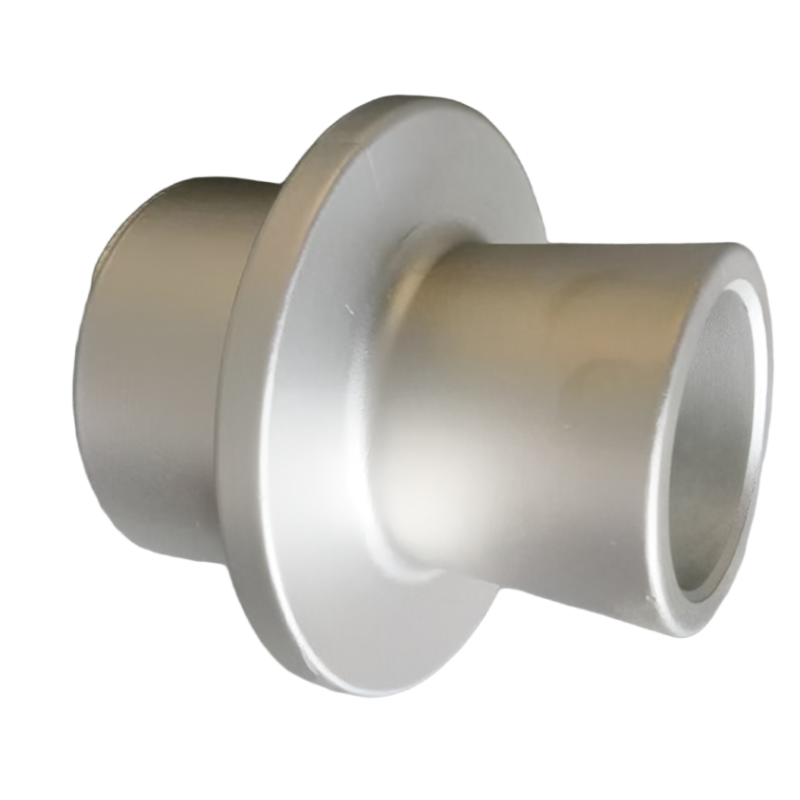
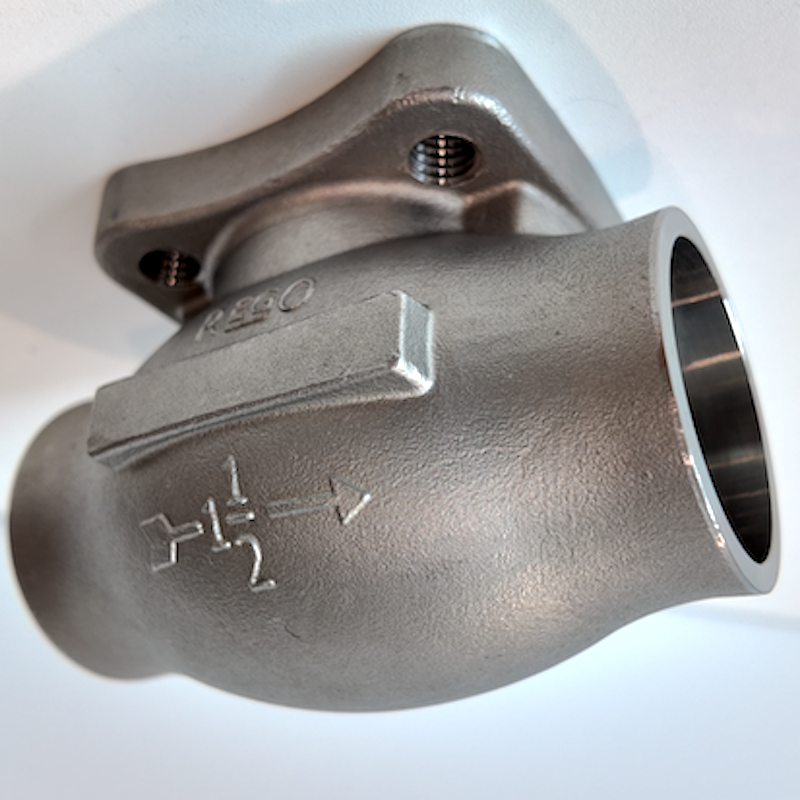
υψηλής ποιότητας κατασκευή μετάλλων
Η υψηλής τεχνολογίας κατασκευή μετάλλων αποτελεί την κορύφωση της ακριβούς κατασκευής, συνδυάζοντας προηγμένες τεχνολογίες με εξειδικευμένη τεχνική επιδεξιότητα για τη δημιουργία ανώτερων μεταλλικών εξαρτημάτων και κατασκευών. Αυτή η εξελιγμένη διαδικασία περιλαμβάνει την κοπή, την κάμψη, τη συγκόλληση, τη μηχανική κατεργασία και τη συναρμολόγηση μεταλλικών υλικών σύμφωνα με ακριβείς προδιαγραφές, υπηρετώντας βιομηχανίες που απαιτούν εξαιρετική ποιότητα και απόδοση. Η υψηλής τεχνολογίας κατασκευή μετάλλων διακρίνεται μέσω της ενσωμάτωσης συστημάτων υπολογιστικής βοήθειας στο σχεδιασμό (CAD), αυτοματοποιημένων μηχανημάτων και εξειδικευμένων τεχνικών, οι οποίοι μετατρέπουν το ακατέργαστο μέταλλο σε λειτουργικά αριστουργήματα. Οι κύριες λειτουργίες περιλαμβάνουν την ακριβή κοπή με τεχνολογία λέιζερ και υδροκοπής, περίπλοκες διαδικασίες διαμόρφωσης που δίνουν στο μέταλλο περίπλοκες γεωμετρικές μορφές και πολυάξονες μηχανικές κατεργασίες που επιτυγχάνουν ανοχές μετρούμενες σε μικρόμετρα. Η υψηλής τεχνολογίας κατασκευή μετάλλων χρησιμοποιεί εξοπλισμό αιχμής, όπως CNC πρεσσόβρακετς, κελιά ρομποτικής συγκόλλησης και μηχανήματα συντεταγμένων μετρήσεων, για να διασφαλίσει ότι κάθε προϊόν πληροί τις αυστηρές προδιαγραφές ποιότητας. Τα τεχνολογικά χαρακτηριστικά περιλαμβάνουν προηγμένο λογισμικό CAD/CAM που επιτρέπει την αδιάλειπτη μετάβαση από το σχεδιασμό στην παραγωγή, συστήματα πραγματικού χρόνου για την παρακολούθηση της ποιότητας που εντοπίζουν αμέσως οποιεσδήποτε αποκλίσεις και πρωτόκολλα εντοπισιμότητας των υλικών που καταγράφουν τον πλήρη κύκλο ζωής κάθε εξαρτήματος. Οι εφαρμογές καλύπτουν την αεροδιαστημική μηχανική, όπου η μείωση του βάρους και η αντοχή είναι κρίσιμες, την παραγωγή ιατρικών συσκευών που απαιτούν βιοσυμβατά υλικά και στείρες διαδικασίες, την αρχιτεκτονική μεταλλική εργασία που απαιτεί αισθητική τελειότητα σε συνδυασμό με δομική ακεραιότητα, καθώς και την πρωτοτυποποίηση οχημάτων, όπου η καινοτομία διαμορφώνει το ανταγωνιστικό πλεονέκτημα. Η υψηλής τεχνολογίας κατασκευή μετάλλων εξυπηρετεί τον ενεργειακό τομέα με εξαρτήματα για την παραγωγή ανανεώσιμης ενέργειας, υποστηρίζει την αμυντική βιομηχανία με ειδικούς εξοπλισμούς και ενισχύει τον τομέα των ηλεκτρονικών με ακριβή περιβλήματα και λύσεις διαχείρισης θερμότητας. Αυτή η προσέγγιση κατασκευής επιτρέπει τη χρήση διαφόρων μετάλλων, συμπεριλαμβανομένου του ανοξείδωτου χάλυβα, του αλουμινίου, του τιτανίου, των κραμάτων χαλκού και εξωτικών υλικών, τα οποία επιλέγονται καθένα για συγκεκριμένα χαρακτηριστικά απόδοσης. Η διαδικασία ξεκινά με λεπτομερή μηχανική ανάλυση, προχωρά στην επιλογή και την προμήθεια υλικών, συνεχίζεται με την κατασκευή σε ελεγχόμενα περιβάλλοντα παραγωγής και ολοκληρώνεται με αυστηρά πρωτόκολλα επιθεώρησης και δοκιμών που επαληθεύουν τη διαστασιακή ακρίβεια, την ποιότητα της επιφανειακής κατεργασίας και τη λειτουργική απόδοση πριν από την παράδοση σε πελάτες που αρνούνται να θυσιάσουν την εξαιρετικότητα.

 EN
EN