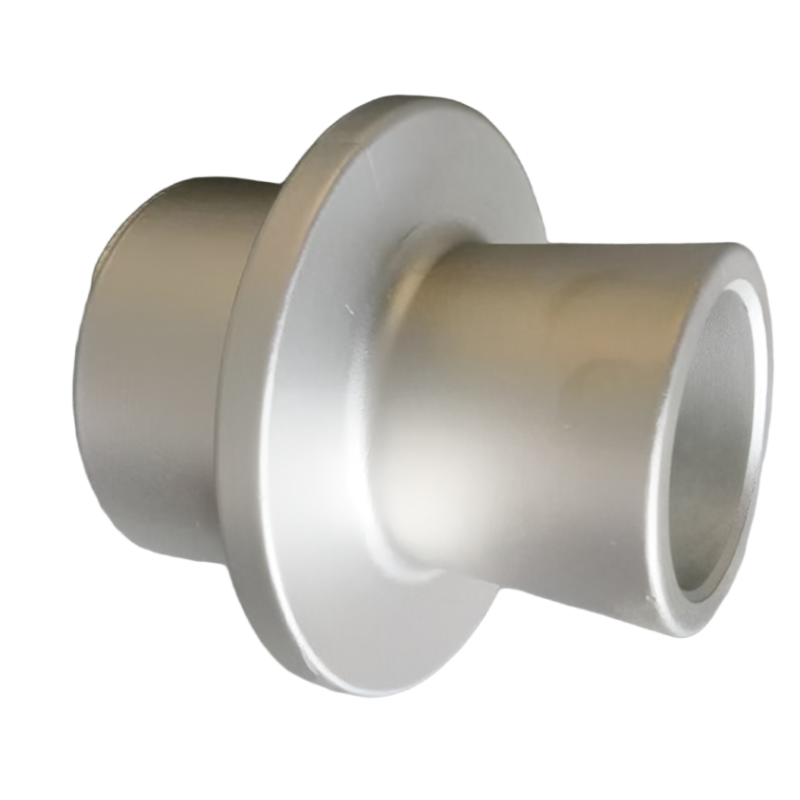
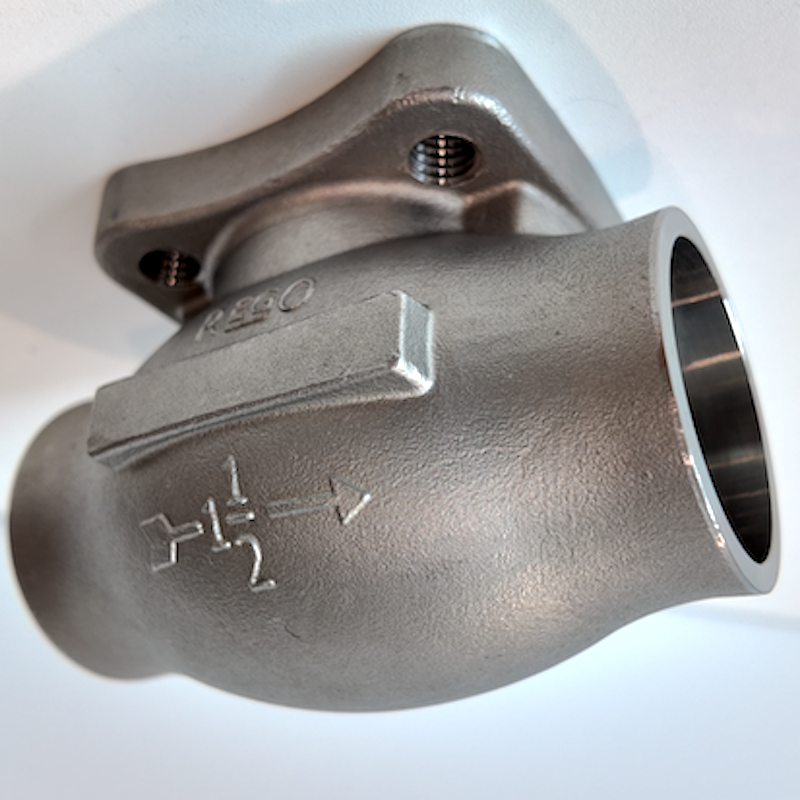
High End Metal Fabrication Services: Precision Manufacturing Solutions for Critical Applications

Get a Free Quote

Our representative will contact you soon.
Email
Name
Mobile
Company Name
Message
0/1000

high end metal fabrication

High end metal fabrication represents the pinnacle of precision manufacturing, combining advanced technology with expert craftsmanship to create superior metal components and structures. This sophisticated process encompasses cutting, bending, welding, machining, and assembling metal materials to exact specifications, serving industries that demand exceptional quality and performance. High end metal fabrication distinguishes itself through the integration of computer-aided design systems, automated machinery, and skilled technicians who transform raw metal into functional masterpieces. The main functions include precision cutting using laser and waterjet technology, complex forming operations that shape metal into intricate geometries, and multi-axis machining that achieves tolerances measured in microns. High end metal fabrication employs state-of-the-art equipment such as CNC press brakes, robotic welding cells, and coordinate measuring machines to ensure every product meets rigorous quality standards. The technological features encompass advanced CAD/CAM software that enables seamless transition from design to production, real-time quality monitoring systems that detect deviations instantly, and material traceability protocols that document every component's journey. Applications span aerospace engineering where weight reduction and strength are critical, medical device manufacturing requiring biocompatible materials and sterile processing, architectural metalwork demanding aesthetic excellence alongside structural integrity, and automotive prototyping where innovation drives competitive advantage. High end metal fabrication serves the energy sector with components for renewable power generation, supports the defense industry with specialized equipment, and enables the electronics sector with precision enclosures and heat management solutions. This manufacturing approach accommodates various metals including stainless steel, aluminum, titanium, copper alloys, and exotic materials, each selected for specific performance characteristics. The process begins with comprehensive engineering review, progresses through material selection and procurement, advances to fabrication using controlled manufacturing environments, and concludes with rigorous inspection and testing protocols that verify dimensional accuracy, surface finish quality, and functional performance before delivery to customers who refuse to compromise on excellence.

New Products

Choosing high end metal fabrication delivers tangible benefits that directly impact your project success and bottom line performance. The precision achievable through advanced manufacturing techniques eliminates costly rework and ensures components fit perfectly the first time, saving both money and valuable production time. You gain access to cutting-edge technology without the capital investment required to purchase and maintain expensive equipment, allowing you to leverage the latest innovations immediately. High end metal fabrication provides consistency across production runs, meaning the hundredth piece matches the first with identical specifications, reducing variability that causes assembly problems and customer complaints. The expertise resident in experienced fabrication teams brings problem-solving capability to your projects, identifying potential issues before they become expensive mistakes and suggesting design improvements that enhance manufacturability. You benefit from faster turnaround times because modern equipment processes materials more quickly while maintaining accuracy, compressing development cycles and accelerating time to market for new products. Material optimization reduces waste significantly, as precision cutting and nesting software calculates the most efficient layout, lowering raw material costs and supporting sustainability initiatives. High end metal fabrication accommodates complex geometries that would be impossible or prohibitively expensive using conventional methods, opening design possibilities that differentiate your products in competitive markets. Quality assurance processes embedded throughout production catch defects early, preventing substandard components from reaching assembly or end customers, protecting your reputation and reducing warranty claims. The flexibility to handle both prototype quantities and production volumes means you work with a single partner from concept through commercialization, maintaining consistency and eliminating the learning curve associated with changing suppliers. You receive documentation that traces materials, processes, and inspections, satisfying regulatory requirements in controlled industries and providing evidence for certification audits. Surface finishing options integrated into the fabrication workflow deliver components ready for immediate use, eliminating separate processing steps and additional handling that risks damage. Engineering support helps translate your vision into manufacturable designs, applying materials science knowledge and production experience to optimize performance while controlling costs. High end metal fabrication partners invest continuously in training and technology upgrades, ensuring you benefit from industry advances without directing your own resources toward manufacturing infrastructure. The result is superior products delivered reliably, positioning your business for growth while maintaining the quality standards your customers demand and expect consistently.

Latest News

Which Quality Standards Should a Custom Lost Wax Casting Foundry Meet for Export Markets?

05

Jun

Which Quality Standards Should a Custom Lost Wax Casting Foundry Meet for Export Markets?

Selecting a manufacturing partner for precision components intended for international buyers is never a straightforward decision. When the supply chain depends on a custom lost wax casting foundry, procurement engineers and quality managers must go b...
View More
What Factors Affect Surface Finish Quality in Medium Temperature Wax Casting Processes?

05

Jun

What Factors Affect Surface Finish Quality in Medium Temperature Wax Casting Processes?

Surface finish quality is one of the most critical performance indicators in precision investment casting, and it is directly shaped by the variables embedded in the medium temperature wax casting process. Unlike standard casting methods, medium temp...
View More
How Do OEM ODM Precision Casting Services Support Flexible Design and Rapid Prototyping?

26

Jun

How Do OEM ODM Precision Casting Services Support Flexible Design and Rapid Prototyping?

Figure 1: Custom Valve Body Fabricated via Precision Investment Casting, Featuring Crisp Surface Details and Net-Shape Integrity. In today's fast-evolving manufacturing landscape, the ability to move from concept to production-ready component quickly...
View More
What Should Global Buyers Expect from OEM ODM Precision Casting Services Suppliers?

05

Jun

What Should Global Buyers Expect from OEM ODM Precision Casting Services Suppliers?

For global buyers sourcing complex metal components, selecting a reliable partner for oem odm precision casting services is one of the most consequential procurement decisions in a production cycle. The stakes are high: dimensional inaccuracies, inco...
View More

Get a Free Quote

Our representative will contact you soon.
Email
Name
Mobile
Company Name
Message
0/1000

high end metal fabrication

Precision Engineering and Advanced Manufacturing Capabilities

Precision Engineering and Advanced Manufacturing Capabilities

High end metal fabrication distinguishes itself through precision engineering that pushes the boundaries of what manufacturers can achieve with metal materials. This capability stems from the integration of computer numerical control systems that guide cutting tools, forming equipment, and welding apparatus with repeatability measured in thousandths of an inch. The importance of this precision cannot be overstated when components must interface with other systems or when dimensional accuracy directly affects product performance. Consider aerospace applications where fuel system components must seal perfectly under extreme pressure and temperature variations, or medical implants where surface geometry affects biocompatibility and patient outcomes. High end metal fabrication employs multi-axis machining centers that simultaneously control movement in five or more directions, enabling the creation of complex contours and undercuts impossible with traditional three-axis equipment. This technological advancement allows designers to optimize parts for functionality rather than constraining creativity to accommodate manufacturing limitations. Laser cutting systems integrated into high end metal fabrication operations deliver edges so precise they often eliminate secondary finishing operations, with heat-affected zones minimized to preserve material properties right to the cut line. Waterjet technology complements laser cutting by processing materials sensitive to thermal input, cutting composites, or creating features in hardened metals without altering their metallurgical structure. The value proposition extends beyond dimensional accuracy to encompass surface finish quality, with grinding, polishing, and coating processes controlled to achieve specified roughness values that affect everything from aesthetic appeal to friction coefficients in moving assemblies. Coordinate measuring machines verify finished components against digital models, generating detailed inspection reports that document compliance with engineering specifications and provide statistical data for process improvement initiatives. This commitment to precision engineering means customers receive components that assemble without modification, function as designed throughout their service life, and maintain tolerances even after exposure to operational stresses. The investment in advanced manufacturing capabilities positions high end metal fabrication as the solution for applications where failure is not an option and where quality directly correlates with competitive advantage in demanding markets.
Material Expertise and Specialized Processing Knowledge

Material Expertise and Specialized Processing Knowledge

High end metal fabrication brings comprehensive material expertise that guides selection, processing, and finishing decisions critical to component performance and longevity. This specialized knowledge encompasses the behavior of various alloys during forming operations, understanding which materials work-harden and require annealing, recognizing grain structure orientation effects on mechanical properties, and predicting how different metals respond to welding heat input. The importance of this expertise becomes evident when projects involve exotic materials like titanium alloys used in aerospace applications, nickel-based superalloys required for high-temperature service, or specialty stainless grades needed for corrosive environments. High end metal fabrication teams maintain current certifications and training in welding procedures for critical applications, ensuring joints achieve full penetration, proper fusion, and mechanical properties matching or exceeding base material specifications. They understand passivation treatments that enhance corrosion resistance in stainless steel components, anodizing processes that protect aluminum while adding color options, and powder coating applications that deliver durable finishes for architectural and industrial products. Material traceability systems track each piece of metal from certified mill test reports through fabrication stages to final delivery, maintaining chain of custody documentation required in regulated industries like medical devices and pressure vessels. This capability provides customers confidence that materials meet specified chemistry, mechanical properties, and quality standards, with documentation available for audit and regulatory submission. High end metal fabrication addresses the challenges of dissimilar metal joining, applying techniques like explosion bonding or transition inserts that prevent galvanic corrosion while maintaining structural integrity across the interface. Heat treatment expertise ensures components achieve desired hardness, strength, and toughness properties, with controlled atmosphere furnaces preventing oxidation and precise temperature monitoring guaranteeing consistent results. The value delivered through material expertise includes component longevity, optimal performance under service conditions, and compliance with industry standards and customer specifications. This knowledge prevents costly failures caused by inappropriate material selection or improper processing, protects end users from safety risks, and ensures products perform reliably throughout their intended service life, building customer confidence and supporting brand reputation in quality-conscious markets.
Scalability and Flexible Production Capabilities

Scalability and Flexible Production Capabilities

High end metal fabrication provides scalability and flexible production capabilities that adapt to changing business needs, from initial prototypes through full-scale manufacturing runs. This flexibility represents tremendous value for companies navigating uncertain demand forecasts, developing innovative products, or responding to market opportunities that require rapid scaling. The ability to produce single prototypes using the same equipment and processes that will manufacture thousands of production units eliminates the risk of design changes during transition from development to volume production, ensuring prototypes accurately represent final product performance and appearance. High end metal fabrication accomplishes this through programmable equipment that stores digital instructions, allowing rapid changeover between different part numbers without lengthy setup times or dedicated tooling investments. Quick-change tooling systems in press brakes, punches, and machining centers reduce downtime between jobs, maximizing equipment utilization and minimizing the cost premium typically associated with small batch production. This capability proves invaluable during new product introduction phases when design iterations occur frequently and production volumes remain low until market acceptance is confirmed. As demand grows, high end metal fabrication scales production by optimizing cycle times, implementing dedicated fixtures, and scheduling longer production runs that leverage economies of batch processing while maintaining the quality established during prototype development. Flexible manufacturing systems automatically select appropriate tools, load materials, and execute machining operations with minimal operator intervention, allowing high end metal fabrication shops to handle diverse product mixes efficiently. The investment in automation and advanced equipment means customers avoid the traditional tradeoff between flexibility and efficiency, obtaining both responsive service for custom requirements and competitive pricing for volume production. This scalability extends to engineering support, with resources available for intensive collaboration during development phases and streamlined communication protocols for routine production orders. Customers benefit from working with a single manufacturing partner throughout product lifecycles, maintaining process knowledge, quality consistency, and supply chain simplicity rather than fragmenting production across multiple suppliers with varying capabilities and standards. The importance of this flexibility magnifies in industries characterized by rapid innovation cycles, customized products, or unpredictable demand patterns where manufacturing agility becomes a competitive differentiator that enables faster market response and more efficient capital deployment than competitors constrained by rigid production systems.

Get a Free Quote

Our representative will contact you soon.
Email
Name
Mobile
Company Name
Message
0/1000