One Stop Precision Casting Shop - Complete Manufacturing Solutions for Complex Metal Components

Get a Free Quote

Our representative will contact you soon.
Email
Name
Mobile
Company Name
Message
0/1000

one stop precision casting shop

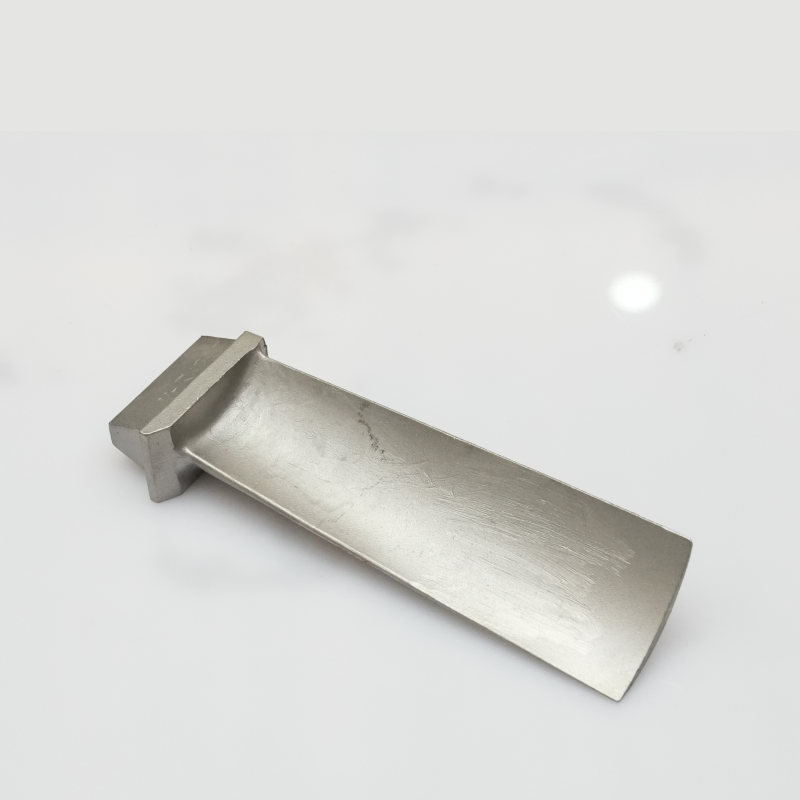
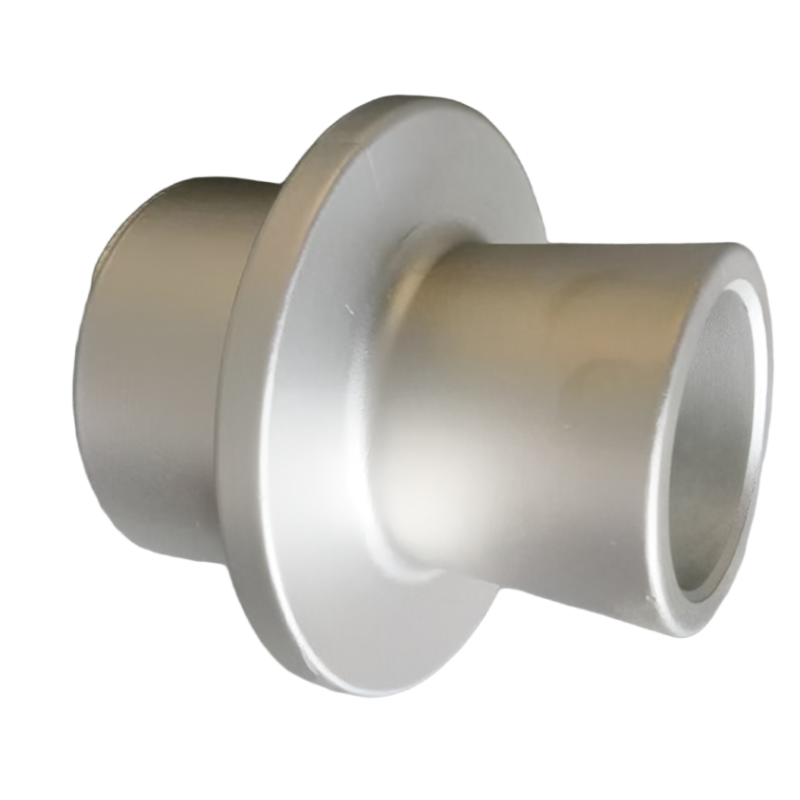
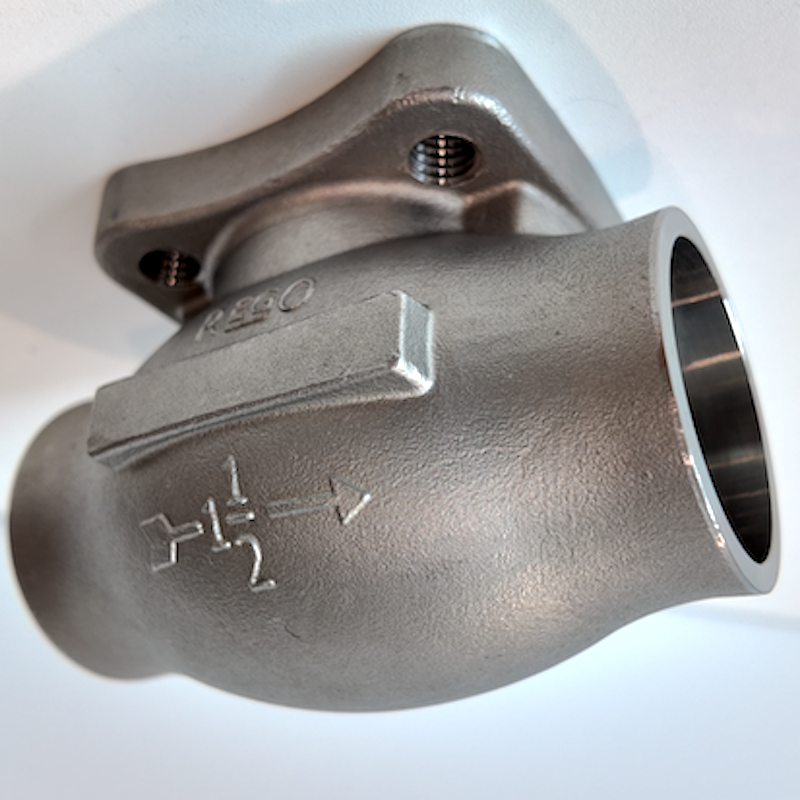
A one stop precision casting shop represents a comprehensive manufacturing facility that integrates multiple stages of the casting process under one roof, delivering complete solutions from initial design consultation through final product delivery. This integrated approach eliminates the need for customers to coordinate with multiple vendors, streamlining production timelines and reducing logistical complexities. The one stop precision casting shop specializes in creating intricate metal components with exceptional dimensional accuracy, typically achieving tolerances within thousandths of an inch. These facilities employ advanced casting methodologies including investment casting, lost wax casting, and silica sol processes to produce components ranging from small intricate parts weighing mere grams to substantial industrial components. The main functions encompass pattern making, mold creation, melting and pouring, heat treatment, machining, surface finishing, and quality inspection. Technological features include computer-aided design capabilities, three-dimensional scanning equipment, spectrometer analysis for material verification, coordinate measuring machines for dimensional verification, and non-destructive testing apparatus. Modern facilities incorporate automated pouring systems, controlled atmosphere furnaces, and advanced simulation software that predicts casting behavior before production begins. Applications span numerous industries including aerospace, where turbine blades and structural components demand extreme precision; medical device manufacturing requiring biocompatible materials and sterile processing; automotive sector producing engine components and transmission parts; energy generation equipment including pump housings and valve bodies; and industrial machinery components. The one stop precision casting shop serves both prototype development and high-volume production requirements, offering material versatility across stainless steels, carbon steels, aluminum alloys, copper alloys, and specialized superalloys. This consolidated service model provides customers with a single point of contact throughout the manufacturing journey, ensuring consistency in quality standards, unified project management, and cohesive communication channels that traditional multi-vendor approaches cannot match.

New Product Recommendations

Choosing a one stop precision casting shop delivers tangible benefits that directly impact your bottom line and production efficiency. First, you save considerable time by eliminating the coordination hassles that come with managing multiple suppliers. Instead of juggling communications with separate companies for design, casting, machining, and finishing, you work with one dedicated team that understands your project from start to finish. This unified approach means faster turnaround times, with projects moving seamlessly from one production stage to the next without delays caused by shipping parts between facilities or waiting for different vendors to align their schedules. Second, cost savings accumulate throughout the process. The one stop precision casting shop eliminates markup charges that middlemen typically add when coordinating between specialized vendors. Transportation costs drop significantly since parts remain at one location rather than traveling between multiple facilities. You also avoid duplicate setup fees that separate vendors would each charge. The consolidated service model allows for better resource allocation and economies of scale that translate into competitive pricing without sacrificing quality. Third, quality control becomes more reliable and traceable. When one facility handles the entire manufacturing process, accountability is clear and quality standards remain consistent. The production team can immediately address any issues that arise during manufacturing without the finger-pointing that sometimes occurs when multiple vendors are involved. Each one stop precision casting shop maintains comprehensive quality documentation that tracks your components through every production stage, providing complete traceability. Fourth, communication becomes straightforward and efficient. You have one project manager who understands your requirements completely, rather than explaining specifications repeatedly to different vendors. This single point of contact can answer questions about any aspect of production, provide updates on progress, and implement design changes quickly across all manufacturing stages. Fifth, the one stop precision casting shop offers design optimization support that improves your final product. Because the same engineering team that reviews your design also handles production, they can suggest modifications that enhance manufacturability, reduce costs, or improve performance based on their comprehensive understanding of the entire process. This integrated expertise helps you avoid costly design flaws that might only become apparent during later production stages. Finally, inventory management and repeat orders become simpler. The facility maintains your tooling, retains your specifications, and can quickly produce additional parts when needed without requiring you to restart the vendor qualification process.

Latest News

What Makes a Custom Lost Wax Casting Foundry Reliable for Precision Industrial Applications?

05

Jun

What Makes a Custom Lost Wax Casting Foundry Reliable for Precision Industrial Applications?

In precision industrial manufacturing, the reliability of a custom investment casting foundry is not a minor operational detail — it is a fundamental requirement that determines part integrity, production timelines, and ultimately, the safety o...
View More
What Factors Affect Surface Finish Quality in Medium Temperature Wax Casting Processes?

05

Jun

What Factors Affect Surface Finish Quality in Medium Temperature Wax Casting Processes?

Surface finish quality is one of the most critical performance indicators in precision investment casting, and it is directly shaped by the variables embedded in the medium temperature wax casting process. Unlike standard casting methods, medium temp...
View More
How Do OEM ODM Precision Casting Services Support Flexible Design and Rapid Prototyping?

26

Jun

How Do OEM ODM Precision Casting Services Support Flexible Design and Rapid Prototyping?

Figure 1: Custom Valve Body Fabricated via Precision Investment Casting, Featuring Crisp Surface Details and Net-Shape Integrity. In today's fast-evolving manufacturing landscape, the ability to move from concept to production-ready component quickly...
View More
What Should Global Buyers Expect from OEM ODM Precision Casting Services Suppliers?

05

Jun

What Should Global Buyers Expect from OEM ODM Precision Casting Services Suppliers?

For global buyers sourcing complex metal components, selecting a reliable partner for oem odm precision casting services is one of the most consequential procurement decisions in a production cycle. The stakes are high: dimensional inaccuracies, inco...
View More

Get a Free Quote

Our representative will contact you soon.
Email
Name
Mobile
Company Name
Message
0/1000

one stop precision casting shop

Complete Manufacturing Integration Under One Roof Maximizes Efficiency

Complete Manufacturing Integration Under One Roof Maximizes Efficiency

The defining characteristic of a one stop precision casting shop is its ability to perform every manufacturing step within a single facility, creating an integrated production environment that delivers unmatched efficiency and control. This comprehensive capability begins with engineering consultation where experienced technicians review your designs, offer optimization suggestions, and create detailed manufacturing plans. The pattern making department then crafts precise patterns using traditional methods or modern three-dimensional printing technologies, depending on project requirements and production volumes. These patterns form the foundation for creating molds that will shape your final components. The mold production area utilizes ceramic shell building processes for investment casting, applying multiple layers of refractory materials to create molds capable of withstanding extreme temperatures while capturing intricate details. Once molds are prepared, the melting department operates induction furnaces, arc furnaces, or crucible furnaces to heat raw materials to precise temperatures, with metallurgical staff monitoring composition through spectrographic analysis to ensure material specifications are met exactly. The pouring process follows strict protocols to minimize defects, with controlled environments preventing contamination and specialized techniques managing solidification rates. After casting, the one stop precision casting shop continues with shell removal, cutting components from their gating systems, and initial cleaning operations. Heat treatment capabilities include solution annealing, age hardening, stress relieving, and normalizing processes that optimize material properties for your specific application requirements. Machining centers equipped with computer numerical control technology perform secondary operations including drilling, milling, turning, and threading to achieve final dimensions and create features impossible to cast directly. Surface finishing departments offer various treatments from simple bead blasting to electroplating, passivation, painting, or powder coating based on aesthetic requirements and environmental conditions your components will face. Quality assurance laboratories conduct dimensional inspections using coordinate measuring machines, perform material hardness testing, execute dye penetrant or radiographic inspections to detect internal defects, and verify surface finish parameters. This complete integration means your components never leave the controlled environment of the one stop precision casting shop until they are finished, inspected, and ready for shipment, eliminating the quality risks and delays associated with transporting partially completed parts between different facilities and ensuring that one accountable team oversees your entire project.
Advanced Technology Investment Delivers Superior Precision and Repeatability

Advanced Technology Investment Delivers Superior Precision and Repeatability

Modern one stop precision casting shop facilities distinguish themselves through substantial investments in cutting-edge technology that elevates precision, enhances repeatability, and expands manufacturing capabilities beyond what traditional foundries can achieve. Computer-aided design and manufacturing systems form the digital backbone, allowing engineers to create detailed three-dimensional models of components, simulate the casting process to predict potential defects before production begins, and generate precise toolpaths for machining operations. Simulation software analyzes how molten metal will flow through mold cavities, identifies areas where porosity might develop, and optimizes gating designs to ensure sound castings. Three-dimensional scanning equipment captures exact geometries of existing parts for reverse engineering projects or verification of first articles against design specifications, measuring millions of data points to create complete digital representations with accuracy measured in microns. Rapid prototyping capabilities using additive manufacturing technologies allow the one stop precision casting shop to produce pattern equipment quickly for low-volume projects or design validation before committing to more expensive permanent tooling. Automated pouring systems maintain consistent metal temperatures and pour rates, reducing the human variability that can introduce defects in traditional manual pouring operations. Robotic shell building equipment applies ceramic coatings with uniform thickness, ensuring mold strength and dimensional consistency across production runs. Controlled atmosphere furnaces prevent oxidation during heat treatment processes, maintaining surface quality and ensuring that material properties develop precisely as specified. Coordinate measuring machines equipped with touch probes and optical sensors verify dimensions with repeatability within a few microns, generating detailed inspection reports that document compliance with specifications. Spectroscopic analyzers confirm material chemistry of incoming raw materials and finished castings, ensuring that alloy compositions meet required standards. Non-destructive testing equipment including radiographic inspection systems, ultrasonic flaw detectors, and fluorescent penetrant inspection capabilities identify internal defects or surface discontinuities without damaging components. Manufacturing execution systems track each component through production stages, maintaining complete traceability and ensuring that process parameters remain within specification throughout manufacturing. Statistical process control software monitors key variables, alerting operators when trends indicate potential quality issues before defects actually occur. This technological infrastructure enables the one stop precision casting shop to maintain tight tolerances, achieve exceptional surface finishes, and deliver consistent results across production quantities from single prototypes to thousands of identical components, providing reliability that customers depend upon for critical applications.
Materials Expertise and Versatility Address Diverse Industry Requirements

Materials Expertise and Versatility Address Diverse Industry Requirements

A distinguishing strength of an established one stop precision casting shop lies in its comprehensive materials knowledge and ability to work with an extensive range of alloys, addressing the diverse performance requirements across multiple industries and applications. The materials laboratory staff possesses deep understanding of metallurgical principles, allowing them to recommend optimal alloy selections based on the mechanical properties, corrosion resistance, temperature capabilities, and cost considerations specific to your application. Stainless steel capabilities typically span austenitic grades like 304 and 316 for corrosion resistance, martensitic grades such as 410 and 17-4PH for strength and hardness, and duplex stainless steels combining attributes of both families. Carbon steel and low alloy steel casting serves structural applications, wear-resistant components, and situations where magnetic properties are beneficial. Aluminum alloys offer excellent strength-to-weight ratios for aerospace components, automotive parts, and applications where weight reduction delivers performance advantages or energy savings. Copper-based alloys including bronze and brass provide superior thermal and electrical conductivity for heat exchangers, electrical connectors, and marine hardware where corrosion resistance in saltwater environments is essential. Nickel-based superalloys withstand extreme temperatures and corrosive environments found in turbine engines, chemical processing equipment, and power generation systems. Cobalt-chromium alloys serve medical implant manufacturing where biocompatibility and wear resistance are critical. Titanium casting capabilities address aerospace applications requiring exceptional strength-to-weight ratios and corrosion resistance, though relatively few facilities possess the specialized equipment and expertise necessary for this reactive material. The one stop precision casting shop maintains relationships with certified material suppliers, ensuring traceability and compliance with industry standards and specifications. Material certifications accompany each shipment, documenting chemical composition and mechanical properties through mill test reports. The facility conducts incoming inspection of raw materials, verifying chemistry through spectrographic analysis before materials enter production. This materials versatility means customers can source diverse component requirements from a single trusted supplier rather than qualifying multiple foundries specialized in different alloy families. The engineering team understands how different materials behave during casting, how they respond to heat treatment, and what machining strategies optimize productivity and surface finish for each alloy type. This expertise prevents costly material selection mistakes and ensures that components will perform reliably in their intended service environments, whether facing high temperatures, corrosive chemicals, mechanical stresses, or combinations of demanding conditions.

Get a Free Quote

Our representative will contact you soon.
Email
Name
Mobile
Company Name
Message
0/1000