Turnkey Stainless Steel Casting Services - Complete Solutions from Design to Delivery

Get a Free Quote

Our representative will contact you soon.
Email
Name
Mobile
Company Name
Message
0/1000

turnkey stainless steel casting

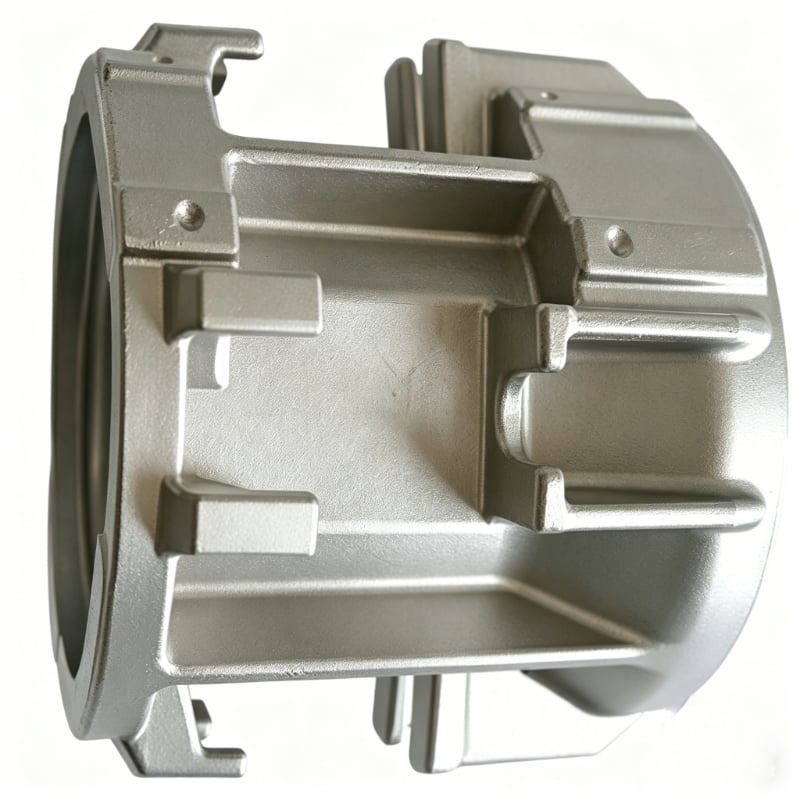
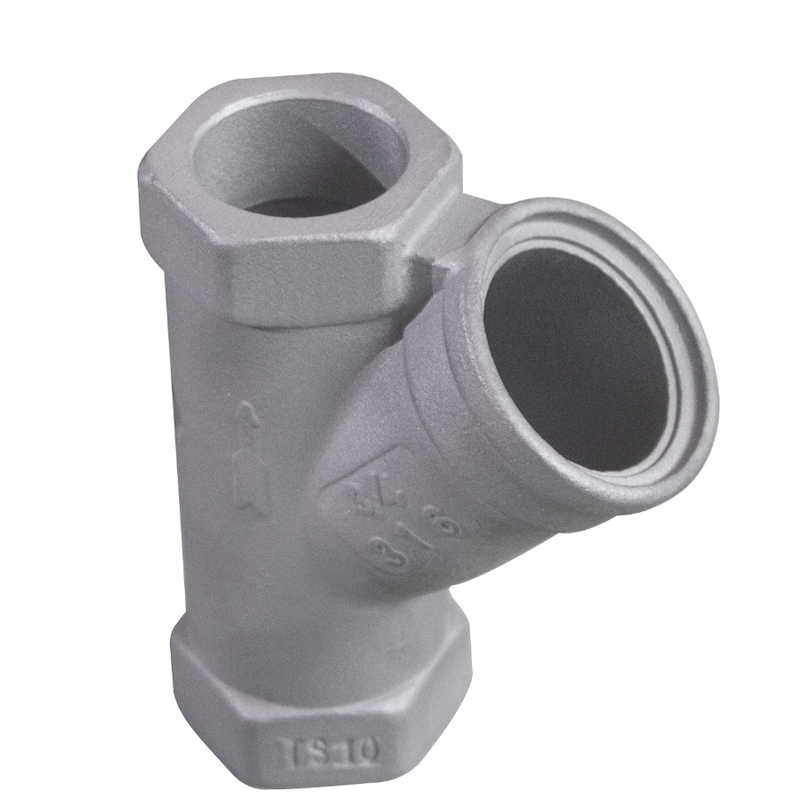
Turnkey stainless steel casting represents a comprehensive manufacturing solution that delivers complete metal components from initial design through final production. This integrated approach combines advanced casting techniques with full-service project management, providing customers with finished stainless steel parts ready for immediate implementation. The main function of turnkey stainless steel casting involves transforming raw stainless steel alloys into precisely engineered components through investment casting, sand casting, or lost wax processes, while managing every production stage under one coordinated system. Technological features include computer-aided design integration, precision mold creation, controlled melting and pouring operations, heat treatment capabilities, and comprehensive finishing services such as machining, polishing, and surface treatment. The process begins with collaborative design consultation, progresses through prototype development, continues with full-scale production, and concludes with quality inspection and delivery, eliminating the need for customers to coordinate multiple vendors. Applications span numerous industries including marine equipment, food processing machinery, chemical processing plants, pharmaceutical production facilities, architectural hardware, automotive components, aerospace parts, and medical devices. The stainless steel material itself offers exceptional corrosion resistance, making it ideal for harsh environments, while maintaining structural integrity across wide temperature ranges. Manufacturing facilities specializing in turnkey stainless steel casting typically maintain certifications for quality management systems, enabling production of components meeting stringent regulatory requirements. The casting process accommodates complex geometries that would be difficult or impossible to achieve through other manufacturing methods, allowing designers greater freedom in creating functional, efficient parts. Weight considerations benefit from the ability to cast thin walls and intricate internal passages, reducing material usage without compromising strength. Surface finish options range from as-cast textures to mirror-polished appearances, depending on application requirements. The turnkey approach streamlines communication, accelerates project timelines, and ensures consistent quality throughout the manufacturing cycle, making it an attractive option for businesses seeking reliable, high-performance metal components.

Popular Products

Choosing turnkey stainless steel casting delivers significant practical benefits that directly impact your bottom line and operational efficiency. First, you gain substantial time savings by working with a single partner who handles every aspect of production from concept to completion. Rather than managing relationships with separate design firms, casting foundries, machining shops, and finishing specialists, you communicate with one dedicated team that coordinates all activities seamlessly. This consolidation eliminates delays caused by miscommunication between vendors and reduces the administrative burden on your staff. Second, cost control becomes more predictable and manageable when you receive comprehensive quotes covering the entire project scope. Hidden expenses disappear because all services are bundled together, allowing accurate budget planning from the start. Volume production often becomes more economical as the streamlined process reduces handling, transportation, and overhead costs that accumulate when components move between multiple facilities. Third, quality consistency improves dramatically when one organization maintains responsibility for the complete manufacturing sequence. Specifications remain constant throughout production, and any adjustments are implemented uniformly across all process stages. Quality control protocols are applied continuously rather than at disconnected checkpoints, catching potential issues before they become costly problems. Fourth, design optimization occurs naturally when casting experts collaborate with you during the initial planning phase. Their manufacturing knowledge helps refine component geometry for better performance, reduced weight, and lower production costs. Suggestions for material selection, wall thickness, and feature placement come from professionals who understand how design decisions affect manufacturing outcomes. Fifth, faster turnaround times result from coordinated scheduling across all production departments. Projects flow smoothly from one stage to the next without waiting for external vendors to align their schedules. Rush orders can be accommodated more easily when all resources operate within a unified system. Sixth, intellectual property protection strengthens when fewer organizations access your proprietary designs. Keeping sensitive information within one facility reduces the risk of unauthorized disclosure. Seventh, problem resolution becomes simpler and faster because accountability rests with a single entity. If issues arise, you have one point of contact who can investigate and implement solutions immediately. Eighth, long-term partnerships develop more naturally when you work repeatedly with the same team who learns your standards, preferences, and expectations over time. This familiarity translates into smoother project execution and proactive service that anticipates your needs before you articulate them.

Latest News

How Does a Precision Investment Casting Manufacturer Ensure Consistent Quality Across Global Supply Chains?

05

Jun

How Does a Precision Investment Casting Manufacturer Ensure Consistent Quality Across Global Supply Chains?

In today's interconnected industrial landscape, sourcing complex metal components across international borders presents a formidable quality challenge. the manufacturer must navigate an intricate web of raw material sourcing, multi-stage production c...
View More
Why Do Manufacturers Prefer a Silica Sol Investment Casting Supplier for Complex Metal Parts?

05

Jun

Why Do Manufacturers Prefer a Silica Sol Investment Casting Supplier for Complex Metal Parts?

When precision, surface quality, and dimensional accuracy are non-negotiable, manufacturers consistently turn to a trusted silica sol investment casting supplier. This decision is rarely arbitrary. It is driven by a deep understanding of what silica ...
View More
How Should Buyers Choose a Reliable Medium Temperature Wax Casting Service Provider?

26

Jun

How Should Buyers Choose a Reliable Medium Temperature Wax Casting Service Provider?

Selecting the right manufacturing partner for medium temperature wax casting is one of the most consequential decisions a procurement professional or product engineer can make. The process, which involves injecting wax into precision dies at carefull...
View More
How Do OEM ODM Precision Casting Services Support Flexible Design and Rapid Prototyping?

26

Jun

How Do OEM ODM Precision Casting Services Support Flexible Design and Rapid Prototyping?

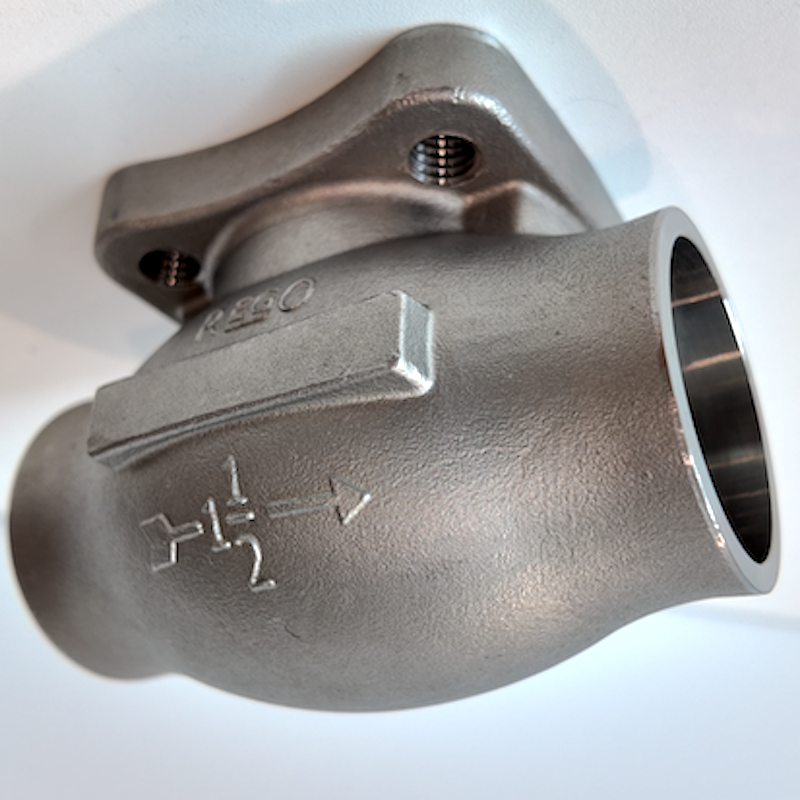
Figure 1: Custom Valve Body Fabricated via Precision Investment Casting, Featuring Crisp Surface Details and Net-Shape Integrity. In today's fast-evolving manufacturing landscape, the ability to move from concept to production-ready component quickly...
View More

Get a Free Quote

Our representative will contact you soon.
Email
Name
Mobile
Company Name
Message
0/1000

turnkey stainless steel casting

Complete Project Management from Design to Delivery

Complete Project Management from Design to Delivery

The comprehensive nature of turnkey stainless steel casting fundamentally transforms how businesses approach component manufacturing by integrating every production phase into one seamless operation. This complete project management approach begins with initial consultation where experienced engineers review your requirements, understand your application demands, and provide technical guidance on material selection and design optimization. During this collaborative phase, casting specialists apply their extensive knowledge to recommend design modifications that enhance manufacturability, improve performance, and reduce costs without compromising functionality. Computer-aided design tools generate detailed three-dimensional models that allow visualization of the finished component before any physical production begins, enabling adjustments that prevent expensive mid-project changes. Prototype development follows, producing sample parts that verify design accuracy, test fit and function, and validate material properties under actual operating conditions. This critical step identifies potential improvements while investment in full production tooling remains minimal, protecting your budget and timeline. Once designs are finalized, production planning commences with scheduling that coordinates raw material procurement, mold preparation, casting operations, heat treatment cycles, machining sequences, and finishing processes. Sophisticated project management systems track progress through every stage, providing transparency and enabling proactive communication about milestone completion. Quality assurance integrates throughout the entire manufacturing sequence rather than occurring only at final inspection, with dimensional verification, material testing, visual examination, and non-destructive evaluation performed at appropriate intervals. This continuous monitoring ensures compliance with specifications and catches deviations before they propagate through subsequent operations. Surface finishing capabilities within the turnkey system include bead blasting, grinding, polishing, passivation, and specialized coatings, allowing customization of appearance and performance characteristics. Packaging and logistics services complete the turnkey offering, with components protected appropriately for shipping and delivered according to your schedule requirements. Documentation accompanies each shipment, providing material certifications, inspection reports, and traceability records that satisfy regulatory requirements and internal quality systems. The value of this integrated approach extends beyond convenience, fundamentally improving outcomes through coordinated execution, unified quality standards, and singular accountability that traditional multi-vendor approaches cannot match.
Superior Corrosion Resistance and Material Durability

Superior Corrosion Resistance and Material Durability

Stainless steel casting delivers exceptional corrosion resistance that makes it the material of choice for demanding environments where component longevity and reliability are paramount. The chromium content in stainless steel alloys forms a passive oxide layer on the surface that self-heals when damaged, providing continuous protection against rust, oxidation, and chemical attack. This inherent corrosion resistance eliminates the need for protective coatings or frequent replacement, reducing lifecycle costs and maintenance requirements significantly. Marine applications benefit tremendously from this durability, with components exposed to saltwater environments maintaining structural integrity and appearance for decades without degradation. Chemical processing facilities rely on stainless steel casting for pumps, valves, and piping systems that contact corrosive substances daily, knowing the material will withstand acids, alkalis, and solvents that destroy conventional metals. Food and pharmaceutical industries require materials that resist contamination and survive repeated cleaning with harsh sanitizing agents, making stainless steel casting ideal for mixing equipment, processing vessels, and transfer systems. Temperature stability represents another critical advantage, as stainless steel maintains strength and dimensional accuracy across extreme temperature ranges from cryogenic applications to high-heat environments. Components cast from stainless steel do not become brittle in freezing conditions nor soften excessively under elevated temperatures, ensuring reliable performance regardless of operating conditions. The casting process itself contributes to material performance by producing components with uniform grain structure and consistent mechanical properties throughout the entire part, eliminating weak points that might exist in welded assemblies or fabricated alternatives. Strength-to-weight ratios achieved through precision casting allow engineers to design lighter components that maintain required load-bearing capabilities, improving efficiency in mobile applications and reducing support structure requirements in stationary installations. Aesthetic durability complements functional performance, as stainless steel retains its attractive appearance over time without fading, staining, or discoloration. Architectural applications capitalize on this lasting beauty, with cast stainless steel fixtures, railings, and decorative elements maintaining their visual appeal throughout their service life. The combination of corrosion resistance, temperature stability, mechanical strength, and aesthetic permanence creates compelling value for customers seeking components that perform reliably, require minimal maintenance, and deliver excellent return on investment over extended operational periods.
Complex Geometry Capabilities and Design Freedom

Complex Geometry Capabilities and Design Freedom

Turnkey stainless steel casting unlocks unprecedented design freedom, enabling the production of complex geometries that would be prohibitively expensive or technically impossible using alternative manufacturing methods. The casting process accommodates intricate internal passages, undercuts, thin-walled sections, and compound curves that cannot be achieved through machining alone, allowing engineers to design components that optimize fluid flow, minimize weight, and integrate multiple functions into single parts. Investment casting techniques produce exceptional dimensional accuracy with smooth surface finishes, reducing or eliminating secondary machining operations while maintaining tight tolerances essential for proper fit and function. This capability proves especially valuable for components requiring internal channels for cooling, lubrication, or fluid transfer, as these features can be cast directly into the part rather than drilled or assembled from multiple pieces. Consolidating several components into one cast piece reduces assembly time, eliminates potential leak points at joints, and improves overall reliability by removing mechanical fasteners that can loosen over time. Weight reduction becomes achievable through strategic material placement, casting thick sections only where strength is required while using thin walls elsewhere to minimize mass without sacrificing structural integrity. Aerospace and automotive applications leverage this advantage to improve fuel efficiency and performance, while portable equipment benefits from reduced operator fatigue and easier handling. The ability to cast net-shape or near-net-shape components minimizes material waste compared to subtractive manufacturing processes that remove large amounts of metal to achieve final geometry. This efficiency translates directly into cost savings, particularly for expensive stainless steel alloys where material represents a significant portion of total component cost. Prototyping complex geometries becomes more practical and affordable through casting, as design iterations can be evaluated physically without investing in elaborate machining setups or specialized tooling. Functional testing of prototypes provides real-world performance data that computer simulations cannot fully replicate, ensuring designs meet all requirements before committing to production quantities. Artistic and decorative applications benefit from the ability to reproduce fine details, textures, and sculptural forms that express brand identity or architectural vision. The turnkey approach ensures that complex geometries are not only castable but also manufacturable within practical timelines and budgets, as experienced engineers guide design development with manufacturing expertise that prevents costly redesigns and production delays while maximizing the creative possibilities that stainless steel casting technology offers.

Get a Free Quote

Our representative will contact you soon.
Email
Name
Mobile
Company Name
Message
0/1000