Turnkey Stainless Steel Casting Services - Complete Manufacturing Solutions for Precision Components

Get a Free Quote

Our representative will contact you soon.
Email
Name
Company Name
Message
0/1000

turnkey stainless steel casting

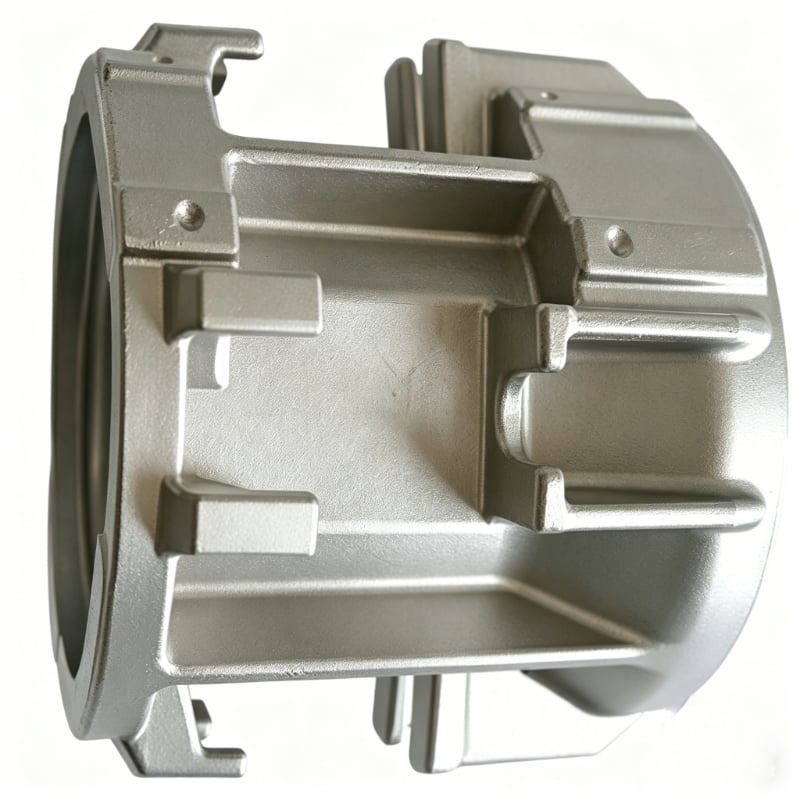
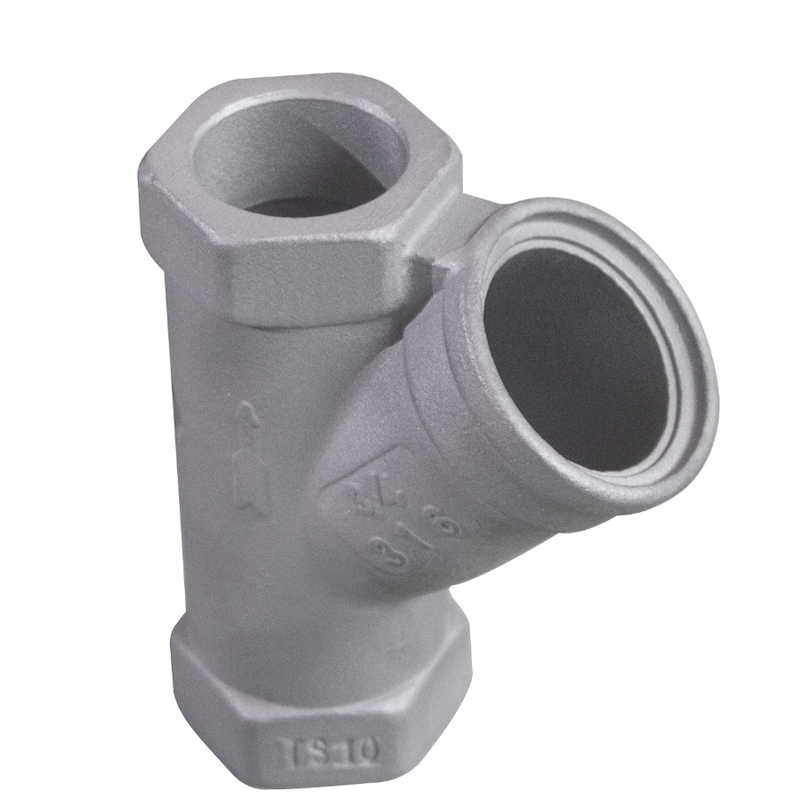
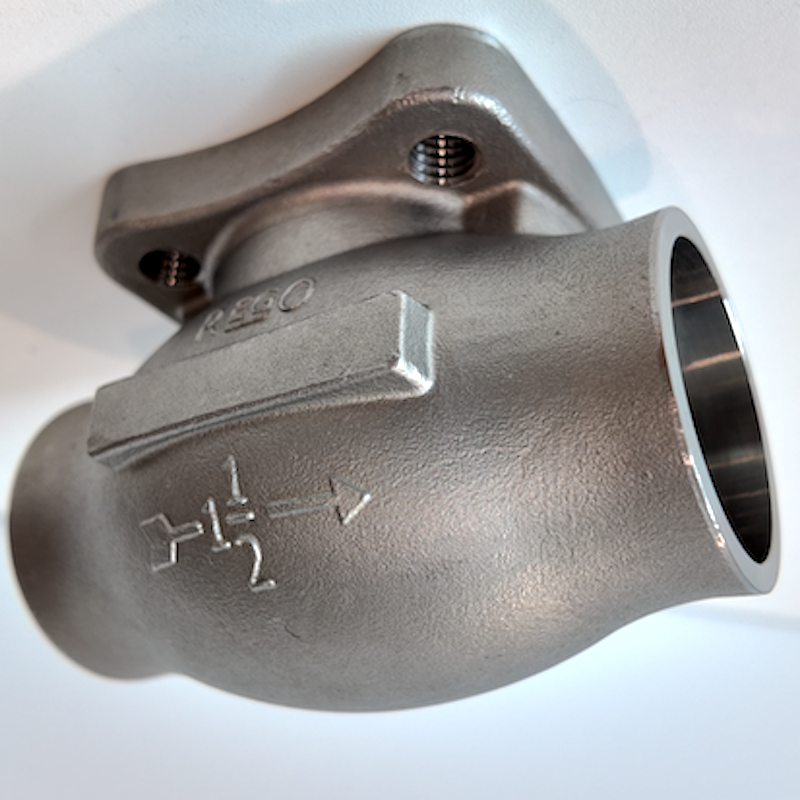
Turnkey stainless steel casting represents a comprehensive manufacturing solution that encompasses the entire production cycle from initial design conceptualization through final product delivery. This integrated approach combines advanced metallurgical expertise with precision engineering to create complex stainless steel components that meet exacting specifications. The main functions of turnkey stainless steel casting include transforming raw stainless steel alloys into finished parts through controlled melting, pouring, solidification, and finishing processes. This method excels at producing intricate geometries that would be difficult or impossible to achieve through machining alone, making it invaluable for creating everything from small precision components to large industrial equipment parts. The technological features distinguish turnkey stainless steel casting from conventional manufacturing methods. Investment casting, also known as lost-wax casting, enables the production of components with exceptional surface finishes and dimensional accuracy. Sand casting techniques accommodate larger components while maintaining cost-effectiveness for medium to high-volume production runs. Advanced simulation software allows engineers to predict material flow, identify potential defects, and optimize gating systems before actual production begins. Modern facilities incorporate spectrographic analysis equipment to verify alloy composition, X-ray inspection systems to detect internal flaws, and coordinate measuring machines to ensure dimensional conformity. The applications for turnkey stainless steel casting span numerous industries where corrosion resistance, strength, and aesthetic appeal are paramount. Medical device manufacturers rely on this process for surgical instruments and implantable components. The food processing industry utilizes cast stainless steel for sanitary equipment that withstands harsh cleaning chemicals and temperature extremes. Marine applications benefit from the superior corrosion resistance of stainless steel castings in saltwater environments. Automotive and aerospace sectors employ these components where weight reduction and durability are critical factors. Chemical processing plants depend on stainless steel castings for valves, pumps, and reactor vessels that handle aggressive substances safely and reliably over extended service lives.

New Products

Choosing turnkey stainless steel casting delivers substantial practical benefits that directly impact your bottom line and product quality. The comprehensive nature of this service eliminates the complexity of coordinating multiple vendors, as one experienced partner manages every step from pattern making through final inspection. This streamlined approach saves you considerable time that would otherwise be spent managing different suppliers, negotiating contracts, and resolving communication gaps between separate entities. You gain a single point of contact who understands your complete project requirements and takes responsibility for delivering finished components that meet your specifications exactly. Cost predictability becomes significantly easier when working with a turnkey provider. Instead of receiving separate quotes for tooling, casting, heat treatment, machining, and finishing operations, you receive one comprehensive price that encompasses all necessary processes. This transparency helps you budget accurately and avoid unexpected expenses that can arise when multiple contractors are involved. The economies of scale that turnkey providers achieve through integrated operations often result in lower overall costs compared to sourcing services separately. Quality consistency improves dramatically because one team controls every production variable. The same technicians who create your molds also monitor the casting process, perform heat treatments, and conduct final inspections. This continuity ensures that knowledge gained during early production stages informs later operations, leading to continuous improvement and fewer defects. When issues do arise, resolution happens faster because the entire production history resides within one facility, making root cause analysis more efficient and corrective actions more effective. Faster time to market represents another significant advantage. Turnkey providers optimize workflow between different manufacturing stages, eliminating idle time that occurs when parts transfer between separate facilities. Simultaneous engineering activities allow tooling fabrication to proceed while production planning finalizes, compressing overall project timelines. For businesses operating in competitive markets where being first matters, this speed advantage can be decisive. Material expertise specifically related to stainless steel alloys ensures optimal results. Turnkey specialists understand how different grades behave during casting, which heat treatments achieve desired mechanical properties, and which finishing techniques produce required surface characteristics. This deep knowledge prevents costly mistakes and ensures your components perform reliably in their intended applications. The flexibility to accommodate design changes during production provides valuable agility. When modifications become necessary, communicating with one partner and implementing adjustments across all affected processes happens more smoothly than coordinating changes across multiple independent contractors. This adaptability proves especially beneficial during prototype development and low-volume production runs where design refinement often continues alongside manufacturing.

Tips And Tricks

Basic Principles Of Design Of Precision Casting Gating System

11

May

Basic Principles Of Design Of Precision Casting Gating System

View More
Selection And Application Scope Of Hardness Tester

11

May

Selection And Application Scope Of Hardness Tester

View More
Stainless Steel Castings for Building Facade Systems

11

May

Stainless Steel Castings for Building Facade Systems

View More
Precision Stainless Steel Exhaust Manifold Casting Solution For Luxury Sedan - With Japanese First-Tier Car Brand

11

May

Precision Stainless Steel Exhaust Manifold Casting Solution For Luxury Sedan - With Japanese First-Tier Car Brand

View More

Get a Free Quote

Our representative will contact you soon.
Email
Name
Company Name
Message
0/1000

turnkey stainless steel casting

Complete Project Management From Concept to Delivery

Complete Project Management From Concept to Delivery

The comprehensive project management capability inherent in turnkey stainless steel casting eliminates the fragmented approach that plagues traditional manufacturing procurement. When you partner with a turnkey provider, you entrust your entire component production to a single experienced team that orchestrates every activity required to transform your design concept into finished parts. This begins with collaborative engineering consultations where specialists review your drawings, understand functional requirements, and suggest design optimizations that enhance castability while maintaining performance characteristics. Their expertise helps identify potential manufacturing challenges before production begins, saving you from costly redesigns and delays later in the process. The value of this unified management extends throughout pattern and tooling development. Skilled pattern makers create precise replicas using appropriate materials and construction methods suited to your production volume and complexity requirements. Tooling engineers design gating systems, risers, and mold configurations that ensure proper metal flow and solidification. Quality assurance personnel establish inspection protocols and acceptance criteria aligned with your specifications and industry standards. Production planning teams schedule operations to meet your delivery timelines while optimizing resource utilization. This orchestration continues through the actual casting operations where metallurgists select appropriate stainless steel grades, melting technicians achieve correct chemical compositions and pouring temperatures, and foundry workers execute the casting process with precision. Heat treatment specialists then apply thermal cycles that develop required mechanical properties such as hardness, tensile strength, and corrosion resistance. Machining teams perform secondary operations to achieve tight tolerances and create features impossible to cast directly. Surface finishing experts apply treatments ranging from basic deburring to mirror polishing depending on your aesthetic and functional needs. Throughout these stages, quality inspectors conduct dimensional checks, perform non-destructive testing, verify material certifications, and document compliance with your requirements. The culmination of this integrated approach is careful packaging and logistics coordination that ensures your components arrive safely at your facility ready for immediate use. This end-to-end responsibility means you avoid the coordination headaches, finger-pointing, and accountability gaps that emerge when multiple independent suppliers contribute to your project. When questions arise or adjustments become necessary, you communicate with one knowledgeable partner who understands your complete project history and can implement solutions efficiently across all affected operations.
Superior Material Properties and Performance Characteristics

Superior Material Properties and Performance Characteristics

Stainless steel castings produced through turnkey processes deliver exceptional material properties that directly translate to superior component performance and extended service life in demanding applications. The inherent corrosion resistance of stainless steel alloys becomes fully realized through proper casting techniques that maintain chemical composition integrity and develop optimal microstructures. Turnkey providers possess the metallurgical expertise to select the most appropriate alloy grade for your specific application requirements, whether that involves resisting acidic environments, withstanding high temperatures, maintaining strength at cryogenic conditions, or providing non-magnetic properties. Austenitic grades such as 304 and 316 offer excellent corrosion resistance and formability, making them ideal for food processing equipment, architectural components, and marine hardware. Martensitic grades deliver higher strength and hardness after heat treatment, serving applications like pump impellers, valve components, and wear-resistant machinery parts. Duplex stainless steels combine the beneficial characteristics of both austenitic and ferritic structures, providing superior strength and stress corrosion cracking resistance for oil and gas industry equipment, chemical processing vessels, and structural components in aggressive environments. The casting process itself contributes unique advantages over wrought stainless steel alternatives. Cast components can incorporate complex internal passages, undercuts, and geometric features that would require extensive machining or welding if fabricated from plate or bar stock. This design freedom enables engineers to optimize component functionality, reduce weight, and consolidate multiple pieces into single castings that eliminate potential leak paths and failure points. The solidification structure of properly cast stainless steel exhibits uniform grain distribution and minimal porosity when producers employ sound foundry practices including proper gating design, controlled cooling rates, and appropriate feeding systems. Turnkey providers enhance these inherent material benefits through comprehensive heat treatment capabilities that precisely control component properties. Solution annealing dissolves carbides and homogenizes the microstructure, maximizing corrosion resistance and ductility. Stress relieving reduces residual stresses from casting and machining operations, improving dimensional stability and reducing the risk of distortion during service. Precipitation hardening develops high strength in certain alloy grades through controlled aging treatments. The combination of material selection expertise, casting process control, and heat treatment precision ensures your stainless steel components achieve the mechanical properties, corrosion resistance, and dimensional stability required for reliable long-term performance in your specific application environment.
Cost Efficiency Through Integrated Manufacturing Operations

Cost Efficiency Through Integrated Manufacturing Operations

The economic advantages of turnkey stainless steel casting extend far beyond simple price comparisons, encompassing numerous factors that reduce your total cost of ownership and improve return on investment. Integrated manufacturing operations eliminate redundant handling, transportation, and administrative expenses that accumulate when sourcing casting, machining, and finishing services from separate suppliers. Each time components move between facilities, you incur packaging costs, freight charges, potential damage risks, and time delays that add no value to your product. Turnkey providers conduct all operations within a coordinated facility network, minimizing these non-value-added expenses while accelerating production timelines. The efficiency gains from process integration manifest in reduced lead times that lower your inventory carrying costs and improve cash flow. When one team controls the entire production sequence, they optimize transitions between operations, eliminate waiting periods for external services, and schedule activities to maximize throughput. This velocity proves especially valuable for businesses operating with just-in-time manufacturing philosophies or those serving markets where demand fluctuates unpredictably. Faster production cycles enable you to respond more quickly to customer orders, reduce safety stock requirements, and minimize obsolescence risks from engineering changes. Tooling investment optimization represents another significant cost advantage. Turnkey providers design patterns and molds with full knowledge of downstream machining and finishing requirements, ensuring casting geometries provide appropriate material stock where needed while minimizing excess material that wastes both raw materials and machining time. Their integrated perspective prevents the disconnects that occur when casting suppliers create molds without understanding subsequent operations, resulting in components that require excessive secondary processing or fail to provide adequate material for machining operations. Quality-related cost savings emerge from the comprehensive process control and accountability inherent in turnkey operations. Reduced defect rates mean fewer rejected parts, less scrap material, and minimal rework expenses. When the same organization controls all production variables, they identify and address quality issues more quickly, implement corrective actions more effectively, and achieve stable processes that deliver consistent results. This reliability reduces your incoming inspection burden, minimizes production disruptions from defective components, and protects your reputation with end customers. Volume flexibility provides economic benefits across your product lifecycle. Turnkey providers accommodate small prototype quantities during development phases without requiring minimum order commitments that force you to purchase excess inventory. As your product matures and volumes increase, their established processes and tooling scale efficiently to higher production rates while maintaining quality standards. This scalability eliminates the need to re-source components to different suppliers as quantities change, preserving continuity and avoiding qualification expenses.

Get a Free Quote

Our representative will contact you soon.
Email
Name
Company Name
Message
0/1000