đúc thép không gỉ trọn gói
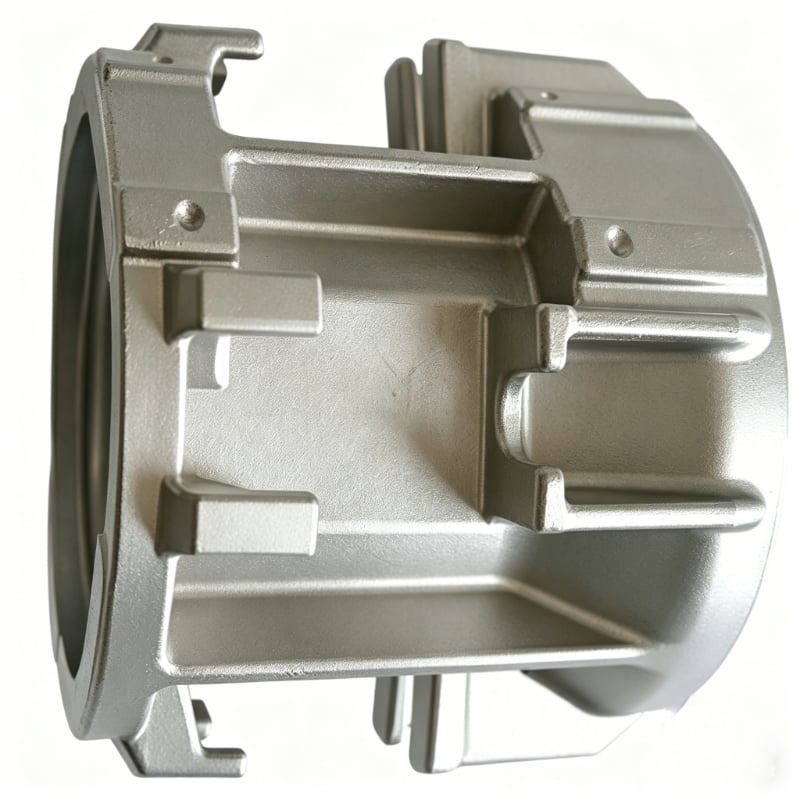
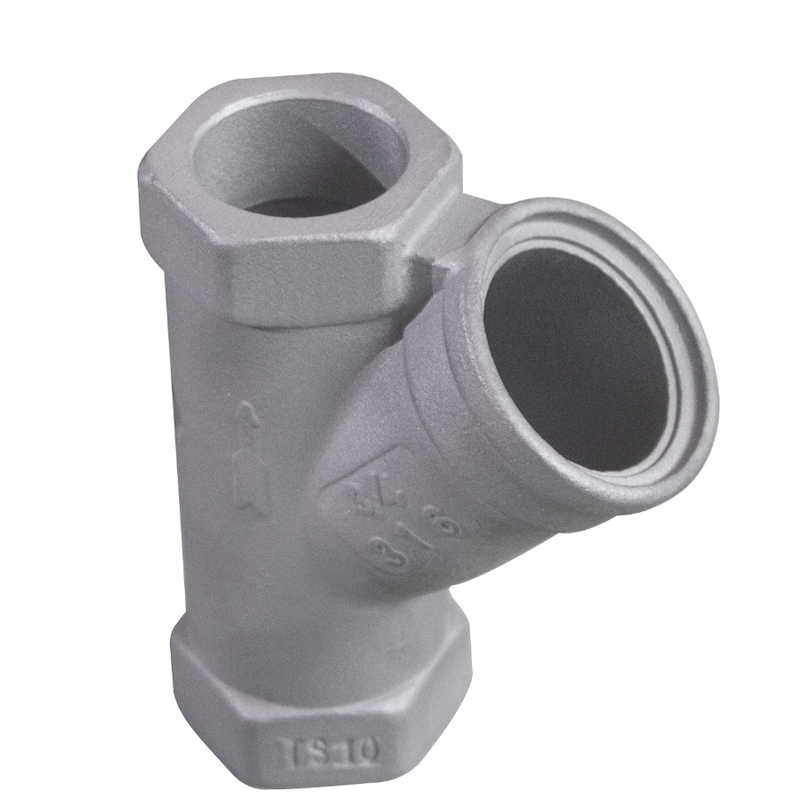
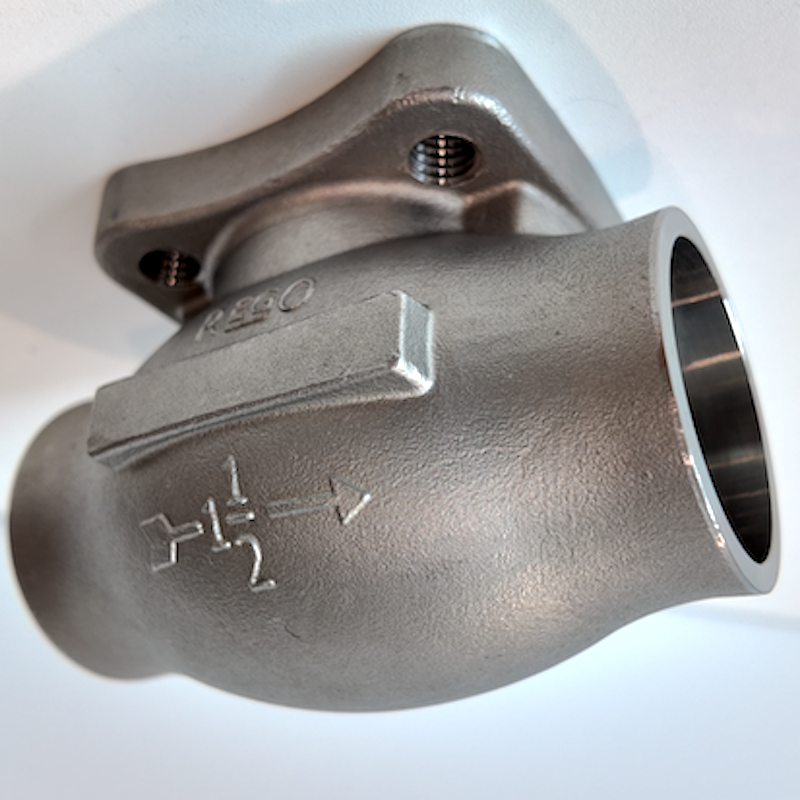
Dịch vụ đúc thép không gỉ trọn gói (turnkey) đại diện cho một giải pháp sản xuất toàn diện, cung cấp các bộ phận kim loại hoàn chỉnh từ giai đoạn thiết kế ban đầu cho đến sản xuất cuối cùng. Cách tiếp cận tích hợp này kết hợp các kỹ thuật đúc tiên tiến với dịch vụ quản lý dự án toàn diện, giúp khách hàng nhận được các chi tiết thép không gỉ đã hoàn thiện, sẵn sàng đưa vào sử dụng ngay lập tức. Chức năng chính của dịch vụ đúc thép không gỉ trọn gói là biến đổi các hợp kim thép không gỉ thô thành các bộ phận được thiết kế chính xác thông qua các quy trình đúc chính xác (investment casting), đúc trong khuôn cát (sand casting) hoặc đúc theo mẫu sáp chảy (lost wax), đồng thời quản lý mọi công đoạn sản xuất trong một hệ thống điều phối thống nhất. Các đặc điểm công nghệ bao gồm tích hợp thiết kế hỗ trợ bởi máy tính (CAD), tạo khuôn chính xác, vận hành nấu chảy và rót kim loại dưới sự kiểm soát chặt chẽ, khả năng xử lý nhiệt và các dịch vụ hoàn thiện toàn diện như gia công cơ khí, đánh bóng và xử lý bề mặt. Quy trình bắt đầu bằng tư vấn thiết kế hợp tác, tiếp theo là phát triển mẫu thử nghiệm, sau đó là sản xuất hàng loạt, và kết thúc bằng kiểm tra chất lượng và giao hàng — nhờ đó loại bỏ nhu cầu của khách hàng trong việc phối hợp với nhiều nhà cung cấp khác nhau. Các ứng dụng của phương pháp này trải rộng trên nhiều ngành công nghiệp, bao gồm thiết bị hàng hải, máy móc chế biến thực phẩm, nhà máy xử lý hóa chất, cơ sở sản xuất dược phẩm, phụ kiện kiến trúc, bộ phận ô tô, linh kiện hàng không – vũ trụ và thiết bị y tế. Bản thân vật liệu thép không gỉ sở hữu khả năng chống ăn mòn vượt trội, rất phù hợp cho các môi trường khắc nghiệt, đồng thời duy trì độ bền cấu trúc trong phạm vi nhiệt độ rộng. Các cơ sở sản xuất chuyên về dịch vụ đúc thép không gỉ trọn gói thường đạt các chứng nhận về hệ thống quản lý chất lượng, đảm bảo khả năng sản xuất các bộ phận đáp ứng các yêu cầu quy định khắt khe. Quy trình đúc có thể thực hiện được các hình dạng phức tạp mà các phương pháp sản xuất khác khó hoặc không thể đạt được, từ đó mang lại cho nhà thiết kế sự tự do lớn hơn trong việc tạo ra các chi tiết vừa chức năng vừa hiệu quả. Về yếu tố trọng lượng, khả năng đúc thành các vách mỏng và các khoang nội thất tinh xảo giúp giảm lượng vật liệu tiêu thụ mà không làm giảm độ bền. Các tùy chọn độ nhẵn bề mặt dao động từ bề mặt thô sau khi đúc đến bề mặt bóng gương, tùy thuộc vào yêu cầu cụ thể của ứng dụng. Cách tiếp cận trọn gói giúp đơn giản hóa giao tiếp, đẩy nhanh tiến độ thực hiện dự án và đảm bảo chất lượng ổn định xuyên suốt chu kỳ sản xuất, do đó trở thành lựa chọn hấp dẫn đối với các doanh nghiệp đang tìm kiếm các bộ phận kim loại đáng tin cậy và hiệu suất cao.

 EN
EN