Πλήρης εξασφάλιση ποιότητας και πρωτόκολλα δοκιμών
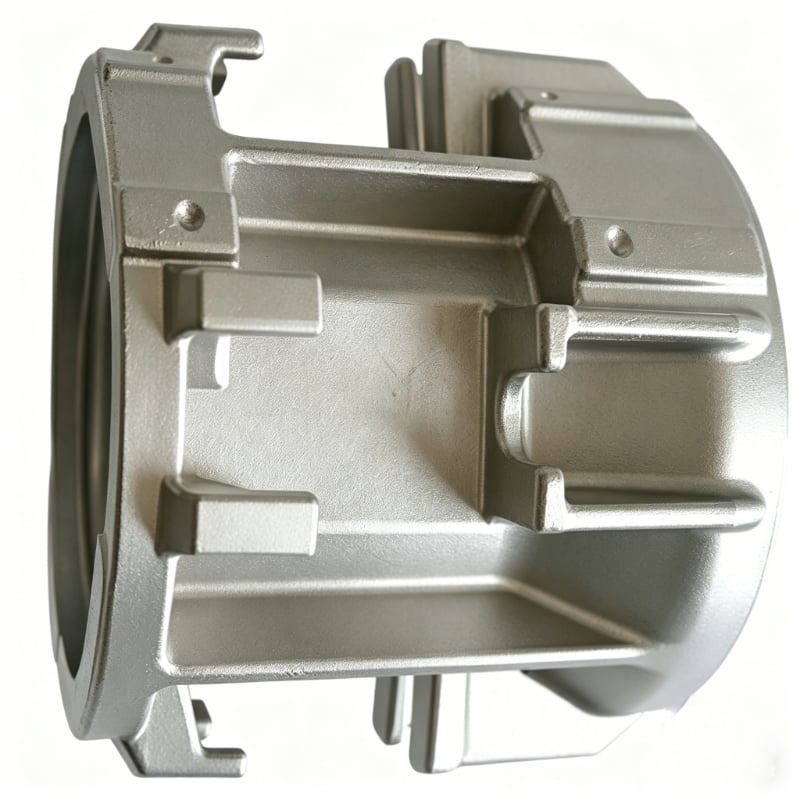
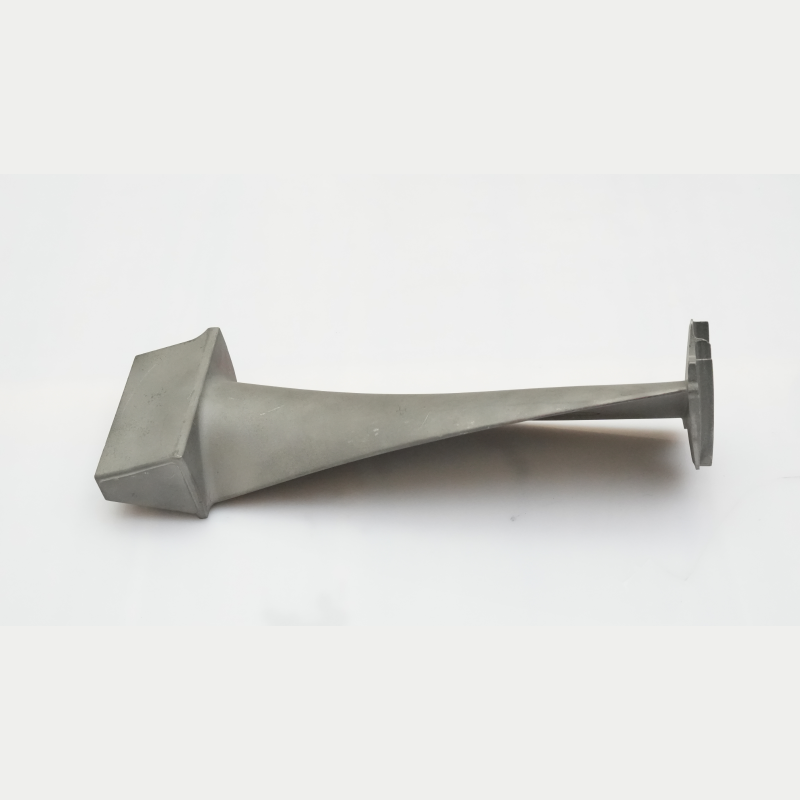
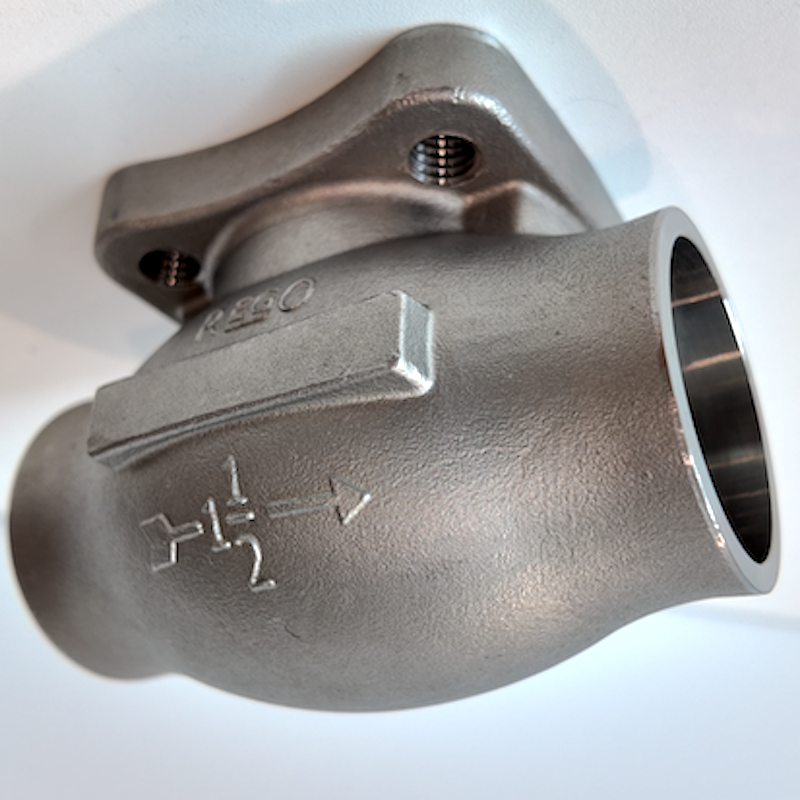
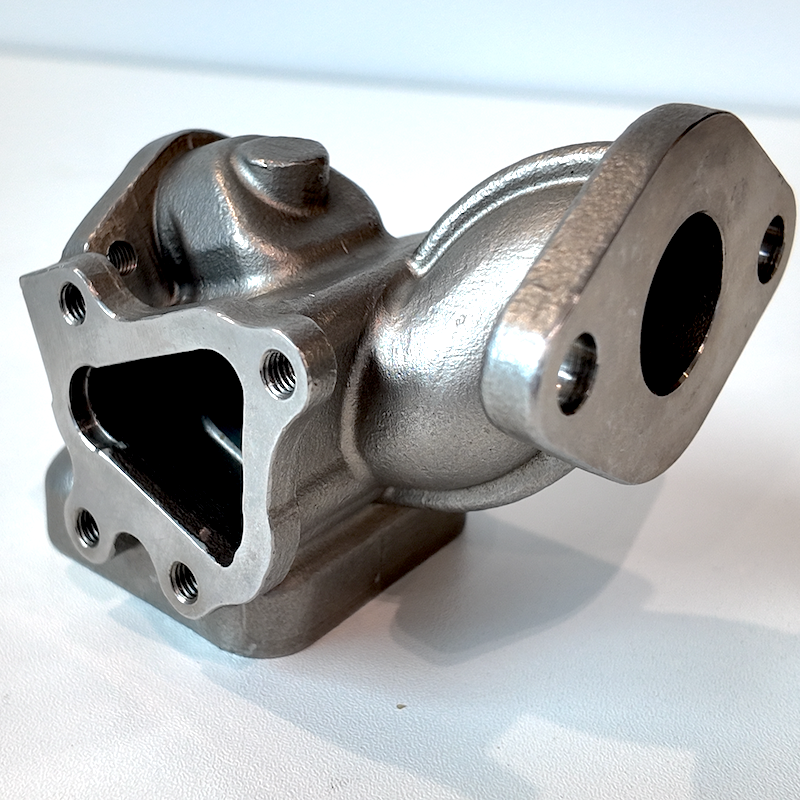
Οι διακεκριμένοι προμηθευτές εκχυτευμάτων για υγρή ψύξη διαφοροποιούνται από τους βασικούς κατασκευαστές μέσω αυστηρών συστημάτων εξασφάλισης ποιότητας και ολοκληρωμένων πρωτοκόλλων δοκιμών που επαληθεύουν την απόδοση προτού τα εξαρτήματα φτάσουν στις εγκαταστάσεις των πελατών. Η ποιότητα ξεκινά στο επίπεδο του χυτήρα, όπου οι έλεγχοι διαδικασίας παρακολουθούν κρίσιμες παραμέτρους, όπως η θερμοκρασία χύτευσης, οι ρυθμοί ψύξης και οι συνθήκες του καλουπιού, οι οποίες επηρεάζουν την ακεραιότητα της εκχύτευσης και την ακρίβεια των διαστάσεων. Οι προηγμένοι προμηθευτές εφαρμόζουν μεθόδους στατιστικού ελέγχου διαδικασίας που εντοπίζουν τάσεις πριν οδηγήσουν σε εξαρτήματα εκτός προδιαγραφών, διασφαλίζοντας συνεχή ποιότητα σε όλες τις παραγωγικές σειρές. Οι μη καταστροφικές μέθοδοι δοκιμής, όπως η ακτινογραφία με ακτίνες Χ ή η υπερηχογραφική εξέταση, εντοπίζουν εσωτερική πορώδη, κοιλότητες συστολής ή εγκλείσματα που θα μπορούσαν να υπονομεύσουν τη δομική ακεραιότητα ή να δημιουργήσουν διαδρόμους διαρροής. Αυτός ο εσωτερικός έλεγχος ποιότητας διασφαλίζει ότι τα εκχυτεύματα διαθέτουν την απαιτούμενη υλική ακεραιότητα για αξιόπιστη μακροπρόθεσμη λειτουργία υπό πίεση και θερμικές κυκλικές φορτίσεις. Ο διαστατικός έλεγχος με μηχανές συντεταγμένων μετρήσεων επαληθεύει ότι τα κρίσιμα χαρακτηριστικά ανταποκρίνονται στις προδιαγραφές των σχεδίων, επιβεβαιώνοντας την κατάλληλη εφαρμογή με τα συνδεόμενα εξαρτήματα κατά τη συναρμολόγηση. Οι αξιόπιστοι προμηθευτές εκχυτευμάτων για υγρή ψύξη διατηρούν βαθμονομημένο εξοπλισμό μέτρησης, του οποίου η ιχνηλασιμότητα ανάγεται σε εθνικά πρότυπα, παρέχοντας τεκμηριωμένη επαλήθευση που ενισχύει την εμπιστοσύνη των πελατών. Ο έλεγχος υπό πίεση αποτελεί ίσως το πιο κρίσιμο βήμα επαλήθευσης της ποιότητας, όπου τα τελικά εκχυτεύματα υποβάλλονται σε υδροστατικό ή πνευματικό έλεγχο υπό πιέσεις υψηλότερες από τις μέγιστες λειτουργικές. Αυτός ο δοκιμαστικός έλεγχος εντοπίζει οποιουσδήποτε διαδρόμους διαρροής που οφείλονται σε ελαττώματα εκχύτευσης, σφάλματα κατεργασίας ή ανεπαρκή στεγανοποίηση, επιτρέποντας τη διόρθωσή τους πριν από την αποστολή, αντί να ανακαλύπτονται αργότερα κατά την ενσωμάτωση από τον πελάτη. Οι δυνατότητες ροής σε προηγμένες εγκαταστάσεις προμηθευτών μετρούν την πραγματική κατανομή του ψυκτικού στις εξόδους, επαληθεύοντας ότι η ισορροπία της ροής ανταποκρίνεται στο σχεδιαστικό αντικείμενο και διασφαλίζοντας ομοιόμορφη απόδοση ψύξης σε εφαρμογές πολλαπλών ζωνών. Ορισμένοι προμηθευτές εκχυτευμάτων για υγρή ψύξη διαθέτουν επίσης δυνατότητες θερμικού ελέγχου, όπου τα εκχυτεύματα λειτουργούν υπό προσομοιωμένες συνθήκες με ενσωματωμένη παρακολούθηση της θερμοκρασίας, επιβεβαιώνοντας την απόδοση μεταφοράς θερμότητας πριν από την έγκριση της παραγωγής. Αυτή η επένδυση σε δοκιμές αποδεικνύει τη δέσμευση του προμηθευτή για την παράδοση αποδεδειγμένης απόδοσης, αντί για θεωρητικές προβλέψεις. Τα έγγραφα που συνοδεύουν τα εκχυτεύματα υψηλής ποιότητας περιλαμβάνουν πιστοποιητικά υλικού, εκθέσεις διαστατικού ελέγχου και αποτελέσματα ελέγχου υπό πίεση, παρέχοντας ιχνηλασιμότητα που υποστηρίζει τα συστήματα ποιότητας των πελατών και τις απαιτήσεις συμμόρφωσης προς τη νομοθεσία. Για πελάτες σε ρυθμιζόμενους τομείς, όπως η βιοϊατρική τεχνολογία ή η αεροδιαστημική, αυτή η τεκμηρίωση είναι αποφασιστικής σημασίας για την έγκριση του προϊόντος και τη διατήρηση της συνεχούς συμμόρφωσης. Τα συστήματα εξασφάλισης ποιότητας που διατηρούν οι επαγγελματικοί προμηθευτές εκχυτευμάτων για υγρή ψύξη εκτείνονται πέραν του ελέγχου μεμονωμένων εξαρτημάτων και περιλαμβάνουν πρωτοβουλίες συνεχούς βελτίωσης που αναλύουν δεδομένα από το πεδίο, σχόλια πελατών και αποτελέσματα ανάλυσης αστοχιών. Αυτός ο κύκλος μάθησης οδηγεί σε βελτιώσεις των διαδικασιών και του σχεδιασμού, οι οποίες ωφελούν όλους τους πελάτες με την πάροδο του χρόνου. Η πιστοποίηση του προμηθευτή σε αναγνωρισμένα πρότυπα ποιότητας, όπως το ISO 9001, παρέχει επιπλέον εγγύηση ότι οι λειτουργίες του διέπονται από συστηματικές πρακτικές διαχείρισης ποιότητας. Όταν συνεργάζεστε με προμηθευτές εκχυτευμάτων για υγρή ψύξη που διατηρούν ολοκληρωμένα πρωτόκολλα ποιότητας, λαμβάνετε εξαρτήματα που έχουν αποδειχθεί ότι λειτουργούν αξιόπιστα, μειώνοντας τους κινδύνους ενσωμάτωσής σας και υποστηρίζοντας τη φήμη σας για την παράδοση αξιόπιστων προϊόντων στους πελάτες σας.

 EN
EN