Custom Wax Pattern Casting Services - Precision Metal Components Manufacturing

Get a Free Quote

Our representative will contact you soon.
Email
Name
Company Name
Message
0/1000

custom wax pattern casting

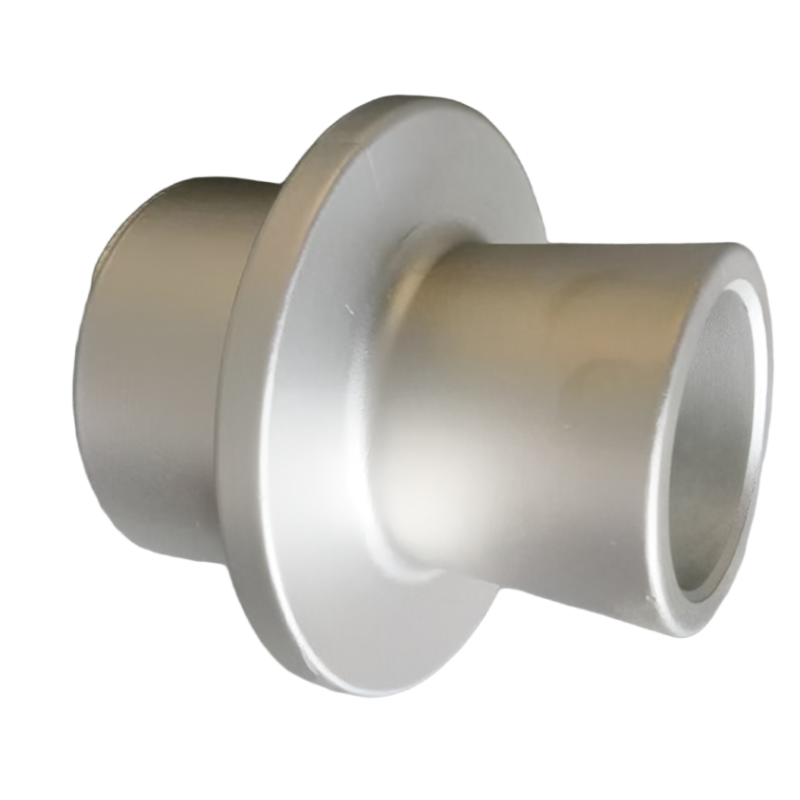
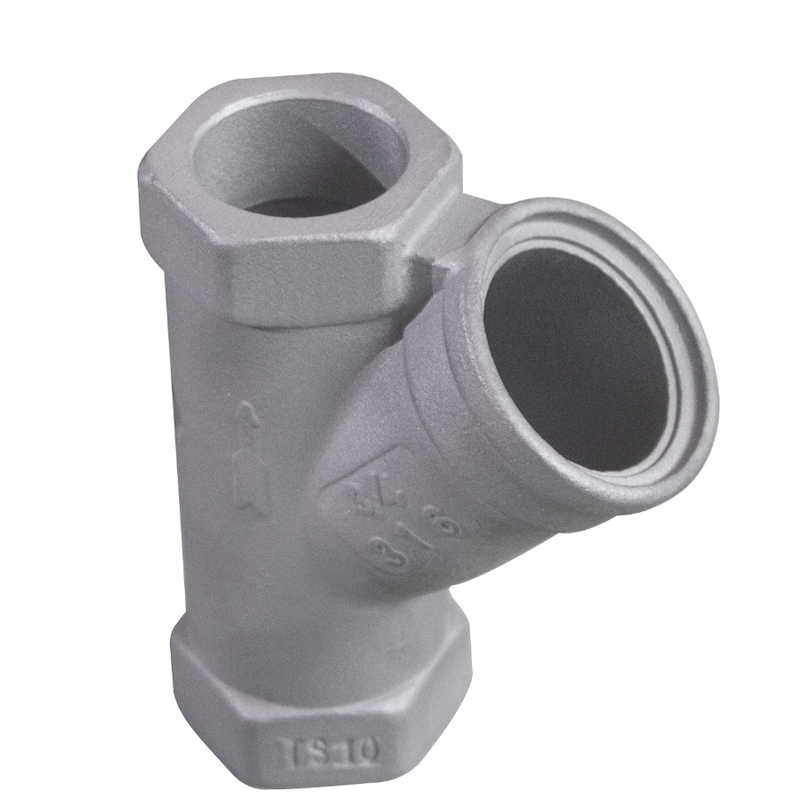
Custom wax pattern casting represents a sophisticated manufacturing process that combines traditional craftsmanship with modern precision engineering to produce intricate metal components. This specialized technique begins with creating detailed wax patterns that serve as exact replicas of the desired final product. The custom wax pattern casting method offers manufacturers exceptional flexibility in producing complex geometries that would be difficult or impossible to achieve through conventional machining processes. During the process, skilled technicians carefully inject molten wax into precisely engineered molds, allowing the material to cool and solidify into the exact shape required. These wax patterns are then assembled onto a central sprue system, creating a tree-like structure that enables multiple components to be cast simultaneously. The entire assembly receives several layers of ceramic slurry and stucco coating, building a strong shell around the wax patterns. Once the ceramic shell hardens completely, the assembly undergoes heating in an autoclave or furnace, causing the wax to melt and drain away, leaving behind a hollow ceramic mold. Molten metal is then poured into this cavity, filling every intricate detail that the original wax pattern defined. After the metal solidifies and cools, the ceramic shell is broken away, revealing the finished metal castings. Custom wax pattern casting finds extensive applications across numerous industries, including aerospace, automotive, medical devices, jewelry manufacturing, and industrial machinery. The process excels at producing components with tight tolerances, smooth surface finishes, and complex internal passages. Manufacturers particularly value this method for prototyping new designs, creating limited production runs, and manufacturing parts that require exceptional dimensional accuracy. The versatility of custom wax pattern casting allows for working with various metals and alloys, including stainless steel, aluminum, bronze, titanium, and precious metals, making it an indispensable manufacturing solution for diverse industrial requirements and specialized applications.

New Products

The custom wax pattern casting process delivers numerous practical benefits that directly impact your production efficiency and product quality. First and foremost, this method significantly reduces material waste compared to traditional machining operations. Instead of cutting away excess material from solid blocks, custom wax pattern casting creates components very close to their final dimensions, meaning you purchase and use only the metal you actually need. This efficiency translates directly into cost savings, especially when working with expensive alloys or precious metals. The process also eliminates the need for extensive secondary machining operations, saving both time and labor costs. You can produce parts with intricate internal cavities, undercuts, and complex geometries that would require multiple machining setups or would simply be impossible to create through conventional methods. Another significant advantage lies in the exceptional surface finish that custom wax pattern casting provides. Parts emerge from the process with smooth surfaces that often require minimal finishing work, reducing post-processing time and associated costs. The dimensional accuracy achieved through this method is remarkable, with tolerances typically ranging from plus or minus 0.005 inches, ensuring components fit properly in assemblies without extensive adjustments. This precision proves especially valuable when producing parts that must interface with other components in critical applications. The flexibility of custom wax pattern casting allows you to make design changes relatively easily and cost-effectively. If you need to modify a component, updating the wax injection mold costs considerably less than retooling for other manufacturing processes. This adaptability makes the process ideal for product development and testing phases. You can quickly iterate through design variations, test different configurations, and refine your products before committing to high-volume production. The process also excels at producing small to medium batch sizes economically. Unlike processes that require extensive setup costs and long production runs to be cost-effective, custom wax pattern casting remains economical even for limited quantities. This capability proves invaluable for spare parts production, replacement components, or specialized applications where demand volumes remain modest. Furthermore, the method accommodates a wide range of metals and alloys, giving you flexibility in material selection based on your specific performance requirements, environmental conditions, or regulatory standards. Whether you need corrosion resistance, high strength, temperature tolerance, or specific magnetic properties, custom wax pattern casting can work with materials that meet your specifications while maintaining the process advantages of precision and complexity.

Practical Tips

Selection And Application Scope Of Hardness Tester

11

May

Selection And Application Scope Of Hardness Tester

View More
The Role Of Elements In Castings And The Order Of Addition

11

May

The Role Of Elements In Castings And The Order Of Addition

View More
Stainless Steel Castings for Architectural Posts

11

May

Stainless Steel Castings for Architectural Posts

View More
Stainless Steel Castings for Building Facade Systems

11

May

Stainless Steel Castings for Building Facade Systems

View More

Get a Free Quote

Our representative will contact you soon.
Email
Name
Company Name
Message
0/1000

custom wax pattern casting

Exceptional Design Freedom and Complex Geometry Capabilities

Exceptional Design Freedom and Complex Geometry Capabilities

Custom wax pattern casting stands out prominently for its unparalleled ability to produce components with extraordinarily complex geometries that challenge or exceed the capabilities of virtually all other manufacturing methods. This remarkable design freedom stems from the fundamental nature of the process itself, where molten wax flows easily into every corner and detail of the mold cavity, capturing even the most intricate features with perfect fidelity. Engineers and designers can incorporate features such as internal cooling channels, complex curved surfaces, multiple intersecting passages, thin walls adjacent to thick sections, and organic shapes that would require prohibitively expensive machining or would simply be impossible to create through subtractive manufacturing techniques. The ability to cast components with undercuts, reverse draft angles, and internal structures means that products can be optimized for functionality rather than constrained by manufacturing limitations. Aerospace applications particularly benefit from this capability, where components often require internal cooling passages for turbine blades or lightweight structures with complex ribbing patterns that maximize strength while minimizing weight. Medical device manufacturers leverage this design freedom to create surgical instruments with ergonomic handles, intricate joint mechanisms, and internal channels for fluid delivery, all cast as single integrated components rather than assembled from multiple pieces. The custom wax pattern casting process also enables the incorporation of surface textures, logos, part numbers, and identification marks directly into the casting, eliminating secondary marking operations. Designers can optimize wall thicknesses throughout the component, placing material exactly where structural requirements demand it while reducing weight in less critical areas. This optimization capability proves especially valuable in applications where weight reduction directly impacts performance or operational costs, such as aerospace components, automotive parts, or portable medical equipment. The freedom to design without manufacturing constraints allows engineers to create biomimetic structures inspired by nature, lattice frameworks that provide strength with minimal mass, and flowing organic shapes that distribute stress more evenly than conventional geometric forms. This design liberty extends beyond external shapes to include internal features that enhance functionality, such as integrated mounting points, alignment features, and connecting elements that simplify assembly operations and reduce the total part count in complex mechanisms.
Superior Material Versatility and Metallurgical Properties

Superior Material Versatility and Metallurgical Properties

The custom wax pattern casting process demonstrates exceptional versatility in material selection, accommodating an extensive range of metals and alloys while maintaining excellent metallurgical properties in the finished components. This material flexibility allows manufacturers to select precisely the right alloy for each specific application, balancing factors such as mechanical strength, corrosion resistance, temperature tolerance, weight, magnetic properties, electrical conductivity, and cost considerations. Stainless steel alloys commonly used in custom wax pattern casting include austenitic grades that offer excellent corrosion resistance for medical implants and food processing equipment, martensitic grades that provide high strength for tooling applications, and precipitation-hardening varieties that deliver exceptional strength-to-weight ratios for aerospace components. Aluminum alloys processed through this method range from pure aluminum for electrical applications to high-strength aerospace grades that rival steel in specific strength while offering significant weight savings. Bronze and brass alloys cast through this process serve applications requiring wear resistance, such as bearings and bushings, or components demanding excellent thermal conductivity for heat exchangers and electronic housings. Titanium alloys processed via custom wax pattern casting deliver biocompatibility for medical implants, superior corrosion resistance for marine applications, and outstanding strength-to-weight ratios for aerospace structures operating in extreme temperature environments. Nickel-based superalloys cast through this method withstand extreme temperatures and corrosive environments in gas turbine engines, chemical processing equipment, and power generation systems. The casting process itself contributes to favorable metallurgical properties through controlled solidification that produces fine grain structures, uniform material properties throughout the component, and minimal porosity. Unlike welded fabrications that create heat-affected zones with altered properties, custom wax pattern casting produces monolithic components with consistent material characteristics from surface to core. This uniformity ensures predictable mechanical behavior under stress, fatigue loading, and thermal cycling. The process also accommodates specialized alloys developed for specific demanding applications, including cobalt-chrome alloys for medical implants and dental prosthetics, tool steels for dies and molds, and precious metal alloys for jewelry and electrical contacts. Material traceability remains excellent throughout the custom wax pattern casting process, with each batch of metal documented and certified, ensuring compliance with aerospace, medical, and other regulated industry standards. Post-casting heat treatments further enhance material properties, allowing manufacturers to optimize hardness, strength, ductility, and stress relief based on application requirements.
Cost-Effective Production for Complex Components and Short Runs

Cost-Effective Production for Complex Components and Short Runs

Custom wax pattern casting delivers exceptional economic value, particularly for complex components and small to medium production volumes where alternative manufacturing methods become prohibitively expensive or technically impractical. The cost advantages begin with tooling investments that remain significantly lower than those required for permanent mold casting, die casting, or forging operations. While precision machined components from solid stock might avoid tooling costs entirely, the material waste and extensive machining time quickly accumulate expenses that far exceed the modest tooling investment for custom wax pattern casting. The process achieves near-net-shape production, meaning components emerge from casting very close to their final dimensions, requiring minimal subsequent machining operations. This near-net-shape capability becomes increasingly valuable as part complexity increases, since each additional feature, cavity, or contour that must be machined adds setup time, specialized tooling, and programming costs. Components that might require dozens of machining operations across multiple setups can often be produced as-cast or with just a few finishing operations, dramatically reducing labor costs and production time. The economic advantages extend particularly strongly to small and medium production runs where the per-unit costs of alternative processes remain high due to setup requirements and minimum production quantities. Custom wax pattern casting maintains cost-effectiveness even for quantities as small as ten to fifty pieces, making it ideal for prototype production, spare parts manufacturing, legacy component replacement, and specialized applications with limited demand. The flexibility to produce economically at lower volumes also reduces inventory carrying costs, since manufacturers can produce components closer to actual demand rather than manufacturing large batches to achieve acceptable per-unit costs. Design modification costs remain reasonable with custom wax pattern casting compared to alternatives requiring expensive die modifications or complete retooling. If testing reveals that a component needs dimensional changes, feature additions, or geometry modifications, updating the wax pattern tooling typically costs a fraction of modifying forging dies or permanent molds. This modification flexibility proves especially valuable during product development phases when designs evolve through multiple iterations before finalization. The consolidated manufacturing approach of custom wax pattern casting also reduces costs by producing as a single component what might otherwise require assembly from multiple pieces. Parts that would need welding, brazing, or mechanical fastening can often be cast as integrated units, eliminating assembly labor, joining materials, quality inspection of joints, and potential failure points. Time-to-market advantages provide additional economic benefits, as custom wax pattern casting can move from design to production more quickly than processes requiring extensive tooling development, allowing companies to respond faster to market opportunities and competitive pressures.

Get a Free Quote

Our representative will contact you soon.
Email
Name
Company Name
Message
0/1000