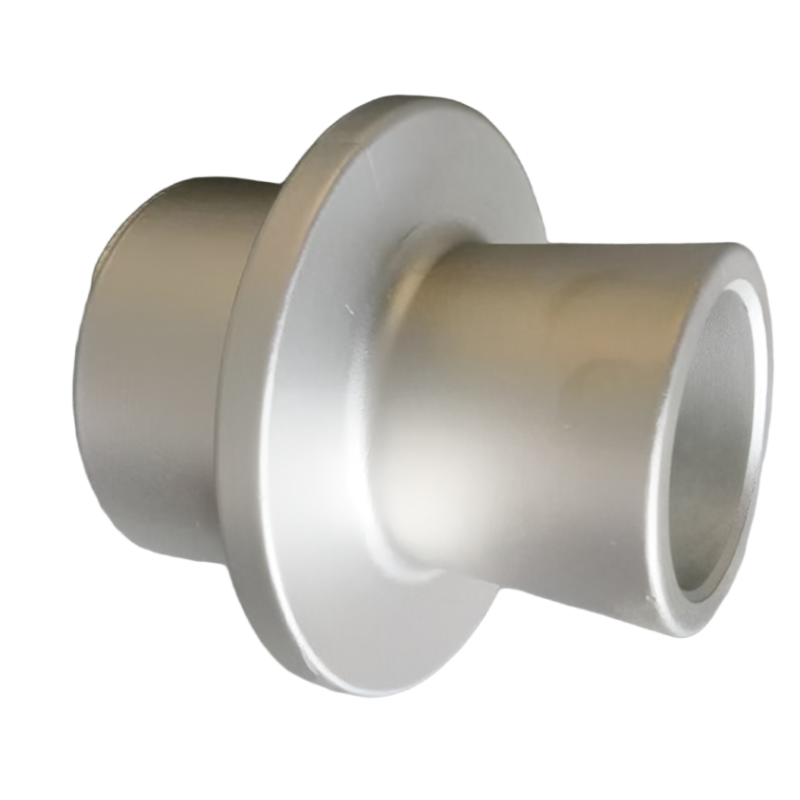
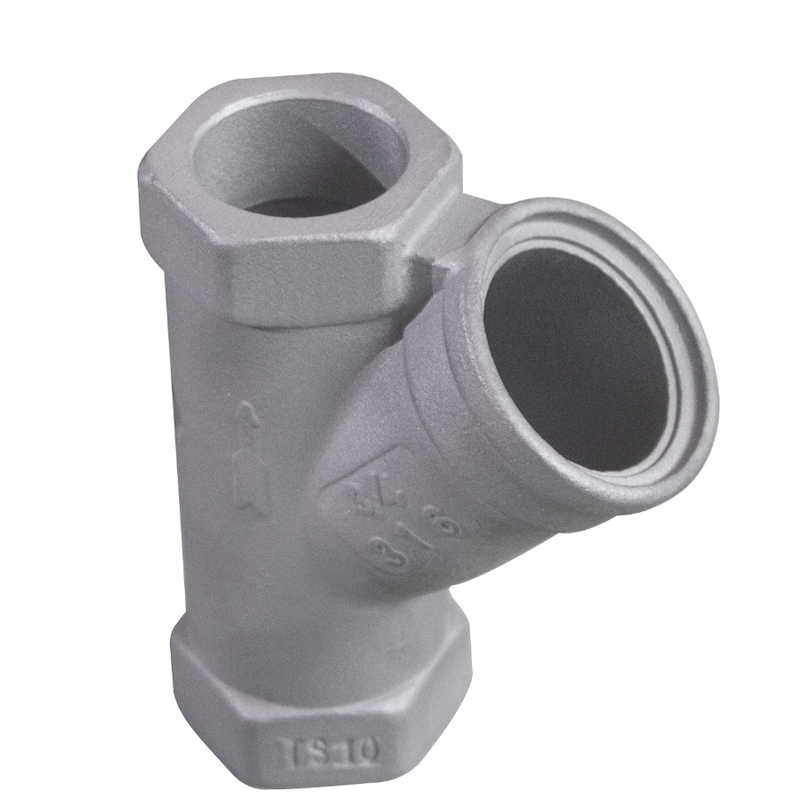
Exceptional Design Flexibility and Complexity Management
Custom wax pattern casting stands out in the manufacturing landscape primarily because of its unmatched ability to produce components with extraordinary complexity while maintaining precise dimensional control. This design flexibility empowers engineers and product developers to push creative boundaries without confronting the limitations imposed by traditional manufacturing techniques. When you work with custom wax pattern casting, you gain the freedom to incorporate intricate details, complex geometries, and sophisticated internal structures that would prove prohibitively expensive or technically impossible through machining, forging, or other conventional methods. Consider the challenge of creating a component with internal cooling channels, external mounting features, and aerodynamic contours all integrated into a single piece. Traditional approaches would require manufacturing multiple separate parts and assembling them through welding, bolting, or bonding, each connection introducing potential weakness and requiring additional labor. Custom wax pattern casting allows you to produce this entire assembly as one monolithic component, eliminating joints and reducing both manufacturing steps and failure risks. The process accommodates wall thickness variations within the same part, transitioning smoothly from thin sections measuring just a few millimeters to robust structural areas several centimeters thick. This capability proves invaluable when optimizing components for weight reduction while preserving strength in critical load-bearing zones. Undercuts, re-entrant angles, and features accessible only from specific directions present no obstacles, unlike machining operations where tool access dictates what geometries are achievable. Custom wax pattern casting enables designers to position features exactly where functional requirements demand without compromise. The technology supports both organic, flowing shapes mimicking natural forms and precise geometric configurations with sharp edges and defined angles. Surface textures, logos, part numbers, and decorative elements become integral to the casting rather than added through secondary operations, ensuring permanence and eliminating additional processing steps. For prototyping and product development, custom wax pattern casting facilitates rapid iteration because modifications happen at the pattern stage rather than requiring expensive retooling of production equipment. You can test different design variations, optimize performance characteristics, and refine aesthetics efficiently before committing to full-scale production.

 EN
EN