Professional Investment Casting Services - Precision Metal Casting Solutions for Complex Components

Get a Free Quote

Our representative will contact you soon.
Email
Name
Mobile
Company Name
Message
0/1000

investment casting services

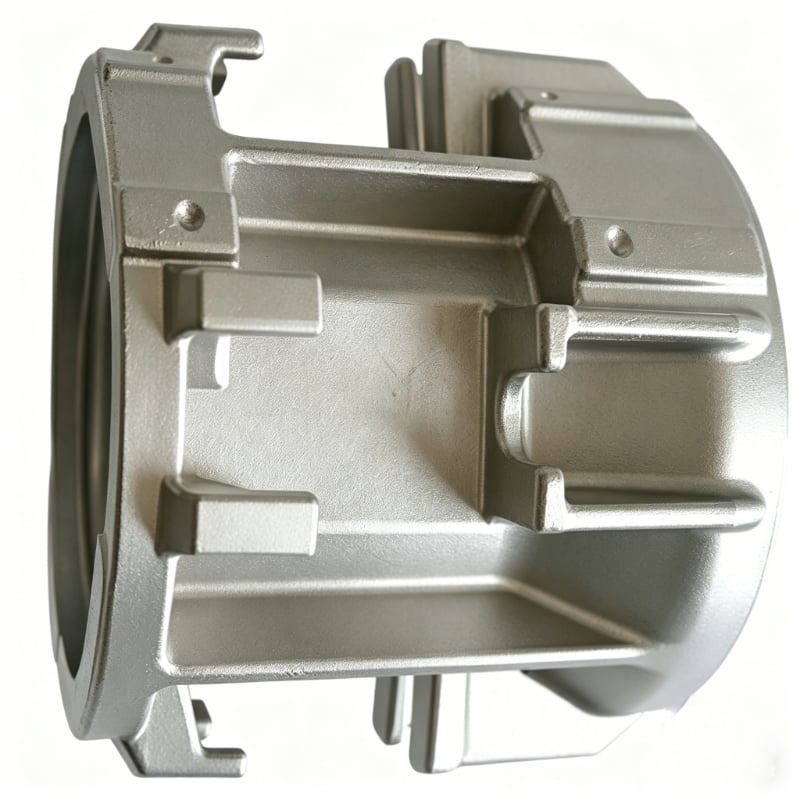
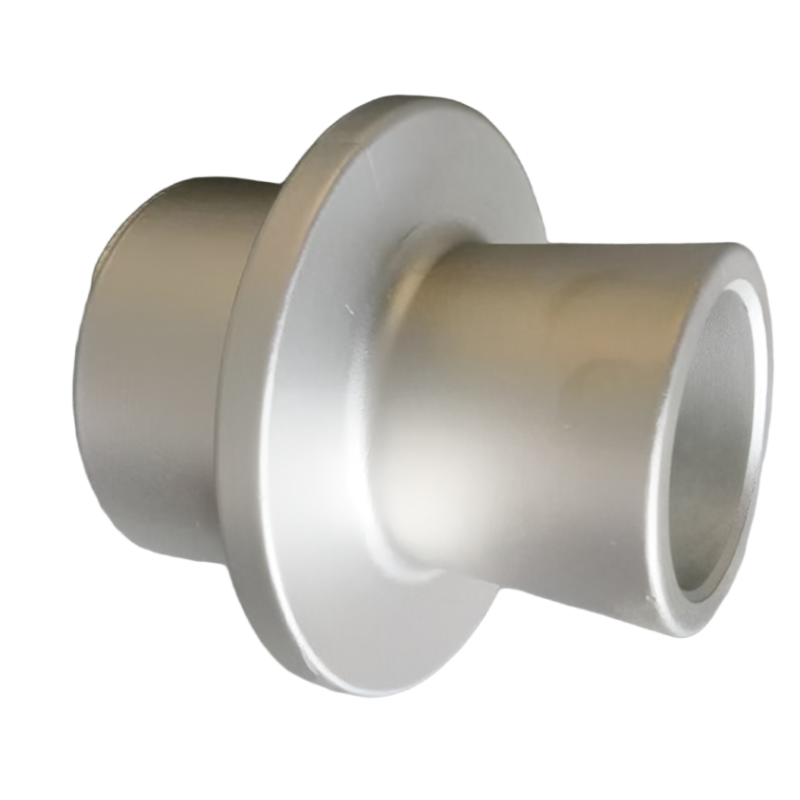
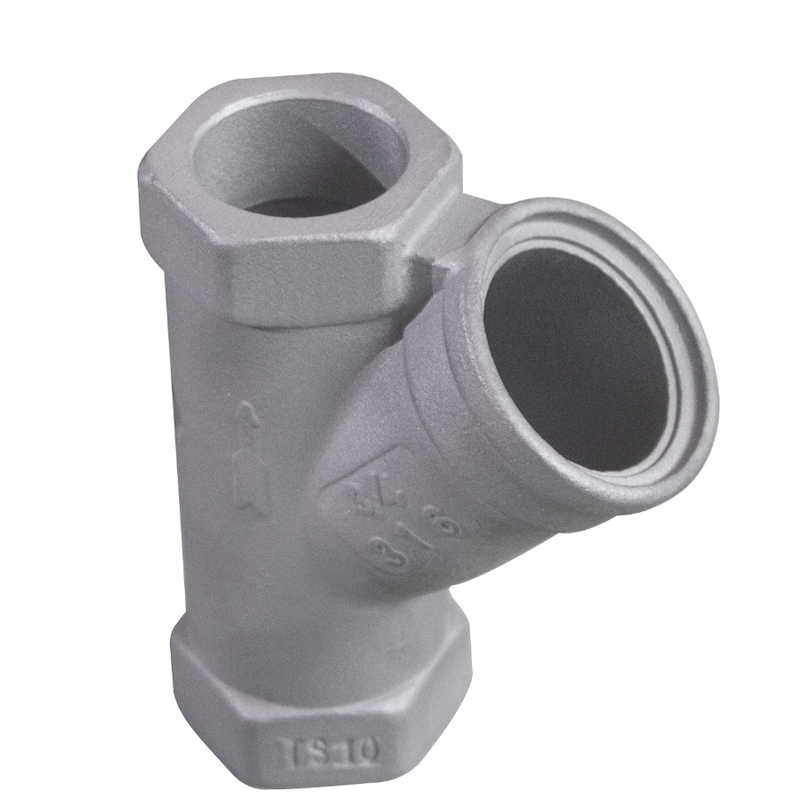
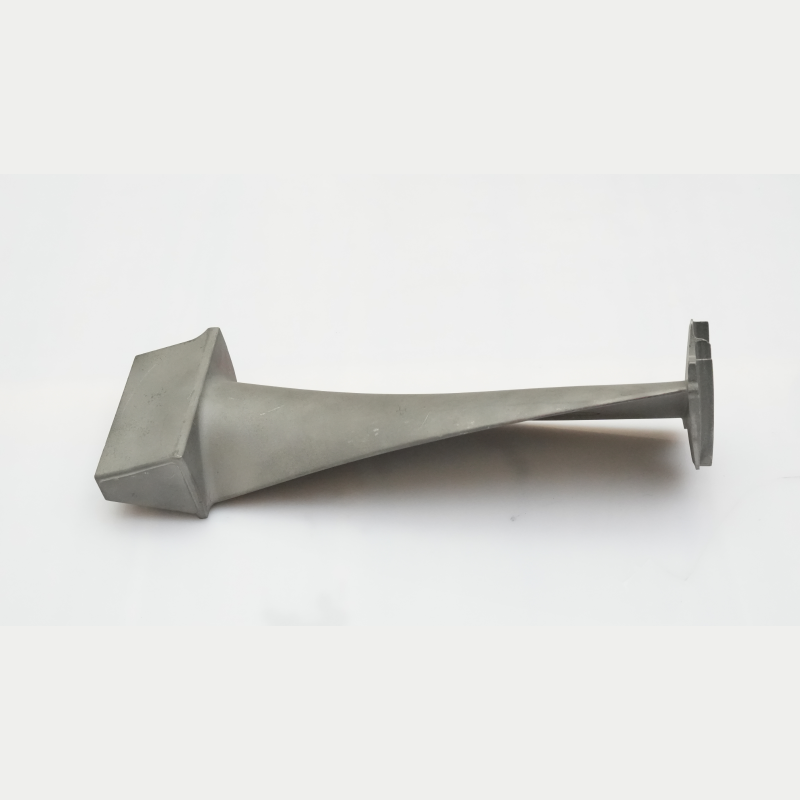
Investment casting services represent a sophisticated manufacturing process that transforms molten metal into precise, complex components through a specialized technique. This method begins with creating a detailed wax pattern that mirrors the final product exactly. Manufacturers coat this wax pattern with multiple layers of ceramic material, building a strong shell around it. Once the ceramic hardens, they heat the mold to remove the wax, leaving a hollow cavity. Molten metal pours into this cavity, taking the exact shape of the original pattern. After cooling and solidification, technicians break away the ceramic shell to reveal the finished metal part. Investment casting services deliver exceptional dimensional accuracy, producing parts with tolerances as tight as plus or minus 0.005 inches. The process accommodates virtually any metal alloy, including stainless steel, carbon steel, aluminum, bronze, and specialized superalloys. Manufacturers use investment casting services to create components ranging from tiny medical instruments weighing mere grams to large industrial parts exceeding 100 pounds. The technology excels at producing parts with intricate internal passages, thin walls, complex geometries, and fine surface details that other manufacturing methods cannot achieve economically. Industries worldwide depend on investment casting services for mission-critical components. Aerospace companies order turbine blades and structural fittings. Medical device manufacturers require surgical instruments and implantable components. Automotive producers need transmission parts and turbocharger housings. Energy sector clients order valve bodies and pump components. Defense contractors procure weapon system parts and vehicle components. The versatility of investment casting services makes them indispensable across manufacturing sectors, offering design flexibility that empowers engineers to optimize part performance without compromising on quality or increasing production costs significantly.

New Product Recommendations

Investment casting services provide manufacturers with numerous practical benefits that directly impact production efficiency and product quality. First, this process eliminates the need for extensive machining operations, saving both time and money. Traditional manufacturing often requires cutting away excess material, which wastes raw materials and increases labor costs. Investment casting services produce near-net-shape parts, meaning components emerge from the mold almost ready for use, requiring minimal finishing work. This reduction in secondary operations translates to faster delivery times and lower overall production expenses. Second, the process offers unmatched design freedom. Engineers can incorporate complex features directly into the casting design without worrying about tooling limitations. Undercuts, internal cavities, threads, logos, and intricate surface textures become achievable without additional operations. This design flexibility allows companies to consolidate multiple parts into single castings, reducing assembly requirements and potential failure points. Third, investment casting services deliver superior surface finish quality straight from the mold. Parts typically achieve surface roughness values between 125 and 250 microinches, which often eliminates grinding or polishing steps entirely. Fourth, the process ensures consistent repeatability across production runs. Each casting replicates the master pattern with remarkable fidelity, maintaining tight tolerances batch after batch. This consistency reduces quality control costs and minimizes rejection rates. Fifth, investment casting services accommodate both prototype quantities and high-volume production runs economically. Companies can test designs with small batches before committing to large-scale manufacturing, reducing development risks. Sixth, the process produces parts with excellent mechanical properties. The controlled solidification environment results in uniform grain structures and minimal porosity, yielding components with predictable strength and durability characteristics. Seventh, investment casting services reduce material waste significantly compared to subtractive manufacturing methods. The process uses only the metal needed for the final part plus the gating system, which can often be recycled. Eighth, manufacturers can cast multiple parts simultaneously in a single mold, maximizing production efficiency. This capability proves particularly valuable for small components where dozens or even hundreds can be produced in one casting cycle. Finally, investment casting services provide exceptional value for complex geometries where alternative manufacturing methods would prove prohibitively expensive or technically impossible, making sophisticated designs commercially viable for businesses of all sizes.

Practical Tips

Why Do Manufacturers Prefer a Silica Sol Investment Casting Supplier for Complex Metal Parts?

05

Jun

Why Do Manufacturers Prefer a Silica Sol Investment Casting Supplier for Complex Metal Parts?

When precision, surface quality, and dimensional accuracy are non-negotiable, manufacturers consistently turn to a trusted silica sol investment casting supplier. This decision is rarely arbitrary. It is driven by a deep understanding of what silica ...
View More
What Factors Affect Surface Finish Quality in Medium Temperature Wax Casting Processes?

05

Jun

What Factors Affect Surface Finish Quality in Medium Temperature Wax Casting Processes?

Surface finish quality is one of the most critical performance indicators in precision investment casting, and it is directly shaped by the variables embedded in the medium temperature wax casting process. Unlike standard casting methods, medium temp...
View More
How Should Buyers Choose a Reliable Medium Temperature Wax Casting Service Provider?

26

Jun

How Should Buyers Choose a Reliable Medium Temperature Wax Casting Service Provider?

Selecting the right manufacturing partner for medium temperature wax casting is one of the most consequential decisions a procurement professional or product engineer can make. The process, which involves injecting wax into precision dies at carefull...
View More
How Can OEM ODM Precision Casting Services Accelerate New Product Development Cycles?

26

Jun

How Can OEM ODM Precision Casting Services Accelerate New Product Development Cycles?

Bringing a new industrial product from concept to market is rarely a straightforward journey. Engineering teams face relentless pressure to compress timelines, reduce prototype iterations, and deliver production-ready components without sacrificing d...
View More

Get a Free Quote

Our representative will contact you soon.
Email
Name
Mobile
Company Name
Message
0/1000

investment casting services

Exceptional Precision and Complex Geometry Capabilities

Exceptional Precision and Complex Geometry Capabilities

Investment casting services stand apart from other manufacturing methods through their extraordinary ability to produce components with intricate geometries and exacting dimensional precision. This capability stems from the fundamental nature of the process itself, where liquid metal fills every detail of a ceramic mold cavity. The ceramic shell captures microscopic surface features from the wax pattern, transferring them faithfully to the final metal component. Manufacturers regularly achieve linear tolerances of plus or minus 0.005 inches per inch, with even tighter tolerances possible through careful process control. This precision level matches or exceeds what expensive CNC machining operations deliver, but investment casting services accomplish this directly in the casting process without time-consuming material removal. The process handles wall thicknesses as thin as 0.040 inches while maintaining structural integrity, enabling engineers to minimize component weight without sacrificing strength. Complex internal passages pose no challenge, as the wax pattern can incorporate cores and features that would be impossible to machine after the fact. Investment casting services produce parts with multiple intersecting holes, variable cross-sections, and organic flowing shapes that optimize fluid dynamics or stress distribution. Aerospace engineers exploit this capability to design turbine blades with internal cooling channels that improve engine efficiency. Medical device developers create surgical instruments with ergonomic handles and precisely angled working ends. Industrial equipment manufacturers produce valve bodies with smooth internal flow paths that minimize pressure drops. The technology also excels at incorporating multiple features into single castings, such as mounting bosses, alignment pins, threaded inserts, and identification markings. This feature consolidation eliminates assembly operations, reduces part counts, and improves overall system reliability by removing potential connection failures. Furthermore, investment casting services maintain these precision capabilities across a wide range of part sizes, from miniature components weighing less than an ounce to substantial castings exceeding 100 pounds. The dimensional stability remains consistent regardless of the metal alloy selected, whether casting aluminum for lightweight applications or superalloys for extreme temperature environments. This versatility makes investment casting services the preferred choice when design complexity demands manufacturing precision.
Superior Material Properties and Alloy Versatility

Superior Material Properties and Alloy Versatility

Investment casting services offer unparalleled flexibility in material selection, accommodating virtually every castable metal alloy while delivering superior mechanical properties in the finished components. This versatility empowers designers to specify the exact material that best meets their application requirements without compromising manufacturability. The process works equally well with ferrous metals like stainless steels, carbon steels, and tool steels as it does with non-ferrous alloys including aluminum, bronze, brass, and copper. Investment casting services also handle exotic materials that many other processes cannot accommodate, such as titanium alloys for aerospace applications, cobalt-chrome alloys for medical implants, and nickel-based superalloys for extreme temperature service. The controlled solidification environment inherent to the process produces castings with fine-grained microstructures and minimal porosity. Metal solidifies directionally from the thin sections toward heavier areas, reducing shrinkage defects and internal voids. This controlled cooling results in components with predictable and consistent mechanical properties throughout the part. Tensile strength, yield strength, elongation, and hardness values meet or exceed industry standards for each specific alloy. Investment casting services achieve these excellent material properties without requiring post-casting heat treatments in many cases, although such treatments remain options when specific property enhancements are desired. The process also minimizes segregation issues that plague other casting methods, ensuring uniform chemical composition throughout each component. This consistency proves critical for applications demanding reliable performance under stress, cyclic loading, corrosive environments, or elevated temperatures. Aerospace components must withstand extreme conditions without failure. Medical implants must remain biocompatible and corrosion-resistant inside the human body. Industrial equipment parts must endure years of continuous operation. Investment casting services deliver the material integrity these demanding applications require. The technology also enables bi-metal casting, where two different alloys are combined in a single component, creating parts with varying properties in different zones. Additionally, investment casting services accommodate both standard commercial alloys and custom compositions developed for specific applications, providing materials engineers with complete freedom to optimize alloy chemistry for particular performance requirements. This material versatility, combined with excellent mechanical properties, makes investment casting services indispensable for industries where component reliability directly impacts safety, performance, and operational success.
Cost-Effective Production from Prototype to High Volume

Cost-Effective Production from Prototype to High Volume

Investment casting services provide remarkable economic advantages across the entire product lifecycle, from initial design validation through full-scale production. Unlike manufacturing processes requiring expensive hardened steel tooling, investment casting services use relatively inexpensive rubber molds to produce wax patterns, significantly reducing upfront investment. This lower tooling cost makes the process economically viable for prototype quantities, allowing companies to validate designs and conduct testing before committing to high-volume production. Engineers can evaluate form, fit, and function using actual production-intent materials rather than relying on dissimilar prototype substitutes. Design iterations become affordable, as modifying rubber tooling costs a fraction of what machining or forging die changes would require. Once designs are finalized, the same investment casting services seamlessly transition to production volumes ranging from dozens to thousands of parts annually. The process scales efficiently because the fundamental methodology remains constant regardless of quantity. For medium production runs, investment casting services often prove more economical than machining from bar stock, which wastes material and requires extensive machine time. The near-net-shape nature of castings minimizes material consumption, using only slightly more metal than the finished part contains. This efficiency becomes increasingly valuable as raw material costs rise, particularly for expensive alloys like titanium or superalloys. Labor costs remain competitive because investment casting services automate many process steps. Robotic systems handle shell building, while automated pouring equipment ensures consistent metal delivery. Quality inspection incorporates advanced non-destructive testing methods that quickly verify internal soundness without destroying parts. Investment casting services also reduce inventory carrying costs by enabling just-in-time production strategies. Manufacturers can cast parts as needed rather than maintaining large stockpiles, freeing capital for other business purposes. The process flexibility accommodates design changes without scrapping expensive tooling, allowing product improvements throughout the production lifecycle. When comparing total cost of ownership, investment casting services often emerge as the most economical option for complex components. The combination of minimal material waste, reduced machining requirements, excellent surface finish, and design consolidation opportunities creates compelling value propositions. Companies avoid the cascading costs associated with assembling multiple machined parts, including fasteners, assembly labor, and potential warranty claims from connection failures. Investment casting services deliver complete components ready for installation, streamlining supply chains and reducing logistics complexity. For businesses seeking to optimize manufacturing costs without sacrificing quality or capability, investment casting services represent a strategic advantage that improves competitiveness and profitability across diverse industries and applications.

Get a Free Quote

Our representative will contact you soon.
Email
Name
Mobile
Company Name
Message
0/1000