precision wax casting manufacturer
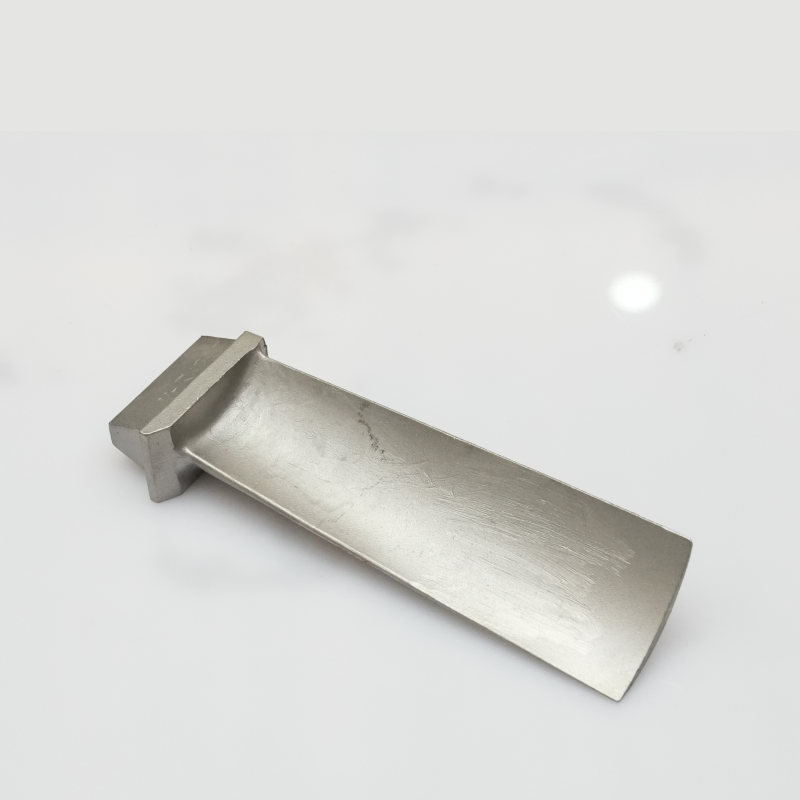
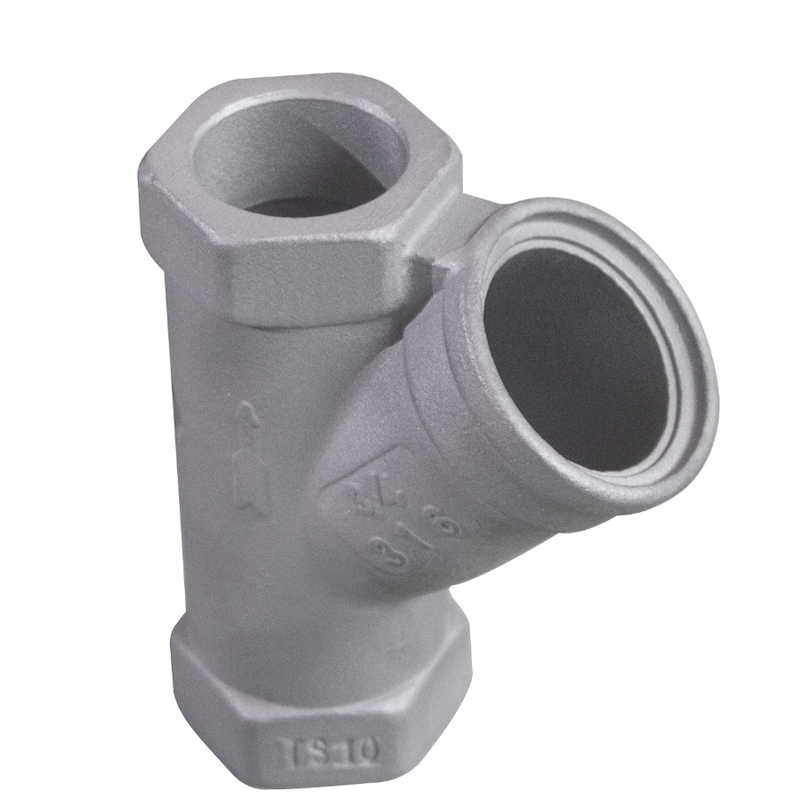
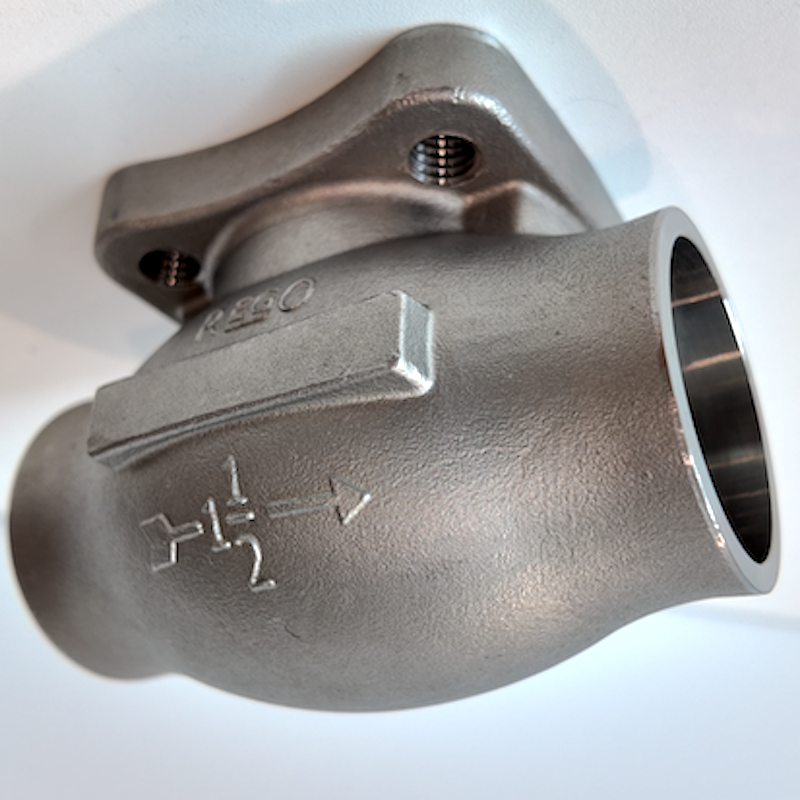
A precision wax casting manufacturer represents a specialized industrial enterprise dedicated to producing highly accurate metal components through the investment casting process, also known as lost-wax casting. This manufacturing approach combines ancient metallurgical techniques with modern technological innovations to create intricate metal parts with exceptional dimensional accuracy and superior surface finishes. The precision wax casting manufacturer operates sophisticated facilities equipped with advanced injection molding equipment, automated wax pattern assembly systems, ceramic shell coating technologies, and controlled atmosphere furnaces. The main function of a precision wax casting manufacturer centers on transforming customer designs and specifications into tangible metal components that meet exacting standards. This process begins with creating detailed wax patterns that replicate the final product dimensions, followed by building ceramic shells around these patterns, melting away the wax, and finally pouring molten metal into the resulting cavities. Technological features that distinguish a precision wax casting manufacturer include computer-aided design integration, precision temperature control systems, quality inspection protocols using coordinate measuring machines, and metallurgical expertise across various alloy compositions. These manufacturers work with diverse materials including stainless steel, carbon steel, aluminum alloys, brass, bronze, and specialty superalloys, enabling applications across multiple industries. The applications of precision wax casting manufacturer services span aerospace components such as turbine blades and structural fittings, medical devices including surgical instruments and implantable components, automotive parts like transmission components and engine elements, industrial machinery parts, valve bodies for fluid control systems, and decorative hardware. The precision wax casting manufacturer provides solutions where traditional machining would prove cost-prohibitive or technically impossible, particularly for complex geometries, internal passages, thin walls, and parts requiring minimal post-processing. This manufacturing method achieves tolerances as tight as plus or minus 0.005 inches, surface finishes comparable to machined parts, and design flexibility that empowers engineers to optimize component performance while reducing overall production costs through near-net-shape manufacturing capabilities.

 EN
EN