Superior Surface Finish and Material Versatility for Enhanced Performance
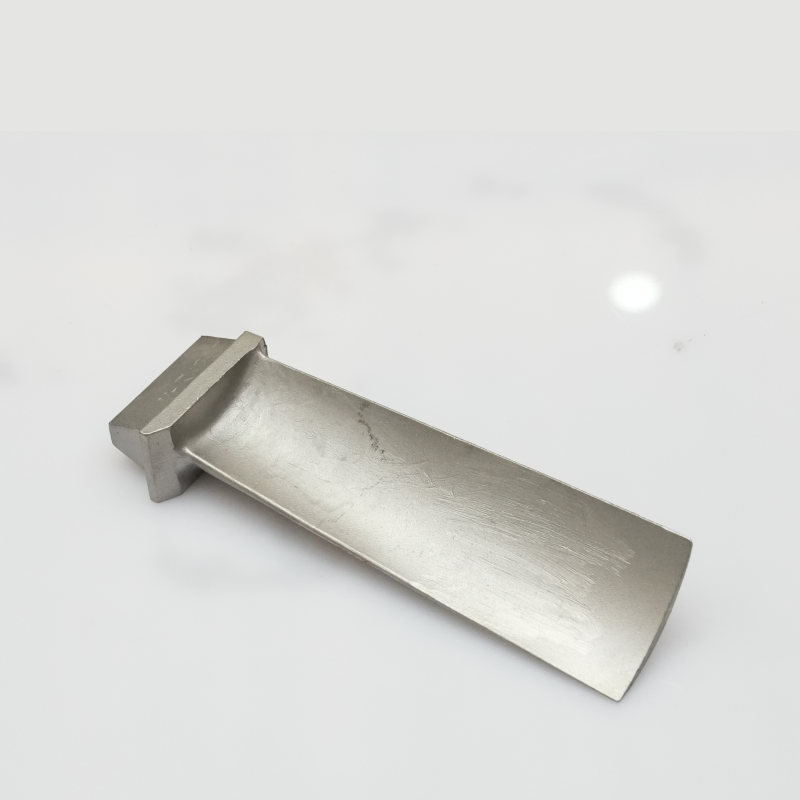
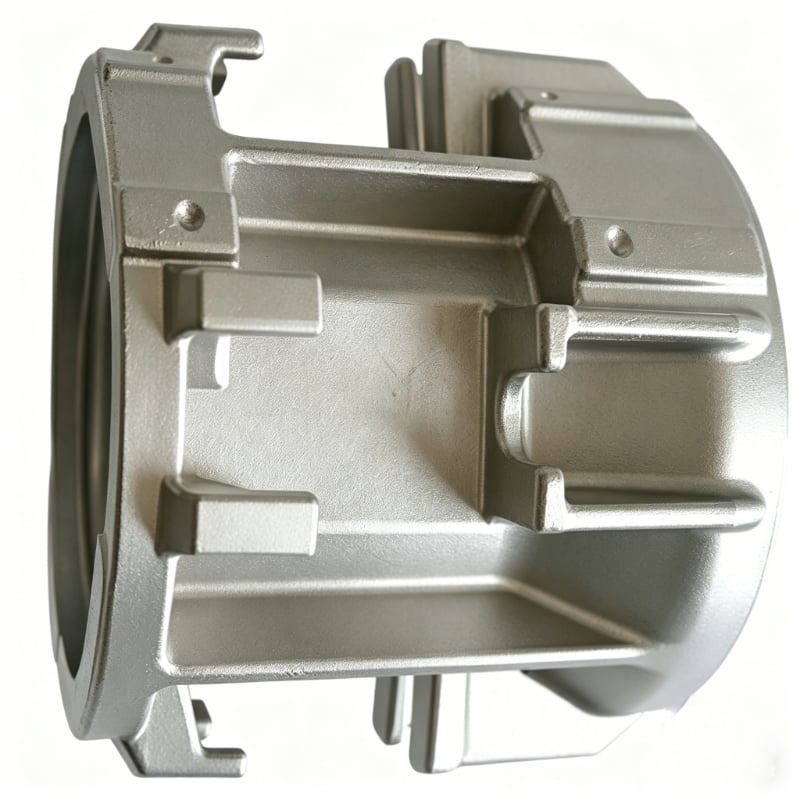
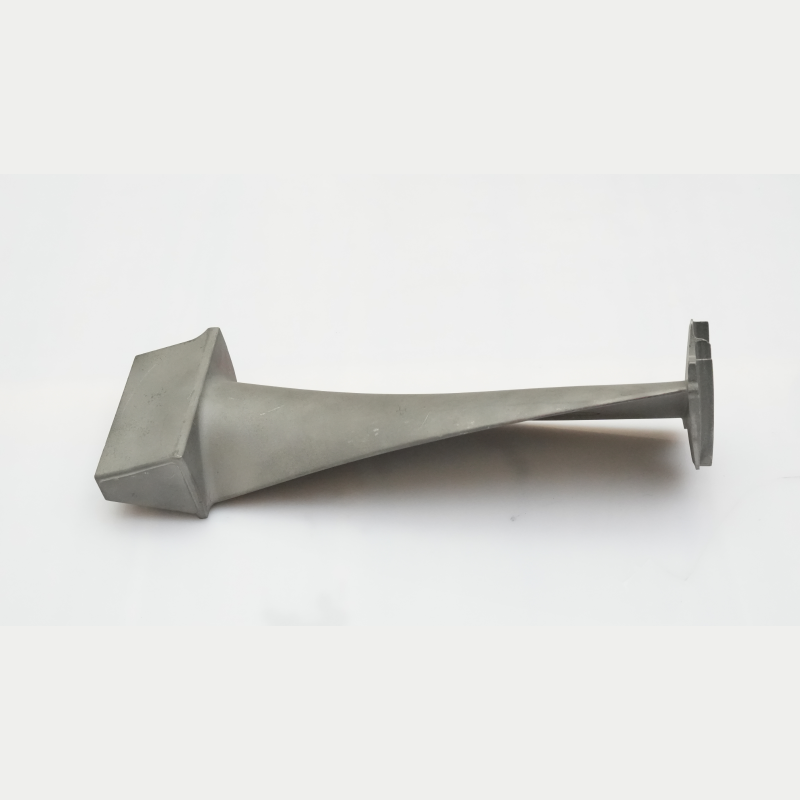
One of the most compelling advantages of precision lost wax investment casting lies in the exceptional surface finish quality it produces directly from the mold, combined with its remarkable versatility in handling diverse metal alloys and materials. The ceramic shell used in this process creates a smooth mold surface that translates into cast components with surface finishes typically ranging from 125 to 250 microinches Ra, significantly smoother than most other casting processes can achieve. This superior finish quality delivers multiple practical benefits for manufacturers and end-users alike. Components with smooth surfaces experience reduced friction in moving assemblies, improved fluid dynamics in hydraulic or pneumatic applications, enhanced aesthetic appeal for visible parts, and decreased stress concentration points that could initiate fatigue failures. The quality of the as-cast surface often eliminates or substantially reduces the need for grinding, polishing, or other finishing operations that add cost and production time to conventional manufacturing workflows. In many applications, parts proceed directly from casting cleanup to final inspection and assembly, streamlining production schedules and reducing handling damage risks. Beyond surface quality, the precision lost wax investment casting process accommodates an exceptionally broad spectrum of metals and alloys, giving design engineers and procurement specialists flexibility to select materials based purely on performance requirements rather than manufacturing constraints. Ferrous alloys including various grades of stainless steel, carbon steel, and tool steel cast successfully through this method, offering combinations of strength, hardness, and corrosion resistance for demanding applications. Non-ferrous metals like aluminum alloys provide lightweight solutions for aerospace and automotive components, while copper-based alloys such as bronze and brass deliver excellent wear resistance and thermal conductivity for specialized applications. The process also handles high-performance superalloys based on nickel, cobalt, or titanium that withstand extreme temperatures and corrosive environments in aerospace engines, power generation equipment, and chemical processing systems. This material versatility means that a single manufacturing process can serve diverse application requirements without necessitating different production methods for different materials. Furthermore, the precision lost wax investment casting process proves particularly valuable when working with expensive or difficult-to-machine materials, where the near-net-shape casting capability minimizes material waste and reduces the amount of costly machining required. The combination of superior surface finish and broad material compatibility makes this process the preferred choice for critical components where performance, reliability, and quality cannot be compromised.

 EN
EN