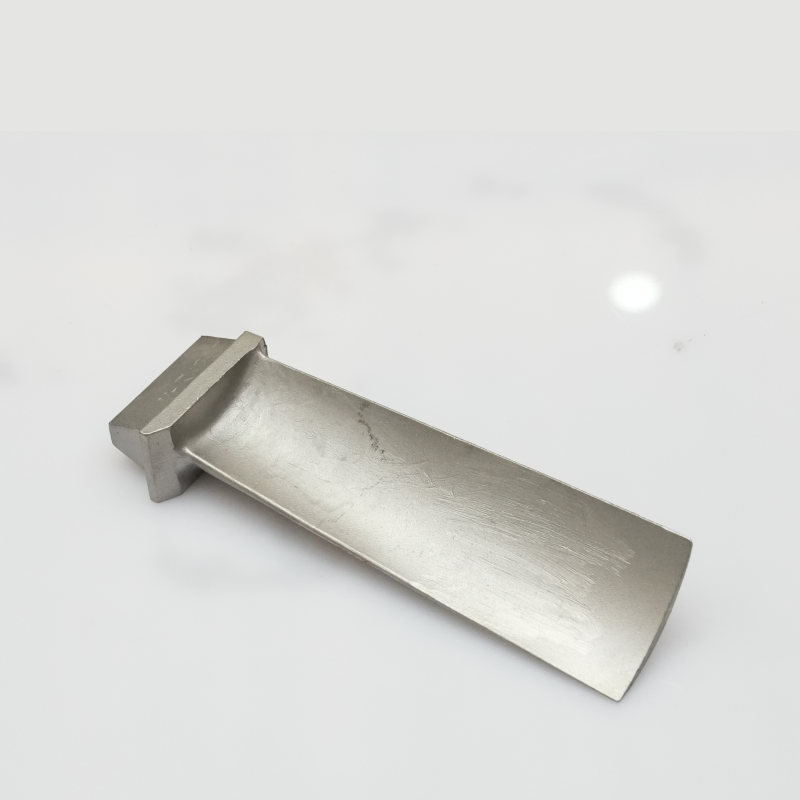
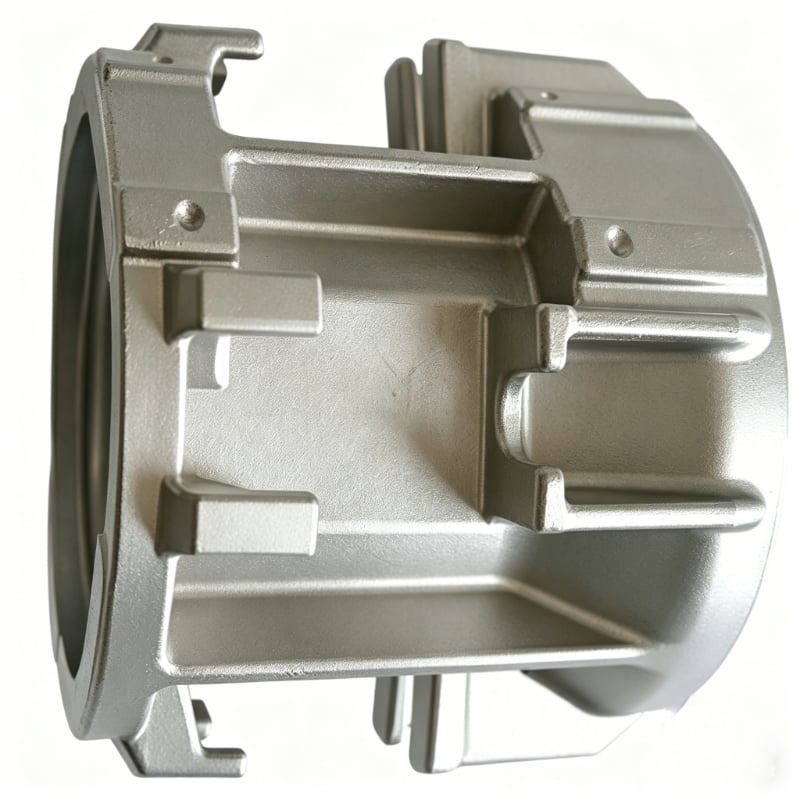
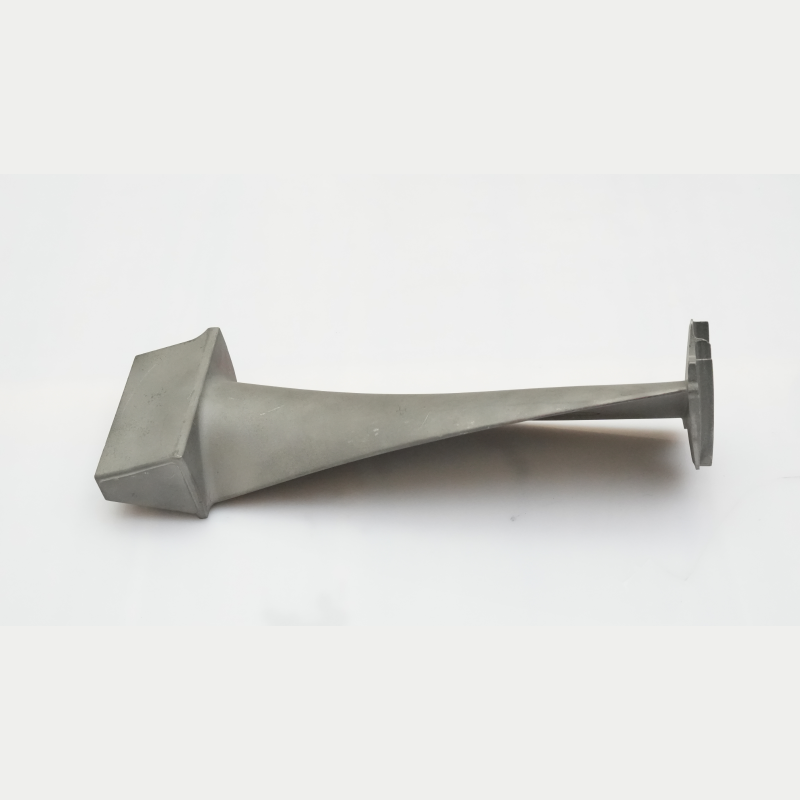
precizno odlijevanje s ulaganjem izgubljenog voska
Precizno odlivanje s izgubljenim voskom predstavlja jedan od najsofisticiranijih proizvodnih procesa za stvaranje složenih metalnih komponenti s iznimnom točkinjom i površinskom završnom obradom. Ova drevna tehnika, modernizirana sa savremenom tehnologijom, uključuje stvaranje detaljnog uzorka voska koji savršeno oponaša željeni konačni proizvod. Proces počinje ubrizgavanjem voska u precizno obrađen oblik kako bi se formirao uzorak, koji se zatim sastavlja na sustav za otvaranje vrata. Na središnjem je špeku pričvršćen više vještanja, stvarajući strukturu nalik drvetu koja optimizira proizvodnu učinkovitost. Sastavljeni šabloni voska više puta se utapaju u keramičku ljuljaču i premazuju finim vatrogasnim materijalima, stvarajući više slojeva kako bi se formirala robusta keramička ljuska. Kad ljuska postane dovoljno debela, podvrgnuta je kontroliranoj zagrijavanju u autoklavu ili pećnici, gdje se vosak topi i odlazi, ostavljajući šuplji keramički kalup - odatle i izraz izgubljeni vosak. Ova šupljina sad nosi točno negativan otisak željene komponente. Zatim se rastvoreni metal izlije ili ubrizga u zagrijenu keramičku ljusku pod kontrolisanim uvjetima, tako da se popuni svaki složen detalj šupljine. Nakon tvrđivanja i hlađenja, keramička ljuska se mehaničkim ili kemijskim sredstvima razbija, otkrivajući odlijevene metalne dijelove. Metod preciznog odlijevanja s izgubljenim voskom izvrsno se bavi proizvodnjom komponenti s složene geometrije, tankim zidovima, složenim unutarnjim prolazima i finim detaljima površine koji bi bili nemogući ili ekonomski neizvodljivi s drugim metodama proizvodnje. Ovaj svestran proces koristi se za proizvodnju raznih vrsta metala i legura, uključujući nehrđajući čelik, ugljični čelik, aluminij, bronzu, mesing i superlegure. Industrije koje se kreću od zrakoplovstva i automobilske industrije do medicinskih uređaja i nakita u velikoj mjeri ovise o preciznosti odlijevanja izgubljenog voska za proizvodnju kritičnih komponenti koje zahtijevaju tesne tolerancije, obično unutar 0,005 inča po inču, i superiorne površinske završetke koje često uk

 EN
EN