Medium Temperature Wax Casting: Precision Metal Components for Complex Geometries and Superior Quality

Get a Free Quote

Our representative will contact you soon.
Email
Name
Mobile
Company Name
Message
0/1000

medium temperature wax casting

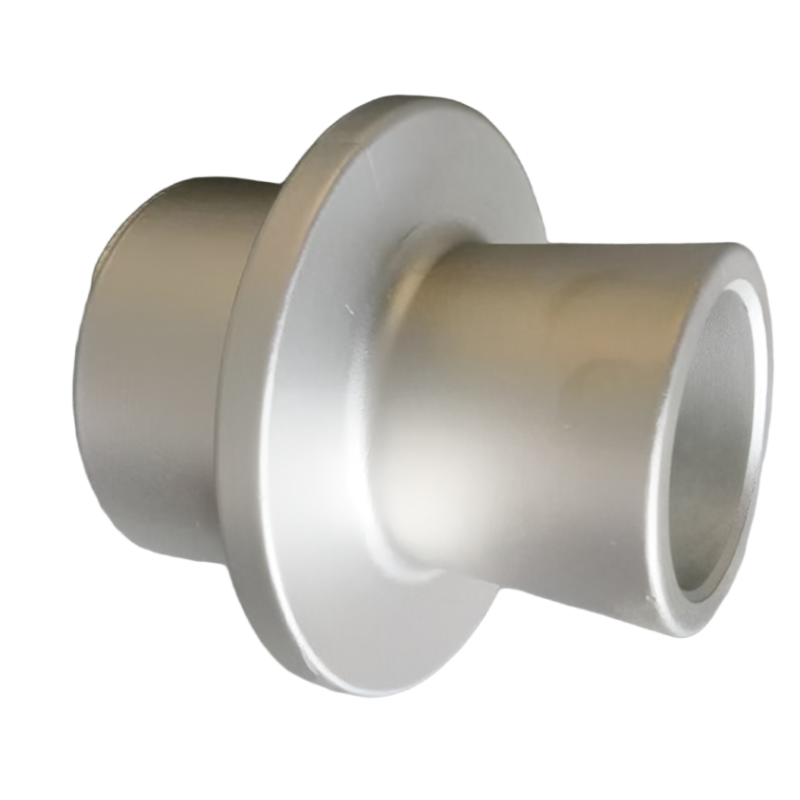
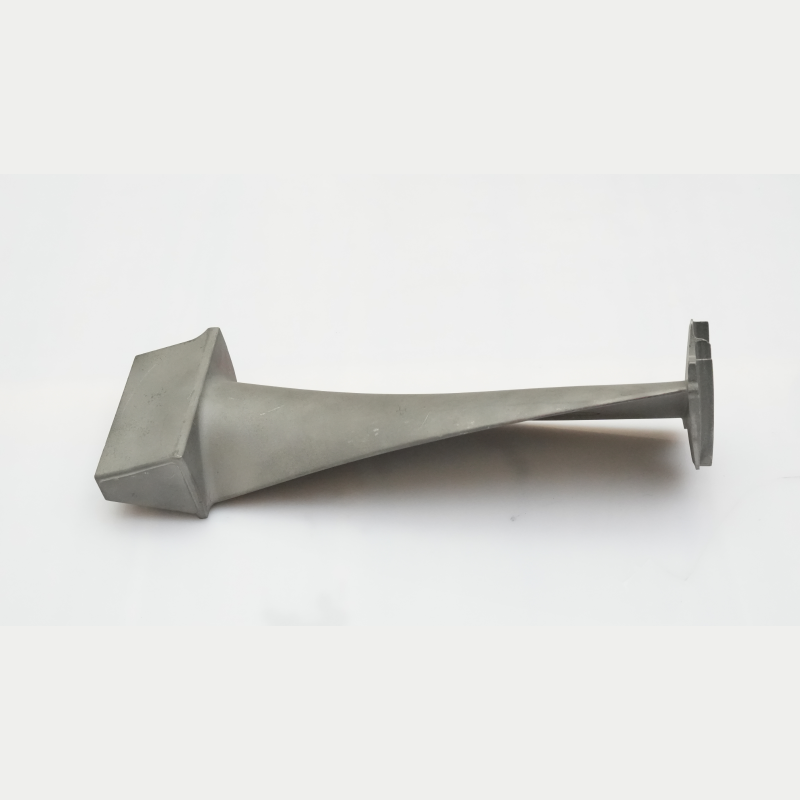
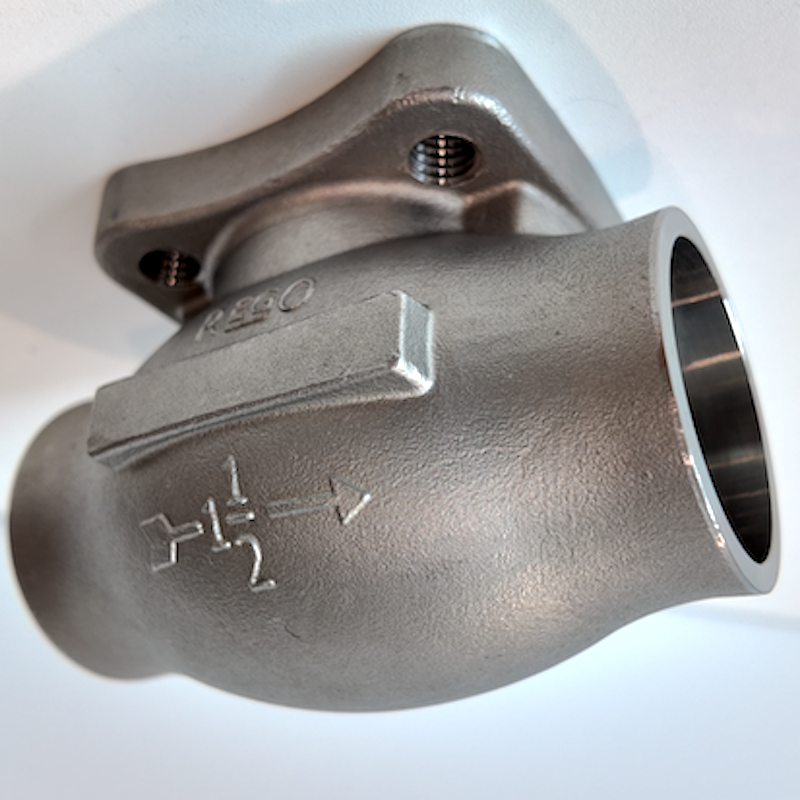
Medium temperature wax casting represents a sophisticated manufacturing process that bridges the gap between traditional investment casting methods and modern precision engineering requirements. This innovative technique utilizes specially formulated wax materials that melt and flow optimally at intermediate temperature ranges, typically between 60 to 80 degrees Celsius, offering manufacturers a versatile solution for producing intricate metal components with exceptional accuracy. The medium temperature wax casting process begins with the creation of detailed wax patterns that replicate the desired final product with remarkable fidelity. These patterns are assembled into clusters, coated with ceramic shells, and then subjected to controlled heating that removes the wax while maintaining shell integrity. The resulting cavity is then filled with molten metal to create the finished casting. This method excels in producing components with complex geometries, thin walls, and fine surface details that would be challenging or impossible to achieve through conventional machining or forging processes. The technology finds extensive application across diverse industries including aerospace, automotive, medical devices, jewelry manufacturing, and industrial machinery production. Aerospace manufacturers rely on medium temperature wax casting to create turbine blades, structural components, and engine parts that demand both lightweight properties and exceptional strength. Automotive engineers utilize this process for producing precision transmission components, fuel system parts, and decorative hardware that require consistent quality and dimensional accuracy. Medical device manufacturers depend on medium temperature wax casting for creating surgical instruments, implantable components, and diagnostic equipment parts that must meet stringent biocompatibility and performance standards. The process demonstrates particular effectiveness when working with materials such as stainless steel, titanium alloys, aluminum alloys, brass, bronze, and various superalloys. Medium temperature wax casting delivers superior surface finishes, typically ranging from 1.6 to 3.2 micrometers, reducing or eliminating secondary finishing operations and lowering overall production costs while maintaining competitive lead times for both prototype and production runs.

New Product Releases

The medium temperature wax casting process delivers numerous practical benefits that directly impact your production efficiency and bottom line. First and foremost, this method significantly reduces material waste compared to traditional machining operations. When you machine components from solid metal blocks, up to 70 percent of the raw material can end up as expensive scrap. Medium temperature wax casting produces near-net-shape parts that require minimal additional processing, conserving valuable materials and reducing your raw material costs substantially. You gain the ability to create highly complex shapes in a single casting operation that would otherwise require multiple machining steps, assembly operations, and welding processes. This consolidation of manufacturing steps translates directly into lower labor costs, reduced production time, and fewer opportunities for errors or defects. The dimensional accuracy achieved through medium temperature wax casting typically ranges within plus or minus 0.005 inches per inch, meaning your parts arrive closer to final specifications and require less correction or adjustment. This precision consistency ensures better part-to-part repeatability, which is crucial when you need components that fit together perfectly in assemblies or when you are producing replacement parts that must match existing specifications exactly. The smooth surface finish produced by this process often eliminates the need for secondary grinding, polishing, or finishing operations, saving you additional time and processing costs. You benefit from exceptional design flexibility because medium temperature wax casting can reproduce intricate details, undercuts, internal passages, and thin walls that challenge other manufacturing methods. This freedom allows your engineers to optimize designs for performance rather than manufacturing limitations, potentially improving product functionality while simultaneously reducing weight and material usage. The process works effectively with a wide range of metal alloys, giving you material selection flexibility to match specific performance requirements such as corrosion resistance, strength-to-weight ratios, temperature tolerance, or magnetic properties. Production scalability represents another significant advantage, as medium temperature wax casting remains economically viable for quantities ranging from single prototypes to thousands of production pieces. You avoid the high tooling costs associated with die casting or forging while still achieving production-ready quality in your initial samples. Lead times for pattern creation and first article production typically span just two to four weeks, enabling faster product development cycles and quicker responses to market opportunities. Quality consistency improves because the process minimizes human handling and intervention, reducing variability between individual parts and production batches.

Practical Tips

How Does a Precision Investment Casting Manufacturer Ensure Consistent Quality Across Global Supply Chains?

05

Jun

How Does a Precision Investment Casting Manufacturer Ensure Consistent Quality Across Global Supply Chains?

In today's interconnected industrial landscape, sourcing complex metal components across international borders presents a formidable quality challenge. the manufacturer must navigate an intricate web of raw material sourcing, multi-stage production c...
View More
What Factors Affect Surface Finish Quality in Medium Temperature Wax Casting Processes?

05

Jun

What Factors Affect Surface Finish Quality in Medium Temperature Wax Casting Processes?

Surface finish quality is one of the most critical performance indicators in precision investment casting, and it is directly shaped by the variables embedded in the medium temperature wax casting process. Unlike standard casting methods, medium temp...
View More
How Can OEM ODM Precision Casting Services Accelerate New Product Development Cycles?

26

Jun

How Can OEM ODM Precision Casting Services Accelerate New Product Development Cycles?

Bringing a new industrial product from concept to market is rarely a straightforward journey. Engineering teams face relentless pressure to compress timelines, reduce prototype iterations, and deliver production-ready components without sacrificing d...
View More
How Do OEM ODM Precision Casting Services Support Flexible Design and Rapid Prototyping?

26

Jun

How Do OEM ODM Precision Casting Services Support Flexible Design and Rapid Prototyping?

Figure 1: Custom Valve Body Fabricated via Precision Investment Casting, Featuring Crisp Surface Details and Net-Shape Integrity. In today's fast-evolving manufacturing landscape, the ability to move from concept to production-ready component quickly...
View More

Get a Free Quote

Our representative will contact you soon.
Email
Name
Mobile
Company Name
Message
0/1000

medium temperature wax casting

Superior Dimensional Precision and Complex Geometry Capabilities

Superior Dimensional Precision and Complex Geometry Capabilities

Medium temperature wax casting stands out in the manufacturing landscape due to its exceptional ability to produce components with intricate geometries and tight dimensional tolerances that consistently meet demanding engineering specifications. This precision stems from the fundamental characteristics of the wax materials used in the process, which are specifically formulated to maintain dimensional stability throughout the pattern creation and assembly phases. Unlike lower temperature waxes that may distort or higher temperature materials that become difficult to control, medium temperature wax formulations strike an optimal balance between workability and stability. The wax can be injected into highly detailed molds, capturing surface textures as fine as 0.001 inches and replicating complex internal features such as cooling channels, lattice structures, and hollow sections that would be impossible to machine after casting. Engineers and designers benefit tremendously from this capability because it removes traditional manufacturing constraints from the design process. You can incorporate organic curves, variable wall thicknesses, and integrated features that optimize product performance without worrying about how cutting tools will reach certain surfaces or how multiple components will be joined together. The ceramic shell molding process further enhances this precision by creating a rigid, heat-resistant mold that maintains exact dimensions even when filled with molten metal at temperatures exceeding 1500 degrees Celsius. The controlled solidification that occurs within these shells minimizes shrinkage variations and internal stresses, resulting in parts that maintain their intended dimensions throughout the cooling process. This level of accuracy proves particularly valuable in applications where components must fit together with minimal clearance, such as turbine assemblies where blade tip clearances directly affect efficiency, or medical implants where precise anatomical fit determines patient outcomes. Manufacturers also appreciate how medium temperature wax casting accommodates multiple parts in a single tree or cluster configuration, ensuring that all pieces in a batch maintain consistent relationships to each other and reducing assembly complications. The repeatability of the process means that parts produced months or years apart will maintain the same dimensions and fit characteristics, which is essential for spare parts production and long-term product support commitments. Quality control becomes more straightforward because the process inherently produces consistent results, reducing inspection requirements and lowering the risk of producing out-of-specification components that must be scrapped or reworked.
Exceptional Surface Quality and Reduced Post-Processing Requirements

Exceptional Surface Quality and Reduced Post-Processing Requirements

One of the most compelling advantages of medium temperature wax casting lies in the outstanding surface finish quality it produces directly from the casting process, dramatically reducing or completely eliminating expensive and time-consuming post-processing operations. The surface texture achieved through this method typically measures between 63 and 125 microinches Ra, which compares favorably to machined surfaces and far exceeds the rougher finishes produced by sand casting or permanent mold processes. This superior finish results from the extremely smooth surfaces of the wax patterns themselves, which are created in precision machined or 3D printed molds that have been carefully finished to remove any imperfections. When ceramic slurry is applied to these smooth wax patterns, it conforms precisely to every surface contour, creating a shell interior that mirrors the pattern surface quality. After the wax is removed and metal is poured into the cavity, the solidified casting replicates this smoothness with remarkable fidelity. For manufacturers, this means components can often proceed directly from casting to final assembly without intermediate grinding, polishing, or surface treatment steps that add cost and extend lead times. The practical implications extend beyond simple cost savings. Smoother surfaces generally exhibit better fatigue resistance because they contain fewer stress concentration points where cracks might initiate under cyclic loading. Components used in fluid systems benefit from reduced turbulence and pressure drops when internal passages have smooth walls rather than rough textures. Aesthetic applications such as jewelry, architectural hardware, and consumer products gain visual appeal from the lustrous surfaces that medium temperature wax casting naturally produces. Even in technical applications where appearance matters less than function, the absence of surface irregularities improves measurement accuracy when components undergo dimensional inspection, and it facilitates better sealing when parts must mate with gaskets or O-rings. The consistency of surface finish across complex geometries represents another significant benefit. Traditional machining often produces varying surface textures depending on tool access angles, cutting speeds, and material removal rates, potentially creating areas of excellent finish adjacent to rougher sections. Medium temperature wax casting delivers uniform surface quality across all exposed surfaces simultaneously, including internal passages and hidden areas that machining tools cannot easily reach. This uniformity proves particularly important for parts that experience stress from multiple directions or components where any surface might become a critical wear area during operation.
Cost-Effective Production Flexibility Across Volume Ranges

Cost-Effective Production Flexibility Across Volume Ranges

Medium temperature wax casting delivers remarkable economic advantages through its unique ability to remain cost-effective across an unusually broad range of production volumes, from single prototype units to thousands of production pieces, without requiring significant changes in tooling or process methodology. This flexibility stems from the relatively modest investment required for pattern tooling compared to the expensive dies needed for high-pressure die casting or the elaborate forging tools required for metal forming processes. When you need just a few prototype parts to validate a design concept, medium temperature wax casting allows production of functional metal components in the actual material specified for production, providing test results that accurately predict final product performance. Unlike machined prototypes that may exhibit different grain structures or mechanical properties than production parts, castings produced through this method faithfully replicate the metallurgical characteristics of full production runs. As your project transitions from development to initial production, the same tooling and processes continue to serve effectively without requiring new capital investments or process revalidation. This continuity accelerates time-to-market and reduces the technical risks associated with scaling up production. For medium volume production runs ranging from hundreds to several thousand pieces, medium temperature wax casting often provides the optimal economic solution, delivering per-piece costs that fall between expensive machined components and high-volume die casting while avoiding the substantial minimum order quantities that make die casting economically prohibitive for moderate volumes. The process also accommodates design modifications more readily than methods requiring hardened steel dies. When engineering changes become necessary, pattern tooling can be modified or replaced at reasonable cost, whereas die casting or forging tools represent substantial investments that manufacturers understandably resist changing. This adaptability proves invaluable during product development phases when iterative improvements refine designs toward optimal configurations. Production planning benefits from shorter setup times compared to machining operations that require extensive CNC programming and fixture design. Once patterns are available, casting production can commence relatively quickly, helping manufacturers respond to urgent customer requirements or market opportunities. The ability to cast multiple different part numbers simultaneously in a single furnace run further improves economic efficiency by sharing heating costs and labor across diverse products. Small manufacturers and startups particularly benefit from the accessible entry point that medium temperature wax casting provides, enabling production of sophisticated metal components without the prohibitive capital investments that other processes demand. This democratization of precision manufacturing technology fosters innovation by allowing more companies to bring creative product concepts to market reality.

Get a Free Quote

Our representative will contact you soon.
Email
Name
Mobile
Company Name
Message
0/1000