fundición en cera de temperatura media
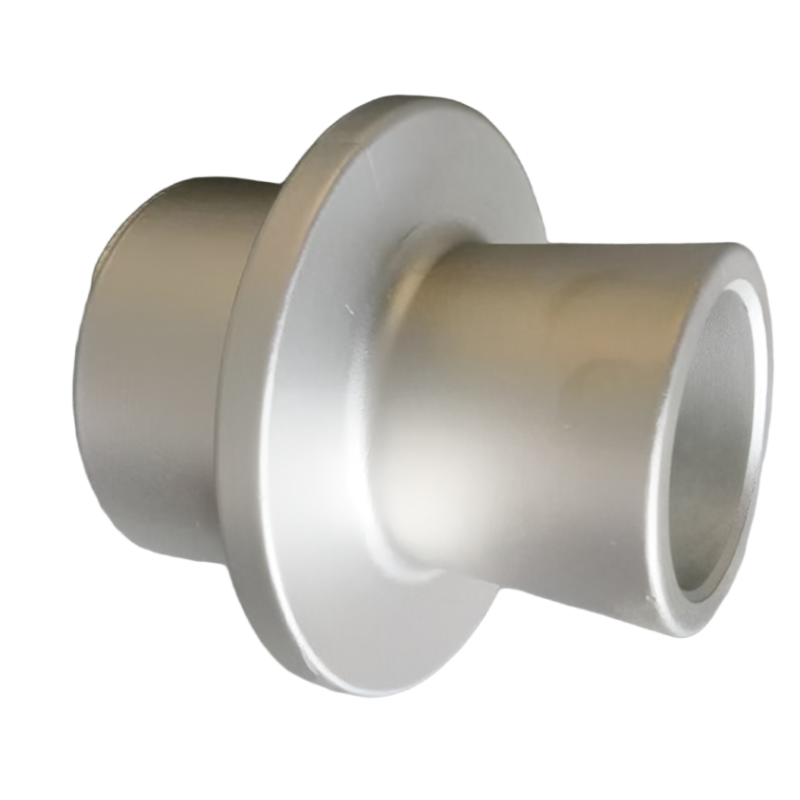
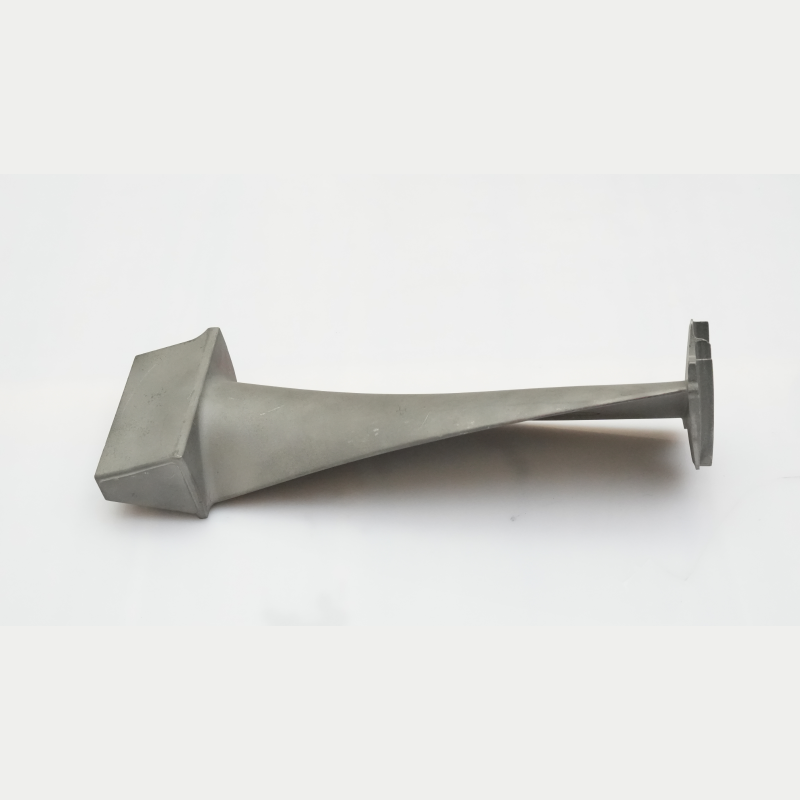
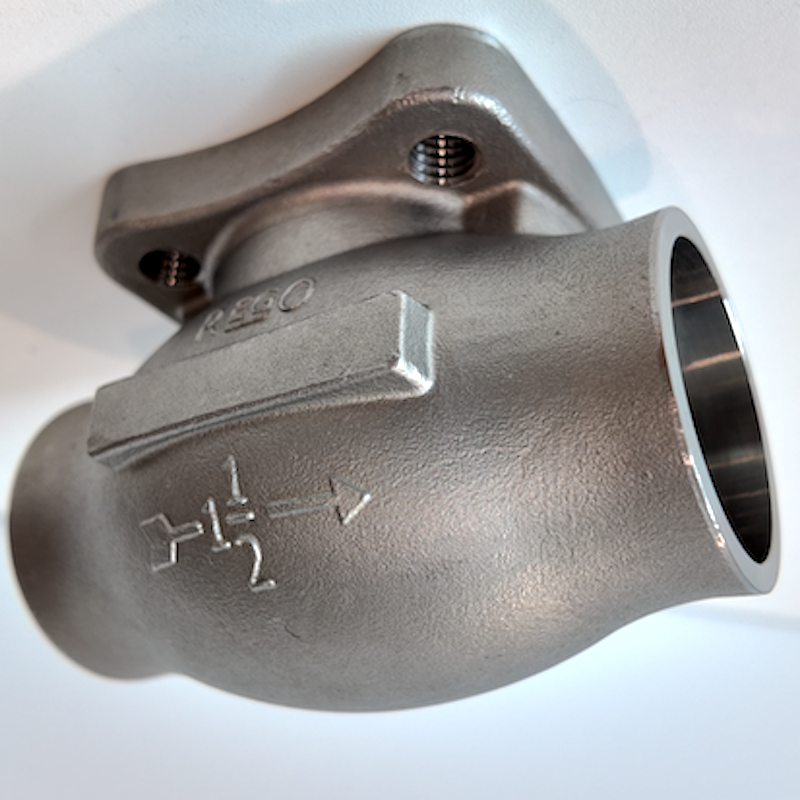
La fundición con cera de temperatura media representa un proceso de fabricación sofisticado que cierra la brecha entre los métodos tradicionales de fundición a la cera perdida y los requisitos actuales de ingeniería de precisión. Esta técnica innovadora utiliza materiales cerámicos especialmente formulados que se funden y fluyen de forma óptima en rangos intermedios de temperatura, típicamente entre 60 y 80 grados Celsius, ofreciendo a los fabricantes una solución versátil para producir componentes metálicos intrincados con una exactitud excepcional. El proceso de fundición con cera de temperatura media comienza con la creación de patrones de cera detallados que replican fielmente el producto final deseado. Estos patrones se ensamblan en grupos, se recubren con capas cerámicas y luego se someten a un calentamiento controlado que elimina la cera manteniendo la integridad de la cáscara. La cavidad resultante se llena entonces con metal fundido para obtener la pieza fundida terminada. Este método destaca por su capacidad para producir componentes con geometrías complejas, paredes delgadas y detalles superficiales finos, que serían difíciles o imposibles de lograr mediante procesos convencionales de mecanizado o forja. La tecnología encuentra una amplia aplicación en diversos sectores industriales, como la aeroespacial, la automotriz, los dispositivos médicos, la fabricación de joyería y la producción de maquinaria industrial. Los fabricantes aeroespaciales confían en la fundición con cera de temperatura media para crear álabes de turbinas, componentes estructurales y piezas de motores que exigen tanto propiedades ligeras como una resistencia excepcional. Los ingenieros automotrices utilizan este proceso para fabricar componentes de transmisión de precisión, piezas del sistema de combustible y herrajes decorativos que requieren una calidad constante y una exactitud dimensional rigurosa. Los fabricantes de dispositivos médicos dependen de la fundición con cera de temperatura media para elaborar instrumentos quirúrgicos, componentes implantables y piezas de equipos diagnósticos que deben cumplir estrictos estándares de biocompatibilidad y rendimiento. El proceso demuestra una eficacia particular al trabajar con materiales como acero inoxidable, aleaciones de titanio, aleaciones de aluminio, latón, bronce y diversas superaleaciones. La fundición con cera de temperatura media ofrece acabados superficiales superiores, típicamente comprendidos entre 1,6 y 3,2 micrómetros, lo que reduce o elimina las operaciones secundarias de acabado y disminuye los costos totales de producción, manteniendo al mismo tiempo plazos de entrega competitivos tanto para prototipos como para series de producción.

 EN
EN