Medium Temperature Wax Casting: Precision Manufacturing for Complex Components | Superior Quality & Design Flexibility

Get a Free Quote

Our representative will contact you soon.
Email
Name
Company Name
Message
0/1000

medium temperature wax casting

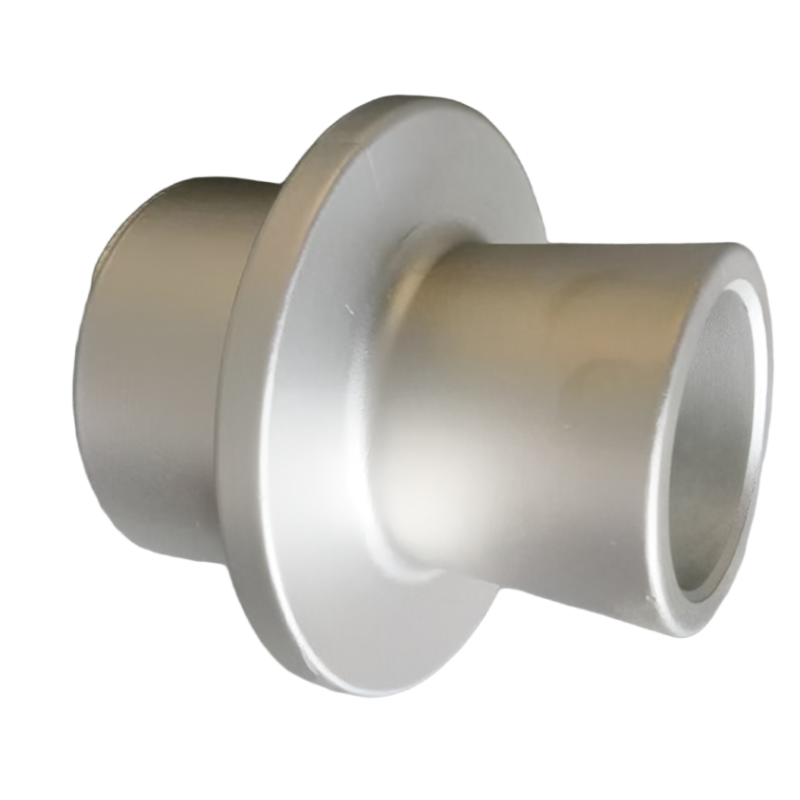
Medium temperature wax casting represents a sophisticated manufacturing process that bridges the gap between traditional investment casting methods and modern precision engineering requirements. This innovative technique utilizes specialized wax materials that maintain optimal consistency and flow characteristics within a specific temperature range, typically between 60 to 80 degrees Celsius. The process begins with creating detailed wax patterns that serve as exact replicas of the final metal components desired by manufacturers across various industries. Medium temperature wax casting has emerged as a preferred solution for producing intricate metal parts with exceptional dimensional accuracy and superior surface finish quality. The fundamental principle involves injecting medium temperature wax into precision-machined molds, allowing the material to solidify and form detailed patterns that capture even the most complex geometrical features. These wax patterns are then assembled onto a central sprue system, creating a tree-like structure that accommodates multiple parts in a single casting cycle. The assembled wax patterns undergo a ceramic shell building process, where multiple layers of refractory materials are applied to create a robust mold capable of withstanding extreme temperatures during metal pouring. Once the ceramic shell reaches adequate thickness and strength, the medium temperature wax is melted out through controlled heating, leaving behind a hollow cavity that perfectly mirrors the desired component geometry. This dewaxing stage is critical and represents one of the key advantages of using medium temperature wax materials, as they exit cleanly without leaving residual deposits that could compromise casting quality. The resulting ceramic molds are then fired at high temperatures to achieve maximum strength before molten metal is poured into the cavities. Medium temperature wax casting technology serves multiple functions across manufacturing sectors, including aerospace component production, automotive parts fabrication, medical device manufacturing, and jewelry creation. The technological features that distinguish this process include precise temperature control systems, automated wax injection equipment, and sophisticated pattern assembly mechanisms that ensure consistency across production runs. Applications range from creating turbine blades with complex cooling channels to manufacturing orthopedic implants requiring biocompatible surface characteristics and dimensional precision measured in micrometers.

New Product Recommendations

The advantages of medium temperature wax casting extend far beyond simple component production, offering manufacturers tangible benefits that directly impact their bottom line and product quality. First and foremost, this process delivers exceptional precision that eliminates costly secondary machining operations in many applications. When you choose medium temperature wax casting for your production needs, you receive parts with tolerances as tight as plus or minus 0.005 inches, which means components fit together perfectly without additional adjustments or modifications. This precision translates directly into reduced labor costs and faster assembly times for your finished products. The surface finish quality achieved through this method rivals that of machined components, with surface roughness values often reaching Ra 1.6 micrometers or better straight from the casting process. Your products will have smooth, visually appealing surfaces that enhance both aesthetics and functionality without requiring expensive polishing or finishing steps. Material versatility stands as another compelling advantage, as medium temperature wax casting accommodates virtually any castable alloy, including stainless steels, aluminum alloys, titanium, cobalt-chrome, and precious metals. This flexibility means you can select the optimal material for your specific application requirements without being constrained by process limitations. The design freedom offered by this technology empowers engineers to create complex geometries that would be impossible or prohibitively expensive using conventional manufacturing methods. Internal cavities, undercuts, thin walls, and intricate surface details become achievable realities rather than design compromises. Production efficiency increases significantly because medium temperature wax casting enables the simultaneous creation of multiple parts in a single casting cycle, reducing per-unit costs as production volumes increase. You will experience shorter lead times compared to traditional machining approaches, especially for complex components that would require extensive programming and multiple setups on computer numerical control machines. The process generates minimal material waste since the wax can be reclaimed and reused in subsequent production cycles, contributing to environmental sustainability while reducing raw material expenses. Quality consistency across production runs ensures that every part meets your specifications, eliminating the variation often associated with manual fabrication methods. Cost effectiveness becomes particularly apparent in medium to high volume production scenarios where tooling investments are amortized across thousands of components. Your procurement teams will appreciate the competitive pricing structure that medium temperature wax casting offers compared to alternative manufacturing technologies. The process also supports rapid prototyping initiatives, allowing you to test designs and make modifications before committing to full-scale production, thereby reducing development risks and accelerating time-to-market for new products. Energy efficiency represents an often-overlooked advantage, as medium temperature wax materials require less heating energy compared to high-temperature alternatives, lowering operational costs and reducing carbon footprint. These combined benefits make medium temperature wax casting an intelligent choice for manufacturers seeking to optimize their production processes while maintaining uncompromising quality standards.

Tips And Tricks

Selection And Application Scope Of Hardness Tester

11

May

Selection And Application Scope Of Hardness Tester

View More
The Role Of Elements In Castings And The Order Of Addition

11

May

The Role Of Elements In Castings And The Order Of Addition

View More
Stainless Steel Castings for Architectural Posts

11

May

Stainless Steel Castings for Architectural Posts

View More
Stainless Steel Castings for Building Facade Systems

11

May

Stainless Steel Castings for Building Facade Systems

View More

Get a Free Quote

Our representative will contact you soon.
Email
Name
Company Name
Message
0/1000

medium temperature wax casting

Unmatched Dimensional Accuracy for Critical Applications

Unmatched Dimensional Accuracy for Critical Applications

Dimensional accuracy stands as the cornerstone advantage that sets medium temperature wax casting apart from competing manufacturing technologies, particularly for applications where precise measurements determine product success or failure. This manufacturing method consistently achieves dimensional tolerances within plus or minus 0.005 inches across the majority of component features, with certain applications reaching even tighter specifications through careful process control and optimized parameters. The importance of this precision cannot be overstated when considering modern engineering requirements where components must interface seamlessly with mating parts in complex assemblies. Medium temperature wax casting achieves this remarkable accuracy through multiple contributing factors that work synergistically throughout the production cycle. The wax materials used in this process exhibit minimal thermal expansion and contraction characteristics, meaning the patterns maintain their dimensional integrity from injection through assembly and shell building stages. Temperature control systems regulate the wax within narrow parameters, preventing the material property variations that could introduce dimensional inconsistencies. The injection molding equipment utilized for pattern creation operates with servo-controlled precision, ensuring repeatability across thousands of cycles without degradation in pattern quality. Mold tooling manufactured to exacting specifications transfers dimensional accuracy directly to the wax patterns, with tool makers employing advanced machining centers and coordinate measuring machines to verify every critical dimension. The ceramic shell building process contributes to final accuracy through carefully formulated slurry materials that minimize shrinkage during drying and firing stages. Manufacturers using medium temperature wax casting for aerospace components rely on this dimensional precision to meet stringent industry specifications where even microscopic deviations could compromise structural integrity or aerodynamic performance. Medical device manufacturers depend on this accuracy to create implants that integrate properly with human anatomy, where dimensional errors could result in patient complications or device failure. Automotive engineers specify this process for transmission components and engine parts where precise clearances directly affect efficiency and longevity. The value proposition becomes clear when comparing production costs, as parts produced with inherent accuracy eliminate expensive secondary operations such as grinding, honing, or precision machining that would otherwise be necessary to achieve required specifications. Quality assurance processes become more streamlined because the consistent accuracy of medium temperature wax casting reduces inspection requirements and rejection rates, improving overall manufacturing efficiency. For potential customers evaluating manufacturing options, the dimensional accuracy advantage translates into reduced total cost of ownership, improved product performance, and enhanced customer satisfaction with finished goods that function exactly as designed without fit or tolerance issues.
Superior Surface Quality That Eliminates Finishing Operations

Superior Surface Quality That Eliminates Finishing Operations

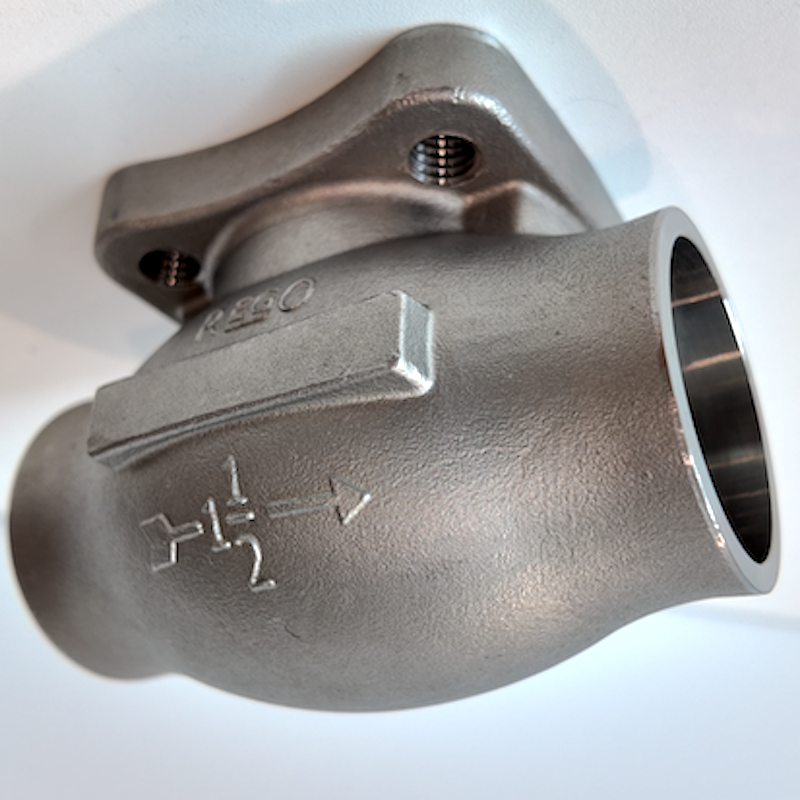
Surface quality represents a critical attribute that directly influences both the functional performance and aesthetic appeal of manufactured components, and medium temperature wax casting excels in delivering superior surface characteristics straight from the production process. The surface finish achieved through this technology typically ranges from Ra 1.6 to Ra 3.2 micrometers, which matches or exceeds the quality obtained through conventional machining operations and approaches the smoothness of ground surfaces. This exceptional surface quality emerges from the fundamental nature of the casting process itself, where molten metal conforms perfectly to the ultra-smooth ceramic mold surfaces created during shell building. Medium temperature wax patterns provide the foundation for this surface excellence because the wax materials flow smoothly during injection, filling mold cavities completely without turbulence or air entrapment that could create surface defects. The injection parameters can be precisely controlled to eliminate flow lines, weld lines, or other surface irregularities that sometimes plague other molding processes. As these high-quality wax patterns become coated with ceramic materials during shell building, the fine particle size of the primary slurry transfers an incredibly smooth surface to the mold cavity interior. Multiple coating layers build upon this foundation, with each successive layer maintaining and enhancing the surface quality that will ultimately be replicated in the metal casting. The dewaxing process cleanly removes the medium temperature wax without leaving residue or causing surface degradation in the ceramic shell, preserving the smooth cavity surfaces that will shape the final metal component. When molten metal fills these pristine mold cavities, it captures every subtle surface detail, resulting in castings with remarkable smoothness and definition. For manufacturers and end customers, the practical benefits of this superior surface quality extend across multiple dimensions. Components with smooth surfaces exhibit improved fatigue resistance because surface irregularities that could serve as stress concentration points and crack initiation sites are minimized or eliminated. Fluid-handling components such as pump impellers, valve bodies, and hydraulic fittings benefit from reduced friction and turbulence when interior surfaces are smooth, improving efficiency and reducing energy consumption. Medical implants with superior surface finishes demonstrate better biocompatibility and osseointegration because smooth surfaces reduce bacterial adhesion risks and promote positive tissue response. Aesthetic applications in jewelry, decorative hardware, and consumer products require minimal polishing when medium temperature wax casting provides near-mirror finishes directly from production. The economic advantages become substantial when considering that finishing operations can represent thirty to fifty percent of total manufacturing costs for precision components. By eliminating or drastically reducing grinding, polishing, buffing, and other surface treatment steps, medium temperature wax casting reduces labor requirements, shortens production cycles, and lowers per-unit costs. Environmental benefits also accrue from reduced finishing operations, as polishing and grinding processes generate waste materials, consume significant energy, and often involve chemical compounds requiring careful handling and disposal. Manufacturers serving quality-conscious markets find that the superior surface finish of medium temperature wax casting becomes a competitive differentiator, enabling them to deliver premium products that command higher margins while maintaining cost-effective production economics.
Exceptional Design Flexibility for Complex Component Geometries

Exceptional Design Flexibility for Complex Component Geometries

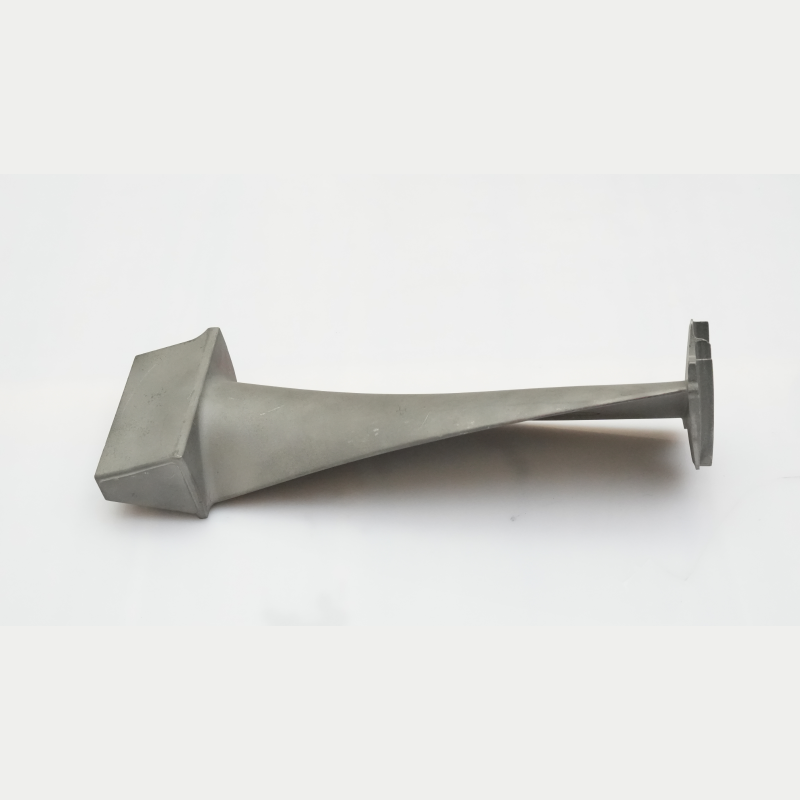
Design flexibility represents perhaps the most transformative advantage of medium temperature wax casting, empowering engineers to create component geometries that push the boundaries of what traditional manufacturing methods can achieve. This process removes many of the constraints that typically limit design options, allowing form to follow function without compromise. Complex internal passages, intricate external features, variable wall thicknesses, and integrated attachment points become readily achievable design elements rather than expensive complications requiring multiple components and assembly operations. The medium temperature wax materials used in pattern creation flow easily into the most intricate mold details, accurately reproducing features that would challenge or defeat other manufacturing approaches. Undercuts that would prevent part removal from machining fixtures or permanent molds pose no difficulty for medium temperature wax casting because the wax patterns can be extracted from complex tooling through slight flexibility or multi-piece mold designs, and the ceramic shells are simply broken away after casting. Thin-wall sections down to 0.030 inches become practical production realities, enabling weight reduction critical for aerospace and automotive applications where every gram matters for fuel efficiency and performance. Internal cavities with complex geometries such as cooling channels in turbine blades or fluid passages in manifolds can be incorporated using ceramic cores that remain in place during casting and are subsequently removed through chemical or mechanical means. Multiple components previously requiring separate fabrication and joining operations can often be consolidated into single integrated castings, eliminating potential failure points at joints while reducing assembly labor and inventory complexity. The design freedom inherent in medium temperature wax casting encourages innovation by allowing engineers to optimize component geometry for performance rather than manufacturing convenience. Computational fluid dynamics analyses can identify ideal flow path geometries that are then directly implemented in cast components rather than approximated within the limitations of drilling and conventional machining. Finite element analysis can pinpoint optimal material distribution for structural applications, with resulting variable-thickness designs readily produced through casting while remaining impractical for subtractive manufacturing. Topology optimization algorithms can generate organic, biomimetic structures that maximize strength-to-weight ratios, and medium temperature wax casting makes these mathematically-derived geometries physically realizable. For potential customers, this design flexibility translates into competitive advantages across multiple business dimensions. Product performance improves when engineers can implement optimal designs unconstrained by manufacturing limitations, leading to more efficient, more durable, and higher-performing end products. Development cycles shorten because design iterations can explore radical alternatives rather than incremental modifications to manufacturability-constrained concepts. Supply chains simplify when component consolidation reduces part counts, vendor relationships, and inventory management complexity. Total cost of ownership decreases despite potentially higher per-unit casting costs because assembly labor, quality issues related to joints, and warranty claims all diminish with integrated component designs. Innovation acceleration occurs as engineering teams gain confidence to pursue novel solutions knowing that medium temperature wax casting can translate their visions into physical reality. Market differentiation becomes achievable when products incorporate unique geometrical features that competitors using conventional manufacturing cannot economically replicate. The strategic value of this design flexibility extends beyond individual components to influence entire product architectures, enabling manufacturers to fundamentally rethink how they design and produce their offerings in ways that create lasting competitive advantages in increasingly demanding global markets.

Get a Free Quote

Our representative will contact you soon.
Email
Name
Company Name
Message
0/1000