advanced wax casting technology
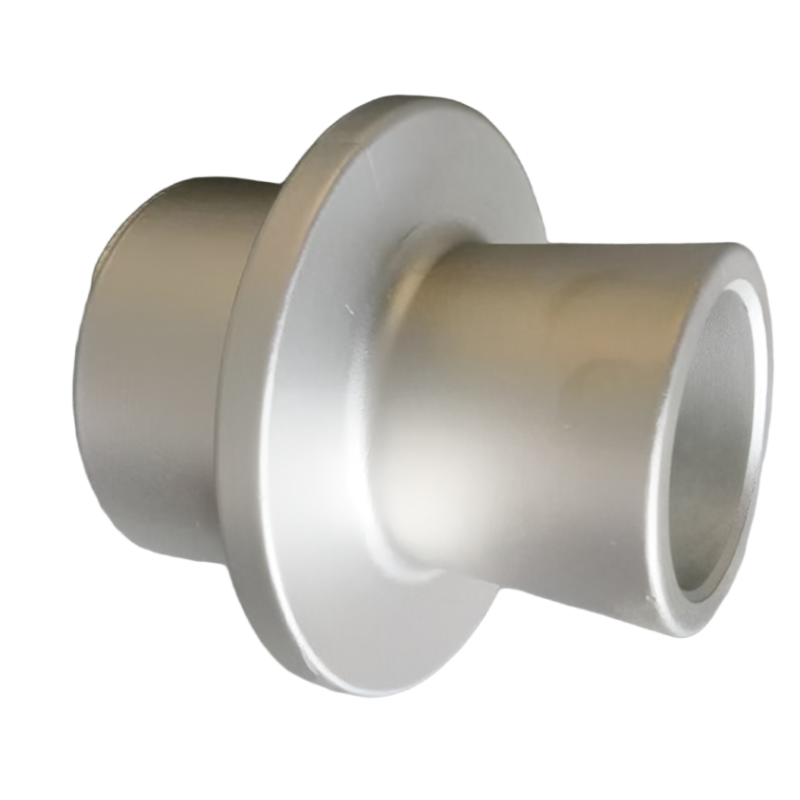
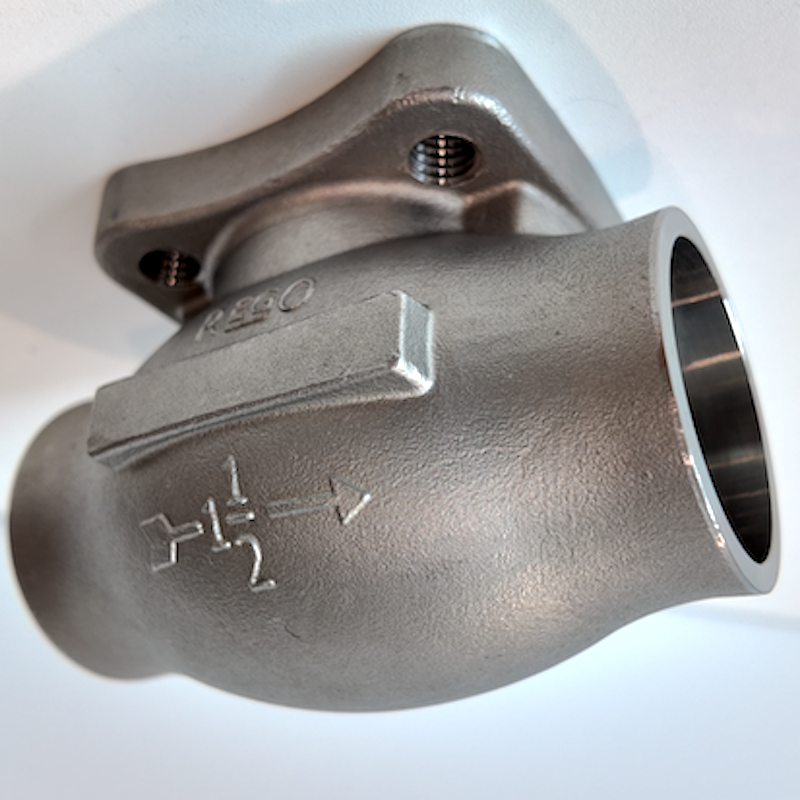
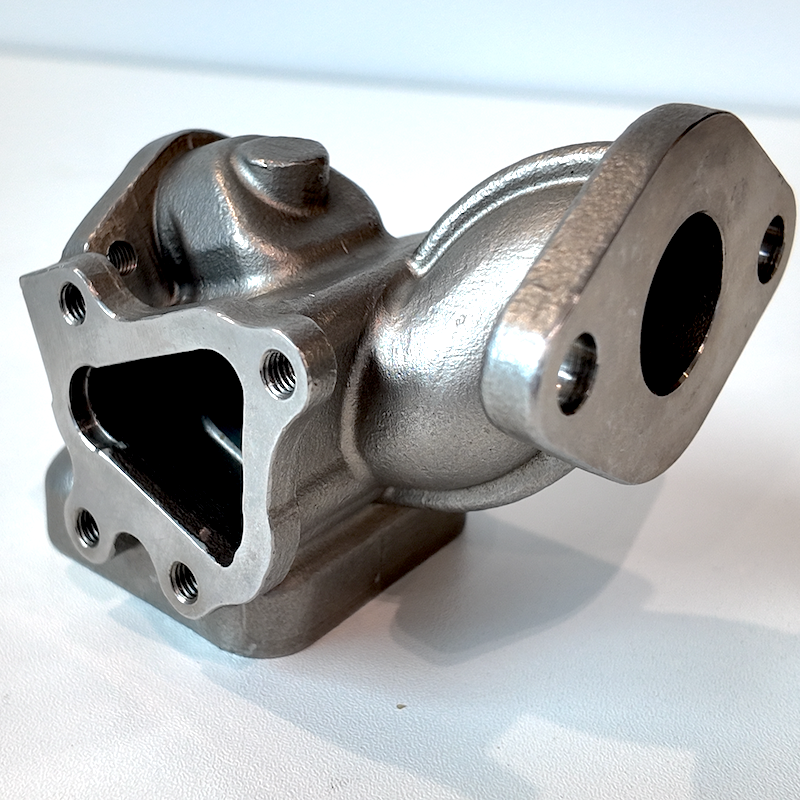
Advanced wax casting technology represents a sophisticated manufacturing process that has revolutionized precision component production across multiple industries. This cutting-edge method combines traditional investment casting principles with modern innovations to create intricate metal parts with exceptional accuracy and surface finish. The advanced wax casting technology begins with the creation of detailed wax patterns that replicate the final product's exact specifications. These patterns are assembled into clusters, coated with specialized ceramic materials, and then subjected to controlled heating processes that remove the wax and create hollow molds. Molten metal is subsequently poured into these cavities, solidifying into components that mirror the original design with remarkable fidelity. The main functions of advanced wax casting technology include producing complex geometries that would be impossible or economically unfeasible through conventional machining, achieving tight dimensional tolerances typically ranging from plus or minus 0.005 inches, and delivering smooth surface finishes that often eliminate secondary operations. The technological features encompass computer-aided design integration for pattern development, automated wax injection systems for consistency, advanced ceramic shell materials that withstand extreme temperatures, and precision pouring techniques that minimize defects. Applications span aerospace components such as turbine blades and structural fittings, medical devices including surgical instruments and implants, automotive parts like transmission components and engine elements, jewelry manufacturing for intricate designs, and industrial equipment requiring specialized geometries. The advanced wax casting technology adapts to various metal alloys including stainless steel, aluminum, bronze, titanium, and superalloys, making it versatile for diverse requirements. Modern facilities employ quality control measures throughout production, utilizing 3D scanning, X-ray inspection, and dimensional verification to ensure every casting meets stringent specifications. This technology continues evolving with digital simulation software that predicts metal flow and solidification patterns, reducing trial-and-error iterations and accelerating time-to-market for new products.

 EN
EN