pokročilá technologie lití voskem
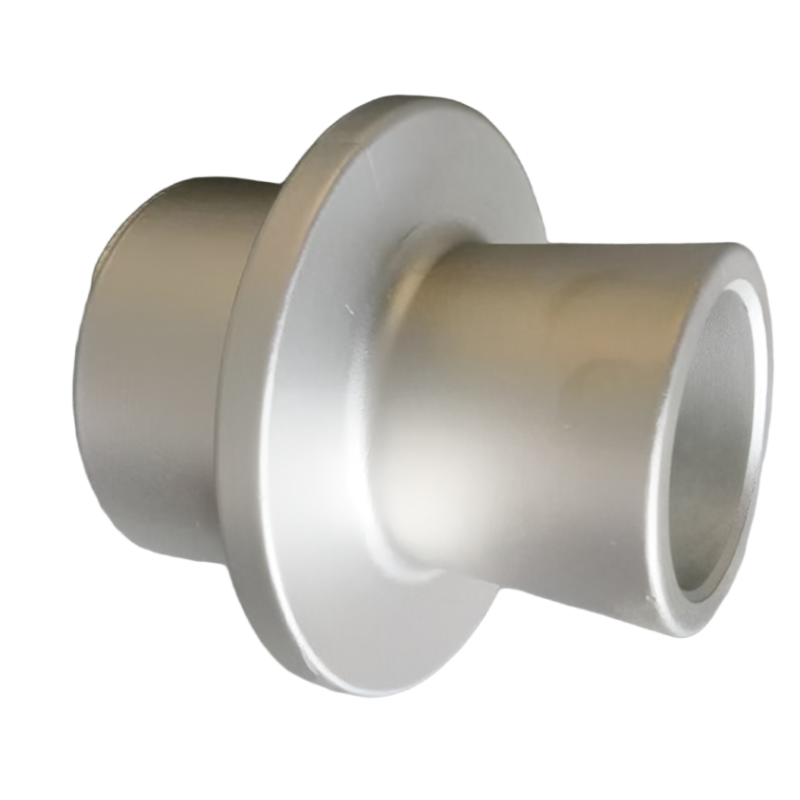
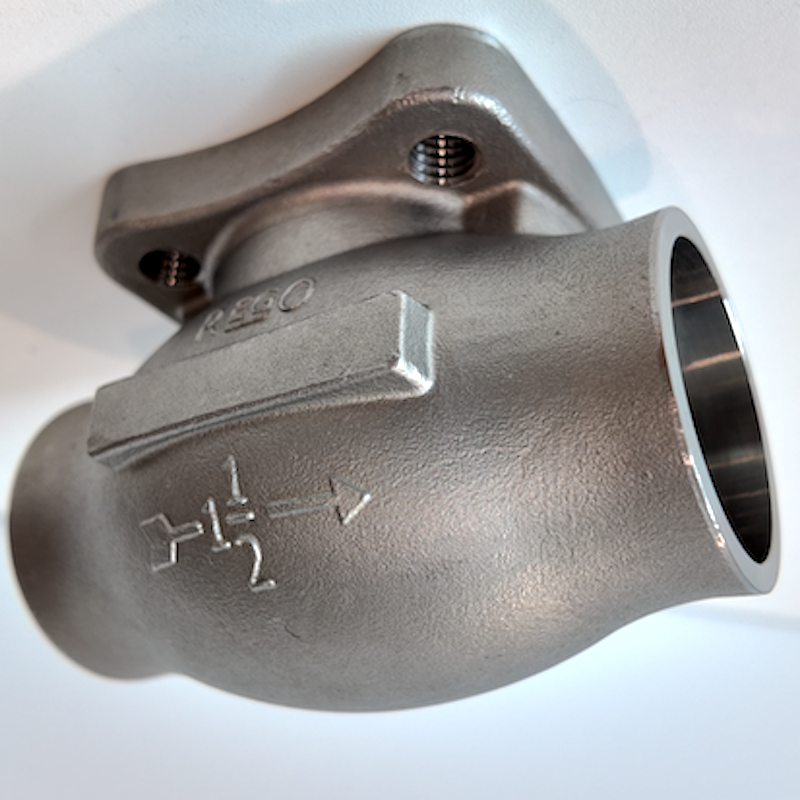
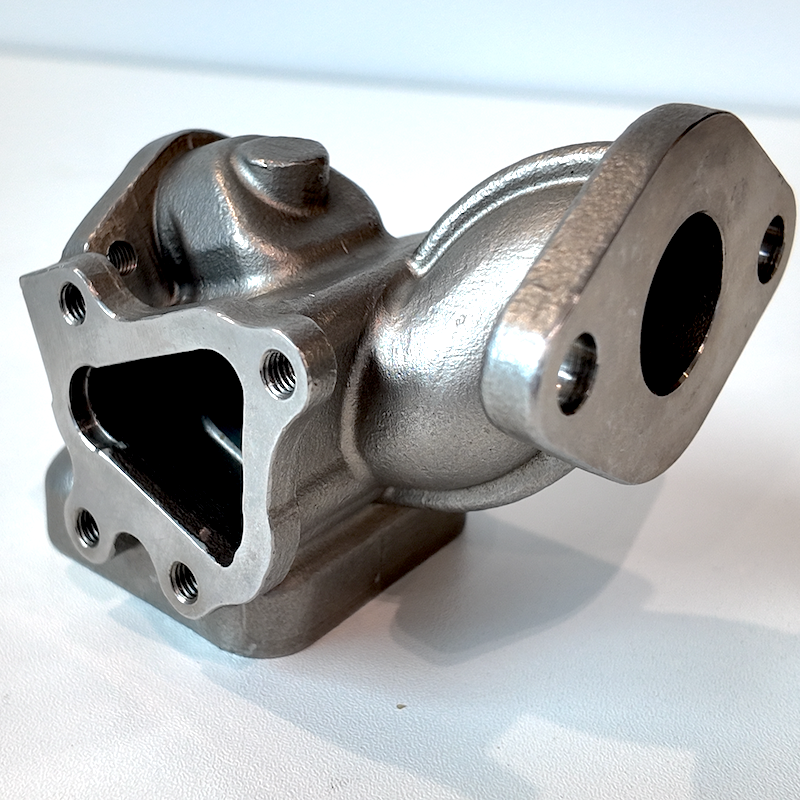
Pokročilá technologie lití do voskových forem představuje sofistikovaný výrobní proces, který revolucionalizoval výrobu přesných součástí v řadě průmyslových odvětví. Tato nejmodernější metoda kombinuje tradiční principy lití do ztracené formy s moderními inovacemi za účelem výroby složitých kovových dílů s výjimečnou přesností a kvalitou povrchu. Pokročilá technologie lití do voskových forem začíná vytvořením detailních voskových modelů, které přesně odpovídají specifikacím konečného výrobku. Tyto modely se sestavují do shluků, potahují se specializovanými keramickými materiály a následně podléhají řízeným tepelným procesům, při nichž se vosk odstraní a vytvoří se duté formy. Do těchto dutin se poté nalévá roztavený kov, který se ztuhne ve výrobky dokonale odpovídající původnímu návrhu. Hlavní funkce pokročilé technologie lití do voskových forem zahrnují výrobu složitých geometrií, které by bylo buď nemožné, nebo ekonomicky neopodstatněné vyrobit konvenčním obráběním, dosažení přesných rozměrových tolerancí obvykle v rozmezí ± 0,005 palce a poskytnutí hladkého povrchu, který často eliminuje nutnost sekundárních operací. Technologické vlastnosti zahrnují integraci počítačem podporovaného návrhu (CAD) pro vývoj modelů, automatické systémy pro vstřikování vosku zajišťující konzistenci, pokročilé keramické formovací materiály odolné vysokým teplotám a přesné techniky lití minimalizující výskyt vad. Aplikace zahrnují letecké a kosmické komponenty, například lopatky turbín a konstrukční spojovací prvky, lékařské přístroje včetně chirurgických nástrojů a implantátů, automobilové díly jako součásti převodovek a motorové prvky, výrobu šperků pro složité návrhy a průmyslové zařízení vyžadující specializované geometrie. Pokročilá technologie lití do voskových forem je vhodná pro různé kovové slitiny, včetně nerezové oceli, hliníku, bronzů, titanu a superlegur, čímž nabízí univerzální použitelnost pro širokou škálu požadavků. Moderní výrobní zařízení uplatňují opatření pro kontrolu kvality v průběhu celého výrobního cyklu, například pomocí 3D skenování, rentgenového průzkumu a rozměrové verifikace, aby bylo zajištěno, že každý odlitek splňuje přísné specifikace. Tato technologie se neustále vyvíjí i díky softwaru pro digitální simulace, který předpovídá tok kovu a vzory tuhnutí, čímž se snižuje počet experimentálních iterací a zkracuje doba vývoje nových výrobků do fáze uvedení na trh.

 EN
EN