Advanced Wax Casting Technology: Precision Investment Casting Solutions for Complex Metal Components

Get a Free Quote

Our representative will contact you soon.
Email
Name
Company Name
Message
0/1000

advanced wax casting technology

Advanced wax casting technology represents a sophisticated manufacturing process that has revolutionized the production of intricate metal components across numerous industries. This precision-driven method, also known as investment casting or lost-wax casting, enables manufacturers to create complex geometries with exceptional dimensional accuracy and superior surface finishes. The advanced wax casting technology begins with the creation of detailed wax patterns that replicate the final desired product. These patterns are assembled onto a central sprue system, forming a tree-like structure that allows multiple parts to be cast simultaneously. The assembly is then dipped repeatedly into ceramic slurry, building up successive layers that create a robust shell mold. Once the ceramic shell hardens sufficiently, the wax is melted away, leaving behind a hollow cavity that perfectly mirrors the original pattern. Molten metal is poured into this cavity, filling every intricate detail before solidifying into the finished component. The main functions of advanced wax casting technology include producing parts with complex internal passages, achieving tight tolerances without extensive machining, creating components with excellent surface quality, and manufacturing pieces that would be difficult or impossible to make through other methods. Technological features distinguish this process from conventional casting approaches. Modern advanced wax casting technology incorporates computer-aided design integration, automated wax injection systems, robotic shell-building equipment, and precise temperature-controlled furnaces. These innovations ensure consistency, repeatability, and quality across production runs. Applications span aerospace components such as turbine blades and structural brackets, medical devices including surgical instruments and implants, automotive parts like transmission components, jewelry manufacturing, industrial equipment, and defense systems. The versatility of advanced wax casting technology makes it indispensable for industries requiring high-performance parts with complex configurations. This method accommodates various alloys including stainless steels, aluminum alloys, titanium, cobalt-chrome, and precious metals. The advanced wax casting technology delivers net-shape or near-net-shape parts, significantly reducing material waste and subsequent machining requirements while maintaining structural integrity throughout the component.

New Products

Advanced wax casting technology offers compelling benefits that directly impact your production efficiency and bottom line. First, this method delivers exceptional dimensional accuracy, typically achieving tolerances within plus or minus five-thousandths of an inch. You receive parts that fit correctly the first time, eliminating costly rework and assembly complications. The precision means your team spends less time on secondary operations and more time on productive activities. Second, the surface finish quality from advanced wax casting technology surpasses most other casting methods. Parts emerge from the process with smooth surfaces that often require minimal finishing work. This saves you money on grinding, polishing, and other surface treatment processes. Your products look better and function more effectively right out of the mold. Third, design freedom stands as a major practical advantage. Advanced wax casting technology allows you to consolidate multiple machined parts into a single cast component. This consolidation reduces assembly time, eliminates potential failure points at joints, and decreases overall production costs. You can incorporate features like undercuts, internal channels, and complex contours that would be prohibitively expensive or impossible with machining alone. Fourth, material efficiency translates to direct cost savings. The process typically achieves ninety percent or better material utilization compared to sixty percent or less with traditional machining from solid stock. You purchase less raw material and generate less scrap, reducing both material costs and waste disposal expenses. Fifth, advanced wax casting technology supports small to medium production runs economically. Unlike die casting or forging that require expensive tooling, wax pattern dies cost significantly less to produce and modify. You can test designs, make improvements, and produce specialized components without massive upfront investments. Sixth, the process accommodates a wide range of metals and alloys. Whether you need corrosion-resistant stainless steel, lightweight aluminum, high-strength titanium, or specialized superalloys, advanced wax casting technology handles them all. This flexibility means you select the optimal material for your application rather than compromising based on manufacturing limitations. Seventh, lead times remain competitive. Modern advanced wax casting technology facilities can move from approved design to finished parts in weeks rather than months. You get to market faster and respond more quickly to customer demands. Finally, consistency across production runs ensures every part meets your specifications. Automated processes within advanced wax casting technology minimize human error and variation. You receive reliable quality whether ordering ten parts or ten thousand, building trust with your customers and reducing warranty claims.

Latest News

Basic Principles Of Design Of Precision Casting Gating System

11

May

Basic Principles Of Design Of Precision Casting Gating System

View More
The Role Of Elements In Castings And The Order Of Addition

11

May

The Role Of Elements In Castings And The Order Of Addition

View More
Stainless Steel Castings for Building Facade Systems

11

May

Stainless Steel Castings for Building Facade Systems

View More
Precision Stainless Steel Exhaust Manifold Casting Solution For Luxury Sedan - With Japanese First-Tier Car Brand

11

May

Precision Stainless Steel Exhaust Manifold Casting Solution For Luxury Sedan - With Japanese First-Tier Car Brand

View More

Get a Free Quote

Our representative will contact you soon.
Email
Name
Company Name
Message
0/1000

advanced wax casting technology

Unmatched Precision for Complex Geometries

Unmatched Precision for Complex Geometries

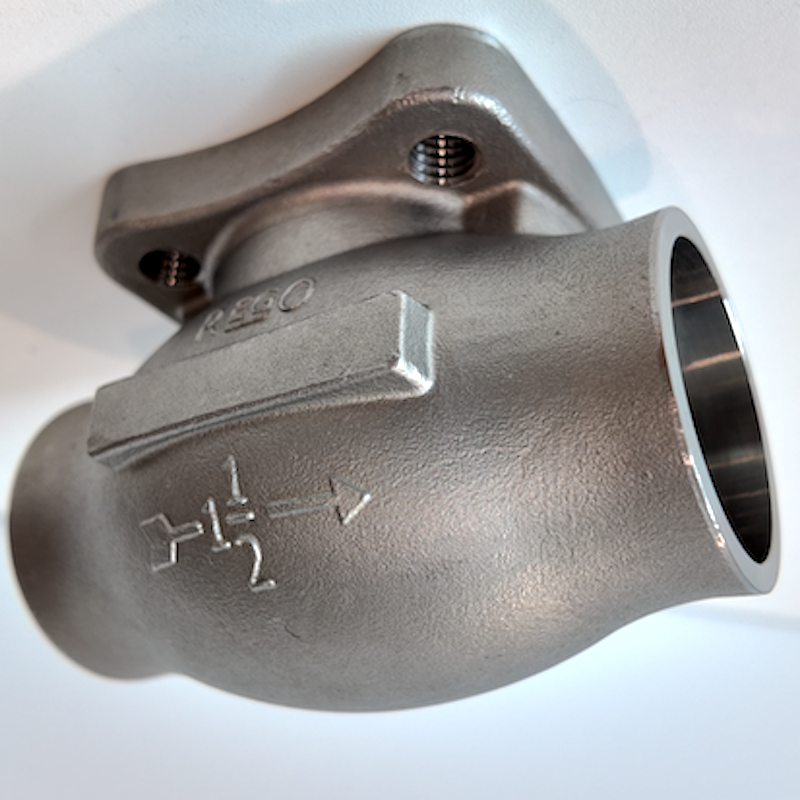
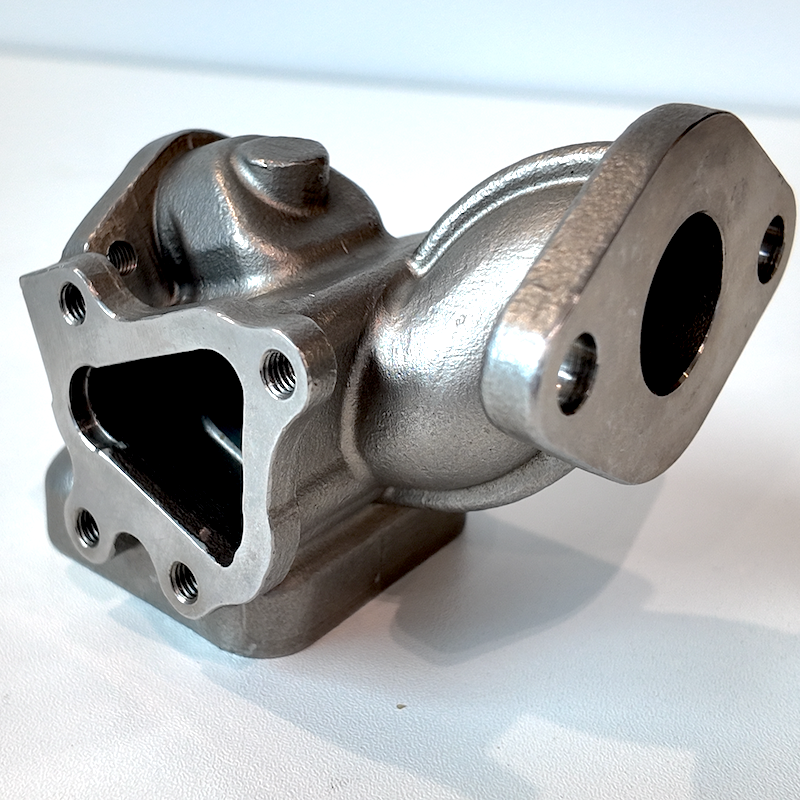
Advanced wax casting technology excels at producing intricate components with geometric complexity that challenges or defeats other manufacturing methods. This capability stems from the fundamental nature of the process, where liquid wax perfectly captures every detail of the master die before ceramic shell construction begins. Engineers and designers gain unprecedented freedom to optimize part functionality without compromising manufacturability. Internal passages for cooling or fluid flow can follow tortuous paths through solid sections, something virtually impossible with conventional machining. Thin walls intersect with thick sections seamlessly, allowing strategic reinforcement exactly where stress analysis indicates necessity. The technology accommodates features like logos, part numbers, and identification marks cast directly into the surface, eliminating secondary marking operations. Undercuts and reverse draft angles that would prevent removal from traditional molds pose no obstacle because the wax pattern releases easily from flexible dies and the ceramic shell breaks away after casting. This geometric freedom enables true functional optimization, where form follows function without manufacturing constraints forcing design compromises. Weight reduction becomes achievable through strategic material placement only where structural analysis demands it, creating lightweight yet strong components essential for aerospace and automotive applications. Advanced wax casting technology maintains dimensional tolerances throughout these complex shapes, typically holding plus or minus 0.005 inches on most features. For critical dimensions requiring even tighter control, strategic machining of specific surfaces provides precision while preserving the cost advantages of near-net-shape casting for the majority of the part. The technology supports wall thickness variations from substantial structural sections down to features as thin as 0.030 inches, permitting designers to optimize material distribution. Multiple parts can consolidate into unified single-piece castings, eliminating fasteners, reducing weight, and improving reliability by removing potential failure points. This consolidation capability represents tremendous value in applications where simplification reduces assembly labor, inventory management complexity, and field maintenance requirements. Prototyping benefits significantly from advanced wax casting technology because pattern dies cost substantially less than hard tooling for other processes, allowing design iterations without prohibitive expenses. Your engineering team can physically test components, gather performance data, and refine designs before committing to high-volume production tooling. The geometric precision of advanced wax casting technology ensures prototypes accurately represent production parts, providing reliable validation data.
Superior Material Properties and Alloy Versatility

Superior Material Properties and Alloy Versatility

Advanced wax casting technology produces components with excellent metallurgical properties across an extraordinarily diverse range of alloys and materials. The process accommodates virtually any metal that can be melted and poured, from common aluminum alloys and stainless steels to exotic superalloys, titanium, and precious metals. This versatility empowers you to select the optimal material for your specific application requirements rather than accepting compromises dictated by manufacturing limitations. Stainless steel castings offer outstanding corrosion resistance for chemical processing equipment, marine applications, and food industry components. Aluminum alloys provide lightweight strength ideal for aerospace and automotive parts where weight reduction directly improves fuel efficiency and performance. Titanium castings deliver exceptional strength-to-weight ratios with biocompatibility crucial for medical implants and surgical instruments. Cobalt-chrome alloys serve demanding applications requiring wear resistance and high-temperature stability. Superalloys based on nickel enable turbine components operating in extreme thermal environments. The controlled solidification inherent in advanced wax casting technology promotes fine grain structures and uniform material properties throughout the component. Directional solidification techniques can be incorporated to optimize grain orientation for specific loading conditions, further enhancing mechanical performance. Heat treatment processes integrate seamlessly after casting to develop desired hardness, strength, and toughness characteristics tailored to your application. The chemical composition remains consistent throughout each part because the process involves melting pure alloy feedstock rather than welding or joining dissimilar materials. This homogeneity ensures predictable behavior under stress, thermal cycling, and corrosive environments. Quality control procedures including spectrographic analysis verify alloy composition, while mechanical testing confirms that strength, ductility, and other properties meet specifications. Non-destructive testing methods such as radiography, ultrasonic inspection, and fluorescent penetrant inspection detect any internal or surface defects before parts enter service. Advanced wax casting technology minimizes porosity through careful control of pouring temperatures, shell permeability, and solidification rates. Modern facilities employ vacuum-assisted pouring and other techniques that further reduce gas entrapment and inclusion formation. The resulting castings exhibit mechanical properties approaching or equaling wrought materials, making them suitable for highly stressed structural applications. Surface integrity remains excellent because the ceramic mold does not react chemically with most alloys, preventing contamination that could compromise fatigue life or corrosion resistance. This material flexibility combined with reliable properties makes advanced wax casting technology the preferred choice for critical components across industries where failure is not acceptable.
Cost Effectiveness Through Reduced Machining and Material Waste

Cost Effectiveness Through Reduced Machining and Material Waste

Advanced wax casting technology delivers substantial economic advantages by producing near-net-shape components that require minimal secondary machining operations. Traditional manufacturing approaches often start with oversized forgings or solid bar stock, then remove the majority of material through time-consuming milling, turning, and drilling operations. This subtractive methodology wastes expensive raw materials, consumes significant machine time, generates disposal costs for chips and swarf, and ties up capital in work-in-process inventory moving through multiple operations. In contrast, advanced wax casting technology creates parts very close to final dimensions directly from the mold, typically requiring only light finishing of critical mating surfaces or precision holes. The material utilization rate commonly exceeds ninety percent, meaning nearly all the metal you purchase ends up in functional parts rather than scrap bins. For expensive alloys like titanium, cobalt-chrome, or specialty stainless steels, this efficiency directly impacts project profitability. The reduced machining requirement translates to lower labor costs, decreased tooling wear, and shorter production cycles. Parts move through your facility faster, improving cash flow and enabling quicker response to customer orders. Setup time decreases because fewer operations mean fewer machine configurations and tool changes. Quality improves because each machining operation introduces potential errors; fewer operations mean fewer opportunities for dimensional drift or surface damage. Advanced wax casting technology proves especially economical for complex parts that would require elaborate multi-axis machining, specialized fixtures, and extensive programming time. Components with internal features, complex contours, or numerous detail elements that might take hours to machine can be cast complete in a single operation. The cost comparison becomes increasingly favorable as part complexity increases, making advanced wax casting technology ideal for sophisticated modern designs. Even for moderate production volumes, the economics remain attractive because wax pattern tooling costs substantially less than die casting dies, forging tools, or extensive machining fixtures. Design changes can be implemented affordably by modifying pattern dies rather than scrapping expensive hard tooling. This flexibility supports continuous improvement initiatives and design optimization throughout a product lifecycle. Inventory management benefits emerge because near-net-shape casting reduces the need for various sizes of raw stock material. You maintain smaller inventories of casting alloy and finished parts rather than extensive bar stock, plate, and forging inventory. Storage space requirements decrease, and capital tied up in raw materials reduces significantly. The combination of material efficiency, reduced machining time, lower tooling costs, and simplified inventory management creates compelling total cost advantages that improve your competitive position and project margins substantially.

Get a Free Quote

Our representative will contact you soon.
Email
Name
Company Name
Message
0/1000