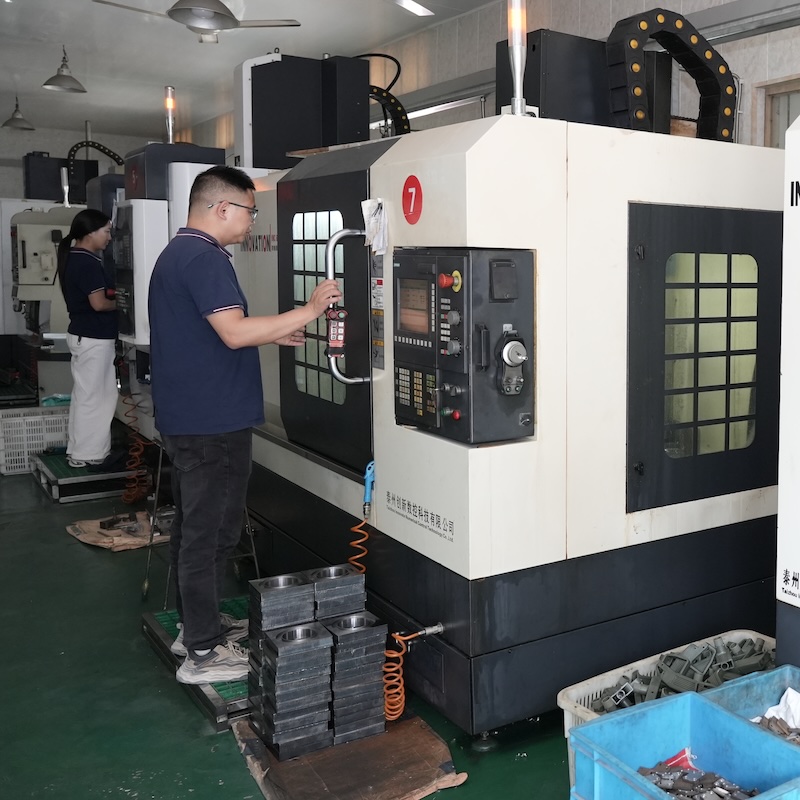
Որակի երաշխավորում և համաստեղություն ամբողջ արտադրական ցիկլի ընթացքում
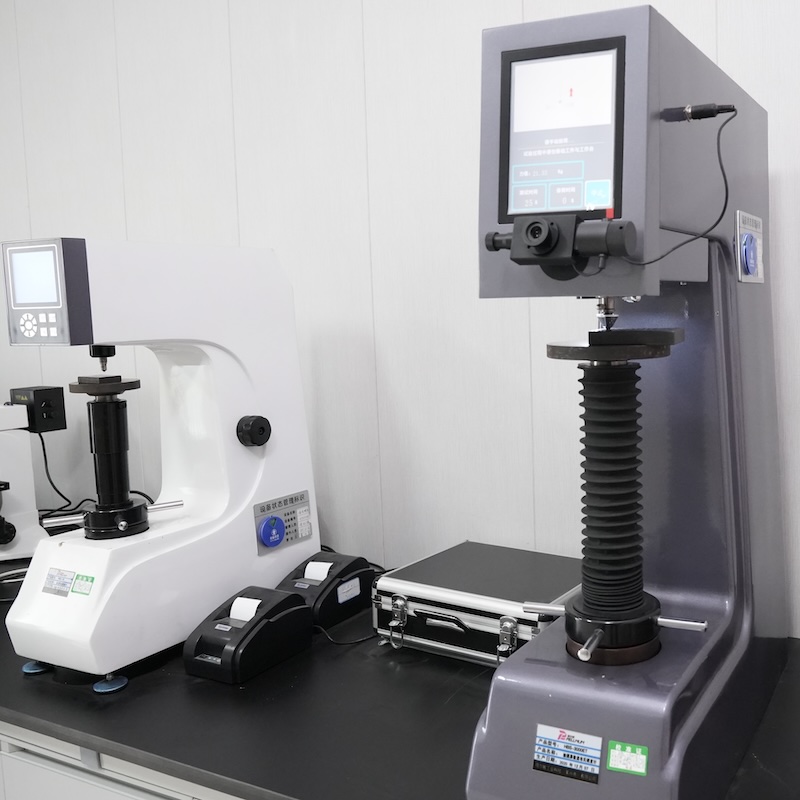
Ճշգրտությամբ մետաղական մշակման ծառայությունները ստեղծում են խիստ որակի ապահովման համակարգեր, որոնք երաշխավորում են համապատասխան արդյունքներ սկզբնական նախատիպերից մինչև մեծ ծավալներով արտադրության շարքերը, ինչը սպառողներին տալիս է վստահություն, որ յուրաքանչյուր բաղադրիչ համապատասխանում է սահմանված պահանջներին՝ անկախ պատվերի չափից կամ ժամանակահատվածից: Որակի նկատմամբ այս հավատարմությունը սկսվում է մուտքային նյութերի ստուգմամբ, երբ ճշգրտությամբ մետաղական մշակման ծառայությունները ստուգում են քիմիական կազմը, մեխանիկական հատկությունները և ֆիզիկական չափսերը՝ համեմատելով հավաստագրերի հետ, որպեսզի արտադրության գործընթացի մեջ մտնեն միայն համապատասխան նյութեր: Գործընթացի վերահսկման համակարգերը անընդհատ վերահսկում են կրիտիկական պարամետրերը մշակման գործողությունների ընթացքում՝ հետևելով կտրման արագություններին, ձևավորման ճնշումներին, եռակցման ջերմաստիճաններին և այն միջավայրային պայմաններին, որոնք ազդում են վերջնական բաղադրիչների հատկությունների վրա: Վիճակագրական գործընթացի վերահսկման մեթոդաբանությունները հայտնաբերում են միտումները մինչև դրանք հանգեցնեն չհամապատասխանող մասերի, ինչը ճշգրտությամբ մետաղական մշակման ծառայություններին հնարավորություն է տալիս կատարել կանխատեսված ճշգրտումներ, որոնք պահպանում են գործընթացի կայունությունը և նվազեցնում են թափոնների մակարդակը: Առաջին նմուշի ստուգման պրոտոկոլները երաշխավորում են, որ նոր արտադրական շարքերը ճիշտ են սկսվում՝ ամբողջական չափագրական ստուգմամբ, մակերևույթի վերջնական մշակման գնահատականով և գործառնական փորձարկումներով, որոնք հաստատում են, ո что սարքավորման ընթացակարգերը հասել են նախատեսված արդյունքներին՝ մինչև ամբողջական արտադրական ծավալների վրա անցնելը: Արտադրության ռազմավարական փուլերում իրականացվող միջանկյալ ստուգումները վաղ են հայտնաբերում շեղումները, երբ ճշգրտումները ավելի քիչ են արժեցել և ազդում են ավելի քիչ ժամանակացույցի վրա, ինչը սուր հակադրվում է վերջնական ստուգմանը, որտեղ խնդիրները հայտնաբերվում են միայն այն դեպքում, երբ արդեն զգալի արժեք է ավելացվել: Ճշգրտությամբ մետաղական մշակման ծառայությունները օգտագործում են կալիբրված չափման սարքավորումներ, որոնք հետևում են ազգային ստանդարտներին, ինչը երաշխավորում է չափագրական ստուգման ճշգրտությունը և համապատասխանությունը տարբեր չափման սարքերի և աշխատակիցների միջև: Թվային փաստաթղթավորման համակարգերը մատակարարում են ամբողջական արտադրական պատմություն՝ ներառյալ նյութերի հավաստագրերը, գործընթացի պարամետրերը, ստուգման արդյունքները և օպերատորների նույնականացումը, ինչը ապահովում է հետագծելիությունը՝ բավարարելով կարգավորիչ պահանջները և աջակցելով արմատային պատճառի վերլուծությանը, եթե առաջանան խնդիրներ: Չվնասվող փորձարկման հնարավորությունները, այդ թվում՝ ներկային թափանցման ստուգումը, մագնիսական մասնիկների փորձարկումը և ուլտրաձայնային հետազոտությունը, ստուգում են եռակցման ամրությունը և հայտնաբերում են ենթամակերևույթային սխալները՝ առանց բաղադրիչների վնասման: Վերջնական ստուգման ընթացակարգերը հիմնավորված են բոլոր կրիտիկական հատկանիշների մանրակրկիտ գնահատմամբ՝ մինչև ճշգրտությամբ մետաղական մշակման ծառայությունները թույլատրեն բաղադրիչների ուղարկումը, այդ թվում՝ չափագրական ստուգումը, տեսական ստուգումը, մակերևույթի վերջնական մշակման գնահատականը և համապատասխան գործառնական փորձարկումները: Որակի կառավարման համակարգերը, որոնք սերտիֆիկացված են ISO 9001-ի կամ արդյունաբերության հատուկ ստանդարտների՝ օրինակ՝ ավիատիեզերական ոլորտի համար AS9100-ի կամ բժշկական սարքավորումների համար ISO 13485-ի, ցույց են տալիս, որ ճշգրտությամբ մետաղական մշակման ծառայությունները կիրառում են կառուցված մոտեցումներ որակի ապահովման հարցում՝ այլ ոչ թե հիմնվելով առանձին անձանց ջանքերի վրա: Այս համապարփակ որակի ապահովման ենթակառուցվածքը նշանակում է, որ սպառողները ստանում են բաղադրիչներ, որոնք համապատասխանում են սահմանված պահանջներին, արտադրական շարքեր, որոնք տալիս են կանխատեսելի ելքեր, և արտադրական գործընկերություններ, որոնք հիմնված են վստահության և ցուցադրված հմտության վրա՝ այլ ոչ թե հույսի և ստուգման հիման վրա կատարվող տեսակավորման վրա:

 EN
EN