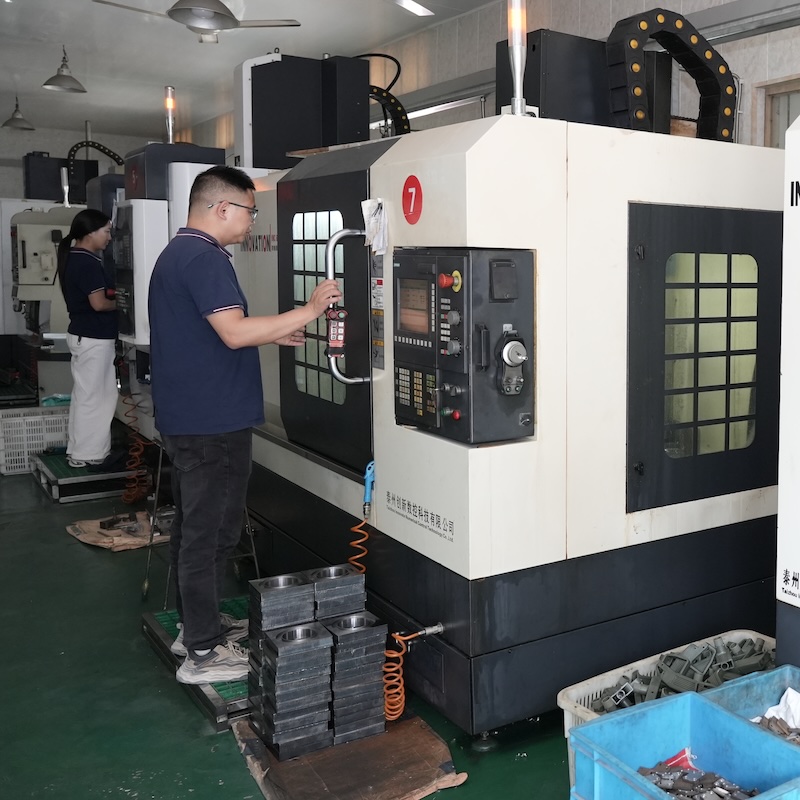
درست دھاتی تعمیر کی خدمات
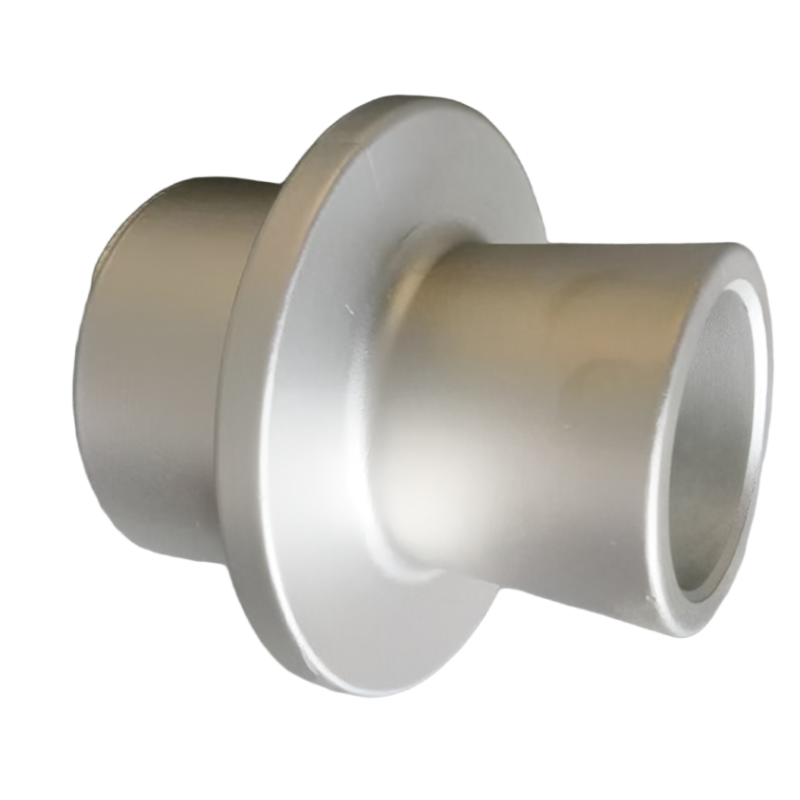
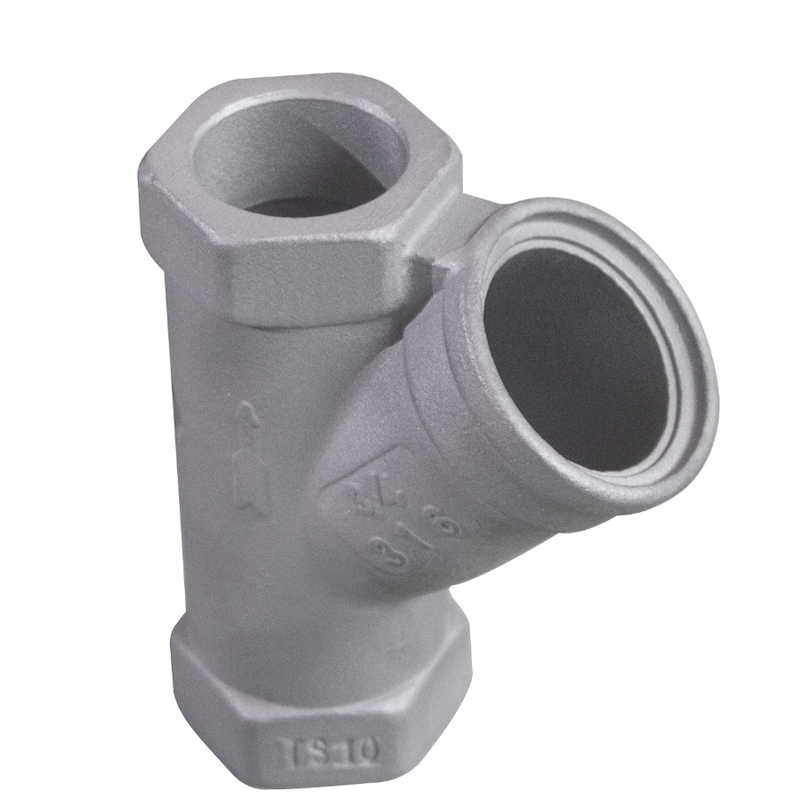
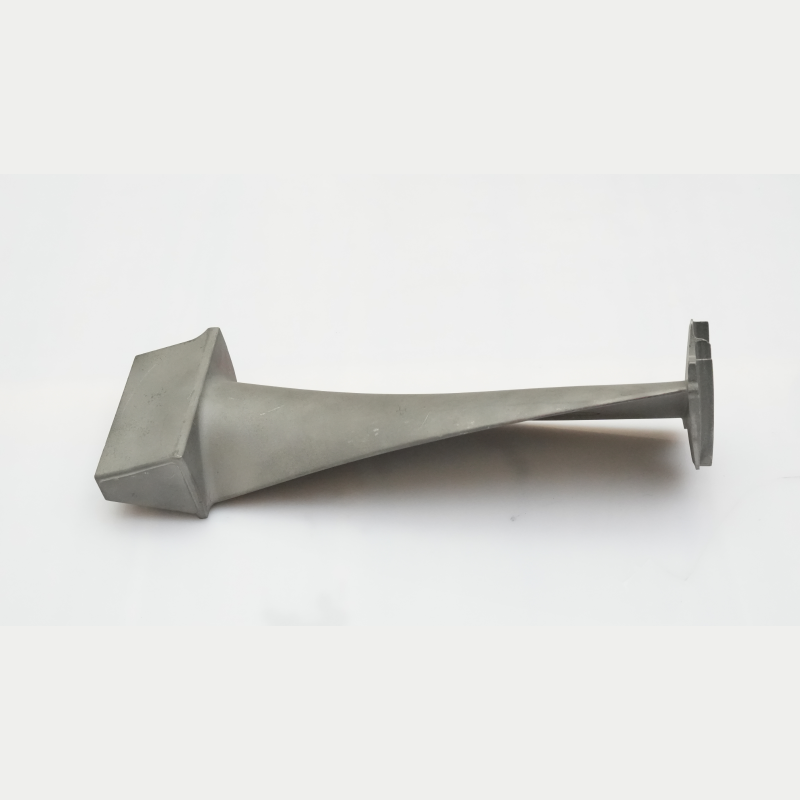
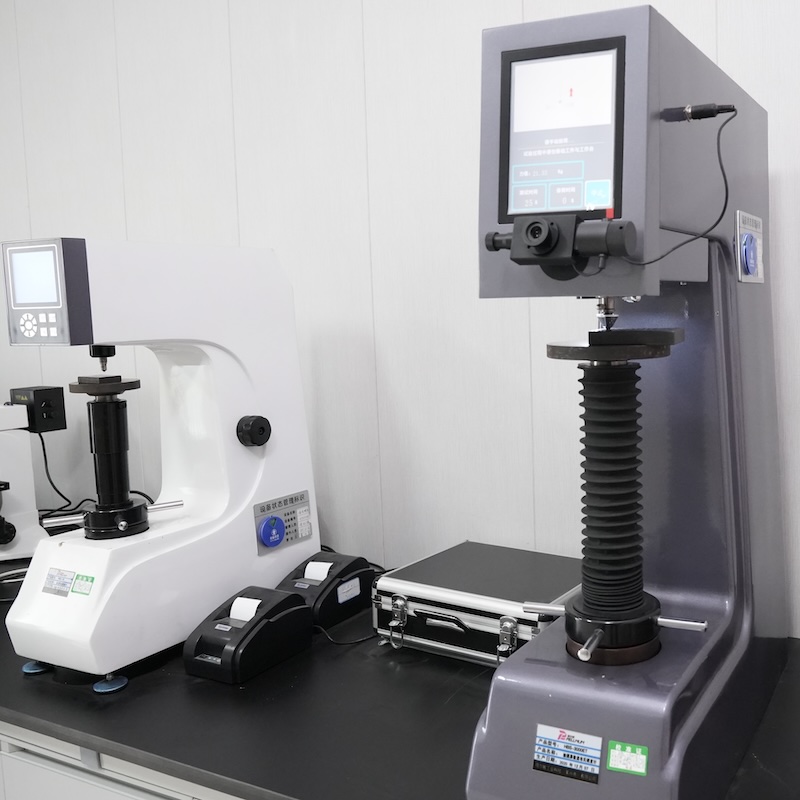
درستی کے ساتھ دھاتی تراش خراش کی خدمات ایک پیچیدہ تیاری حل کی نمائندگی کرتی ہیں جو جدید کٹنگ، شکل دینے، ویلڈنگ اور آخری مراحل کے عمل کے ذریعے خام دھاتی مواد کو بہت درست اجزاء اور اسمبلیوں میں تبدیل کرتی ہیں۔ یہ خدمات دھات کے کام کی ایک مکمل حد تک پھیلی ہوئی صلاحیتوں کو شامل کرتی ہیں جو سخت معیارات کو پورا کرنے اور تیاری کے دوران مستقل معیار کی ترسیل کے لیے ڈیزائن کی گئی ہیں۔ درستی کے ساتھ دھاتی تراش خراش کی خدمات کے بنیادی افعال میں جامع نمونوں کے لیے لیزر کٹنگ، ابعادی درستگی کے لیے سی این سی مشیننگ، پیچیدہ ہندسیات کے لیے شیٹ دھات کی شکل دینے کا عمل، ساختی مضبوطی کے لیے ویلڈنگ، اور بہتر پائیداری اور ظاہری خوبصورتی کے لیے سطحی آخری مراحل شامل ہیں۔ یہ یکجہتی حاصل کرنے والا طریقہ کار صنعت کاروں کو مائیکرون سطح کی رواداری کے ساتھ سادہ بریکٹس سے لے کر پیچیدہ اسمبلیوں تک تیار کرنے کی اجازت دیتا ہے۔ جدید درستی کے ساتھ دھاتی تراش خراش کی خدمات کو ممتاز کرنے والی ٹیکنالوجی کی خصوصیات میں کمپیوٹر ایڈیڈ ڈیزائن کا اندراج، خودکار مواد کے انتظام کے نظام، حقیقی وقت کی معیار کی نگرانی، اور متعدد محور کی مشیننگ کی صلاحیتیں شامل ہیں جو تیاری کے عمل کے دوران دہرائی اور درستگی کو یقینی بناتی ہیں۔ جدید سافٹ ویئر کنٹرولز متعدد آپریشنز کو بے رُکاوٹ طور پر منسلک کرتے ہیں، جس سے انسانی غلطیاں کم ہوتی ہیں اور کارکردگی زیادہ سے زیادہ ہوتی ہے۔ درستی کے ساتھ دھاتی تراش خراش کی خدمات کے استعمال مختلف صنعتوں میں پھیلے ہوئے ہیں، بشمول ہوائی جہاز سازی، طبی آلات، خودکار گاڑیاں، الیکٹرانکس، ٹیلی کامیونیکیشن، دفاع، اور صنعتی سامان کی تیاری۔ ہوائی جہاز سازی میں، یہ خدمات سخت حفاظتی معیارات کو پورا کرنے والے ہلکے وزن کے ساختی اجزاء تیار کرتی ہیں۔ طبی آلات کے صنعت کار درستی کے ساتھ دھاتی تراش خراش کی خدمات پر جراحی کے آلات اور بایوکمپیٹبل ختم شدہ داخلی اجزاء تیار کرنے کے لیے انحصار کرتے ہیں۔ خودکار گاڑیوں کے شعبے میں انجن کے اجزاء، چیسس کے حصے، اور خاص فکسچرز تیار کرنے کے لیے ان صلاحیتوں کا استعمال کیا جاتا ہے۔ الیکٹرانکس کے صنعت کار حساس اجزاء کی حفاظت کے لیے کیس، حرارت کے سنک، اور ماؤنٹنگ ہارڈ ویئر تیار کرنے کے لیے درستی کے ساتھ دھاتی تراش خراش کی خدمات پر انحصار کرتے ہیں۔ درستی کے ساتھ دھاتی تراش خراش کی خدمات کی تنوع پسندی انہیں نئے ڈیزائن کے نمونوں (پروٹو ٹائپنگ) کے لیے، تیاری کے حجم کو بڑھانے کے لیے، اور مختلف تیاری کی ضروریات کے تحت مستقل معیار کے معیارات کو برقرار رکھنے کے لیے ناگزیر بناتی ہے، جس سے یہ یقینی بنایا جا سکتا ہے کہ کاروبار نئی مصنوعات کو کارآمد طریقے سے منڈی میں لاسکیں اور اپنے مقابلے کے فائدے کو برقرار رکھ سکیں۔

 EN
EN