Medical Equipment Structural Castings Factory - Precision Components for Healthcare Devices

Get a Free Quote

Our representative will contact you soon.
Email
Name
Company Name
Message
0/1000

medical equipment structural castings factory

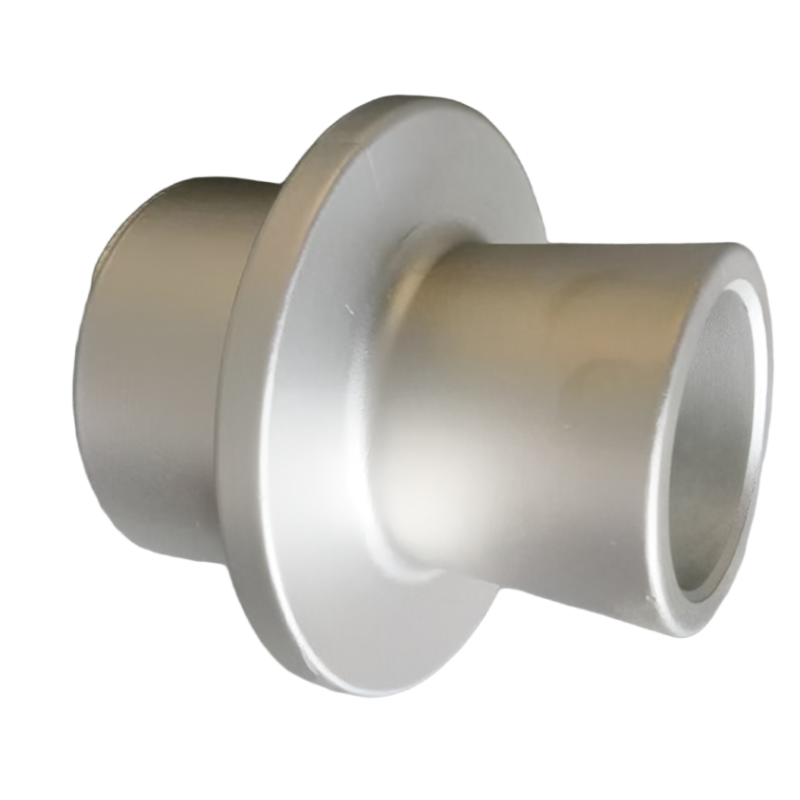
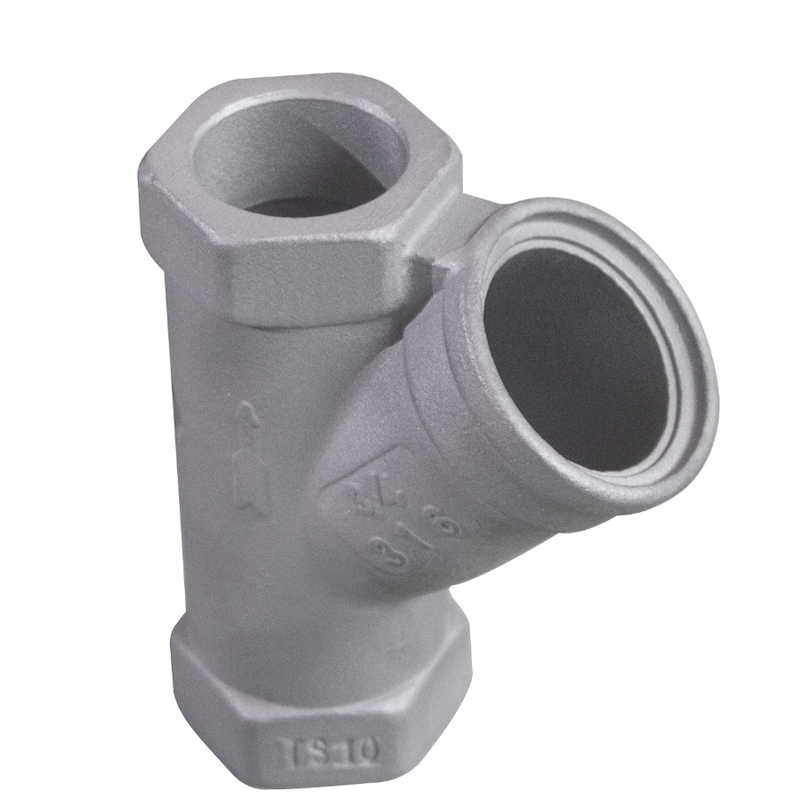
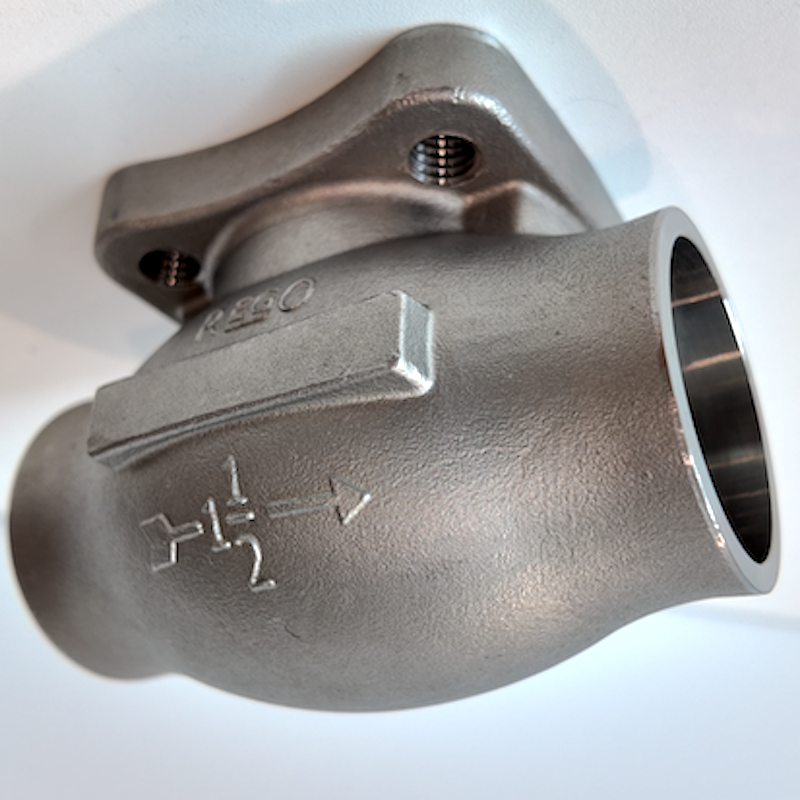
A medical equipment structural castings factory represents a specialized manufacturing facility dedicated to producing high-precision metal components that form the backbone of modern healthcare devices and equipment. These factories combine advanced metallurgical processes with stringent quality control systems to create structural elements that meet the exacting standards required in medical applications. The primary function of a medical equipment structural castings factory involves transforming raw metal alloys into precisely shaped components through various casting methods including investment casting, die casting, and sand casting. These structural castings serve as the fundamental framework for medical imaging machines, surgical tables, hospital beds, diagnostic equipment, rehabilitation devices, and numerous other healthcare apparatus. The technological features distinguishing these factories include computer-aided design integration, automated pouring systems, advanced temperature control mechanisms, and multi-stage inspection protocols that ensure dimensional accuracy and material integrity. Modern medical equipment structural castings factory operations employ sophisticated simulation software to predict metal flow patterns, solidification behaviors, and potential defect formation before actual production begins. This predictive capability significantly reduces waste and enhances component reliability. The applications of products manufactured in a medical equipment structural castings factory span across multiple healthcare sectors. Diagnostic equipment manufacturers rely on these precision castings for MRI machine housings, CT scanner frames, and X-ray equipment supports. Surgical instrument producers utilize smaller precision castings for specialized tool components that require biocompatible materials and exceptional strength-to-weight ratios. The factory environment maintains strict contamination controls, as even minor impurities can compromise the performance and safety of medical equipment components. Quality certifications such as ISO 13485 and FDA compliance standards govern production processes, ensuring that every casting meets regulatory requirements for medical device manufacturing. The medical equipment structural castings factory also plays a crucial role in innovation, working closely with medical device designers to develop new alloy formulations and casting techniques that enable lighter, stronger, and more durable equipment structures that ultimately improve patient care and clinical outcomes.

Popular Products

Choosing a medical equipment structural castings factory brings numerous practical benefits that directly impact your product quality, production efficiency, and business success. First and foremost, these specialized facilities offer unmatched precision that standard manufacturing operations simply cannot achieve. When your medical devices require components with tolerances measured in fractions of millimeters, you need manufacturing partners who understand these demands and possess the equipment to deliver consistently. The precision casting processes eliminate the need for extensive secondary machining, which saves both time and money while reducing the risk of dimensional errors that could compromise equipment functionality. Another significant advantage comes from material expertise. Medical equipment structural castings factory teams understand which alloys perform best under different stress conditions, temperature ranges, and sterilization procedures. This knowledge helps you select optimal materials that balance strength, weight, corrosion resistance, and cost considerations. You gain access to specialized alloys including stainless steel grades, titanium variants, and aluminum compositions specifically formulated for medical applications. The factory can guide you toward materials that meet biocompatibility requirements when components contact patients or bodily fluids. Cost efficiency represents another compelling advantage. While initial tooling investments exist, casting processes produce near-net-shape components that minimize material waste compared to subtractive manufacturing methods. For medium to high volume production runs, the per-unit cost decreases substantially, improving your profit margins without sacrificing quality. The medical equipment structural castings factory also reduces your supply chain complexity by providing finished or near-finished components that arrive ready for assembly, eliminating multiple vendor relationships and associated coordination challenges. Speed to market improves when working with experienced casting specialists. Their process knowledge accelerates prototype development, allowing you to test designs quickly and iterate efficiently. Once designs finalize, production scales rapidly without the lengthy setup times required by alternative manufacturing methods. Quality assurance systems built into every production stage provide confidence that components meet specifications consistently. Advanced inspection technologies including coordinate measuring machines, radiographic testing, and metallurgical analysis detect potential issues before they reach your assembly line. This proactive quality approach protects your reputation and reduces warranty claims. Finally, regulatory compliance support from knowledgeable factory personnel helps navigate complex medical device regulations, ensuring your components meet all necessary standards and documentation requirements for successful market entry across different geographical regions.

Latest News

Selection And Application Scope Of Hardness Tester

11

May

Selection And Application Scope Of Hardness Tester

View More
Stainless Steel Castings for Architectural Posts

11

May

Stainless Steel Castings for Architectural Posts

View More
Stainless Steel Castings for Building Facade Systems

11

May

Stainless Steel Castings for Building Facade Systems

View More
Precision Stainless Steel Exhaust Manifold Casting Solution For Luxury Sedan - With Japanese First-Tier Car Brand

11

May

Precision Stainless Steel Exhaust Manifold Casting Solution For Luxury Sedan - With Japanese First-Tier Car Brand

View More

Get a Free Quote

Our representative will contact you soon.
Email
Name
Company Name
Message
0/1000

medical equipment structural castings factory

Advanced Precision Engineering for Critical Medical Applications

Advanced Precision Engineering for Critical Medical Applications

The medical equipment structural castings factory employs state-of-the-art precision engineering capabilities that set the foundation for manufacturing components where failure is not an option. In medical environments, equipment reliability directly correlates with patient safety and treatment efficacy, making dimensional accuracy and structural integrity paramount concerns. These specialized factories invest heavily in advanced casting technologies that achieve tolerances within 0.001 inches, ensuring components fit together perfectly during equipment assembly. The precision engineering process begins with detailed three-dimensional modeling where design engineers collaborate with medical device manufacturers to optimize component geometry for both functional performance and manufacturing efficiency. Computational fluid dynamics simulations predict how molten metal will flow through mold cavities, identifying potential turbulence zones that could trap air or create porosity defects. Solidification modeling reveals thermal gradients that influence grain structure and mechanical properties, allowing process engineers to adjust cooling rates and feeding strategies that eliminate shrinkage defects. This virtual prototyping reduces physical trial iterations, accelerating development timelines while minimizing tooling costs. The medical equipment structural castings factory utilizes precision investment casting for components requiring exceptional surface finish and intricate geometries. This lost-wax process creates ceramic molds with internal cavities that capture fine details impossible with conventional casting methods. The resulting castings emerge with smooth surfaces that reduce stress concentrations and minimize post-processing requirements. For larger structural components like equipment frames and housings, advanced sand casting techniques employ resin-bonded sands and automated molding systems that maintain consistent density and dimensional stability. Computer-controlled pouring systems deliver molten metal at precisely regulated temperatures and flow rates, ensuring complete cavity filling without turbulence-induced defects. Multi-axis robotic systems handle molds and castings with repeatable positioning accuracy, eliminating variables introduced by manual handling. Automated heat treatment systems subject castings to carefully controlled thermal cycles that optimize mechanical properties including tensile strength, yield strength, and fatigue resistance. Non-destructive testing including ultrasonic inspection, radiographic examination, and magnetic particle testing verifies internal soundness without damaging components. Coordinate measuring machines with laser scanning capabilities verify dimensional conformance across hundreds of measurement points, generating detailed inspection reports that provide complete traceability for regulatory compliance documentation.
Comprehensive Material Selection and Biocompatibility Expertise

Comprehensive Material Selection and Biocompatibility Expertise

One of the most valuable differentiators of a specialized medical equipment structural castings factory lies in its deep materials science knowledge and ability to work with biocompatible alloys that meet stringent healthcare industry requirements. Medical devices face unique operational challenges including repeated sterilization cycles, exposure to bodily fluids, chemical cleaning agents, and demanding mechanical loads that components must withstand throughout extended service lives. Selecting appropriate materials requires understanding not only mechanical properties but also corrosion resistance, biocompatibility, sterilization compatibility, and long-term stability characteristics. The medical equipment structural castings factory maintains extensive material libraries encompassing austenitic stainless steels like 316L that offer excellent corrosion resistance and proven biocompatibility for components contacting patients. For applications requiring higher strength-to-weight ratios, titanium alloys including Ti-6Al-4V provide exceptional mechanical properties with outstanding biocompatibility, though requiring specialized casting techniques due to titanium's high melting point and reactivity with atmospheric gases. Aluminum alloys serve applications where lightweight construction enables equipment mobility while maintaining structural rigidity, with specific compositions chosen based on strength requirements and surface treatment compatibility. Material selection extends beyond base alloy chemistry to encompass microstructural considerations that influence performance. The factory's metallurgical experts understand how cooling rates affect grain size, how alloying elements partition during solidification, and how subsequent heat treatments modify phase distributions to achieve optimal property combinations. This knowledge proves particularly valuable when developing custom alloy formulations for specialized applications where standard materials fall short of requirements. Biocompatibility testing capabilities or partnerships with certified laboratories ensure materials meet ISO 10993 standards for biological evaluation of medical devices. The medical equipment structural castings factory conducts or coordinates cytotoxicity testing, sensitization studies, and irritation assessments that verify material safety for intended applications. This comprehensive approach to material qualification protects device manufacturers from costly recalls or regulatory issues stemming from material incompatibility. Documentation systems track material certifications, heat lot traceability, and test results throughout production, providing complete material genealogy that regulatory agencies require during device approval processes. When new medical technologies emerge requiring novel material solutions, the factory's research and development capabilities explore innovative alloy systems, casting process modifications, and post-processing treatments that expand possibilities for medical device designers seeking competitive advantages through materials innovation.
Rigorous Quality Systems and Regulatory Compliance Infrastructure

Rigorous Quality Systems and Regulatory Compliance Infrastructure

The medical equipment structural castings factory distinguishes itself through comprehensive quality management systems specifically designed to meet the exacting standards governing medical device component manufacturing. Unlike general industrial casting operations, medical component production operates under regulatory frameworks including FDA Quality System Regulations, ISO 13485 medical device quality management standards, and various international compliance requirements that mandate documented procedures, validation protocols, and traceability systems at every production stage. These quality infrastructures provide medical device manufacturers with confidence that components consistently meet specifications and regulatory expectations. The foundation of quality assurance begins with validated manufacturing processes where every step undergoes formal qualification studies demonstrating process capability and reproducibility. Installation qualification verifies equipment installation correctness, operational qualification confirms equipment operates within specified parameters across its operating range, and performance qualification demonstrates consistent production of acceptable components during actual manufacturing conditions. These validation protocols generate extensive documentation that regulatory auditors review during facility inspections and that device manufacturers reference when preparing their own regulatory submissions. In-process monitoring systems continuously track critical parameters including metal temperature, mold temperature, pouring time, and cooling rates, with automated data collection eliminating transcription errors while providing real-time process visibility. Statistical process control charts identify trends before they result in nonconforming components, enabling proactive adjustments that maintain process stability. The medical equipment structural castings factory implements incoming material inspection protocols that verify raw material certifications, conduct chemical composition analysis, and perform mechanical property testing on representative samples before materials enter production. This incoming quality control prevents defective materials from compromising component quality. First article inspection procedures verify that initial production units from new tooling or after process changes meet all dimensional, metallurgical, and surface finish requirements before full production authorization. Dimensional inspection utilizing coordinate measuring machines captures hundreds of measurement points compared against CAD models, generating detailed deviation reports. Metallurgical analysis including microstructure examination, grain size measurement, and inclusion rating ensures internal quality meets specifications. Surface finish measurement using profilometers quantifies roughness parameters critical for cleaning effectiveness and bacterial adhesion resistance. Final inspection procedures subject every component or statistically appropriate samples to comprehensive examination before shipment authorization. Non-destructive testing methods detect internal defects without component damage, with techniques selected based on material type, geometry, and criticality. Documentation systems maintain complete traceability linking finished components back through production records, material certifications, inspection results, and process parameters, enabling rapid investigation should field issues arise and providing regulatory agencies with transparency into manufacturing controls that ensure patient safety.

Get a Free Quote

Our representative will contact you soon.
Email
Name
Company Name
Message
0/1000