OEM Precision Casting Manufacturer - Custom Metal Components with Superior Quality

Get a Free Quote

Our representative will contact you soon.
Email
Name
Company Name
Message
0/1000

oem precision casting manufacturer

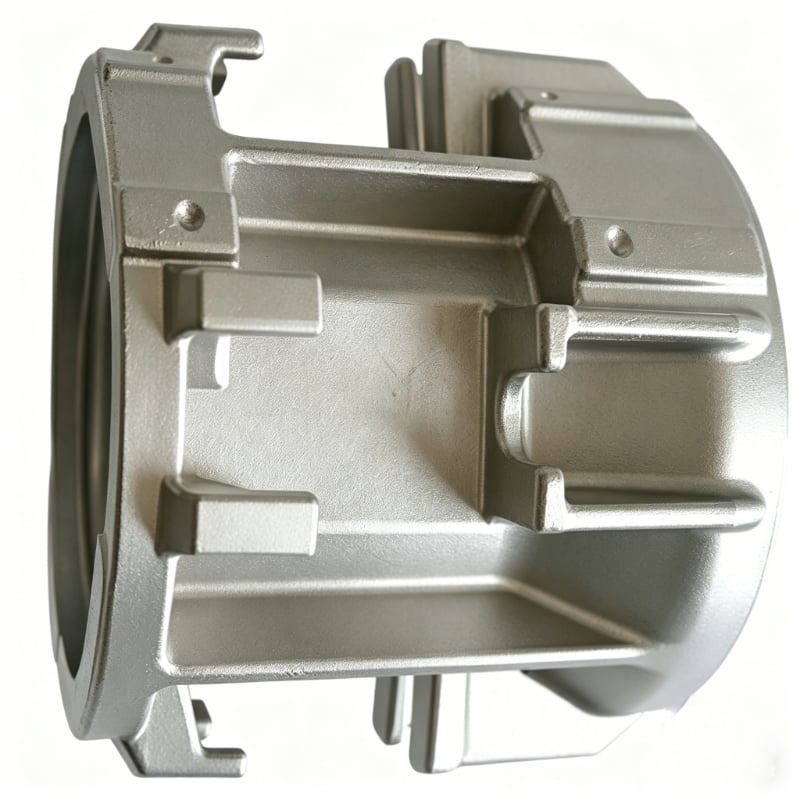
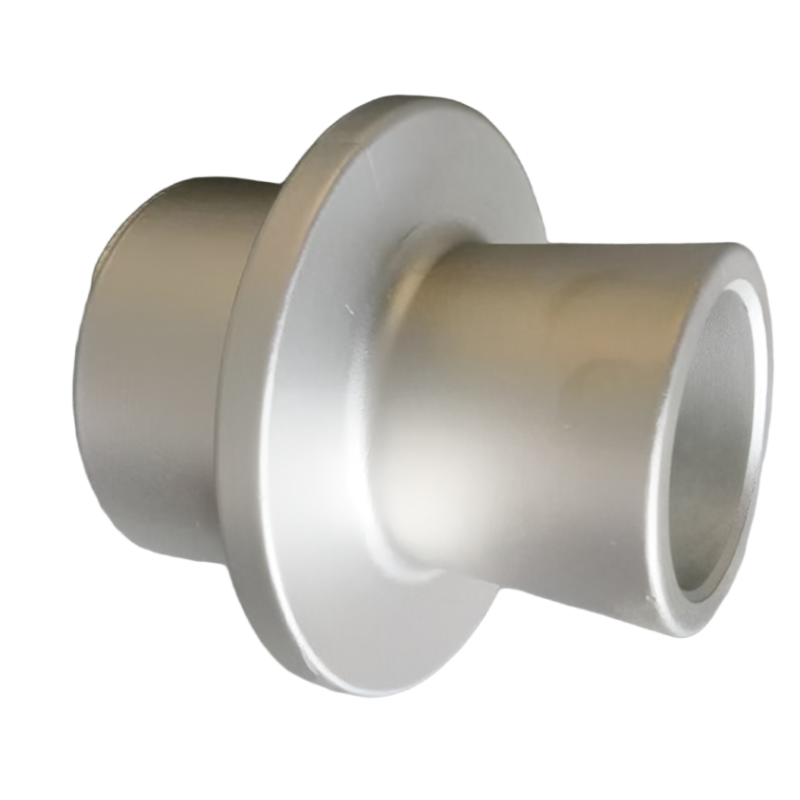
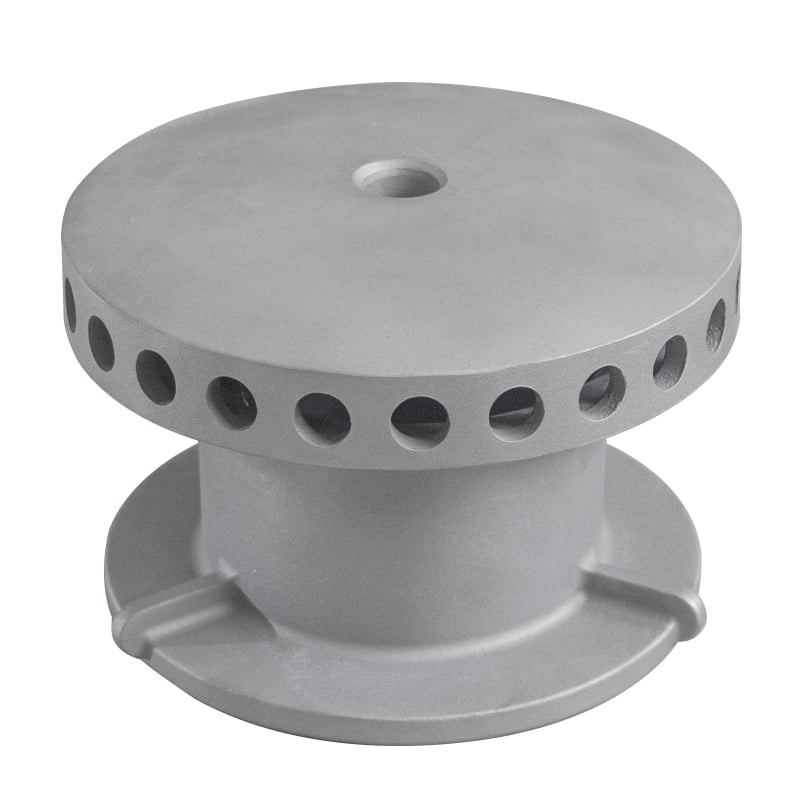
An OEM precision casting manufacturer specializes in producing high-quality metal components through advanced casting processes for original equipment manufacturers across diverse industries. These specialized facilities utilize investment casting, also known as lost-wax casting, to create intricate metal parts with exceptional dimensional accuracy and superior surface finishes. The main functions of an OEM precision casting manufacturer include designing custom molds, producing prototypes, executing full-scale production runs, and delivering finished components that meet exact specifications. The technological features employed by these manufacturers incorporate computer-aided design software, three-dimensional modeling capabilities, sophisticated simulation tools, and state-of-the-art metallurgical equipment. Modern OEM precision casting manufacturer facilities utilize vacuum casting, pressure-assisted casting, and temperature-controlled environments to ensure consistent quality across every production batch. These manufacturers work with various alloy materials including stainless steel, carbon steel, aluminum alloys, copper alloys, and specialized superalloys depending on application requirements. Applications span multiple sectors such as aerospace, automotive, medical devices, industrial machinery, energy generation, marine equipment, and defense systems. The precision casting process enables the creation of complex geometries that would be difficult or impossible to achieve through traditional machining methods. An OEM precision casting manufacturer provides end-to-end solutions from initial concept development through final inspection and delivery. Quality control measures include dimensional verification, non-destructive testing, metallurgical analysis, and comprehensive documentation. The manufacturing process begins with pattern creation, followed by shell building, dewaxing, metal pouring, shell removal, and finishing operations. These manufacturers maintain certifications such as ISO 9001, AS9100 for aerospace, and IATF 16949 for automotive applications, demonstrating their commitment to quality management systems and industry standards.

Popular Products

Choosing an OEM precision casting manufacturer offers numerous practical benefits that directly impact your production efficiency and bottom line. First, you gain access to cost-effective manufacturing solutions that eliminate expensive secondary machining operations. The near-net-shape capabilities mean parts arrive ready for assembly with minimal additional processing required, saving both time and money. You receive components with exceptional surface quality that often requires no further finishing, reducing your post-processing expenses significantly. Working with an OEM precision casting manufacturer gives you design freedom that traditional manufacturing methods cannot match. Complex internal passages, undercuts, thin walls, and intricate external features become achievable without tooling complications or assembly requirements. This design flexibility allows your engineering team to optimize part performance without compromising manufacturability. You benefit from material efficiency as the casting process generates minimal waste compared to subtractive manufacturing techniques. The manufacturer can produce components from a wide range of materials, giving you options to select the perfect alloy for your specific application requirements regarding strength, corrosion resistance, temperature tolerance, or weight considerations. Another advantage involves consistent quality across production volumes. An OEM precision casting manufacturer implements rigorous process controls that ensure every part meets your exact specifications whether you order ten pieces or ten thousand. This consistency reduces your inspection burden and provides confidence in assembly operations. You experience faster time-to-market through rapid prototyping capabilities that allow design validation before committing to full production. The manufacturer can produce functional prototypes quickly, enabling testing and refinement cycles that accelerate product development. Supply chain simplification represents another practical benefit as you work with a single source for complex metal components rather than coordinating multiple suppliers for machining, welding, or assembly operations. This consolidation reduces administrative overhead and communication challenges. You also gain access to engineering expertise as these manufacturers employ metallurgists, process engineers, and design specialists who can collaborate on optimizing your components for both performance and manufacturability. Their experience across multiple industries brings valuable insights to your projects. Scalability becomes straightforward when production demands increase, as the manufacturer can adjust output without requiring new equipment investments on your end. Finally, you reduce inventory carrying costs through just-in-time delivery arrangements that align component arrivals with your production schedules, minimizing warehouse space requirements and tied-up capital.

Latest News

Basic Principles Of Design Of Precision Casting Gating System

11

May

Basic Principles Of Design Of Precision Casting Gating System

View More
Selection And Application Scope Of Hardness Tester

11

May

Selection And Application Scope Of Hardness Tester

View More
The Role Of Elements In Castings And The Order Of Addition

11

May

The Role Of Elements In Castings And The Order Of Addition

View More
Stainless Steel Castings for Architectural Posts

11

May

Stainless Steel Castings for Architectural Posts

View More

Get a Free Quote

Our representative will contact you soon.
Email
Name
Company Name
Message
0/1000

oem precision casting manufacturer

Advanced Manufacturing Precision and Dimensional Control

Advanced Manufacturing Precision and Dimensional Control

The technological capabilities of an OEM precision casting manufacturer enable dimensional tolerances that rival machined components while maintaining complex geometries throughout the production process. Modern facilities employ investment casting techniques refined over decades to achieve tolerances typically within plus or minus 0.005 inches on most features, with even tighter controls possible for critical dimensions. This precision begins with master pattern creation using computer numerical control machining or additive manufacturing technologies that ensure accuracy from the foundation of the process. The manufacturer utilizes advanced wax injection systems with precise temperature and pressure controls to produce consistent wax patterns that replicate every detail of the master design. Shell building operations incorporate carefully formulated ceramic slurries applied in multiple layers with controlled drying cycles between coats to create molds with exceptional dimensional stability and surface reproduction. An OEM precision casting manufacturer invests in sophisticated measurement equipment including coordinate measuring machines, optical comparators, and laser scanning systems that verify dimensions throughout production. Statistical process control methodologies track dimensional variations across batches, enabling proactive adjustments before any parts fall outside specification limits. The metallurgical control extends beyond dimensions to include mechanical properties, with spectrographic analysis confirming alloy chemistry and heat treatment protocols ensuring proper microstructure development. This comprehensive approach to precision means your components arrive with predictable performance characteristics batch after batch. The dimensional accuracy provided by an OEM precision casting manufacturer eliminates fitting problems during assembly, reduces rejection rates, and enables interchangeability of parts across your production lines. For industries like aerospace where component reliability is critical, this precision translates directly to safety and performance assurance. Medical device manufacturers benefit from the ability to produce surgical instruments and implant components with biocompatible materials cast to exacting standards. The precision casting process also enables the creation of components with consistent wall thicknesses that optimize weight while maintaining structural integrity, particularly valuable in applications where every gram matters.
Material Versatility and Application-Specific Alloy Selection

Material Versatility and Application-Specific Alloy Selection

An OEM precision casting manufacturer provides access to an extensive range of metallic materials, each offering distinct properties tailored to specific operating environments and performance requirements. This material versatility represents a significant competitive advantage, allowing engineers to specify the optimal alloy for each application rather than compromising with materials limited by manufacturing process constraints. Stainless steel castings offer excellent corrosion resistance for components exposed to moisture, chemicals, or marine environments, with grades ranging from austenitic types for general applications to martensitic varieties when higher strength is required. Carbon steel castings provide cost-effective solutions for structural components where corrosion is not a primary concern, with heat treatment options to achieve desired hardness and toughness levels. Aluminum alloys deliver exceptional strength-to-weight ratios for aerospace and automotive applications where mass reduction directly impacts fuel efficiency and performance, while also offering good thermal conductivity for heat dissipation applications. Copper-based alloys including bronze and brass provide wear resistance, low friction characteristics, and electrical conductivity for specialized applications in bearings, valves, and electrical components. An OEM precision casting manufacturer also works with exotic superalloys based on nickel, cobalt, or titanium for extreme temperature applications in turbine engines, exhaust systems, and high-performance racing components. The ability to cast reactive metals like titanium in controlled atmospheres opens possibilities for biomedical implants and aerospace structures requiring the ultimate strength-to-weight performance. Each material selection brings specific casting considerations that experienced manufacturers understand thoroughly, from pouring temperatures and solidification characteristics to post-casting heat treatments required for optimal properties. The manufacturer can recommend alternative alloys when your initial material selection presents casting challenges or when cost-effective substitutes can meet performance requirements. Material traceability systems document the composition and processing history of every heat of metal, providing certification documentation required for regulated industries. This comprehensive material expertise means an OEM precision casting manufacturer becomes a strategic partner in material selection, not simply a supplier executing your specifications. The ability to prototype with actual production materials, rather than substitute materials, ensures that testing reflects real-world performance, reducing the risk of surprises during qualification or field deployment.
Streamlined Production from Prototype Through High-Volume Manufacturing

Streamlined Production from Prototype Through High-Volume Manufacturing

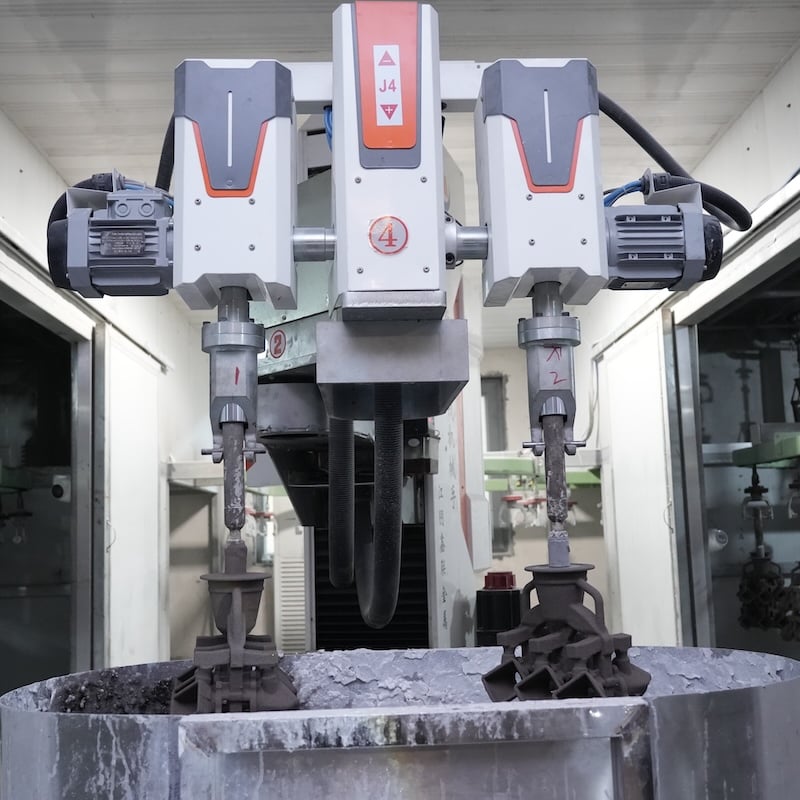
An OEM precision casting manufacturer offers comprehensive production capabilities that support your project throughout its entire lifecycle, from initial concept validation through ongoing high-volume supply as your product matures in the marketplace. This continuity provides substantial advantages compared to switching suppliers between development phases, maintaining consistency in component characteristics while eliminating the time and cost associated with requalifying new sources. During the prototype phase, the manufacturer can produce small quantities using the same processes and materials planned for production, giving you confidence that test results accurately predict final component performance. Rapid prototyping techniques allow design iterations without lengthy tooling lead times, accelerating the development cycle and enabling faster market entry. The engineering support available from an OEM precision casting manufacturer during this phase proves invaluable, as experienced designers can identify potential casting challenges early and suggest modifications that improve manufacturability without compromising functionality. As your project transitions to pilot production, the manufacturer scales processes appropriately, implementing quality systems and documentation practices that will carry forward into full production. This staged approach allows refinement of casting parameters, inspection procedures, and handling methods before committing to high-volume tooling investments. When production volumes increase, the OEM precision casting manufacturer implements automation where appropriate to maintain consistency while controlling costs, with robotic shell building, automated pouring systems, and mechanized finishing operations improving efficiency. The established relationship means the manufacturer understands your quality expectations, delivery requirements, and communication preferences, reducing the management burden compared to onboarding new suppliers. Continuous improvement initiatives identify opportunities to refine processes, reduce costs, or enhance performance as production accumulates over months and years. The manufacturer maintains casting records that enable traceability if field issues arise, supporting root cause analysis and corrective action implementation. Supply chain stability becomes particularly valuable during market fluctuations, as an established OEM precision casting manufacturer prioritizes existing customer commitments rather than opportunistically chasing short-term contracts. This production continuity extends to managing obsolescence issues, as the manufacturer can support legacy products even as your company introduces next-generation designs, maintaining service part availability for existing equipment in the field.

Get a Free Quote

Our representative will contact you soon.
Email
Name
Company Name
Message
0/1000