Precision Investment Casting Factory - Advanced Metal Component Manufacturing Solutions

Get a Free Quote

Our representative will contact you soon.
Email
Name
Company Name
Message
0/1000

precision investment casting factory

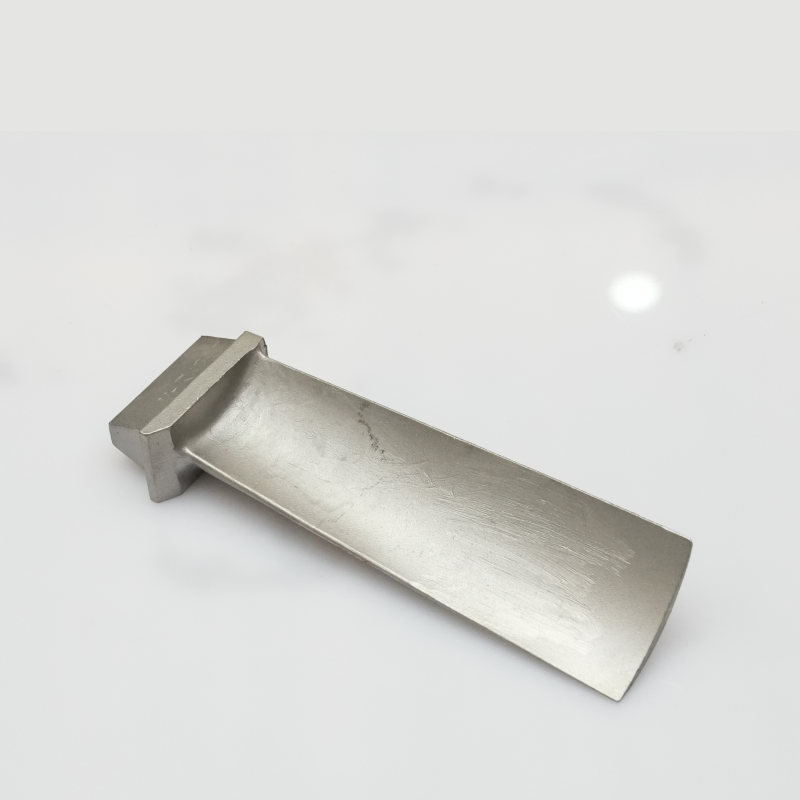
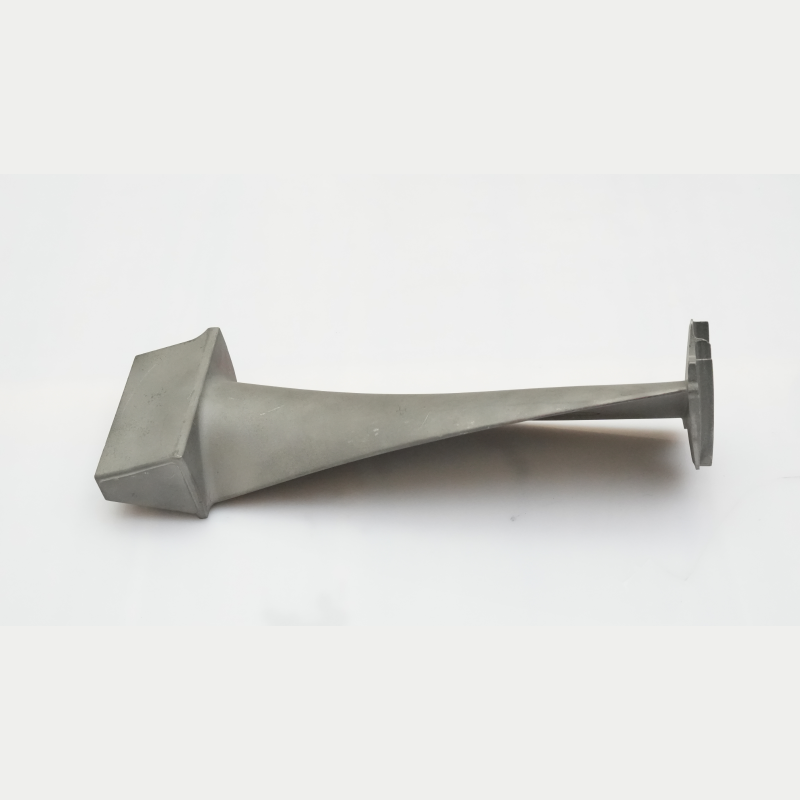
A precision investment casting factory represents a specialized manufacturing facility dedicated to producing intricate metal components through the lost-wax casting process. This sophisticated production environment combines traditional craftsmanship with modern technological innovations to create parts with exceptional dimensional accuracy and superior surface finishes. The precision investment casting factory operates as a comprehensive production hub where raw materials undergo transformation into finished components that meet exacting specifications demanded by diverse industries. The main function of such a facility centers on converting customer designs and engineering drawings into tangible metal parts through a meticulous multi-stage process. This journey begins with pattern creation, followed by shell building, dewaxing, metal pouring, shell removal, and finishing operations. Each stage requires careful monitoring and quality control to ensure the final product matches the original specifications. Technological features within a precision investment casting factory include computer-aided design systems, automated wax injection equipment, climate-controlled shell building rooms, high-temperature furnaces, vacuum or centrifugal casting machines, and advanced inspection equipment such as coordinate measuring machines and X-ray systems. These technologies work in harmony to produce components ranging from simple geometries to highly complex shapes with internal passages and thin walls. Applications for products manufactured in a precision investment casting factory span numerous sectors including aerospace, automotive, medical devices, defense, oil and gas, industrial machinery, and marine equipment. The process proves particularly valuable when manufacturing components from difficult-to-machine alloys, when tight tolerances are required, or when complex geometries would be prohibitively expensive using alternative manufacturing methods. The versatility of the precision investment casting factory allows production of parts weighing from mere grams to several hundred pounds, accommodating both prototype quantities and high-volume production runs with consistent quality throughout the manufacturing cycle.

Popular Products

Choosing a precision investment casting factory for your component manufacturing needs delivers numerous practical benefits that directly impact your bottom line and product performance. First and foremost, this manufacturing method achieves exceptional dimensional accuracy, typically holding tolerances within plus or minus 0.005 inches for small parts, which means your components fit together perfectly without expensive secondary machining operations. This accuracy translates into significant cost savings by reducing material waste and labor hours spent on post-casting modifications. The process excels at creating complex shapes in a single piece that would otherwise require multiple components welded or fastened together, simplifying your assembly processes and reducing potential failure points in your final products. Another substantial advantage comes from the superior surface finish achieved directly from the casting process. Parts emerge from a precision investment casting factory with smooth surfaces that often require minimal finishing work, saving you time and money while improving the aesthetic appeal and functional performance of your components. This smooth finish also reduces stress concentration points, enhancing the durability and longevity of parts subjected to repeated loading or harsh operating environments. The flexibility in material selection represents another compelling benefit, as these facilities can work with virtually any metal alloy that can be melted, including stainless steels, tool steels, aluminum alloys, copper alloys, and exotic superalloys used in demanding applications. This versatility means you can optimize material selection based on specific performance requirements rather than manufacturing limitations. Cost efficiency improves dramatically when producing medium to high volumes, as the precision investment casting factory eliminates expensive tooling required by other processes and reduces per-part costs through economies of scale. Even for lower quantities, the ability to produce near-net-shape parts often justifies the initial investment by eliminating costly machining operations. Design freedom stands as perhaps the most transformative advantage, enabling engineers to create components with undercuts, internal passages, varying wall thicknesses, and intricate details that challenge or exceed the capabilities of alternative manufacturing methods. This freedom accelerates innovation by removing traditional design constraints, allowing you to optimize parts for performance rather than manufacturability. Lead times remain competitive, with experienced facilities moving from approved design to first articles in weeks rather than months, helping you meet tight project schedules and respond quickly to market opportunities. Quality consistency throughout production runs ensures that the first part and the thousandth part maintain identical specifications, providing reliability in your supply chain and confidence in your final products.

Latest News

Basic Principles Of Design Of Precision Casting Gating System

11

May

Basic Principles Of Design Of Precision Casting Gating System

View More
Selection And Application Scope Of Hardness Tester

11

May

Selection And Application Scope Of Hardness Tester

View More
Stainless Steel Castings for Architectural Posts

11

May

Stainless Steel Castings for Architectural Posts

View More
Precision Stainless Steel Exhaust Manifold Casting Solution For Luxury Sedan - With Japanese First-Tier Car Brand

11

May

Precision Stainless Steel Exhaust Manifold Casting Solution For Luxury Sedan - With Japanese First-Tier Car Brand

View More

Get a Free Quote

Our representative will contact you soon.
Email
Name
Company Name
Message
0/1000

precision investment casting factory

Unmatched Geometric Complexity and Design Flexibility

Unmatched Geometric Complexity and Design Flexibility

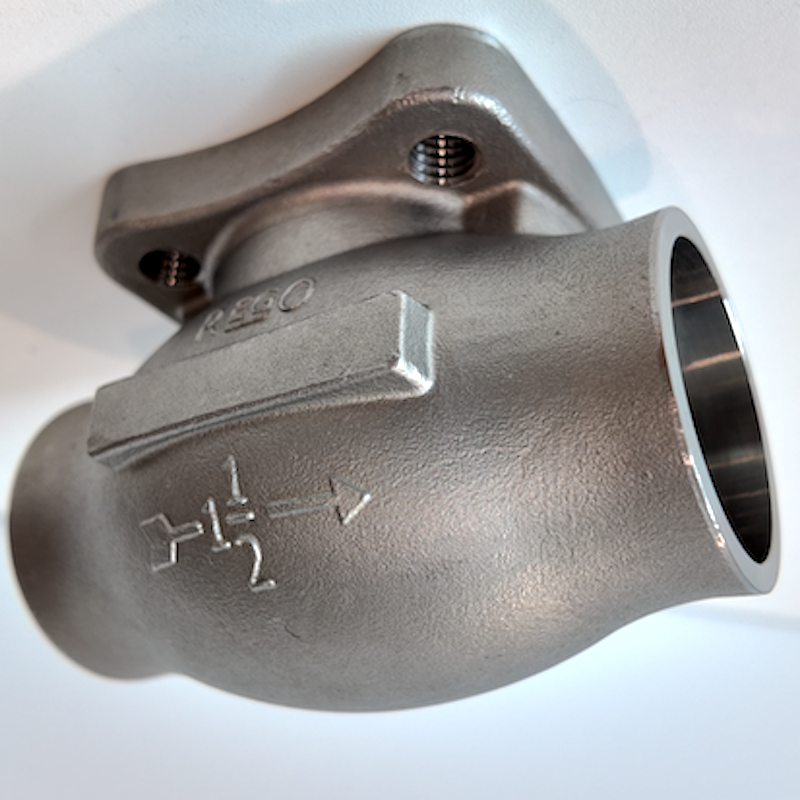
The precision investment casting factory stands apart from conventional manufacturing facilities through its remarkable ability to produce components with geometric complexity that challenges the limits of other production methods. This capability fundamentally transforms how engineers approach product design, removing traditional constraints and opening new possibilities for innovation and optimization. Unlike machining processes that struggle with internal cavities or undercuts, or forging operations limited to relatively simple shapes, the investment casting process creates intricate three-dimensional forms with ease and precision. Engineers can incorporate features such as internal cooling channels, complex contours, logos, part numbers, and mounting bosses directly into the casting design, eliminating secondary operations and reducing assembly requirements. The precision investment casting factory achieves this complexity through the lost-wax process, where ceramic shells are built around wax patterns that can be created in virtually any conceivable shape. This shell becomes a precise negative image of the desired part, capturing every detail with remarkable fidelity. Once the wax melts away, the resulting cavity accommodates molten metal that fills even the most intricate passages and thin-walled sections. This process allows designers to consolidate multiple components into single castings, reducing part counts, eliminating potential leak paths, decreasing weight, and simplifying quality control procedures. Consider aerospace applications where complex turbine blades require internal cooling passages to withstand extreme temperatures; a precision investment casting factory can produce these components as single pieces with intricate internal geometries that would be impossible to create through drilling or other conventional methods. Similarly, medical device manufacturers leverage this capability to create surgical instruments and implants with ergonomic shapes and functional features molded directly into the component. The design flexibility extends to accommodating varying wall thicknesses within a single part, enabling engineers to add material where strength is needed while minimizing weight in less critical areas. This optimization capability proves invaluable in industries where every gram counts toward performance or fuel efficiency. Furthermore, the precision investment casting factory can produce components with excellent as-cast surface finishes and dimensional accuracy across complex geometries, maintaining tight tolerances even on intricate features. This consistency ensures that mating surfaces align properly, reducing assembly challenges and improving overall product performance. The economic implications of this geometric freedom are substantial, as consolidating parts reduces inventory complexity, simplifies supply chain management, and decreases assembly labor while improving product reliability by eliminating joints and fasteners that represent potential failure points.
Superior Material Versatility and Metallurgical Properties

Superior Material Versatility and Metallurgical Properties

A precision investment casting factory offers unparalleled flexibility in material selection, accommodating virtually any alloy that can be melted and poured, which provides manufacturers with strategic advantages in optimizing component performance for specific applications. This material versatility represents a critical differentiator compared to other manufacturing processes that face limitations based on material hardness, machinability, or formability characteristics. The investment casting process works equally well with common alloys and exotic materials, including stainless steels, carbon steels, tool steels, aluminum alloys, bronze, brass, titanium alloys, cobalt-chrome alloys, and nickel-based superalloys, giving engineers freedom to select materials based purely on performance requirements rather than manufacturing constraints. This capability proves especially valuable when designing components for extreme environments where material properties determine success or failure. For instance, turbine components operating at elevated temperatures require superalloys with exceptional creep resistance and oxidation stability, materials that are notoriously difficult to machine but flow readily in the molten state within a precision investment casting factory. Similarly, corrosion-resistant applications benefit from stainless steel castings that maintain their protective properties throughout the component, unlike plated or coated parts where surface damage compromises protection. The metallurgical properties achieved through investment casting often match or exceed those of wrought materials, as modern facilities employ vacuum casting or controlled atmosphere techniques that minimize gas absorption and oxidation during solidification. These advanced melting and pouring practices, combined with careful heat treatment protocols, produce castings with fine grain structures, excellent mechanical properties, and consistent quality throughout the component. The precision investment casting factory also enables the production of components from materials that resist conventional machining due to hardness or abrasiveness. Tool steels, for example, machine with difficulty and rapid tool wear, making cast-to-shape production economically attractive despite the material's excellent wear resistance and toughness. Similarly, titanium alloys offer outstanding strength-to-weight ratios and corrosion resistance but present significant machining challenges, whereas casting these materials in a precision investment casting factory produces near-net-shape parts with minimal material waste. Another dimension of material versatility involves the ability to cast dissimilar metals in close proximity or even create bimetallic components through specialized techniques, opening possibilities for parts that combine different material properties in strategic locations. The economic advantages of this material flexibility extend beyond the casting process itself, as selecting the optimal alloy for each application maximizes component lifespan, reduces maintenance requirements, and improves overall system efficiency. Engineers working with a precision investment casting factory gain access to metallurgical expertise that guides material selection based on operating conditions, loading patterns, environmental exposure, and cost considerations, ensuring that every component delivers maximum value throughout its service life.
Cost Effectiveness Through Near-Net-Shape Manufacturing

Cost Effectiveness Through Near-Net-Shape Manufacturing

The precision investment casting factory delivers substantial economic advantages through near-net-shape manufacturing capabilities that minimize material waste, reduce secondary operations, and optimize production costs across various volume ranges. This cost effectiveness stems from the fundamental nature of the casting process, which forms metal into shapes closely approximating the final component geometry, unlike subtractive processes that remove material or additive processes that build components layer by layer. By producing parts near their final dimensions, a precision investment casting factory dramatically reduces the amount of expensive alloy consumed per component, a consideration that becomes increasingly important when working with costly materials such as titanium, cobalt-chrome, or nickel-based superalloys. Traditional machining of these materials from solid bar stock or forgings can waste 60 to 80 percent of the raw material as chips, whereas investment casting typically achieves 85 to 95 percent material utilization, with gates and risers representing the only significant waste, and even these can often be recycled within the facility. This material efficiency translates directly into lower component costs, shorter lead times, and reduced environmental impact through decreased resource consumption. Secondary machining requirements diminish substantially when parts emerge from the precision investment casting factory with as-cast tolerances that meet functional requirements, eliminating or minimizing grinding, milling, and turning operations. Many investment castings require only simple hole drilling or light blending of critical surfaces rather than extensive machining, reducing manufacturing time, tooling costs, and quality risks associated with each additional process step. The superior surface finish achieved directly from the casting process, typically 125 micro-inches or better, often eliminates finishing operations entirely or reduces them to simple polishing or passivation treatments. Tooling costs remain competitive even for moderate production quantities, as investment casting requires only relatively inexpensive wax injection dies compared to the hardened steel dies needed for high-pressure die casting or the massive forging dies required for closed-die forging operations. This lower tooling investment reduces financial risk for new product introductions and makes the precision investment casting factory economically viable for quantities ranging from prototype runs of ten or twenty pieces through production volumes reaching hundreds of thousands of parts annually. The ability to produce complex shapes as single castings rather than assemblies of multiple components delivers additional cost benefits through reduced part counts, simplified inventory management, eliminated welding or fastening operations, and improved reliability by removing potential failure points. Labor costs decrease as assembly requirements diminish, and quality control becomes more straightforward when verifying single components rather than complex assemblies. Furthermore, the precision investment casting factory can often produce components that would require multiple setups and operations on machining centers in a single casting operation, compressing manufacturing schedules and freeing capacity for other work. The total cost of ownership perspective reveals even greater advantages, as investment castings often deliver superior performance characteristics, extended service life, and reduced maintenance requirements compared to alternatives, generating value throughout the product lifecycle rather than simply at the point of purchase.

Get a Free Quote

Our representative will contact you soon.
Email
Name
Company Name
Message
0/1000