Superior Metallurgical Properties and Material Performance
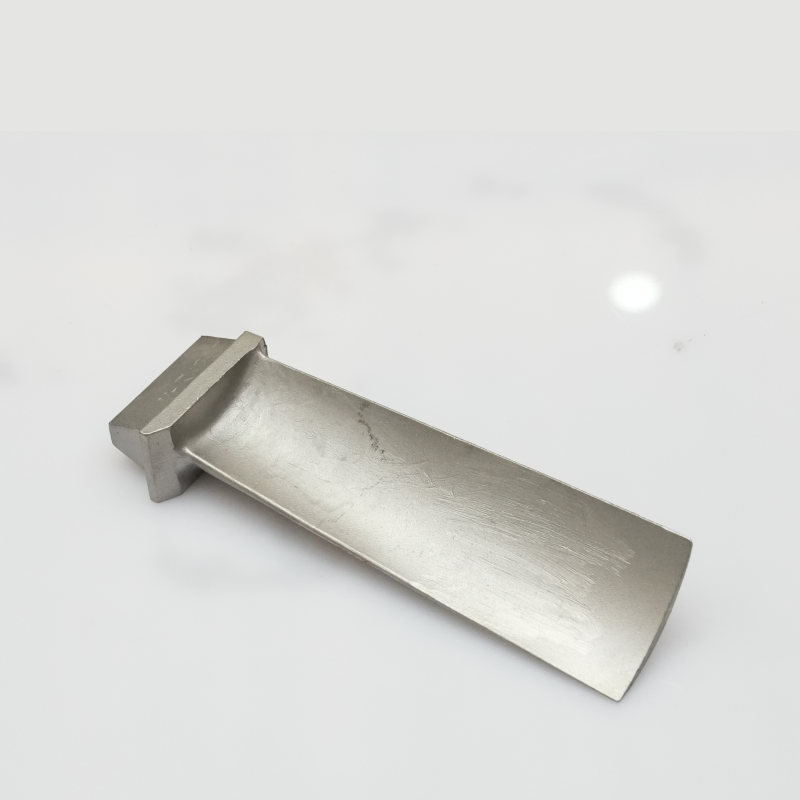
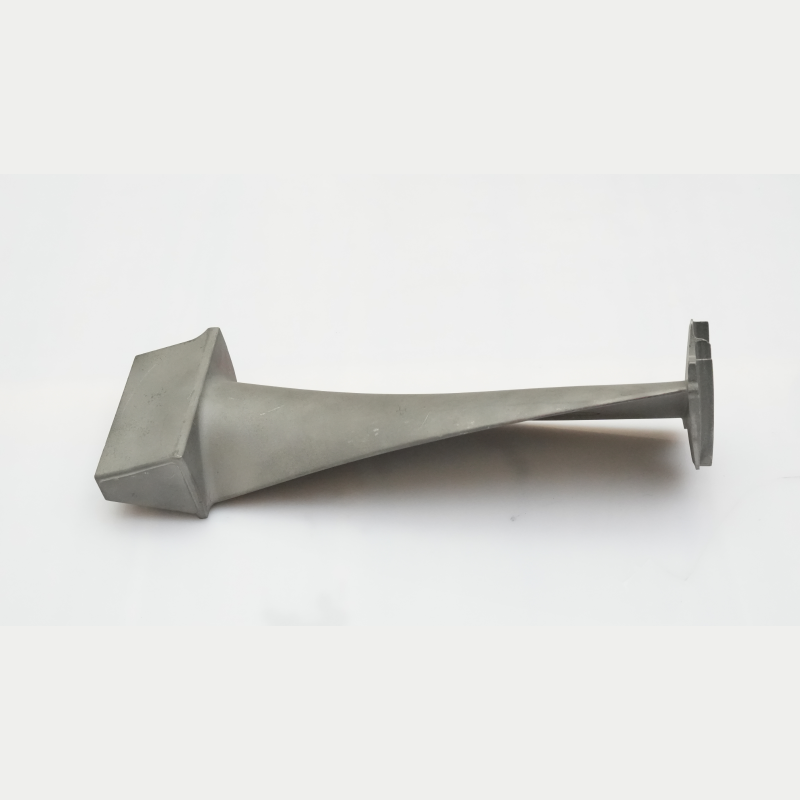
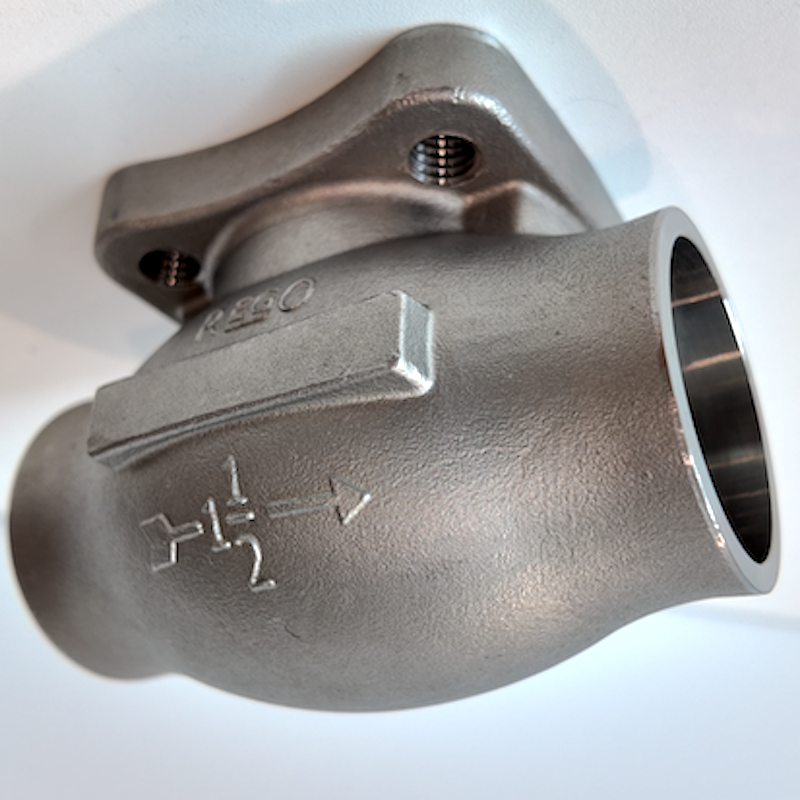
A precision investment casting factory delivers components with metallurgical characteristics that frequently surpass those achievable through other manufacturing approaches, providing end users with enhanced performance, extended service life, and improved reliability in demanding applications. The controlled solidification environment within a precision investment casting factory minimizes internal defects such as porosity, inclusions, and segregation that can compromise mechanical properties and lead to premature failure. Unlike welded assemblies where heat-affected zones create weak points and residual stresses, components from a precision investment casting factory exhibit uniform material properties throughout their structure, ensuring consistent behavior under operational loads. The precision investment casting factory process allows metallurgists to fine-tune alloy compositions and solidification parameters to achieve specific microstructures, optimizing characteristics such as grain size, phase distribution, and precipitate formation for maximum strength, ductility, or corrosion resistance. Directional solidification techniques available at advanced precision investment casting factory facilities enable the production of components with columnar or single-crystal structures, dramatically improving high-temperature creep resistance and fatigue life in turbine applications. Material traceability maintained throughout the precision investment casting factory workflow ensures complete documentation of melt chemistry, heat treatment cycles, and quality verification results, satisfying stringent aerospace and medical industry requirements. The absence of mechanical joining processes eliminates potential galvanic corrosion issues that arise when dissimilar metals contact each other in assembled structures, extending component longevity in corrosive environments. Stress relief occurs naturally during the controlled cooling cycles employed by a precision investment casting factory, reducing the likelihood of warping or dimensional instability during subsequent heat treatment or service conditions. Surface integrity from a precision investment casting factory proves superior to machined surfaces because the casting skin forms in a controlled manner without work hardening, tool marks, or embedded foreign materials that could initiate fatigue cracks. The isotropic properties characteristic of cast components mean strength remains consistent regardless of loading direction, unlike forgings where grain flow creates directional property variations. A precision investment casting factory can produce components from reactive metals such as titanium in controlled atmosphere furnaces, preventing contamination and ensuring full material performance potential. The process accommodates specialized alloys including nickel-based superalloys, cobalt-chromium biomedical materials, and precipitation-hardening stainless steels that deliver exceptional performance but prove difficult to machine economically. Heat treatment flexibility at a precision investment casting factory allows tailoring of final properties through solution annealing, aging cycles, or hardening processes specific to each component's functional requirements. Non-destructive testing integration within precision investment casting factory quality systems ensures internal soundness through radiographic examination, ultrasonic inspection, and fluorescent penetrant testing, providing confidence that hidden defects will not compromise safety-critical applications.

 EN
EN