Professional Stainless Steel Investment Casting Supplier - Precision Metal Components Manufacturing

Get a Free Quote

Our representative will contact you soon.
Email
Name
Mobile
Company Name
Message
0/1000

stainless steel investment casting supplier

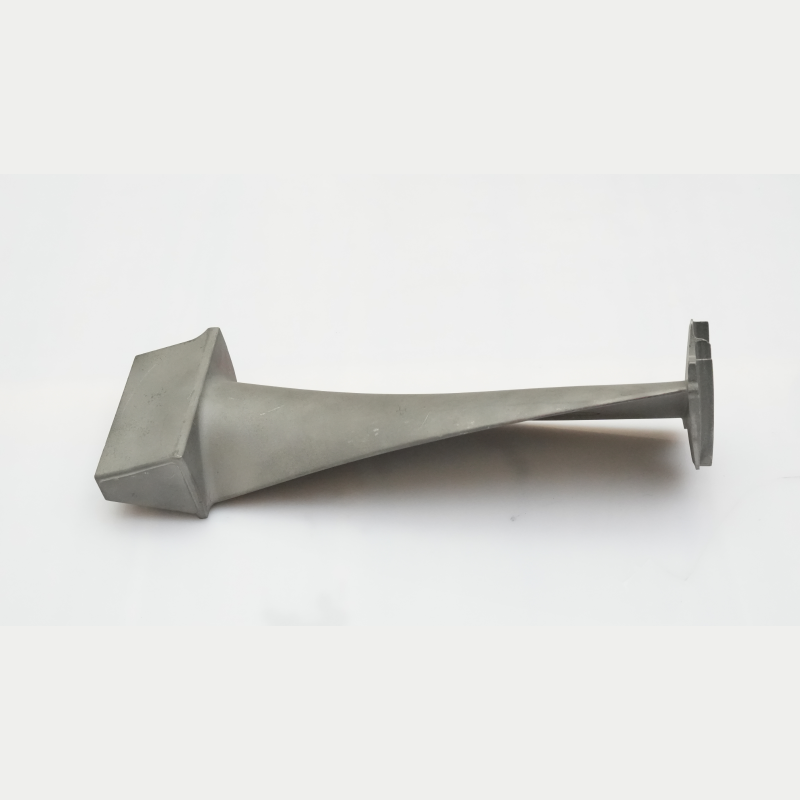
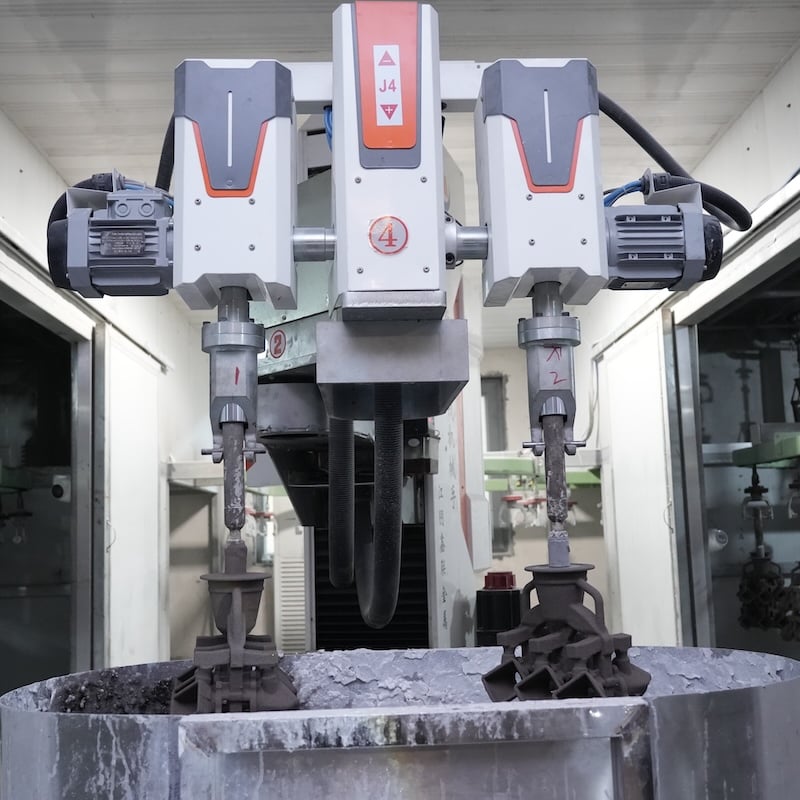
A stainless steel investment casting supplier serves as a crucial manufacturing partner for businesses requiring precision metal components with exceptional quality and intricate designs. Investment casting, also known as lost-wax casting, represents one of the most sophisticated metal forming processes available today. When specialized in stainless steel materials, these suppliers offer comprehensive solutions from initial design consultation through final component delivery. The main functions of a stainless steel investment casting supplier encompass prototype development, mold creation, wax pattern production, ceramic shell building, metal pouring, and precision finishing operations. These suppliers maintain advanced facilities equipped with vacuum melting furnaces, spectrum analyzers, and computerized inspection systems to ensure every component meets exacting specifications. Technological features include CAD/CAM integration for design optimization, rapid prototyping capabilities, multi-axis CNC machining centers, and non-destructive testing equipment. Modern stainless steel investment casting suppliers utilize simulation software to predict metal flow patterns and identify potential defects before production begins, significantly reducing development costs and time. Applications span numerous industries including aerospace, where turbine blades and structural components demand exceptional strength-to-weight ratios; medical device manufacturing, requiring biocompatible materials and sterile production environments; automotive engineering, utilizing durable parts for transmission systems and engine components; food processing equipment, needing corrosion-resistant hardware; and marine applications, demanding materials that withstand harsh saltwater environments. The versatility of stainless steel investment casting makes it ideal for producing components ranging from miniature surgical instruments weighing mere grams to substantial industrial valve bodies exceeding fifty kilograms. Suppliers typically work with various stainless steel grades including 304, 316, 17-4PH, and duplex alloys, each offering distinct properties for specific applications. This manufacturing method achieves tolerances as tight as plus or minus 0.005 inches, surface finishes comparable to machined parts, and complex geometries impossible through conventional manufacturing techniques.

New Products

Working with a professional stainless steel investment casting supplier delivers tangible benefits that directly impact your bottom line and product quality. First, you gain access to cost-effective production for complex parts that would otherwise require expensive machining operations or multiple assembled components. The investment casting process creates near-net-shape parts, meaning minimal material waste and reduced finishing requirements, translating to lower per-unit costs especially for medium to high volume orders. You receive components with superior dimensional accuracy right from the casting stage, eliminating costly secondary operations and reducing overall lead times. The process allows your team to consolidate multiple machined parts into single cast components, reducing assembly time, eliminating potential failure points, and simplifying inventory management. A qualified supplier provides design assistance that helps optimize your components for manufacturability, potentially revealing cost savings and performance improvements you had not considered. You benefit from consistent quality across production runs because the ceramic shell mold process creates highly repeatable results with minimal variation between parts. The inherent properties of stainless steel investment castings include excellent surface finish, typically 125 microinches or better as-cast, reducing or eliminating expensive polishing operations. You achieve design freedom impossible with other methods, including undercuts, internal passages, thin walls, and intricate surface details, all cast as a single piece without joints or welds. Material flexibility represents another significant advantage, as suppliers can work with specialized alloys tailored to your exact requirements for corrosion resistance, temperature tolerance, or mechanical properties. Your procurement process becomes streamlined when partnering with an experienced stainless steel investment casting supplier who manages the entire production chain, serving as your single point of contact from initial concept through final delivery. You reduce time-to-market for new products because investment casting prototypes can be produced quickly, allowing for functional testing before committing to full production tooling. Quality assurance becomes more robust as reputable suppliers maintain comprehensive testing capabilities including chemical analysis, mechanical property verification, dimensional inspection, and metallurgical examination. Your supply chain gains reliability through suppliers who maintain capacity buffers and inventory management systems designed to meet your scheduling requirements. Environmental benefits emerge from the process efficiency, as investment casting generates less scrap material compared to subtractive manufacturing methods, and stainless steel remains fully recyclable. Risk mitigation comes from working with suppliers who carry appropriate certifications such as ISO 9001, AS9100 for aerospace, or ISO 13485 for medical devices, ensuring compliance with industry standards.

Tips And Tricks

How Does a Precision Investment Casting Manufacturer Ensure Consistent Quality Across Global Supply Chains?

05

Jun

How Does a Precision Investment Casting Manufacturer Ensure Consistent Quality Across Global Supply Chains?

In today's interconnected industrial landscape, sourcing complex metal components across international borders presents a formidable quality challenge. the manufacturer must navigate an intricate web of raw material sourcing, multi-stage production c...
View More
Which Quality Standards Should a Custom Lost Wax Casting Foundry Meet for Export Markets?

05

Jun

Which Quality Standards Should a Custom Lost Wax Casting Foundry Meet for Export Markets?

Selecting a manufacturing partner for precision components intended for international buyers is never a straightforward decision. When the supply chain depends on a custom lost wax casting foundry, procurement engineers and quality managers must go b...
View More
How Can OEM ODM Precision Casting Services Accelerate New Product Development Cycles?

26

Jun

How Can OEM ODM Precision Casting Services Accelerate New Product Development Cycles?

Bringing a new industrial product from concept to market is rarely a straightforward journey. Engineering teams face relentless pressure to compress timelines, reduce prototype iterations, and deliver production-ready components without sacrificing d...
View More
How Do OEM ODM Precision Casting Services Support Flexible Design and Rapid Prototyping?

26

Jun

How Do OEM ODM Precision Casting Services Support Flexible Design and Rapid Prototyping?

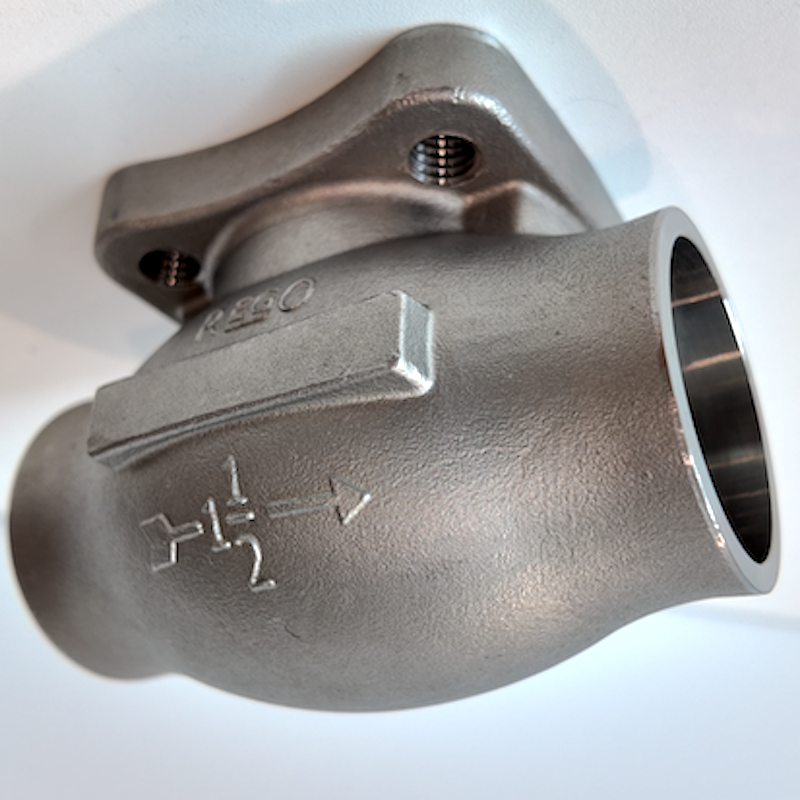
Figure 1: Custom Valve Body Fabricated via Precision Investment Casting, Featuring Crisp Surface Details and Net-Shape Integrity. In today's fast-evolving manufacturing landscape, the ability to move from concept to production-ready component quickly...
View More

Get a Free Quote

Our representative will contact you soon.
Email
Name
Mobile
Company Name
Message
0/1000

stainless steel investment casting supplier

Precision Engineering and Complex Geometry Capabilities

Precision Engineering and Complex Geometry Capabilities

The exceptional precision engineering capabilities of a stainless steel investment casting supplier represent a transformative advantage for companies developing sophisticated components with intricate geometries. Unlike conventional manufacturing methods that struggle with complex shapes, investment casting excels at producing parts with elaborate internal cavities, variable wall thicknesses, and detailed surface features in a single casting operation. This capability stems from the unique ceramic shell molding process, where multiple layers of fine ceramic material are built around expendable wax patterns, capturing every minute detail with remarkable fidelity. The resulting molds withstand the extreme temperatures of molten stainless steel while maintaining dimensional stability, ensuring your components emerge with accuracy that rivals precision machining. For engineers and product designers, this opens creative possibilities previously constrained by manufacturing limitations. You can incorporate features like internal cooling channels in valve bodies, aerodynamic contours on impeller blades, or ergonomic curves on surgical instruments without compromise. The process routinely achieves linear tolerances of plus or minus 0.005 inches per inch, with even tighter tolerances possible through controlled processes and post-casting operations. Angular accuracy typically reaches plus or minus one-half degree, ensuring proper fit and function in assemblies. Surface finish quality averages 125 microinches Ra as-cast, though finer finishes down to 63 microinches are achievable with specific techniques. These precision levels mean your components often require minimal finishing work, moving directly from casting to assembly or requiring only light polishing for aesthetic purposes. The dimensional consistency across production runs eliminates the variation problems common with other casting methods, ensuring interchangeability of parts and reducing quality control headaches. A professional stainless steel investment casting supplier employs coordinate measuring machines and optical inspection systems to verify every critical dimension, providing documentation that supports your quality management systems. The ability to cast thin walls, sometimes as thin as 0.030 inches depending on geometry, enables significant weight reduction without sacrificing structural integrity. This proves especially valuable in aerospace applications where every gram matters, or in medical devices where smaller profiles improve patient comfort. Complex undercuts and re-entrant angles that would require multi-piece molds or impossible core removal in other casting processes become straightforward with investment casting, as the ceramic shell breaks away easily after solidification.
Material Versatility and Metallurgical Excellence

Material Versatility and Metallurgical Excellence

Material versatility stands as a defining strength of working with an experienced stainless steel investment casting supplier, offering access to an extensive range of alloys engineered for specific performance requirements. Stainless steel encompasses dozens of distinct grades, each formulated with precise chemical compositions to deliver particular combinations of corrosion resistance, mechanical strength, temperature stability, and fabrication characteristics. A capable supplier maintains expertise across austenitic grades like 304 and 316 for general corrosion resistance, martensitic grades like 410 and 420 for hardness and wear resistance, precipitation-hardening grades like 17-4PH and 15-5PH for exceptional strength, and duplex grades combining attributes of both austenitic and ferritic structures. This breadth allows your engineering team to select materials optimized for operating environments, whether facing saltwater exposure, acidic chemicals, extreme temperatures, or high mechanical stresses. The investment casting process itself contributes to superior metallurgical properties through controlled solidification within ceramic molds that provide even cooling and minimize internal stresses. Advanced stainless steel investment casting suppliers utilize vacuum induction melting and argon oxygen decarburization to produce ultra-clean metal with minimal inclusions and precise chemistry control. This metallurgical purity translates directly into better mechanical properties, improved corrosion resistance, and enhanced fatigue life for your components. Suppliers perform spectrographic analysis on each heat of material, providing certified test reports that document chemical composition and verify compliance with specifications like ASTM, AMS, or proprietary requirements. Mechanical testing confirms that castings meet required tensile strength, yield strength, elongation, and hardness values through destructive sampling and documentation. Heat treatment capabilities allow suppliers to optimize material properties post-casting, whether solution annealing austenitic grades to maximize corrosion resistance, aging precipitation-hardening alloys to develop peak strength, or stress relieving to ensure dimensional stability. Microstructural examination using metallography reveals grain structure, phase distribution, and potential defects, ensuring internal quality matches external appearance. For critical applications, suppliers can provide additional certifications like material traceability, NABL accreditation, or NADCAP approval demonstrating controlled processes and validated results. The ability to cast custom alloys or modify standard compositions gives you flexibility when facing unique challenges that off-the-shelf materials cannot address. Some suppliers maintain research partnerships allowing access to emerging alloy developments before they become commercially widespread. Corrosion testing capabilities help validate material selection for specific environments, whether conducting salt spray testing, intergranular corrosion evaluation, or electrochemical analysis.
Comprehensive Production Support and Quality Assurance

Comprehensive Production Support and Quality Assurance

Comprehensive production support from a dedicated stainless steel investment casting supplier transforms your manufacturing experience from transactional purchasing to strategic partnership, delivering value far beyond the physical components. From initial concept discussions through ongoing production optimization, professional suppliers engage as collaborative problem-solvers invested in your success. Design for manufacturability consultations begin the relationship, where experienced engineers review your component specifications and suggest modifications that improve castability, reduce costs, or enhance performance without compromising functionality. This expertise proves invaluable because seemingly minor design changes can dramatically impact production efficiency and part quality, yet these considerations may not be obvious to those unfamiliar with investment casting nuances. Suppliers provide digital analysis using simulation software that models metal flow, predicts solidification patterns, identifies potential defects, and optimizes gating systems before any physical tooling is created. This virtual validation catches problems early when corrections are inexpensive, rather than discovering issues during production when tooling modifications become costly and time-consuming. Prototype development services allow functional testing of designs before committing to full production, with rapid tooling options delivering sample parts in weeks rather than months. Quality assurance systems embedded throughout production provide confidence that every component meets specifications, beginning with incoming material inspection and continuing through in-process monitoring and final verification. Non-destructive testing capabilities including radiographic examination, penetrant testing, magnetic particle inspection, and ultrasonic evaluation detect internal and surface defects without damaging parts. Dimensional inspection using coordinate measuring machines, optical comparators, and specialized gauges verifies conformance to drawings, with detailed inspection reports documenting measurements and providing traceability. First article inspection protocols ensure new productions begin correctly, with comprehensive evaluation of initial castings against all specifications before full production proceeds. Statistical process control monitors key parameters throughout production runs, identifying trends before they result in non-conforming parts and enabling proactive adjustments. Suppliers maintain robust documentation systems creating permanent records of material certifications, process parameters, inspection results, and heat treatment cycles for each production lot, supporting your quality management and providing traceability when required by customers or regulations. Production planning expertise helps manage your inventory requirements, whether maintaining safety stock for just-in-time delivery, coordinating with your production schedules, or managing consignment arrangements that reduce your carrying costs. Continuous improvement initiatives seek opportunities to enhance quality, reduce costs, or improve delivery performance throughout the relationship, rather than maintaining static processes. Technical support extends beyond initial production, with metallurgical consultation available to investigate field failures, recommend process modifications, or assist with new application development.

Get a Free Quote

Our representative will contact you soon.
Email
Name
Mobile
Company Name
Message
0/1000