Industrial Steel Casting Supplier - Premium Quality Cast Steel Components & Manufacturing Solutions

Get a Free Quote

Our representative will contact you soon.
Email
Name
Mobile
Company Name
Message
0/1000

industrial steel casting supplier

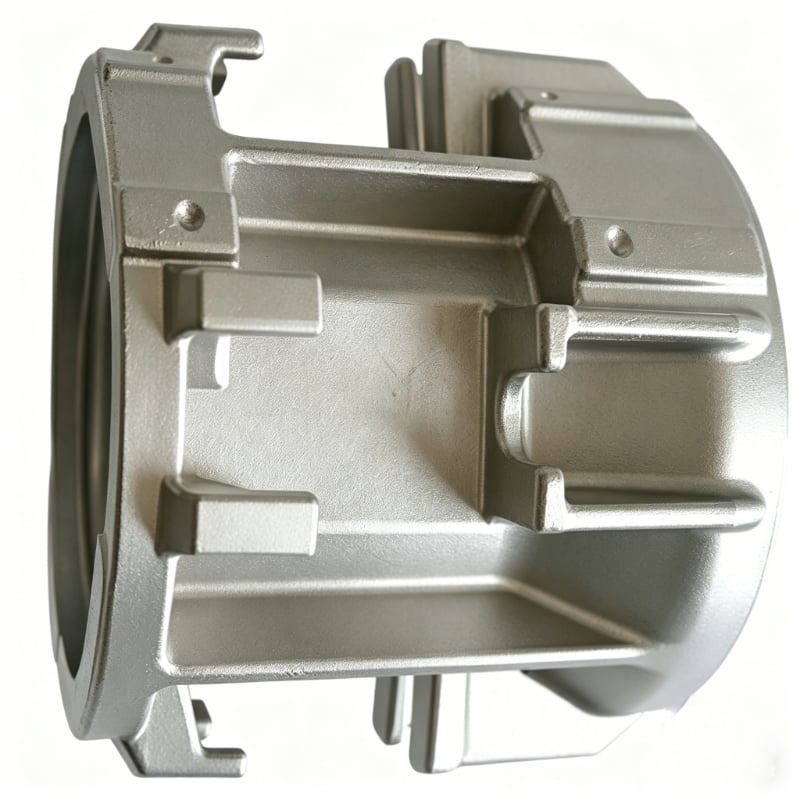
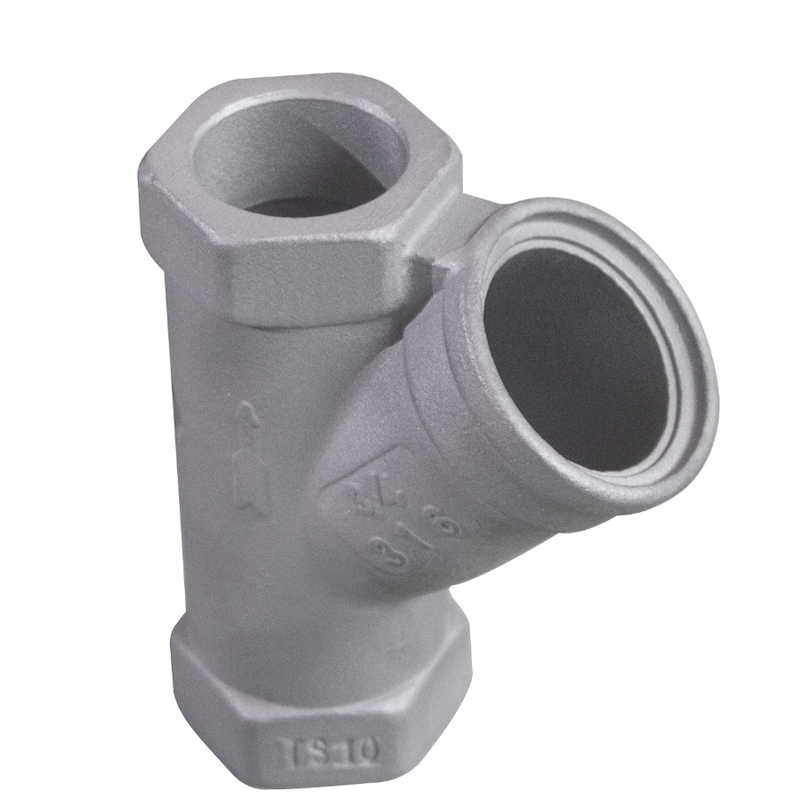
An industrial steel casting supplier plays a crucial role in modern manufacturing by providing high-quality cast steel components that serve as the backbone of countless industrial applications. These specialized suppliers combine advanced metallurgical expertise with state-of-the-art production facilities to transform molten steel into precision-engineered parts that meet stringent industry standards. The primary function of an industrial steel casting supplier revolves around producing durable steel castings through various methods including sand casting, investment casting, and continuous casting processes. These suppliers work closely with clients across diverse sectors to manufacture custom components ranging from small intricate parts weighing just a few pounds to massive structural elements exceeding several tons. The technological features that distinguish professional industrial steel casting supplier operations include computer-aided design integration, automated molding systems, advanced quality control laboratories, and sophisticated heat treatment facilities. Modern suppliers utilize three-dimensional modeling software to optimize casting designs before production begins, reducing material waste and ensuring dimensional accuracy. Their metallurgical laboratories conduct comprehensive testing including chemical composition analysis, mechanical property verification, and non-destructive examination to guarantee every casting meets specified requirements. The applications for products from an industrial steel casting supplier span numerous industries including construction equipment, mining machinery, power generation, marine vessels, railway systems, agricultural equipment, and oil and gas extraction. These castings form critical components such as valve bodies, pump housings, gear blanks, structural supports, machinery frames, and wear-resistant parts. The versatility of steel as a casting material makes it ideal for applications requiring exceptional strength, impact resistance, and long-term durability under extreme operating conditions. By partnering with a reliable industrial steel casting supplier, manufacturers gain access to technical consultation services, material selection guidance, and ongoing engineering support throughout the entire product lifecycle.

New Products

Working with a professional industrial steel casting supplier delivers numerous practical benefits that directly impact your bottom line and operational efficiency. First and foremost, you gain access to specialized manufacturing capabilities that would be prohibitively expensive to develop in-house. These suppliers maintain extensive equipment investments including melting furnaces, molding machinery, and finishing equipment that represent millions of dollars in capital expenditure. By outsourcing your casting needs, you eliminate these upfront costs while still receiving components manufactured on cutting-edge equipment. Another significant advantage involves material expertise and metallurgical knowledge that an industrial steel casting supplier brings to every project. Their engineers understand how different steel grades behave during solidification, how alloy additions affect final properties, and which heat treatments optimize performance for specific applications. This expertise helps you select the most cost-effective material that still meets your performance requirements, avoiding over-specification that wastes money without adding value. Quality assurance represents another major benefit when partnering with an established industrial steel casting supplier. These companies implement rigorous inspection protocols at multiple production stages, catching potential defects before they reach your facility. Their quality systems typically include incoming material verification, process control monitoring, dimensional inspection, and final product testing. This comprehensive approach minimizes the risk of receiving defective parts that could halt your production lines or compromise product safety. Flexibility in order quantities offers practical advantages for businesses at different growth stages. Whether you need prototype quantities for product development, medium production runs for market testing, or high-volume manufacturing for established products, an experienced industrial steel casting supplier can accommodate your requirements. This scalability allows you to respond quickly to market demands without maintaining excess inventory or committing to minimum quantities that strain cash flow. Lead time reduction is another compelling advantage that impacts your ability to serve customers promptly. Established suppliers maintain relationships with raw material vendors, enabling faster material procurement. Their streamlined production processes and experienced workforce complete projects more efficiently than companies attempting casting operations as a secondary activity. Additionally, many suppliers offer expedited services for urgent requirements, providing flexibility when unexpected demands arise. Cost predictability improves when working with a professional industrial steel casting supplier because they provide detailed quotations that account for all production variables. Their pricing reflects actual manufacturing costs rather than estimates, helping you budget accurately for component expenses. Long-term partnerships often yield price stability even when raw material markets fluctuate, as suppliers value consistent business relationships and work to maintain competitive pricing for loyal customers.

Latest News

How Does a Precision Investment Casting Manufacturer Ensure Consistent Quality Across Global Supply Chains?

05

Jun

How Does a Precision Investment Casting Manufacturer Ensure Consistent Quality Across Global Supply Chains?

In today's interconnected industrial landscape, sourcing complex metal components across international borders presents a formidable quality challenge. the manufacturer must navigate an intricate web of raw material sourcing, multi-stage production c...
View More
Why Do Manufacturers Prefer a Silica Sol Investment Casting Supplier for Complex Metal Parts?

05

Jun

Why Do Manufacturers Prefer a Silica Sol Investment Casting Supplier for Complex Metal Parts?

When precision, surface quality, and dimensional accuracy are non-negotiable, manufacturers consistently turn to a trusted silica sol investment casting supplier. This decision is rarely arbitrary. It is driven by a deep understanding of what silica ...
View More
How Should Buyers Choose a Reliable Medium Temperature Wax Casting Service Provider?

26

Jun

How Should Buyers Choose a Reliable Medium Temperature Wax Casting Service Provider?

Selecting the right manufacturing partner for medium temperature wax casting is one of the most consequential decisions a procurement professional or product engineer can make. The process, which involves injecting wax into precision dies at carefull...
View More
What Should Global Buyers Expect from OEM ODM Precision Casting Services Suppliers?

05

Jun

What Should Global Buyers Expect from OEM ODM Precision Casting Services Suppliers?

For global buyers sourcing complex metal components, selecting a reliable partner for oem odm precision casting services is one of the most consequential procurement decisions in a production cycle. The stakes are high: dimensional inaccuracies, inco...
View More

Get a Free Quote

Our representative will contact you soon.
Email
Name
Mobile
Company Name
Message
0/1000

industrial steel casting supplier

Advanced Manufacturing Technology and Process Control Systems

Advanced Manufacturing Technology and Process Control Systems

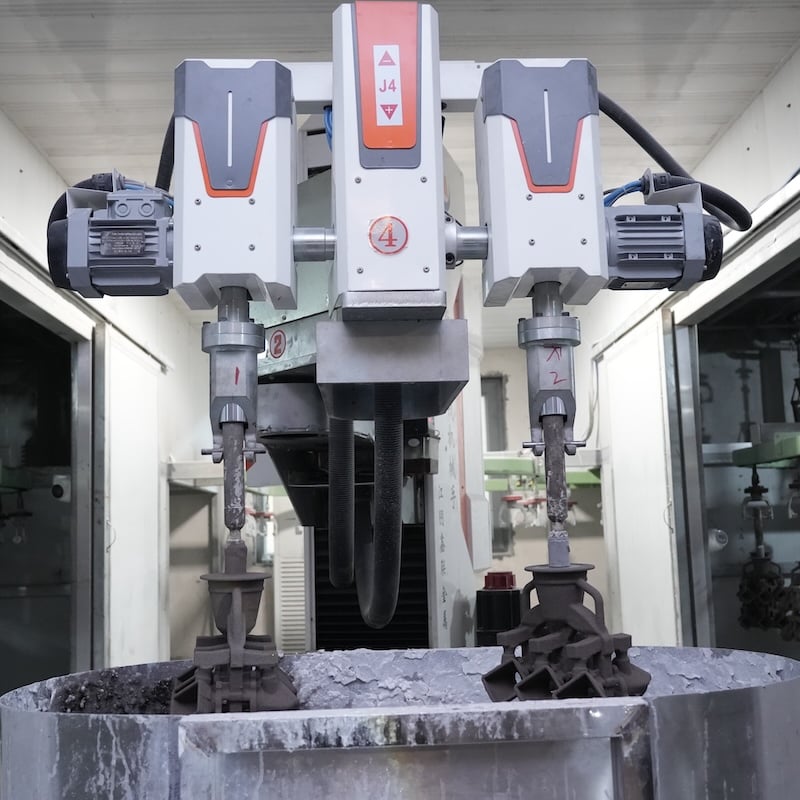
Modern industrial steel casting supplier facilities incorporate sophisticated manufacturing technologies that ensure consistent quality and production efficiency across every order. At the heart of these operations lie computer-controlled melting furnaces that precisely regulate temperature, chemistry, and atmospheric conditions during the metal preparation phase. These furnaces utilize advanced sensors and automated monitoring systems that continuously track melt parameters, alerting operators to any deviations from specified ranges before they affect casting quality. The integration of computerized process control extends throughout the entire production sequence, from initial mold preparation through final finishing operations. Automated molding lines employed by leading industrial steel casting supplier companies utilize programmable logic controllers to maintain consistent sand compaction, ensure proper mold assembly, and coordinate pouring sequences with precision timing. This automation reduces human error while increasing throughput capacity, allowing suppliers to handle larger order volumes without sacrificing quality standards. Three-dimensional scanning technology has revolutionized quality verification procedures at progressive industrial steel casting supplier facilities. Laser scanning systems capture millions of data points across finished casting surfaces, comparing actual dimensions against original CAD models with accuracy measured in thousandths of an inch. This non-contact measurement approach provides comprehensive dimensional verification far exceeding traditional manual inspection methods, identifying potential issues that might escape visual examination. Simulation software represents another technological advantage that distinguishes advanced industrial steel casting supplier operations from conventional foundries. These programs model metal flow patterns, solidification sequences, and thermal gradients before production begins, predicting where defects might occur and allowing engineers to modify designs or gating systems preventively. This virtual prototyping capability reduces physical trial runs, shortens development cycles, and improves first-time casting success rates. The combination of these technological capabilities enables an industrial steel casting supplier to deliver components with superior dimensional accuracy, improved surface finish, and enhanced metallurgical properties compared to castings produced using traditional methods, ultimately providing customers with parts that require less secondary machining and perform more reliably in demanding service environments.
Comprehensive Material Selection and Metallurgical Expertise

Comprehensive Material Selection and Metallurgical Expertise

A distinguishing characteristic of an established industrial steel casting supplier involves the extensive range of steel grades and alloy compositions available to match specific application requirements. These suppliers maintain relationships with specialty steel mills and can source materials ranging from standard carbon steels to exotic alloy formulations containing chromium, nickel, molybdenum, and other elements that impart specific properties. This material breadth ensures that customers receive castings optimized for their unique operating conditions rather than accepting compromise solutions based on limited material availability. The metallurgical expertise residing within a professional industrial steel casting supplier organization extends far beyond simple material procurement. Their technical teams include degreed metallurgists and certified welding engineers who understand the complex relationships between chemical composition, solidification behavior, heat treatment response, and final mechanical properties. This knowledge proves invaluable when customers face challenging application requirements such as extreme temperatures, corrosive environments, or high-stress loading conditions that demand carefully tailored material solutions. Heat treatment capabilities represent a critical component of the value that an industrial steel casting supplier provides to customers seeking optimized component performance. Modern heat treatment facilities feature computer-controlled furnaces that execute precise thermal cycles including normalizing, annealing, quenching, and tempering operations. These controlled heating and cooling sequences refine grain structure, relieve residual stresses, and develop specific hardness levels that enhance wear resistance, toughness, or other desired characteristics. The ability to customize heat treatment protocols allows suppliers to fine-tune mechanical properties for particular applications, delivering castings that outperform standard off-the-shelf alternatives. Quality documentation provided by a reputable industrial steel casting supplier includes comprehensive material certifications that trace chemistry and mechanical properties back to original steel heats. These certificates provide the documentation required for critical applications in regulated industries where material traceability is mandatory. Suppliers maintain detailed records linking specific castings to production parameters, test results, and quality inspections, enabling complete traceability if questions arise during component service life. This metallurgical rigor and documentation thoroughness gives customers confidence that supplied castings will perform as expected in their intended applications while meeting all applicable industry standards and customer specifications.
Customized Engineering Support and Collaborative Design Optimization

Customized Engineering Support and Collaborative Design Optimization

The engineering support services offered by an experienced industrial steel casting supplier extend well beyond simple order fulfillment to encompass true collaborative partnerships that optimize designs for manufacturability, performance, and cost effectiveness. This consultative approach begins during initial concept discussions when supplier engineers review customer sketches, existing part designs, or functional requirements to recommend casting approaches that balance technical feasibility with economic practicality. Their experience across multiple industries and applications provides valuable perspective that helps customers avoid common design pitfalls while identifying opportunities for performance improvements or cost reductions. Design for manufacturability expertise represents a core competency that distinguishes professional industrial steel casting supplier organizations from basic production shops. Their engineers understand how design features such as wall thickness variations, section transitions, parting line locations, and core placements affect casting quality and production costs. By applying this knowledge during design reviews, suppliers suggest modifications that improve metal flow, reduce porosity risk, minimize machining requirements, and simplify tooling complexity. These optimization efforts often yield substantial cost savings that accumulate across production lifecycles, particularly for high-volume components where even small per-piece reductions generate significant total savings. Prototyping services provided by forward-thinking industrial steel casting supplier companies allow customers to validate designs before committing to expensive production tooling. Rapid prototyping techniques including three-dimensional printed sand molds or machined prototype patterns enable physical testing of form, fit, and function at relatively low investment levels. This iterative development approach identifies design improvements early when changes remain inexpensive, reducing the risk of costly modifications after production tooling has been manufactured. The collaborative relationship between customer and supplier engineering teams often extends throughout the entire product lifecycle. As applications evolve or operating conditions change, the industrial steel casting supplier serves as a technical resource for redesign initiatives, material upgrades, or process improvements that enhance performance or extend service life. This ongoing partnership creates value beyond individual transactions, building institutional knowledge that benefits both organizations. Communication tools employed by modern suppliers including web-based project portals, shared CAD environments, and video conferencing capabilities facilitate seamless collaboration regardless of geographic distances, ensuring that customers receive responsive technical support whenever questions or challenges arise during development, production, or field service phases.

Get a Free Quote

Our representative will contact you soon.
Email
Name
Mobile
Company Name
Message
0/1000