Precision Casting Manufacturer - Advanced Investment Casting Solutions for Complex Metal Components

Get a Free Quote

Our representative will contact you soon.
Email
Name
Mobile
Company Name
Message
0/1000

precision casting manufacturer

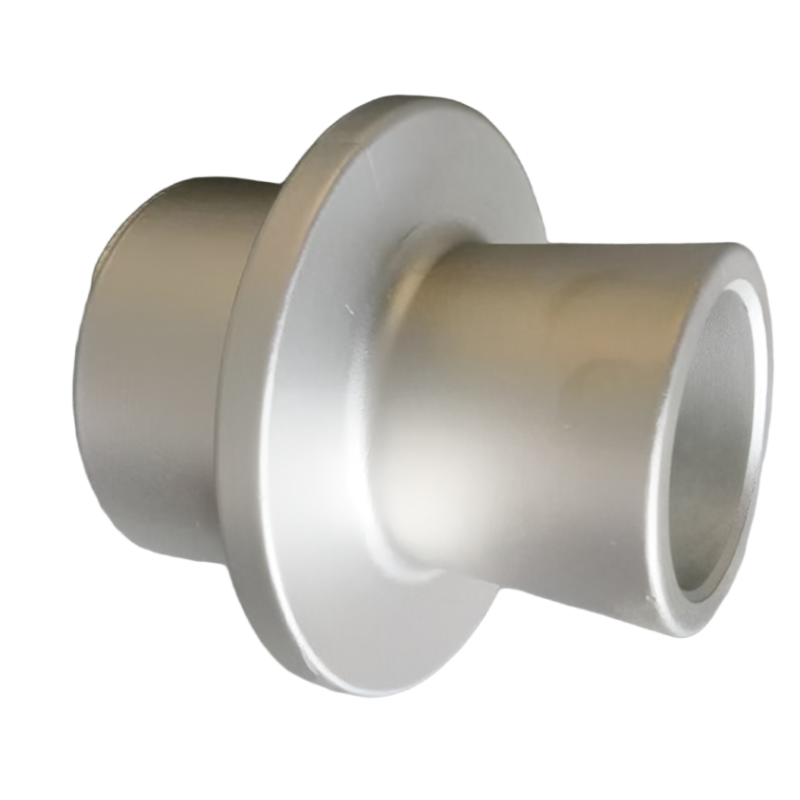
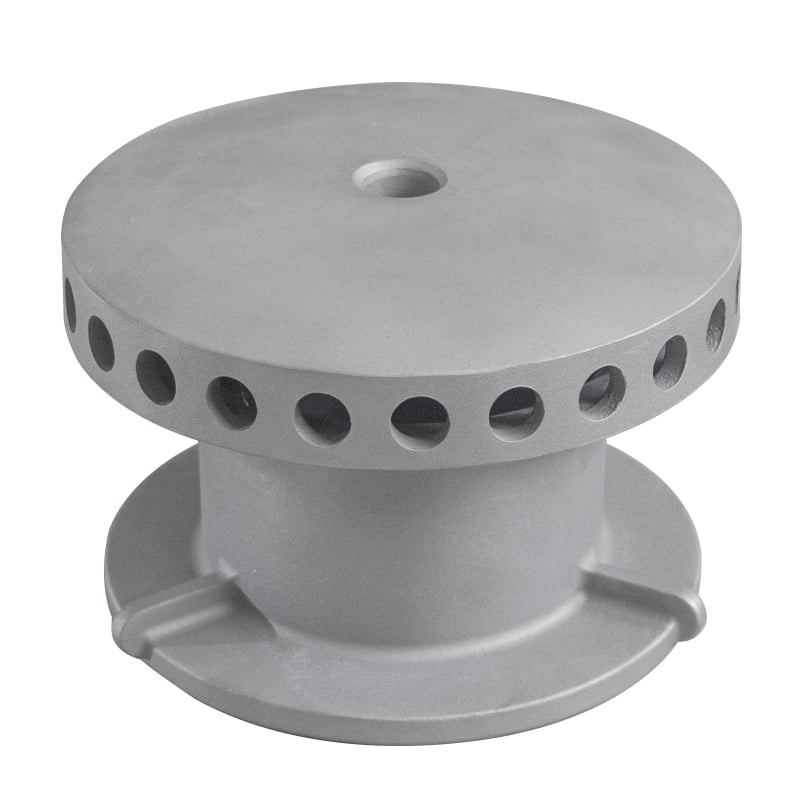
A precision casting manufacturer specializes in producing intricate metal components through advanced foundry techniques that deliver exceptional accuracy and surface finish. This manufacturing process, also known as investment casting or lost-wax casting, enables the creation of complex geometries that would be difficult or impossible to achieve through conventional machining methods. The precision casting manufacturer operates state-of-the-art facilities equipped with temperature-controlled environments, automated pouring systems, and quality inspection laboratories to ensure consistent results across every production batch. The main functions of these specialized facilities include pattern development, mold creation, metal melting and pouring, heat treatment, finishing operations, and comprehensive quality assurance testing. Technological features that distinguish modern precision casting operations include computer-aided design integration, simulation software for predicting metal flow and solidification patterns, robotic handling systems, and non-destructive testing equipment such as X-ray machines and ultrasonic scanners. The applications for precision cast components span numerous industries including aerospace, where turbine blades and structural components demand exact specifications, automotive manufacturing for engine parts and transmission housings, medical device production requiring biocompatible materials, energy sector equipment like pump impellers and valve bodies, and industrial machinery components subjected to extreme operating conditions. A reputable precision casting manufacturer maintains certifications such as ISO 9001 for quality management, AS9100 for aerospace applications, and industry-specific approvals that demonstrate compliance with stringent standards. The manufacturing process begins with creating a wax or polymer pattern that replicates the desired final part, which is then coated with ceramic material to form a rigid mold. After the pattern material is removed through heating, molten metal is poured into the cavity, solidifies, and the ceramic shell is broken away to reveal the finished casting that requires minimal secondary processing.

New Product Recommendations

Choosing a skilled precision casting manufacturer offers numerous practical benefits that directly impact your production efficiency and bottom line. First and foremost, this manufacturing method produces components with dimensional accuracy that consistently meets tight tolerances, often within plus or minus 0.005 inches, which reduces the need for expensive secondary machining operations and saves both time and money. The smooth surface finish achieved through precision casting eliminates many grinding and polishing steps, allowing parts to move directly to assembly or coating processes. Material versatility stands as another significant advantage, as a precision casting manufacturer can work with a broad range of alloys including stainless steels, aluminum alloys, copper-based metals, superalloys, and specialized materials that meet specific performance requirements for corrosion resistance, high-temperature stability, or magnetic properties. This flexibility ensures that engineers can select the optimal material for each application without being constrained by manufacturing limitations. Design freedom represents a particularly valuable benefit, since the process accommodates complex internal passages, undercuts, thin walls, and intricate external features that would require multiple components or assembly steps using other production methods. By consolidating several parts into a single casting, manufacturers reduce assembly time, eliminate potential failure points at joints, and decrease overall product weight. Production scalability makes precision casting economical for both prototype quantities and high-volume manufacturing runs, as tooling costs are reasonable and the process maintains consistency across thousands of identical parts. Lead times are competitive because modern precision casting manufacturers employ advanced techniques that accelerate pattern production, mold curing, and finishing operations. Quality assurance protocols built into every stage of production ensure that defects are identified and corrected early, preventing costly rework or field failures. The process generates minimal material waste compared to subtractive manufacturing methods, as excess metal from gates and risers can be recycled back into the melting furnace. Environmental considerations favor precision casting since it consumes less energy than machining solid billets and produces fewer emissions. Long-term cost savings accumulate through reduced maintenance needs, as precision cast components exhibit excellent structural integrity and fatigue resistance that extend service life in demanding applications.

Practical Tips

How Does a Precision Investment Casting Manufacturer Ensure Consistent Quality Across Global Supply Chains?

05

Jun

How Does a Precision Investment Casting Manufacturer Ensure Consistent Quality Across Global Supply Chains?

In today's interconnected industrial landscape, sourcing complex metal components across international borders presents a formidable quality challenge. the manufacturer must navigate an intricate web of raw material sourcing, multi-stage production c...
View More
Which Quality Standards Should a Custom Lost Wax Casting Foundry Meet for Export Markets?

05

Jun

Which Quality Standards Should a Custom Lost Wax Casting Foundry Meet for Export Markets?

Selecting a manufacturing partner for precision components intended for international buyers is never a straightforward decision. When the supply chain depends on a custom lost wax casting foundry, procurement engineers and quality managers must go b...
View More
What Factors Affect Surface Finish Quality in Medium Temperature Wax Casting Processes?

05

Jun

What Factors Affect Surface Finish Quality in Medium Temperature Wax Casting Processes?

Surface finish quality is one of the most critical performance indicators in precision investment casting, and it is directly shaped by the variables embedded in the medium temperature wax casting process. Unlike standard casting methods, medium temp...
View More
How Do OEM ODM Precision Casting Services Support Flexible Design and Rapid Prototyping?

26

Jun

How Do OEM ODM Precision Casting Services Support Flexible Design and Rapid Prototyping?

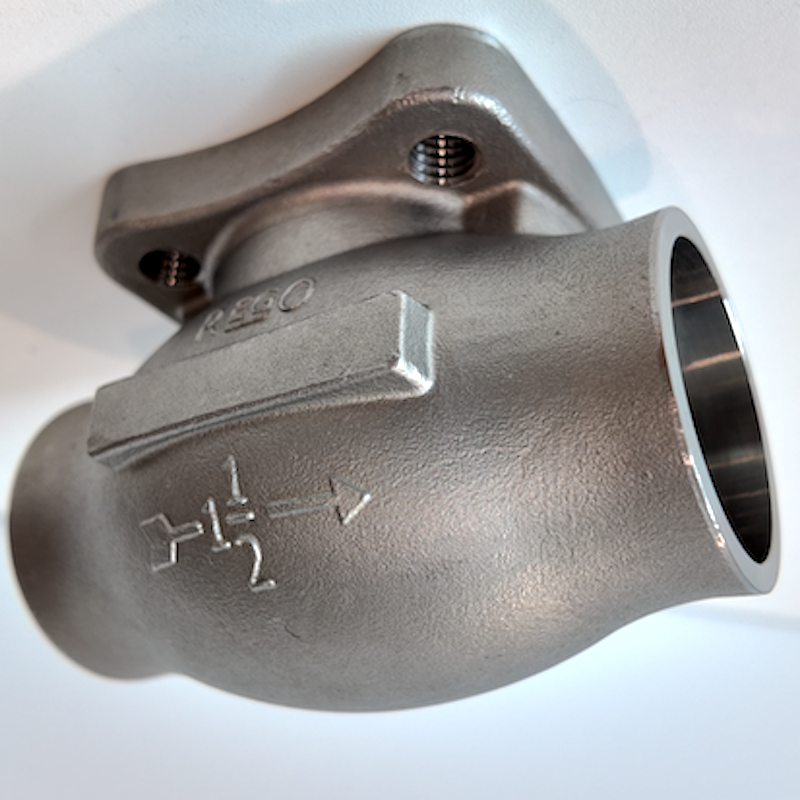
Figure 1: Custom Valve Body Fabricated via Precision Investment Casting, Featuring Crisp Surface Details and Net-Shape Integrity. In today's fast-evolving manufacturing landscape, the ability to move from concept to production-ready component quickly...
View More

Get a Free Quote

Our representative will contact you soon.
Email
Name
Mobile
Company Name
Message
0/1000

precision casting manufacturer

Superior Dimensional Accuracy and Consistency

Superior Dimensional Accuracy and Consistency

The precision casting manufacturer delivers unmatched dimensional accuracy that transforms how engineers approach component design and production planning. This exceptional accuracy stems from a sophisticated multi-stage process where every variable is carefully controlled to achieve repeatable results that meet the most demanding specifications. Modern precision casting facilities utilize advanced metrology equipment including coordinate measuring machines, optical comparators, and laser scanning systems to verify that each dimension falls within specified tolerances before parts leave the facility. The process begins with master patterns created using CNC machining or additive manufacturing technologies that replicate design specifications with micron-level precision. These patterns serve as the foundation for producing wax or polymer replicas through injection molding into metal dies that have been machined to exacting standards. The ceramic shell building process applies multiple layers of refractory materials with controlled particle sizes and slurry viscosities to ensure uniform thickness and smooth internal surfaces. During metal pouring, temperature monitoring systems and computer-controlled furnaces maintain precise alloy chemistry and superheat levels that optimize fluidity and reduce shrinkage-related defects. Solidification occurs in controlled cooling environments where thermal gradients are managed to minimize distortion and residual stresses. A precision casting manufacturer invests heavily in process validation and statistical process control methodologies that track dimensional variations across production runs, enabling continuous improvement initiatives that further tighten tolerances over time. This level of accuracy eliminates the accumulation of tolerances that plague assemblies made from multiple machined components, where each part contributes its own dimensional variation to the final product. For industries like aerospace and medical devices where safety depends on precise fit and function, the consistency offered by precision casting provides essential reliability. Engineers gain confidence to design lighter structures with optimized material distribution, knowing that wall thicknesses and critical dimensions will be maintained throughout production. The reduction in secondary machining not only saves costs but also preserves the metallurgical properties of the cast surface, which often exhibits superior fatigue resistance compared to machined surfaces that may contain tool marks or residual stresses from cutting operations.
Exceptional Design Flexibility and Complexity Management

Exceptional Design Flexibility and Complexity Management

A precision casting manufacturer empowers product designers with unprecedented freedom to create complex geometries that optimize performance while reducing part count and assembly requirements. This design flexibility fundamentally changes how engineers solve technical challenges, as they are no longer constrained by the limitations of traditional manufacturing processes that struggle with undercuts, internal cavities, or variable wall thicknesses. The investment casting process excels at producing intricate features such as cooling channels within turbine blades, complex hydraulic manifolds with intersecting passages, lightweight structural brackets with organic shapes that mimic natural load paths, and decorative components with fine surface details. This capability to cast net-shape or near-net-shape parts means that components emerge from the mold requiring minimal finishing work, preserving material properties and reducing production time. The precision casting manufacturer works closely with design teams during the development phase, using simulation software to analyze how molten metal will fill the mold cavity, predict solidification patterns, and identify potential defects before any physical tooling is created. This collaborative approach leads to design modifications that enhance castability while maintaining or improving functional performance. Wall thickness transitions can be optimized to ensure proper metal flow while minimizing weight, and features can be repositioned to eliminate the need for cores or improve structural integrity. The ability to integrate multiple functions into a single casting reduces assembly operations, eliminates fasteners that add weight and create potential failure points, and simplifies supply chain management by reducing the number of unique parts that must be tracked and inventoried. Material savings become substantial when complex parts are consolidated, as the precision casting manufacturer uses only the metal needed to create the final shape rather than starting with oversized billets that must be machined away. For products requiring frequent design iterations or customization for different applications, the relatively low tooling costs and quick turnaround times for pattern modifications make precision casting an ideal choice. Industries ranging from automotive to industrial equipment leverage this design flexibility to create differentiated products that deliver superior performance, reduced weight, and enhanced aesthetics compared to welded assemblies or machined alternatives.
Cost-Effective Production Across All Volume Levels

Cost-Effective Production Across All Volume Levels

The precision casting manufacturer offers remarkable economic advantages that benefit companies producing everything from limited prototype runs to millions of units annually. This cost effectiveness derives from multiple factors that work together to reduce total production expenses while maintaining superior quality standards. Tooling investment for precision casting remains moderate compared to processes like die casting or forging, as pattern equipment and ceramic shell materials cost less than hardened steel dies capable of withstanding thousands of high-pressure cycles. This lower barrier to entry makes precision casting viable for low-volume specialty products and allows companies to economically produce spare parts for legacy equipment without committing to large inventory holdings. As production volumes increase, the per-unit cost decreases substantially because setup times are amortized across more parts and the precision casting manufacturer can optimize material usage and processing efficiency. Labor productivity benefits from the minimal secondary operations required, as parts often need only minor trimming of gates and risers before they are ready for use. The near-net-shape characteristic of precision cast components means that expensive CNC machining time is reserved only for critical surfaces that require special finishes or extremely tight tolerances, rather than removing large amounts of material to create basic shapes. Material yield rates typically exceed ninety percent, as the gating systems and any scrap metal are remelted and returned to production, eliminating the waste streams associated with subtractive manufacturing methods. Energy consumption per part remains low because the process requires heating only the amount of metal needed for the casting plus gating, rather than maintaining large furnaces or powering heavy machining equipment for extended periods. A precision casting manufacturer can economically work with expensive specialty alloys because minimal material is wasted, making high-performance materials accessible for applications where their superior properties justify the cost. Quality-related expenses decrease significantly due to the inherent consistency of the process and robust inspection protocols that catch defects early before value-added operations are performed. Warranty claims and field failures become rare when components are produced by an experienced precision casting manufacturer, protecting brand reputation and avoiding costly recalls or replacements. The total cost of ownership calculation must include these downstream benefits along with initial piece price to appreciate the full economic advantage. Supply chain simplification reduces procurement overhead when a single precision cast component replaces an assembly of multiple machined or fabricated parts, each requiring its own supplier relationships, quality agreements, and logistics coordination. Strategic partnerships with a reliable precision casting manufacturer enable just-in-time delivery schedules that minimize inventory carrying costs while ensuring production continuity through consistent quality and on-time shipments.

Get a Free Quote

Our representative will contact you soon.
Email
Name
Mobile
Company Name
Message
0/1000