Precision Casting Factory - Advanced Metal Component Manufacturing Solutions

Get a Free Quote

Our representative will contact you soon.
Email
Name
Mobile
Company Name
Message
0/1000

precision casting factory

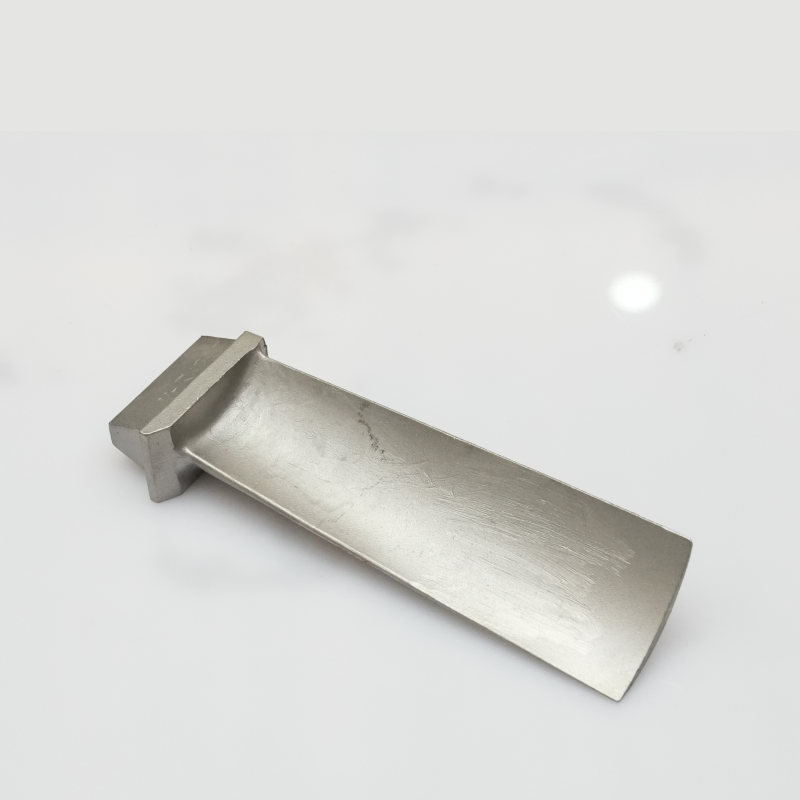
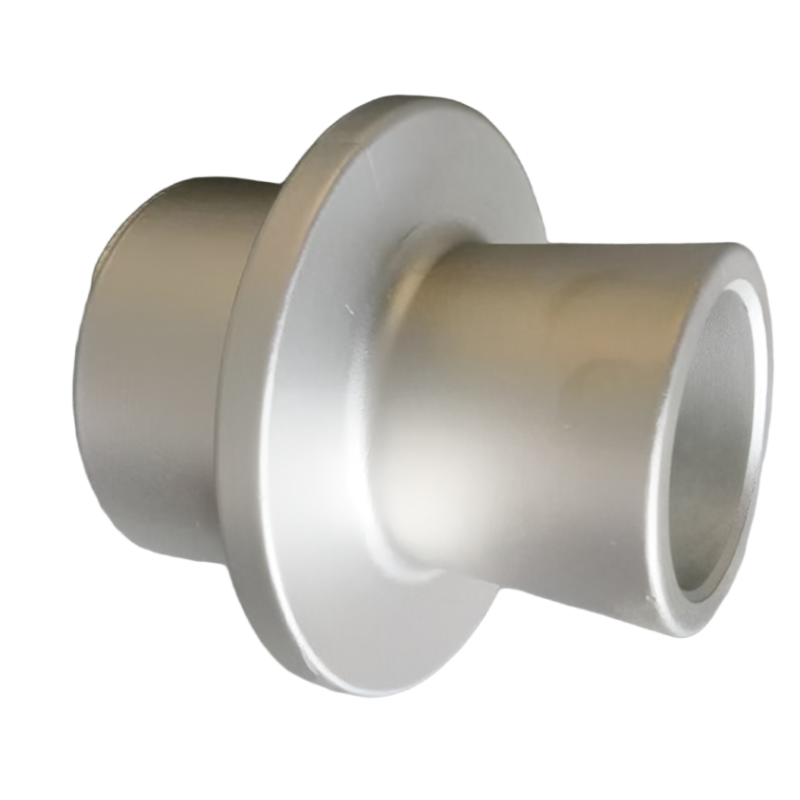
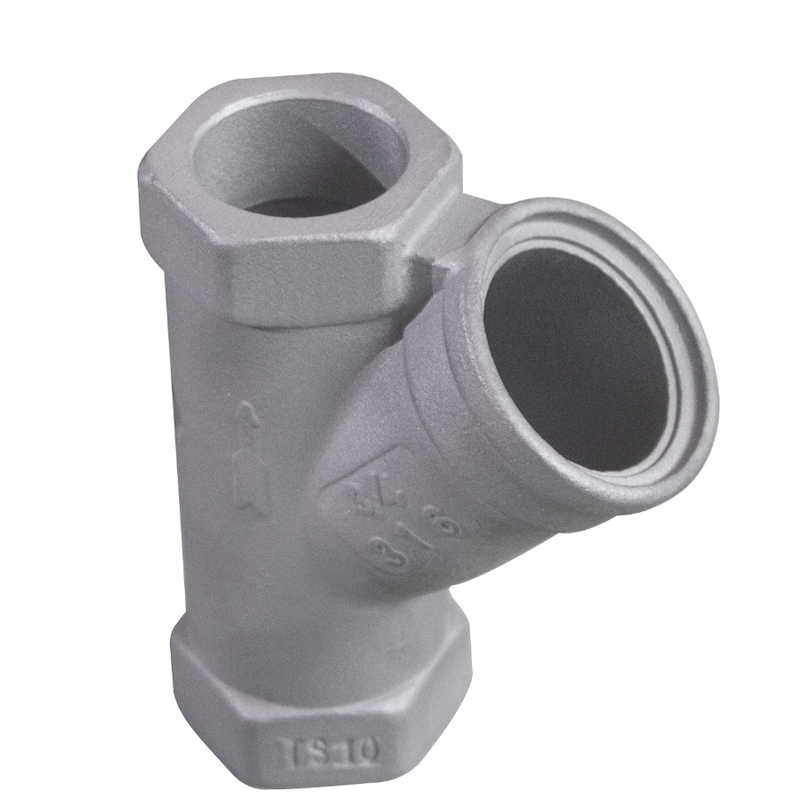
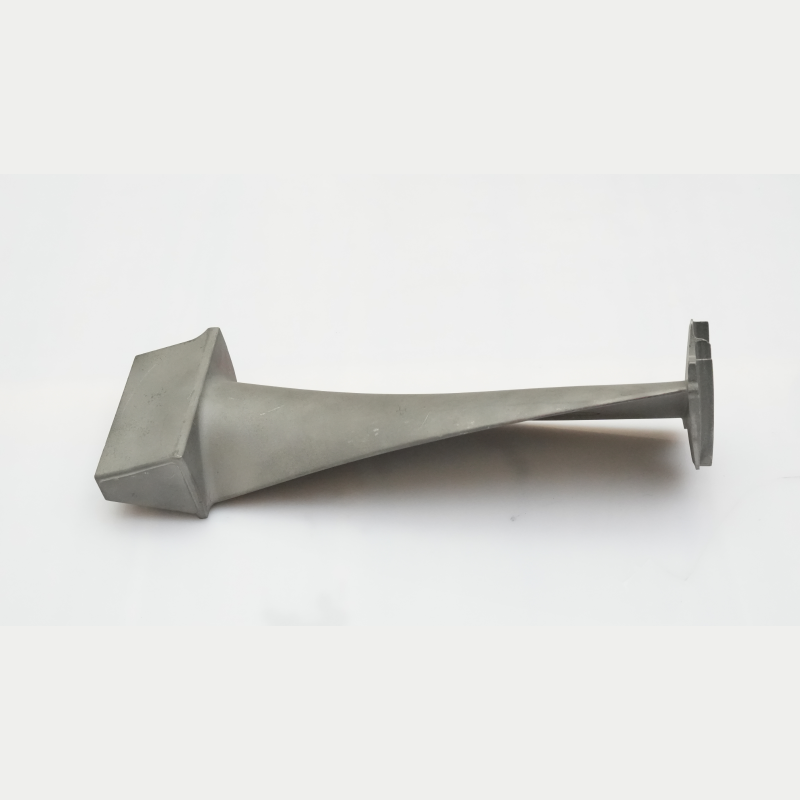
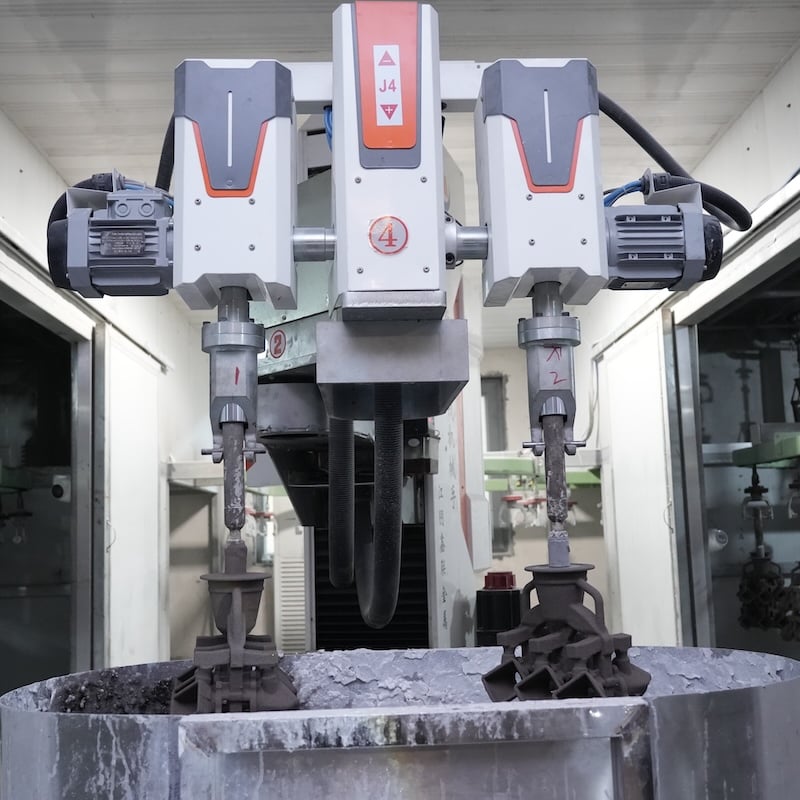
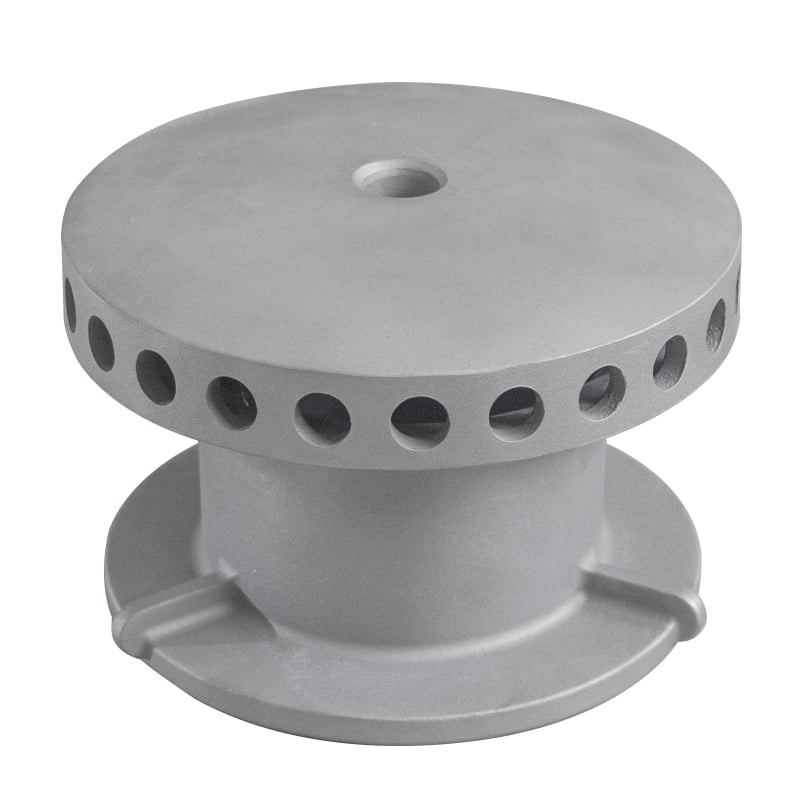
A precision casting factory represents a specialized manufacturing facility dedicated to producing high-quality metal components through advanced casting techniques. These factories employ sophisticated processes such as investment casting, also known as lost-wax casting, to create intricate parts with exceptional dimensional accuracy and superior surface finishes. The main function of a precision casting factory centers on transforming raw metal materials into complex shapes that would be difficult or impossible to achieve through traditional machining methods. The technological features of modern precision casting factories include state-of-the-art furnaces capable of melting various alloys, computer-controlled wax injection systems for creating precise patterns, ceramic shell manufacturing equipment, and advanced heat treatment facilities. These factories utilize cutting-edge quality control systems including X-ray inspection, coordinate measuring machines, and spectrometers to ensure every component meets stringent specifications. The applications of precision casting factory products span numerous industries including aerospace, automotive, medical devices, energy generation, defense, and industrial machinery. Aerospace companies rely on these facilities to produce turbine blades, structural components, and engine parts that must withstand extreme temperatures and stresses. Automotive manufacturers source transmission components, turbocharger housings, and suspension parts from precision casting factories. The medical industry depends on these facilities for surgical instruments, implants, and diagnostic equipment components. Energy sector applications include pump components, valve bodies, and turbine parts for both conventional and renewable energy systems. The versatility of a precision casting factory allows for working with diverse materials including stainless steel, carbon steel, aluminum alloys, titanium, cobalt-based superalloys, and copper alloys, making these facilities indispensable to modern manufacturing ecosystems worldwide.

Popular Products

Choosing a precision casting factory for your component manufacturing needs delivers numerous practical benefits that directly impact your bottom line and product quality. First and foremost, these facilities offer exceptional design flexibility that allows you to create complex geometries with intricate internal passages, undercuts, and thin walls without requiring expensive secondary machining operations. This design freedom means engineers can optimize parts for performance rather than manufacturing limitations, resulting in lighter, stronger, and more efficient components. The cost-effectiveness of working with a precision casting factory becomes evident when producing medium to high volume runs, as tooling costs are distributed across many parts, and material waste is minimized compared to subtractive manufacturing methods. You receive components that are near-net-shape, meaning they require minimal finishing work, which reduces your overall production time and labor costs. The dimensional accuracy achieved by a precision casting factory typically ranges from plus or minus 0.005 inches, eliminating the need for extensive machining while maintaining tight tolerances critical for assembly and function. Surface finish quality from these facilities often reaches 125 micro-inches or better, which can eliminate secondary finishing operations entirely for many applications. Material versatility represents another significant advantage, as a precision casting factory can work with virtually any castable alloy, including exotic materials that are difficult to machine or form through other processes. This capability allows you to select materials based purely on performance requirements rather than manufacturing constraints. The consolidation of multiple parts into single cast components reduces assembly time, eliminates potential failure points at joints, and improves overall structural integrity. Lead times from a precision casting factory are often shorter than alternative manufacturing methods for complex parts, especially once tooling is established, enabling faster time-to-market for your products. Quality consistency across production runs ensures that every component meets the same exacting standards, reducing rejection rates and warranty claims. Environmental benefits also factor into the advantages, as precision casting generates less waste material than machining, and excess material can often be recycled back into the production process. The ability to produce components with uniform mechanical properties throughout the part ensures reliability in demanding applications. Working with a precision casting factory also provides access to engineering expertise that can help optimize designs for both performance and manufacturability, potentially reducing costs while improving functionality. These combined advantages make precision casting factories an intelligent choice for manufacturers seeking to balance quality, cost, and performance in their component sourcing strategies.

Tips And Tricks

What Makes a Custom Lost Wax Casting Foundry Reliable for Precision Industrial Applications?

05

Jun

What Makes a Custom Lost Wax Casting Foundry Reliable for Precision Industrial Applications?

In precision industrial manufacturing, the reliability of a custom investment casting foundry is not a minor operational detail — it is a fundamental requirement that determines part integrity, production timelines, and ultimately, the safety o...
View More
What Factors Affect Surface Finish Quality in Medium Temperature Wax Casting Processes?

05

Jun

What Factors Affect Surface Finish Quality in Medium Temperature Wax Casting Processes?

Surface finish quality is one of the most critical performance indicators in precision investment casting, and it is directly shaped by the variables embedded in the medium temperature wax casting process. Unlike standard casting methods, medium temp...
View More
How Should Buyers Choose a Reliable Medium Temperature Wax Casting Service Provider?

26

Jun

How Should Buyers Choose a Reliable Medium Temperature Wax Casting Service Provider?

Selecting the right manufacturing partner for medium temperature wax casting is one of the most consequential decisions a procurement professional or product engineer can make. The process, which involves injecting wax into precision dies at carefull...
View More
How Can OEM ODM Precision Casting Services Accelerate New Product Development Cycles?

26

Jun

How Can OEM ODM Precision Casting Services Accelerate New Product Development Cycles?

Bringing a new industrial product from concept to market is rarely a straightforward journey. Engineering teams face relentless pressure to compress timelines, reduce prototype iterations, and deliver production-ready components without sacrificing d...
View More

Get a Free Quote

Our representative will contact you soon.
Email
Name
Mobile
Company Name
Message
0/1000

precision casting factory

Unmatched Complexity and Design Freedom

Unmatched Complexity and Design Freedom

One of the most compelling reasons to partner with a precision casting factory is the extraordinary ability to manufacture components with geometric complexity that would be prohibitively expensive or simply impossible through other manufacturing methods. This design freedom fundamentally changes how engineers approach product development, allowing them to optimize parts for performance without being constrained by manufacturing limitations. A precision casting factory can produce components featuring intricate internal cavities, complex curved surfaces, variable wall thicknesses, and multiple features integrated into a single piece. Consider turbine blades with internal cooling channels or medical implants with lattice structures that promote bone growth—these are examples where precision casting excels. The process begins with creating a detailed wax or polymer pattern that exactly replicates the desired final component, including all its complex features. This pattern gets coated with ceramic material in multiple layers to form a strong shell mold. Once the pattern material is removed, molten metal flows into every microscopic detail of the mold cavity, capturing features as small as 0.015 inches. This capability to reproduce fine details means that a precision casting factory can incorporate features like logos, part numbers, and functional elements directly into the cast component, eliminating secondary operations. The design freedom extends to creating parts with undercuts and re-entrant angles that would require complex multi-part molds or be impossible with machining. Engineers working with a precision casting factory can design parts with optimized material distribution, placing metal precisely where strength is needed while minimizing weight in non-critical areas. This results in components that achieve better strength-to-weight ratios compared to parts manufactured through traditional methods. The ability to consolidate multiple machined or fabricated parts into a single casting reduces assembly requirements, eliminates potential leak paths, and improves structural integrity. For instance, what might have required welding together five separate machined components can become a single precision cast part from a precision casting factory, reducing manufacturing steps and improving reliability. This consolidation also eliminates the need for fasteners, which represent potential failure points and add weight. The complex geometries achievable through a precision casting factory enable innovative product designs that can provide competitive advantages in the marketplace through improved performance, reduced weight, or enhanced aesthetics.
Superior Material Properties and Metallurgical Excellence

Superior Material Properties and Metallurgical Excellence

A precision casting factory delivers components with exceptional material properties and metallurgical characteristics that often surpass those achievable through other manufacturing processes. The controlled solidification environment within a precision casting factory allows for refined grain structures, uniform mechanical properties, and freedom from directional weaknesses that can affect forged or machined components. When metal solidifies in the carefully controlled conditions of a precision cast mold, the resulting microstructure exhibits consistency throughout the component, ensuring predictable performance under stress, temperature extremes, and cyclic loading. This metallurgical uniformity is particularly critical for aerospace applications where component failure is not an option, and medical applications where biocompatibility and reliability are paramount. The precision casting factory process enables the use of specialized alloys specifically formulated for casting that offer superior combinations of strength, corrosion resistance, heat resistance, and other performance characteristics. These alloys include stainless steels with enhanced corrosion resistance, cobalt-chrome alloys for biomedical applications, nickel-based superalloys for high-temperature aerospace components, and aluminum alloys optimized for strength-to-weight performance. A precision casting factory can control cooling rates during solidification to influence grain size and distribution, tailoring material properties to specific application requirements. Slow, controlled cooling produces larger grain structures suitable for high-temperature creep resistance, while faster cooling creates finer grains for improved room-temperature strength. The absence of seams, welds, or joints in precision cast components eliminates potential weak points and stress concentrators that could initiate failure. Unlike fabricated assemblies where dissimilar materials meet at welds, creating potential galvanic corrosion sites, a precision casting factory produces monolithic components from homogeneous material. The casting process also allows for the incorporation of directional solidification techniques in specialized precision casting factories, creating single-crystal or directionally solidified components for the most demanding aerospace turbine applications. Heat treatment capabilities within a precision casting factory further enhance material properties, enabling processes like solution annealing, aging, and stress relieving to optimize strength, hardness, and dimensional stability. The traceability and quality control systems in a precision casting factory ensure that material certifications, heat treatment records, and testing data accompany every component, providing documentation critical for regulated industries. Chemical composition control through spectrographic analysis ensures that every melt meets specified alloy requirements, and mechanical testing validates that strength, hardness, and elongation values fall within acceptable ranges.
Economic Efficiency and Production Scalability

Economic Efficiency and Production Scalability

The economic advantages of partnering with a precision casting factory extend far beyond simple piece-part pricing, encompassing total cost of ownership benefits that significantly impact your manufacturing profitability. While initial tooling investment for a precision casting factory may appear higher than some alternatives, this cost is amortized across production volumes, making the per-piece economics increasingly favorable as quantities increase. For components requiring extensive machining from solid stock, a precision casting factory delivers near-net-shape parts that require minimal material removal, dramatically reducing machining time and cutting tool costs. This material efficiency means that a precision casting factory typically converts seventy to ninety percent of the metal into finished product, compared to traditional machining which might remove eighty percent or more of the starting material as chips. The reduced machining requirement translates directly to lower labor costs, shorter production cycles, and decreased energy consumption. A precision casting factory enables you to produce complex parts in single operations that might otherwise require multiple machining setups, each requiring fixtures, programming, and quality verification. This consolidation reduces handling, decreases the opportunity for errors, and shortens overall lead times. The scalability of a precision casting factory allows for efficient production across a wide range of volumes, from prototype quantities to high-volume production runs, with relatively stable unit costs once tooling is established. This flexibility proves valuable when demand fluctuates or when transitioning new products from development to full production. Setup times in a precision casting factory are generally shorter than those required for complex machining operations, enabling economical production of multiple part numbers and facilitating just-in-time manufacturing strategies. The repeatability and consistency of the precision casting factory process reduces inspection requirements and minimizes scrap rates, as dimensional variation between castings remains within tight control limits. Quality costs decrease because a precision casting factory produces components that consistently meet specifications without the variation inherent in manual operations or worn cutting tools. The ability to cast thin walls and optimized cross-sections means that a precision casting factory uses less material per part compared to designs constrained by machining limitations, reducing raw material costs while simultaneously decreasing component weight. Logistics and inventory costs also benefit, as the near-net-shape nature of precision castings means you are shipping and storing finished parts rather than heavy rough castings or oversized forgings awaiting extensive machining. A precision casting factory partner often provides value-added services including design optimization, prototyping, finishing operations, and assembly, allowing you to consolidate your supply chain and reduce the number of vendors requiring management. The long tool life in a precision casting factory, often hundreds of thousands of parts before replacement, provides cost predictability and reduces unexpected tooling expenses that can disrupt production schedules and budgets.

Get a Free Quote

Our representative will contact you soon.
Email
Name
Mobile
Company Name
Message
0/1000