Precision Casting Factory Services - High-Quality Investment Casting Solutions

Get a Free Quote

Our representative will contact you soon.
Email
Name
Company Name
Message
0/1000

precision casting factory

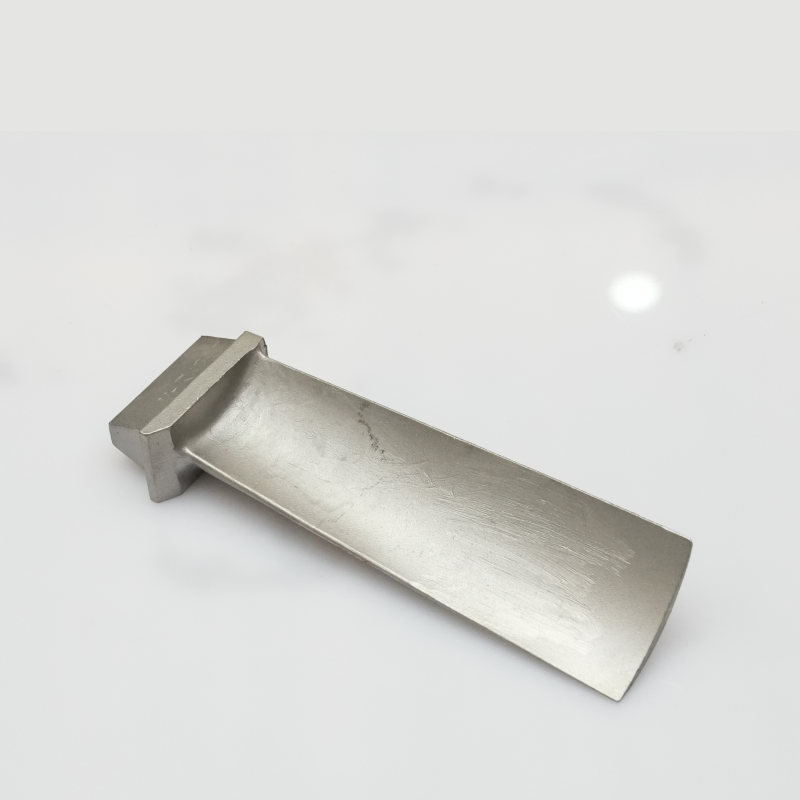
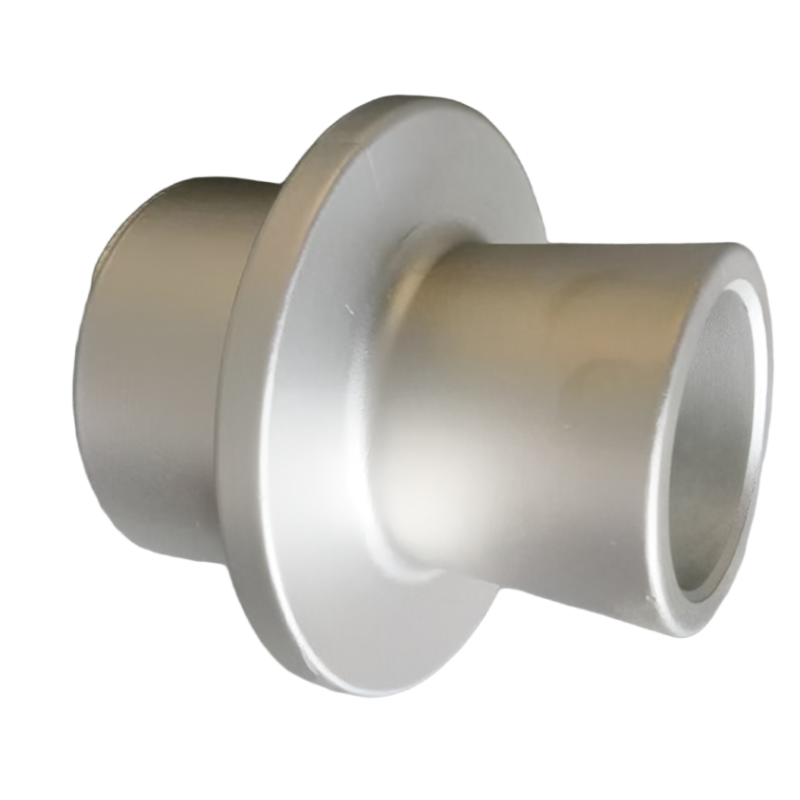
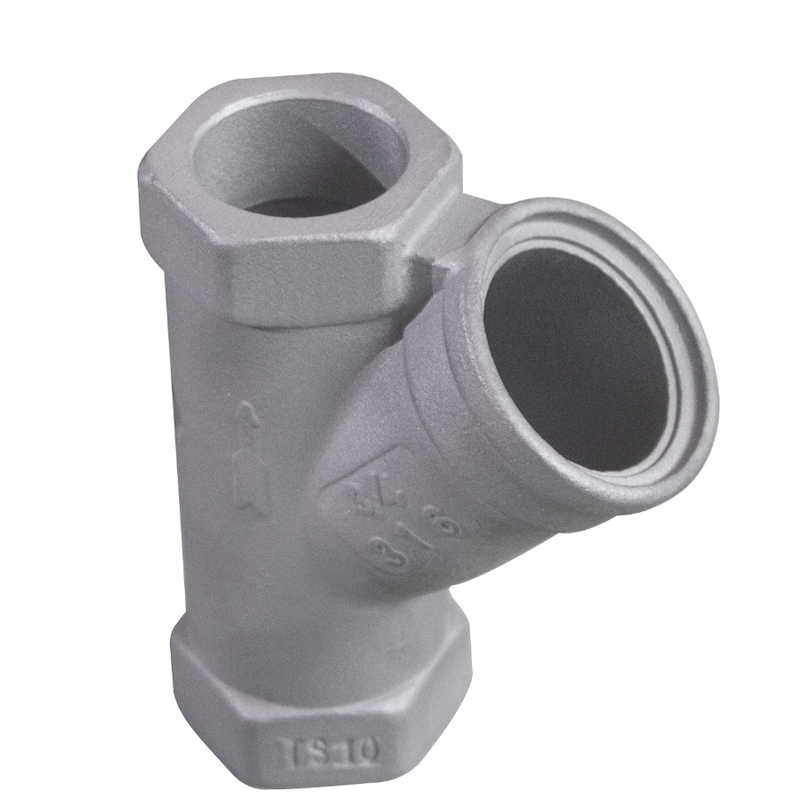
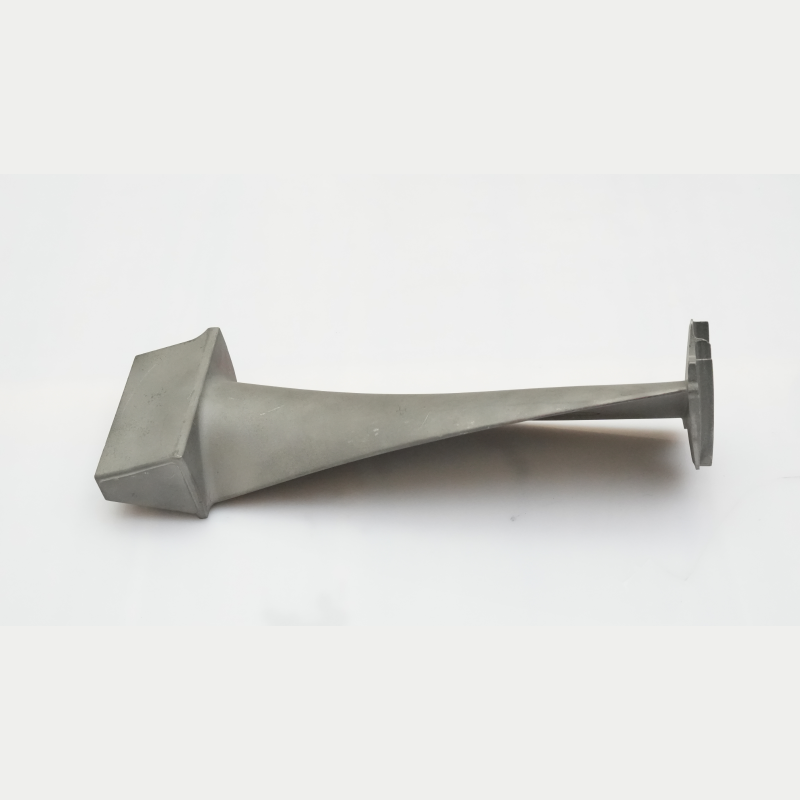
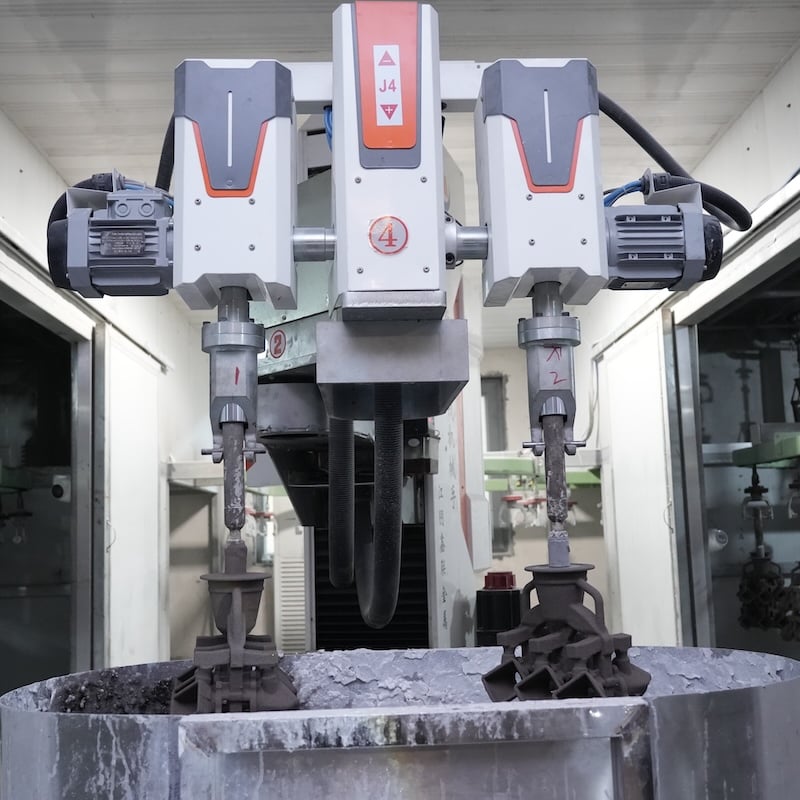
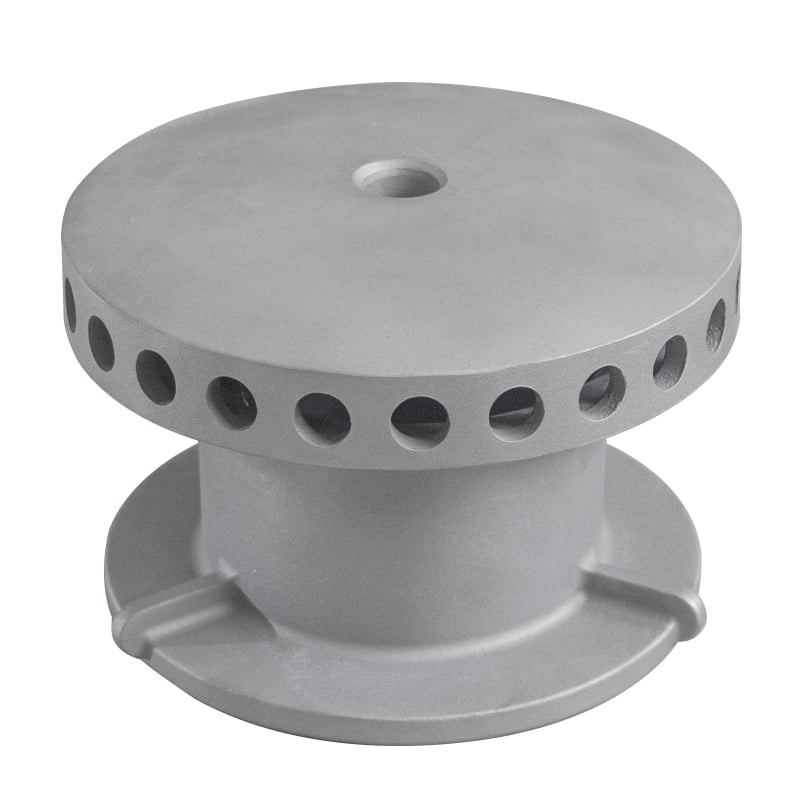
A precision casting factory represents a specialized manufacturing facility dedicated to producing high-quality metal components through advanced investment casting processes. This sophisticated production environment combines cutting-edge technology with skilled craftsmanship to create complex metal parts with exceptional accuracy and superior surface finishes. The primary function of a precision casting factory involves transforming molten metal into intricate shapes that meet exact specifications required by diverse industries. Through meticulous control of temperature, material composition, and cooling rates, these facilities achieve dimensional tolerances that traditional manufacturing methods cannot match. The technological features distinguishing modern precision casting operations include computer-aided design integration, automated wax injection systems, ceramic shell manufacturing equipment, and precisely controlled furnaces capable of melting various alloys. These factories utilize investment casting methodology, where expendable patterns create ceramic molds that produce near-net-shape components requiring minimal secondary machining. The process begins with pattern creation, typically using wax or polymer materials, followed by ceramic shell building through repeated dipping and coating procedures. Once the shell hardens, the pattern melts away, leaving a cavity perfectly shaped for metal pouring. Applications for precision casting factory output span numerous sectors including aerospace engineering, medical device manufacturing, automotive production, energy generation equipment, defense systems, industrial machinery, and commercial hardware. Aerospace companies rely on these facilities for turbine blades, structural brackets, and engine components where weight reduction and strength optimization prove critical. Medical device manufacturers source surgical instruments, orthopedic implants, and diagnostic equipment housings that demand biocompatibility and exact dimensions. Automotive applications include transmission components, suspension parts, and specialized engine elements. The versatility of precision casting enables production of parts ranging from miniature electronic housings weighing mere grams to substantial industrial components exceeding several kilograms, all while maintaining consistent quality standards and reproducibility across production runs.

Popular Products

Choosing a precision casting factory for your component manufacturing needs delivers tangible benefits that directly impact your bottom line and product quality. First and foremost, you gain access to exceptional design flexibility that allows creation of complex geometries impossible or economically unfeasible with other manufacturing methods. This means your engineering team can optimize part designs without compromise, incorporating intricate internal passages, undercuts, thin walls, and fine details that enhance functionality while potentially reducing assembly requirements. The cost efficiency becomes particularly evident in medium to high volume production where tooling investments distribute across larger quantities, and the near-net-shape capability minimizes expensive machining operations. You will appreciate how these factories reduce material waste significantly compared to subtractive manufacturing processes, as the casting method uses only the metal required for the final part plus minimal gate and riser material that can often be recycled. Material versatility stands as another compelling advantage, with precision casting factories capable of working with an extensive range of alloys including stainless steels, carbon steels, aluminum alloys, copper-based metals, nickel-based superalloys, and specialty materials tailored to specific environmental conditions or performance requirements. Your products benefit from superior surface finish quality straight from the mold, often eliminating or greatly reducing finishing operations while achieving surface textures suitable for both functional and aesthetic applications. The dimensional accuracy inherent in precision casting translates to tighter tolerances, typically achieving measurements within plus or minus a few thousandths of an inch, which means your assemblies fit together properly the first time, reducing quality issues and warranty claims. Production scalability offers remarkable flexibility, allowing you to start with prototype quantities to validate designs before ramping up to full production volumes without major process changes. You also benefit from consistent mechanical properties throughout each casting, as the controlled solidification environment produces uniform grain structures and predictable strength characteristics. Lead times become more manageable since precision casting factories can produce complex parts in single operations that might otherwise require multiple manufacturing steps, assembly operations, and coordination between different suppliers. The structural integrity achieved through precision casting often surpasses that of fabricated or machined alternatives, as cast components lack weld joints or fastener holes that create potential failure points. Environmental considerations favor precision casting as well, with modern factories implementing sustainable practices including recycling programs for pattern materials, ceramic shell components, and excess metal, while optimizing energy consumption through advanced furnace designs and heat recovery systems that reduce your supply chain carbon footprint.

Practical Tips

Selection And Application Scope Of Hardness Tester

11

May

Selection And Application Scope Of Hardness Tester

View More
The Role Of Elements In Castings And The Order Of Addition

11

May

The Role Of Elements In Castings And The Order Of Addition

View More
Stainless Steel Castings for Architectural Posts

11

May

Stainless Steel Castings for Architectural Posts

View More
Precision Stainless Steel Exhaust Manifold Casting Solution For Luxury Sedan - With Japanese First-Tier Car Brand

11

May

Precision Stainless Steel Exhaust Manifold Casting Solution For Luxury Sedan - With Japanese First-Tier Car Brand

View More

Get a Free Quote

Our representative will contact you soon.
Email
Name
Company Name
Message
0/1000

precision casting factory

Unmatched Accuracy and Consistency Across Every Production Run

Unmatched Accuracy and Consistency Across Every Production Run

The precision casting factory environment establishes manufacturing standards that guarantee each component meets your exact specifications with remarkable repeatability. This consistency stems from rigorous process controls implemented at every production stage, beginning with pattern creation where computer numerical control machines produce wax or polymer forms with micron-level precision. The dimensional stability continues through ceramic shell building, where automated dipping systems apply uniform coatings that cure under carefully monitored temperature and humidity conditions, ensuring each mold possesses identical wall thickness and structural characteristics. Modern precision casting facilities invest heavily in quality assurance infrastructure, deploying coordinate measuring machines, spectrometers, hardness testers, and non-destructive testing equipment that verify every critical dimension and material property. You receive components that interchange perfectly regardless of which production batch they originate from, eliminating fit-up problems during assembly and reducing the inspection burden at your receiving dock. Statistical process control methodologies track variables throughout manufacturing, identifying trends before they become quality issues and enabling proactive adjustments that maintain output within specification limits. The temperature control precision in melting and pouring operations directly influences final part quality, which is why leading precision casting factories utilize sophisticated furnace management systems that regulate alloy chemistry and thermal profiles within narrow bands. Solidification monitoring through thermal analysis equipment ensures proper grain structure formation and identifies potential defects before molds cool completely. First article inspection protocols validate new production setups against engineering drawings and customer requirements, creating documented proof that manufacturing processes produce conforming parts. Traceability systems track individual castings from raw material receipt through final shipment, recording process parameters, inspection results, and heat treatment data that provide complete manufacturing history for critical applications. The precision casting factory commitment to accuracy extends to secondary operations, where CNC machining centers equipped with automated tool changers and in-process gauging complete features requiring tighter tolerances than achievable directly from casting. Surface treatment capabilities including shot peening, electropolishing, and coating application occur under controlled conditions that enhance corrosion resistance, fatigue strength, and appearance while maintaining dimensional integrity. Continuous improvement initiatives driven by precision casting factory teams analyze production data, customer feedback, and industry best practices to refine processes and implement technologies that advance accuracy capabilities even further, ensuring your components benefit from the latest manufacturing innovations.
Accelerated Product Development and Time-to-Market Advantages

Accelerated Product Development and Time-to-Market Advantages

Partnering with a precision casting factory dramatically compresses product development cycles by enabling rapid transition from concept to functional prototype and subsequently into full-scale production. The investment casting process inherently supports iterative design refinement, as pattern modifications cost significantly less than retooling for alternative manufacturing methods, allowing your engineering team to test multiple configurations and optimize performance before committing to production quantities. Digital workflow integration at modern precision casting facilities bridges the gap between your CAD models and physical parts, with direct pattern manufacturing from three-dimensional files eliminating traditional tooling lead times for initial prototypes. You can evaluate form, fit, and function with actual metal components produced in the same alloys and by identical processes that will manufacture production parts, providing validation data far superior to surrogate materials or simulation alone. The precision casting factory capability to produce small quantities economically means you avoid minimum order requirements that force premature design freezes or excess inventory of potentially obsolete components. Concurrent engineering approaches become practical when precision casting factories engage during early design phases, offering manufacturing expertise that identifies opportunities for part consolidation, draft angle optimization, and feature placement that enhance castability while maintaining functional requirements. Simulation software employed by advanced precision casting operations predicts mold filling patterns, solidification sequences, and potential defect locations before any physical tooling is created, allowing preemptive design adjustments that prevent costly iterations. The parallel processing capabilities within precision casting factories enable multiple development projects to progress simultaneously, as shared infrastructure and cross-trained workforce flexibility prevent bottlenecks that plague more specialized manufacturing operations. Supply chain simplification occurs when precision casting replaces assemblies of multiple fabricated or machined components with single integrated castings, eliminating coordination complexity between various suppliers and reducing procurement lead times. Quality validation proceeds faster because precision casting factories maintain comprehensive testing capabilities on-site, performing metallurgical analysis, mechanical property verification, and dimensional inspection without external laboratory delays. Design for manufacturability reviews conducted by precision casting factory engineers identify potential production challenges early, recommending modifications that improve yield rates and reduce per-piece costs without compromising part performance. The knowledge transfer between your design team and precision casting specialists creates mutual understanding that streamlines communication, reduces misunderstandings, and accelerates decision-making throughout the development process. Prototype iteration cycles shrink dramatically when precision casting factories prioritize rapid turnaround for development projects, often dedicating specific production windows to sample manufacturing that delivers functional parts in weeks rather than months. This velocity advantage extends competitive benefits, allowing your products to reach market ahead of competitors still navigating lengthier manufacturing processes or struggling with design problems that iterative precision casting development would have identified and resolved earlier.
Superior Material Properties and Performance Optimization

Superior Material Properties and Performance Optimization

Components produced by a precision casting factory exhibit mechanical characteristics and metallurgical properties that frequently surpass those achievable through alternative manufacturing routes, delivering reliability advantages critical for demanding applications. The controlled solidification environment inherent in precision casting promotes uniform grain structure formation throughout component cross-sections, eliminating the directional properties and potential weaknesses associated with wrought materials or weld joints. You benefit from isotropic mechanical behavior where strength, ductility, and toughness remain consistent regardless of loading direction, simplifying stress analysis and providing design margins that enhance safety factors. Alloy selection flexibility at precision casting factories extends beyond standard materials, with metallurgical expertise enabling custom compositions tailored to specific service environments including high-temperature operation, corrosive atmospheres, cryogenic conditions, or extreme mechanical stresses. Heat treatment capabilities integrated within precision casting operations optimize microstructures for particular property combinations, whether maximizing hardness for wear resistance, enhancing ductility for impact absorption, or balancing characteristics for fatigue endurance. The absence of internal joints, fasteners, or welds eliminates discontinuities that concentrate stresses and initiate failure, resulting in components with inherent structural integrity that withstand cyclic loading and vibration without degradation. Precision casting factories control cooling rates during solidification to manage grain size, dendrite arm spacing, and phase distributions that directly influence mechanical performance, achieving property combinations unattainable when working with pre-existing material forms. Surface integrity from precision casting emerges superior to machined surfaces that contain tool marks, residual stresses, and work-hardened layers potentially harboring microcracks, while cast surfaces exhibit metallurgical continuity from surface to core. The near-net-shape advantage means critical functional surfaces require minimal stock removal, preserving the favorable as-cast metallurgical condition rather than exposing subsurface material through extensive machining. Porosity control through proper gating design, mold permeability management, and vacuum-assisted pouring techniques produces castings with density approaching theoretical values, ensuring pressure-tight components for hydraulic and pneumatic applications. Non-destructive examination capabilities at precision casting factories including radiography, ultrasonic testing, and fluorescent penetrant inspection verify internal soundness and surface integrity, providing documented assurance of quality for applications where failure consequences prove severe. Material certification accompanies precision casting factory output, documenting chemical composition, mechanical test results, and heat treatment parameters that satisfy industry specifications, customer requirements, and regulatory standards. Microstructural analysis capabilities enable precision casting factories to troubleshoot performance issues, correlate processing parameters with resulting properties, and continuously refine procedures that enhance component reliability. The precision casting process facilitates incorporation of integral features such as cooling channels, lightening pockets, and reinforcing ribs that optimize strength-to-weight ratios impossible with solid machined components, delivering performance advantages particularly valued in aerospace and automotive applications where mass reduction directly improves efficiency and operational costs.

Get a Free Quote

Our representative will contact you soon.
Email
Name
Company Name
Message
0/1000