tvornica preciznog uljezivanja
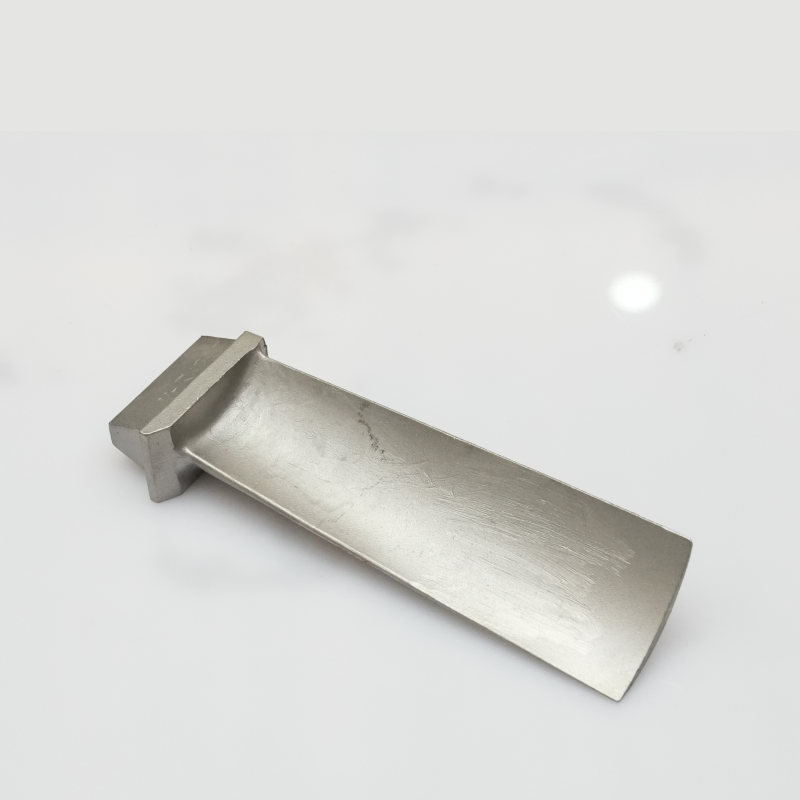
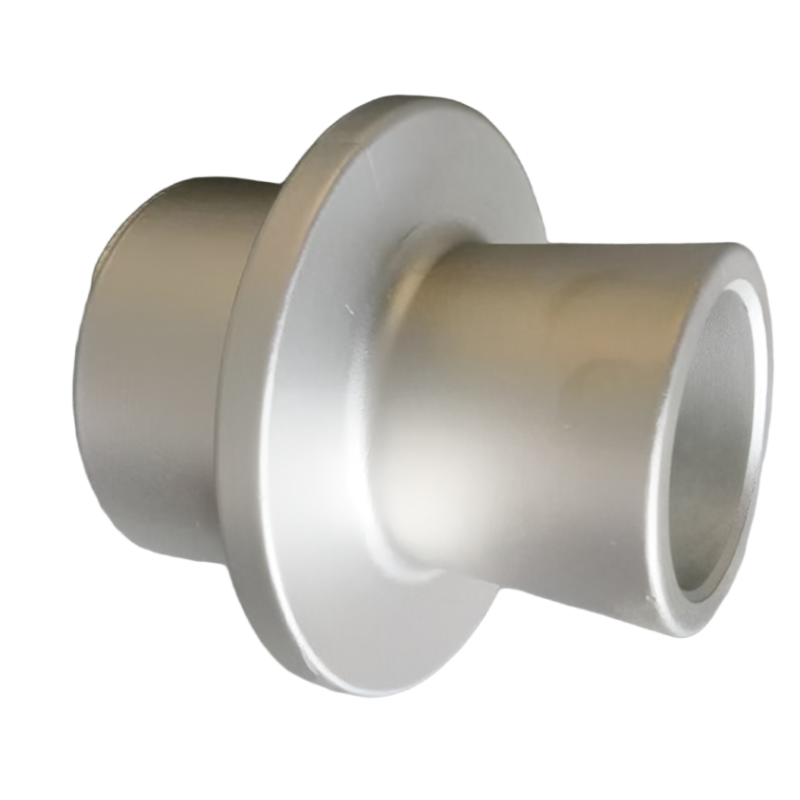
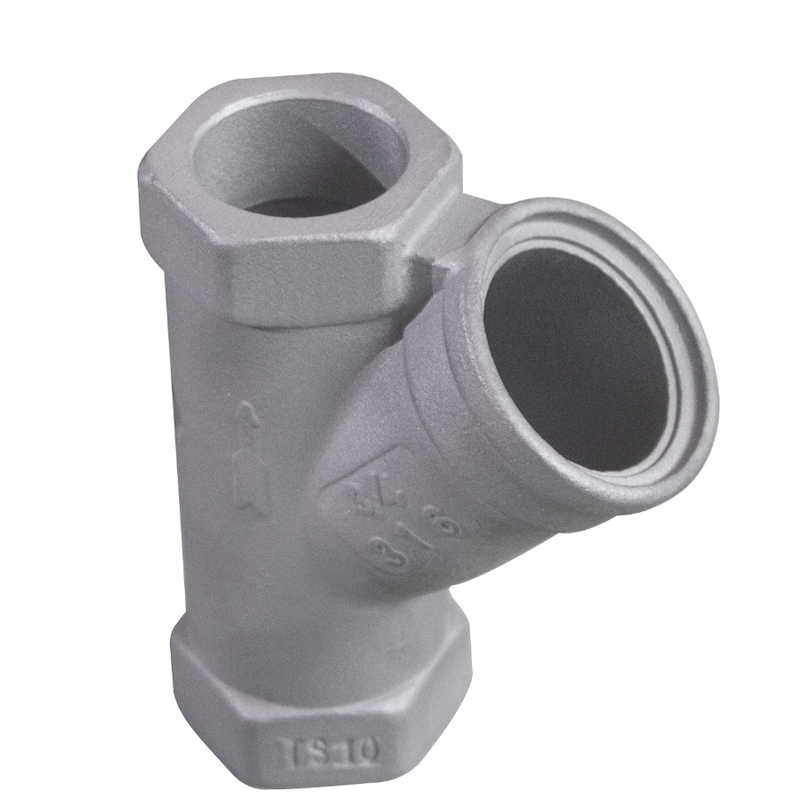
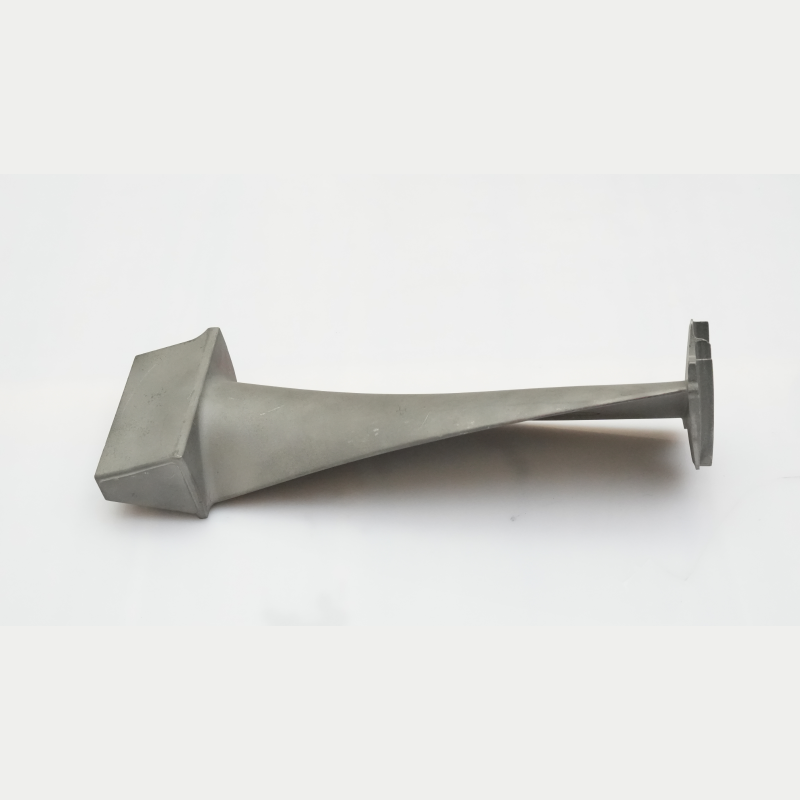
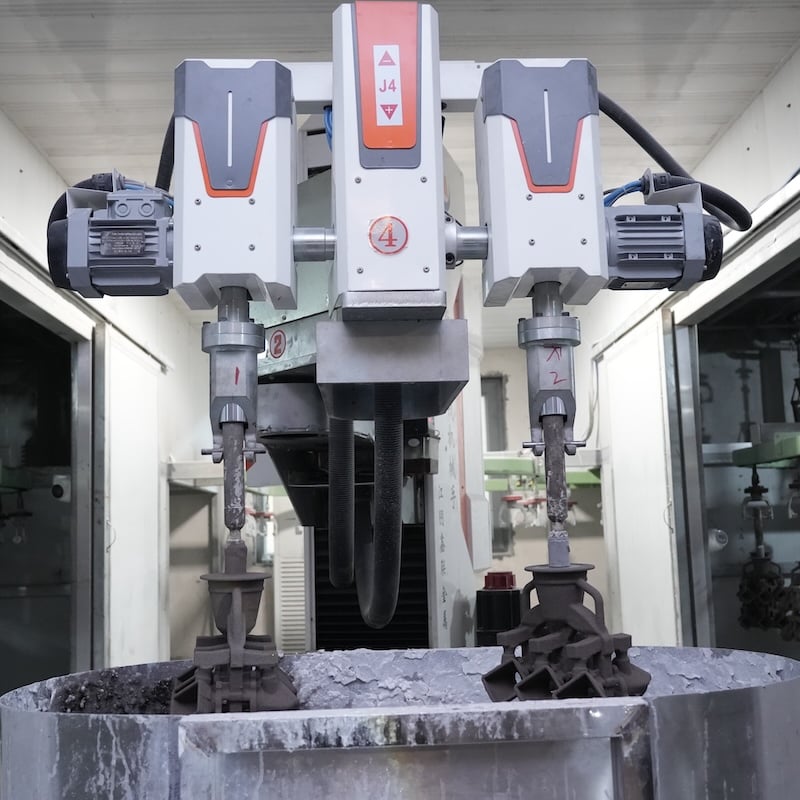
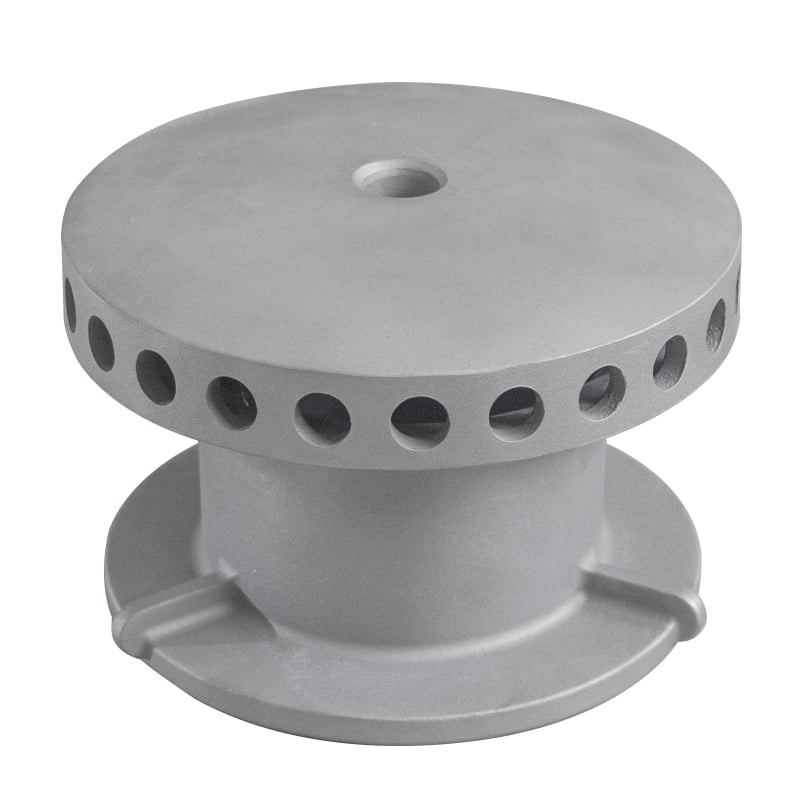
U skladu s člankom 3. stavkom 1. stavkom 2. točkom (a) Uredbe (EZ) br. U tim tvornicama se koriste sofisticirani procesi kao što je odlaganje investicijskim odlivom, poznato i kao odlaganje izgubljenim voskom, kako bi se stvorili složeni dijelovi s iznimnom preciznošću dimenzija i vrhunskim završetkom površine. Glavna funkcija tvornice preciznog lijanja usredotočena je na pretvaranje sirovih metalnih materijala u složene oblike koje bi bilo teško ili nemoguće postići tradicionalnim metodama obrade. Tehnološke značajke modernih tvornica preciznog lijanja uključuju najsavremenije peći koje mogu topi različite legure, računalno kontrolirane sustave ubrizgavanja voska za stvaranje preciznih uzoraka, opremu za proizvodnju keramičkih ljuski i napredne instalacije za toplotnu obradu. Ove tvornice koriste najsavremenije sustave kontrole kvalitete uključujući rendgensku inspekciju, koordinirane mjerne strojeve i spektrometre kako bi osigurale da svaka komponenta ispunjava stroge specifikacije. Primjene preciznih proizvodnih tvornica za odlijevanje obuhvaćaju brojne industrije, uključujući zrakoplovstvo, automobilsku industriju, medicinske uređaje, proizvodnju energije, obranu i industrijske strojeve. Kompanije za zrakoplovstvo oslanjaju se na te objekte za proizvodnju lopata turbina, konstrukcijskih dijelova i dijelova motora koji moraju izdržati ekstremne temperature i napore. Proizvođači automobila nabavljaju komponente za prijenos, kućišta turbopunjača i dijelove za ovježbanje iz tvornica preciznog lijanja. Medicinska industrija ovisi o tim objektima za kirurške instrumente, implantate i komponente dijagnostičke opreme. U energetskom sektoru primjene uključuju komponente pumpi, tijela ventila i dijelove turbina za konvencionalne i obnovljive energetske sustave. Sveobuhvatnost tvornice preciznog lijanja omogućuje rad s različitim materijalima, uključujući nehrđajući čelik, ugljični čelik, aluminijumske legure, titan, superlegure na bazi kobalta i bakrene legure, što ove objekte čini neophodnim za moderne proizvodne ekosustave diljem svijeta

 EN
EN