precision casting suppliers
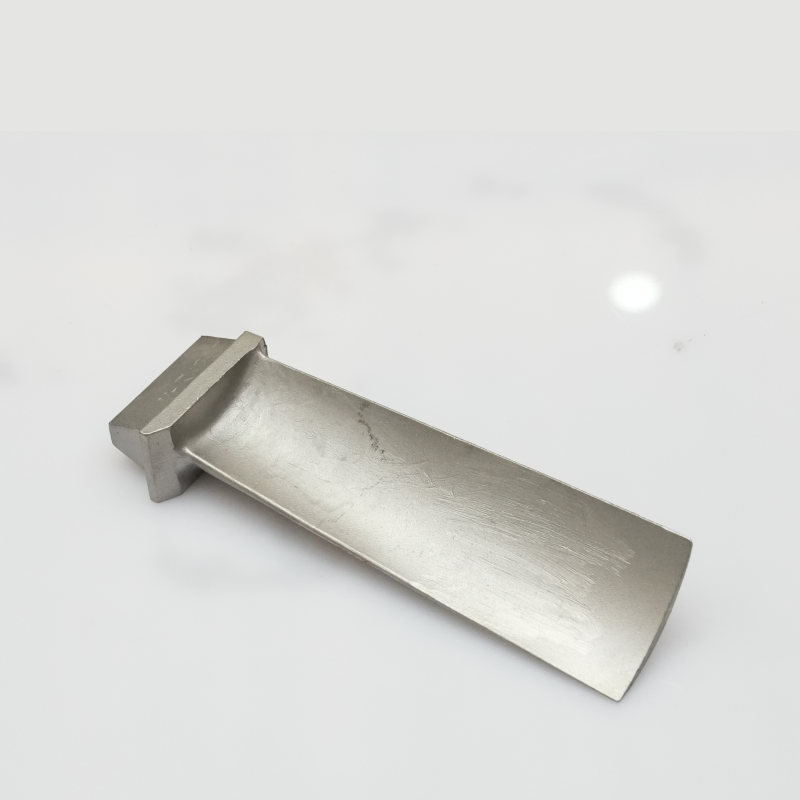
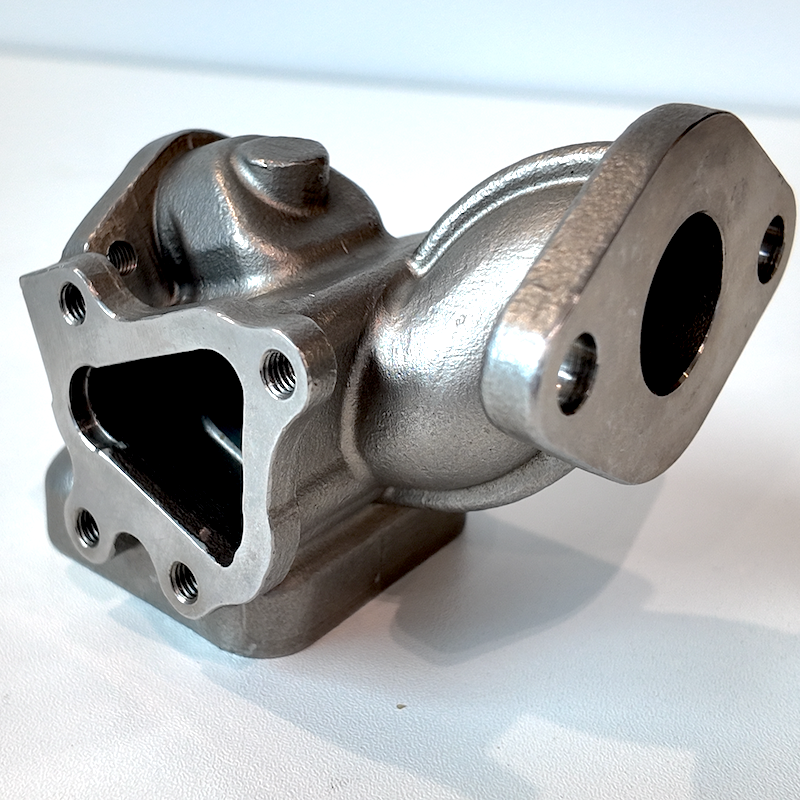
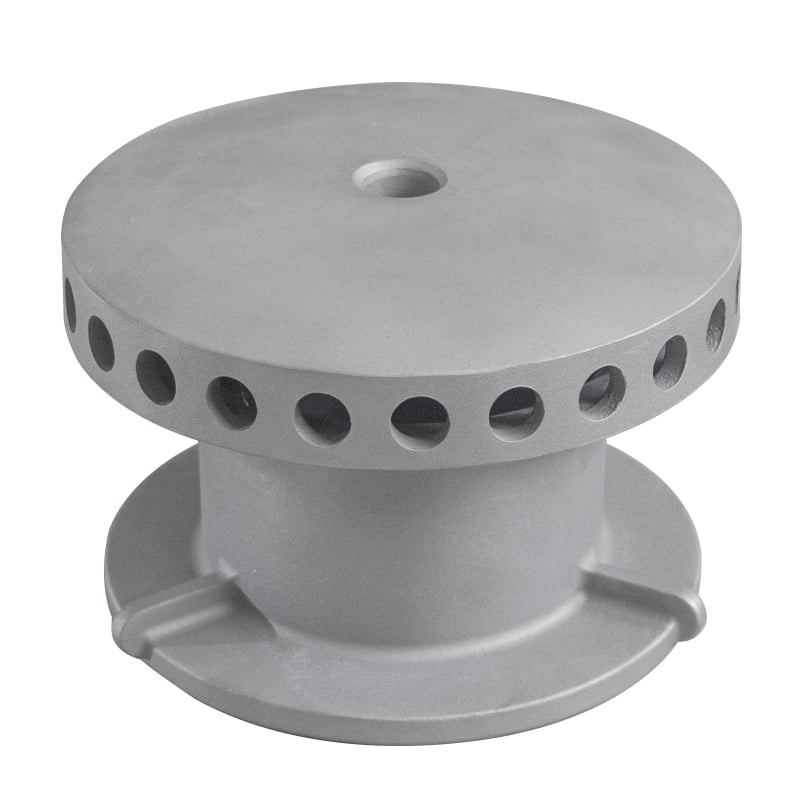
Precision casting suppliers play a vital role in modern manufacturing by providing specialized services that transform molten metal into highly accurate, complex components. These suppliers utilize advanced investment casting processes, also known as lost-wax casting, to produce parts with exceptional dimensional accuracy and superior surface finishes. The main functions of precision casting suppliers include design consultation, prototyping, tooling development, casting production, heat treatment, machining, and quality inspection. They work closely with clients across multiple industries to deliver custom metal components that meet stringent specifications and performance requirements. Technological features that distinguish professional precision casting suppliers include computer-aided design and simulation software, automated wax injection systems, ceramic shell manufacturing capabilities, vacuum casting equipment, and advanced metallurgical testing facilities. These suppliers maintain strict quality control protocols throughout every production stage, from initial pattern creation to final inspection, ensuring that each cast component meets or exceeds industry standards. The applications for precision casting are remarkably diverse, spanning aerospace engine components, medical surgical instruments, automotive turbocharger housings, industrial pump impellers, military defense hardware, oil and gas valve bodies, and consumer product components. Precision casting suppliers serve both high-volume production runs and low-volume specialized orders, offering flexibility that traditional manufacturing methods cannot match. Their expertise extends beyond simple casting operations to include secondary processes such as CNC machining, surface treatments, assembly, and testing services. By partnering with experienced precision casting suppliers, manufacturers gain access to decades of metallurgical knowledge, process optimization techniques, and quality assurance methodologies. These suppliers typically work with a wide range of materials including stainless steel, carbon steel, aluminum alloys, copper alloys, titanium, and specialty superalloys, enabling them to meet diverse application requirements across temperature ranges, corrosive environments, and mechanical stress conditions.

 EN
EN