pontos öntési szállítók
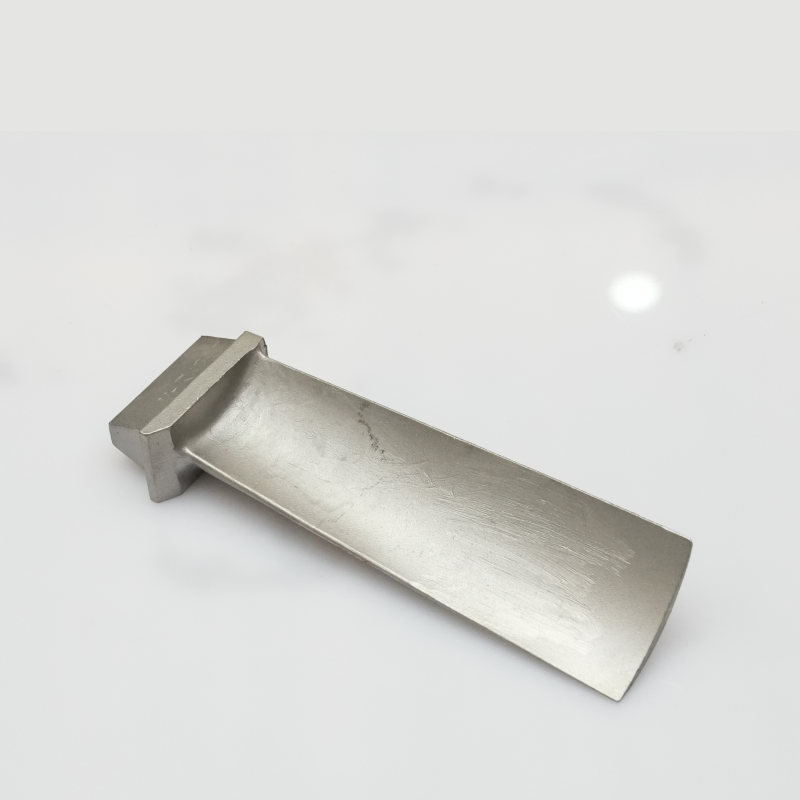
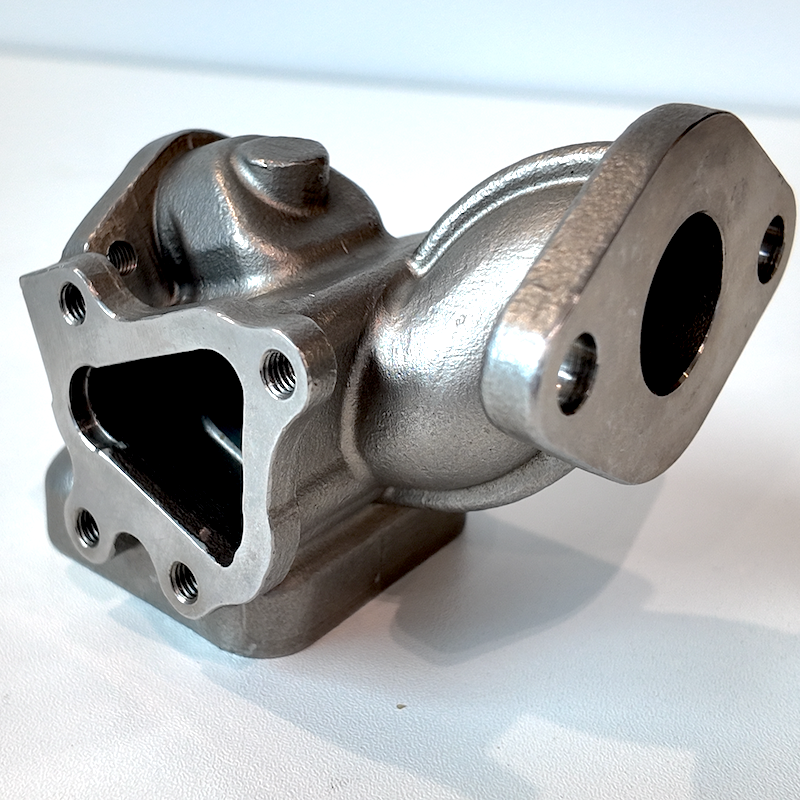
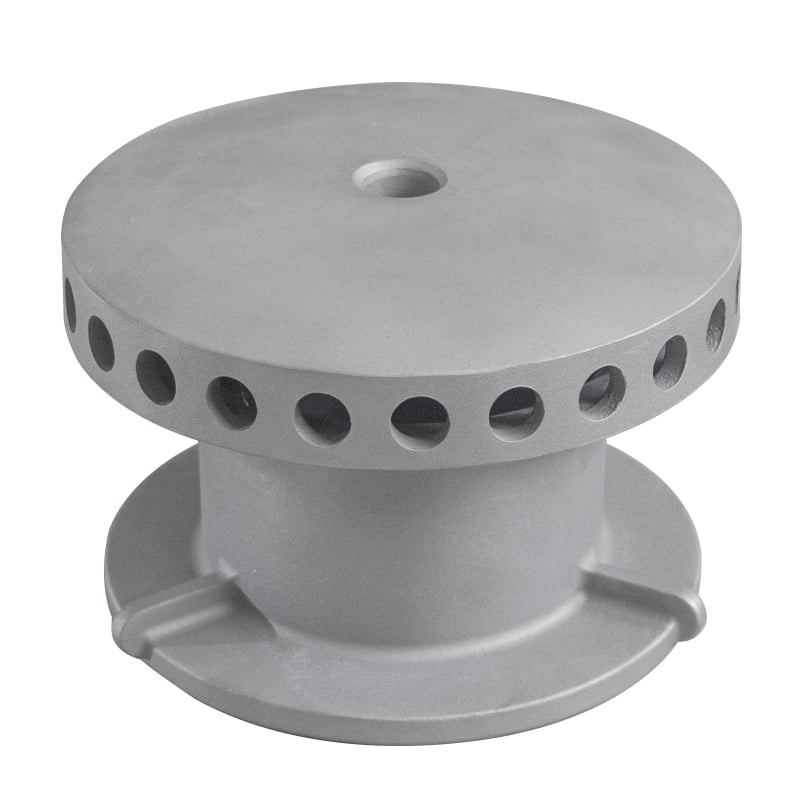
A pontossági öntőszolgáltatók kulcsszerepet játszanak a modern gyártásban, mivel specializált szolgáltatásokat nyújtanak, amelyek olvadt fémekből rendkívül pontos és összetett alkatrészeket állítanak elő. Ezek a szolgáltatók fejlett befektetési öntési eljárásokat – más néven elveszett viaszos öntést – alkalmaznak, hogy kiváló méretpontosságú és kiváló felületminőségű alkatrészeket gyártsanak. A pontossági öntőszolgáltatók fő feladatai közé tartozik a tervezési tanácsadás, a prototípusgyártás, az eszközök fejlesztése, az öntési gyártás, a hőkezelés, a megmunkálás és a minőségellenőrzés. Szoros együttműködést folytatnak ügyfeleikkel több iparágban is, hogy egyedi fémalkatrészeket szállítsanak, amelyek megfelelnek a szigorú műszaki specifikációknak és teljesítménykövetelményeknek. A szakmai pontossági öntőszolgáltatókat különösen a számítógéppel segített tervezési és szimulációs szoftverek, az automatizált viaszbefecskendező rendszerek, a kerámiaburkolat-gyártási képességek, a vákuumos öntőberendezések és a fejlett anyagvizsgáló laboratóriumok jellemzik. Ezek a szolgáltatók szigorú minőségellenőrzési protokollokat alkalmaznak minden gyártási szakaszban – a kezdeti minta elkészítésétől az utolsó ellenőrzésig –, így biztosítva, hogy minden öntött alkatrész megfeleljen vagy meghaladja az ipari szabványokat. A pontossági öntés alkalmazási területei rendkívül sokszínűek: repülőgépipari motoralkatrészek, orvosi sebészeti eszközök, autóipari turbófeltöltő házak, ipari szivattyú lapátkerék, hadsereg- és védelmi felszerelések, olaj- és gázipari szeleptestek, valamint fogyasztói termékek alkatrészei. A pontossági öntőszolgáltatók mind nagy tételű sorozatgyártást, mind kis tételű, speciális megrendeléseket is ellátnak, rugalmasságot nyújtva, amelyet a hagyományos gyártási módszerek nem tudnak biztosítani. Szakértelmük nem korlátozódik az egyszerű öntési műveletekre, hanem kiterjed másodlagos folyamatokra is, például CNC-megmunkálásra, felületkezelésre, összeszerelésre és vizsgálati szolgáltatásokra. A tapasztalt pontossági öntőszolgáltatókkal való együttműködéssel a gyártók hozzáférhetnek évtizedekre visszanyúló fémtechnológiai ismeretekhez, folyamatoptimalizálási technikákhoz és minőségbiztosítási módszerekhez. Ezek a szolgáltatók általában széles körű anyagokkal dolgoznak, köztük rozsdamentes acél, szénacél, alumíniumötvözetek, rézötvözetek, titán és speciális szuperalapok, így képesek különféle alkalmazási igények kielégítésére különböző hőmérsékleti tartományokban, korróziós környezetekben és mechanikai igénybevételi feltételek mellett.

 EN
EN