Precision Casting Machining Services - Complex Parts with Exceptional Accuracy

Get a Free Quote

Our representative will contact you soon.
Email
Name
Mobile
Company Name
Message
0/1000

precision casting machining

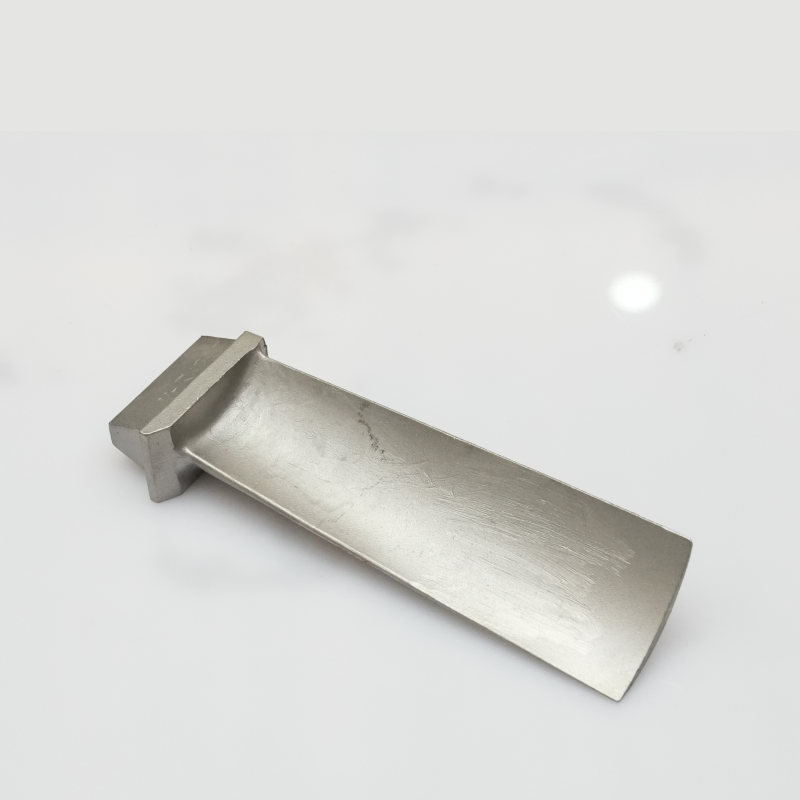
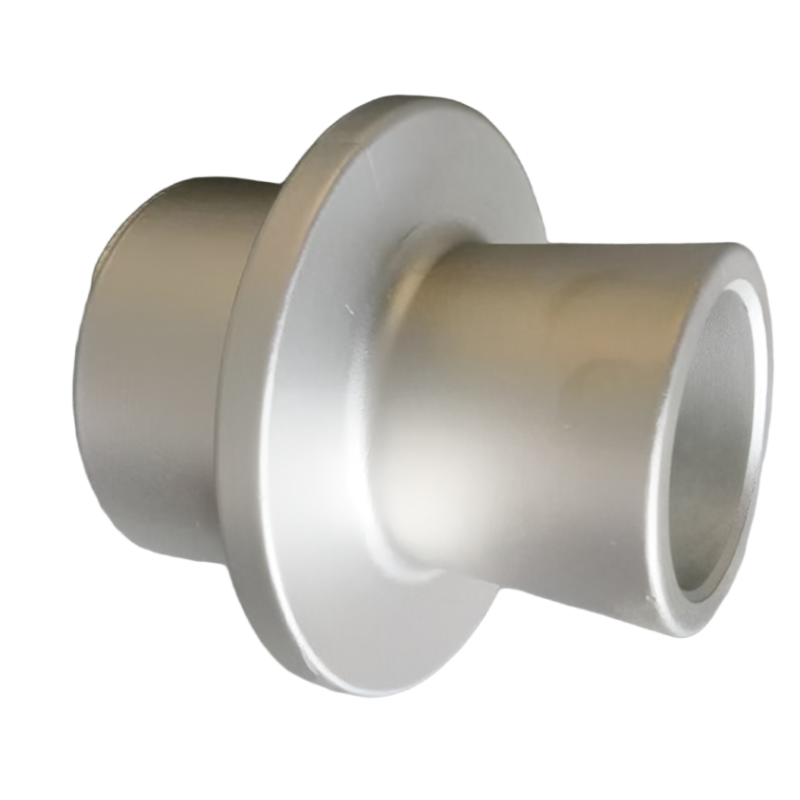
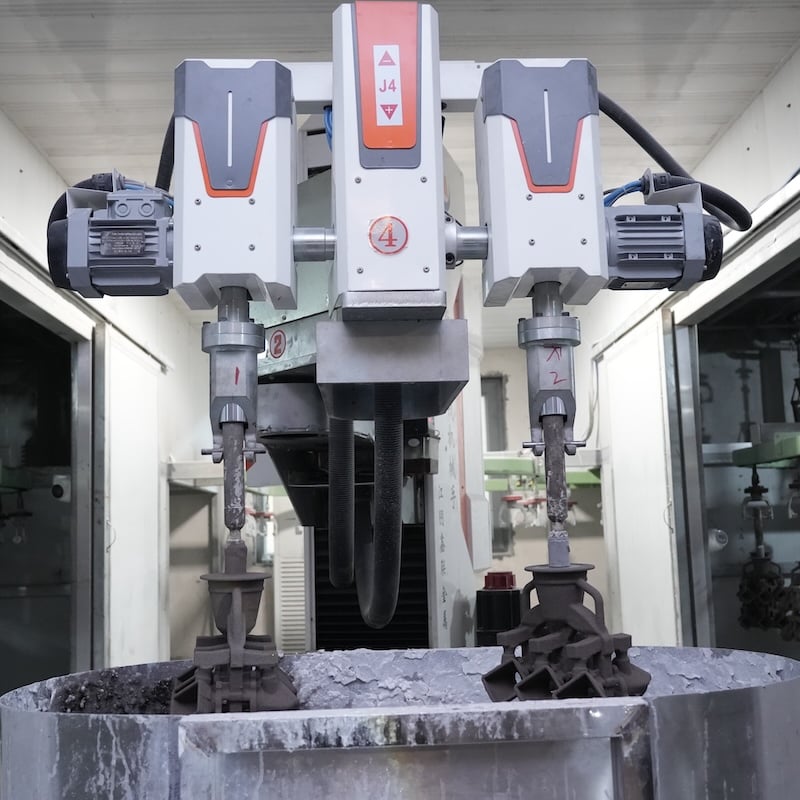
Precision casting machining represents a sophisticated manufacturing process that combines investment casting techniques with advanced machining operations to produce components with exceptional accuracy and surface quality. This hybrid approach begins with precision casting, also known as investment casting or lost-wax casting, where molten metal is poured into ceramic molds to create near-net-shape parts. The process continues with CNC machining operations that refine critical dimensions and surfaces to meet exact specifications. The main functions of precision casting machining include producing complex geometries that would be difficult or impossible to achieve through conventional manufacturing methods, creating parts with tight tolerances ranging from 0.001 to 0.005 inches, and delivering components with superior surface finishes. Technological features of this process encompass computer-aided design integration, automated wax pattern production, shell building with ceramic slurries, controlled solidification environments, and multi-axis CNC machining centers. The combination allows manufacturers to leverage the geometric freedom of casting while achieving the dimensional accuracy of machining. Applications span numerous industries including aerospace, where turbine blades and structural components demand both complexity and precision; medical device manufacturing, which requires biocompatible materials shaped into intricate surgical instruments and implants; automotive production, particularly for high-performance engine components and transmission parts; industrial machinery, where pumps, valves, and specialty fittings benefit from the process; and defense applications requiring durable, precise components. The precision casting machining process accommodates various materials including stainless steel, carbon steel, aluminum alloys, titanium, cobalt-chrome alloys, and specialty superalloys. This versatility makes it suitable for prototyping, low-to-medium volume production, and specialized high-value components where quality and performance outweigh cost considerations.

Popular Products

Choosing precision casting machining for your manufacturing needs delivers substantial practical benefits that directly impact your bottom line and product performance. First, this process significantly reduces material waste compared to traditional machining from solid stock, as the casting creates a near-net-shape that requires minimal material removal. You save money on raw materials, especially when working with expensive alloys like titanium or specialty steels, while also reducing machining time and tool wear. Second, the process enables you to manufacture parts with complex internal passages, undercuts, and intricate external features that would require multiple setups or prove impossible with conventional methods. This design freedom lets your engineers optimize component performance without being constrained by manufacturing limitations, leading to lighter, stronger, and more efficient products. Third, precision casting machining delivers consistent quality across production runs because the casting process creates repeatable base shapes, and CNC machining ensures critical dimensions meet exact specifications every time. You experience fewer rejected parts, reduced inspection costs, and greater confidence in assembly operations. Fourth, the excellent surface finish achieved through this combination process often eliminates secondary finishing operations, saving you both time and money while improving the aesthetic appeal and functional performance of your components. Fifth, you gain flexibility in material selection, as precision casting machining accommodates a wide range of metals and alloys, letting you choose materials based on performance requirements rather than manufacturing constraints. Sixth, lead times for complex parts often decrease because you avoid the extensive setup and programming required for complete machining from solid billets. The casting provides the basic form quickly, and machining focuses only on critical features. Seventh, tooling costs remain reasonable for small to medium production volumes, making the process economically viable for specialized applications where injection molding or die casting would require prohibitively expensive tooling. Eighth, the process scales effectively, allowing you to start with prototype quantities and increase production volumes as demand grows without major changes to your manufacturing approach. Finally, precision casting machining produces parts with excellent mechanical properties because controlled solidification during casting creates favorable grain structures, and subsequent machining does not compromise these inherent material characteristics. Your components exhibit superior strength, durability, and resistance to fatigue, ensuring long service life and reliable performance in demanding applications.

Tips And Tricks

What Makes a Custom Lost Wax Casting Foundry Reliable for Precision Industrial Applications?

05

Jun

What Makes a Custom Lost Wax Casting Foundry Reliable for Precision Industrial Applications?

In precision industrial manufacturing, the reliability of a custom investment casting foundry is not a minor operational detail — it is a fundamental requirement that determines part integrity, production timelines, and ultimately, the safety o...
View More
How Does a Precision Investment Casting Manufacturer Ensure Consistent Quality Across Global Supply Chains?

05

Jun

How Does a Precision Investment Casting Manufacturer Ensure Consistent Quality Across Global Supply Chains?

In today's interconnected industrial landscape, sourcing complex metal components across international borders presents a formidable quality challenge. the manufacturer must navigate an intricate web of raw material sourcing, multi-stage production c...
View More
What Factors Affect Surface Finish Quality in Medium Temperature Wax Casting Processes?

05

Jun

What Factors Affect Surface Finish Quality in Medium Temperature Wax Casting Processes?

Surface finish quality is one of the most critical performance indicators in precision investment casting, and it is directly shaped by the variables embedded in the medium temperature wax casting process. Unlike standard casting methods, medium temp...
View More
What Should Global Buyers Expect from OEM ODM Precision Casting Services Suppliers?

05

Jun

What Should Global Buyers Expect from OEM ODM Precision Casting Services Suppliers?

For global buyers sourcing complex metal components, selecting a reliable partner for oem odm precision casting services is one of the most consequential procurement decisions in a production cycle. The stakes are high: dimensional inaccuracies, inco...
View More

Get a Free Quote

Our representative will contact you soon.
Email
Name
Mobile
Company Name
Message
0/1000

precision casting machining

Superior Dimensional Accuracy and Complex Geometry Capability

Superior Dimensional Accuracy and Complex Geometry Capability

Precision casting machining stands out in the manufacturing landscape because it uniquely combines the geometric freedom of investment casting with the exacting dimensional control of CNC machining operations. This dual-process approach solves a fundamental challenge that manufacturers face: creating components with both intricate shapes and tight tolerances. The precision casting phase allows designers to incorporate features that would be extremely difficult or economically unfeasible using other methods. Internal cavities, varying wall thicknesses, complex curved surfaces, and integrated features that would normally require assembly of multiple parts can all be cast as a single component. The wax pattern creation process, whether through injection molding or additive manufacturing, captures every design detail with remarkable fidelity. When these patterns receive ceramic shell coatings and the metal casting occurs, the result is a component that closely approximates the final desired shape. However, casting alone cannot achieve the dimensional precision required for mating surfaces, bearing bores, threaded connections, or other critical interfaces. This is where the machining phase becomes essential. CNC machining operations target specific features that demand exact dimensions, transforming the near-net-shape casting into a finished component that meets all specifications. Multi-axis machining centers can access complex angles and positions, ensuring that even the most challenging features receive proper finishing. The value this brings to potential customers extends far beyond simple part production. Engineers gain design freedom to optimize components for weight reduction, aerodynamic performance, fluid flow characteristics, or structural efficiency without worrying whether manufacturing capabilities can support their vision. Product developers can consolidate assemblies, eliminating fasteners, reducing part counts, and improving reliability while potentially lowering overall production costs. Quality managers appreciate the consistency, as the controlled nature of both casting and CNC operations produces repeatable results that minimize variation between parts. For industries like aerospace, medical devices, and high-performance automotive applications where component failure carries serious consequences, the combination of complex geometry capability and dimensional precision provides both innovation potential and risk mitigation. The process essentially expands what is possible in component design while maintaining the quality standards that critical applications demand.
Cost-Effectiveness Through Material Efficiency and Reduced Processing Time

Cost-Effectiveness Through Material Efficiency and Reduced Processing Time

The economic advantages of precision casting machining become apparent when you analyze the complete manufacturing cycle and compare it against alternative production methods. Traditional machining from solid bar stock or billet material requires removing large amounts of metal to create the final component shape. This subtractive process generates substantial waste in the form of chips and turnings, waste that represents both material cost and disposal expense. When working with expensive materials such as titanium alloys, cobalt-chrome, or specialty stainless steels, this waste can account for a significant portion of total production costs. Precision casting machining dramatically reduces this waste by creating a near-net-shape through the casting process. The amount of material in the initial casting closely matches the final part volume, meaning machining operations remove only small amounts of metal from critical surfaces. Your material utilization rates improve substantially, often exceeding eighty-five percent compared to fifty percent or less with complete machining from solid stock. Beyond raw material savings, reduced machining time translates to lower labor costs, decreased machine hours, and extended cutting tool life. CNC machining operations focus exclusively on surfaces requiring tight tolerances rather than removing bulk material to create basic shapes. Shorter cycle times mean you can produce more parts with existing equipment or reduce your capital investment in manufacturing capacity. Setup time also decreases because the casting provides proper orientation and basic features, simplifying workholding and reducing the number of operations required. For lower production volumes where hard tooling for die casting or injection molding would be cost-prohibitive, precision casting machining offers an economically viable alternative. Tooling costs remain reasonable because wax pattern dies are relatively inexpensive compared to steel dies for high-pressure processes. This makes the process particularly attractive for aerospace and defense applications where production volumes may number in the hundreds or thousands rather than millions, yet quality requirements remain extremely demanding. The economic benefits extend to inventory management as well, since the ability to produce complex parts as single components rather than assemblies reduces the number of individual items you must stock, track, and manage. Transportation costs decrease when lighter, more efficient designs become feasible through the geometric freedom this process provides. When you consider total cost of ownership rather than simply price per part, precision casting machining frequently emerges as the most economical choice for complex, high-performance components.
Exceptional Material Properties and Surface Quality for Enhanced Performance

Exceptional Material Properties and Surface Quality for Enhanced Performance

The mechanical and physical properties of components produced through precision casting machining often exceed those achieved with alternative manufacturing methods, providing tangible performance advantages in demanding applications. During the precision casting phase, controlled solidification within ceramic shell molds creates favorable metallurgical characteristics. The relatively slow, uniform cooling allows proper grain structure formation, minimizes internal stresses, and reduces the likelihood of defects such as porosity or inclusions. Unlike processes that involve severe plastic deformation or rapid cooling that might create residual stresses or unfavorable grain orientations, investment casting produces components with isotropic properties and predictable behavior under load. The subsequent machining operations preserve these inherent material qualities while creating the precise dimensions and surface finishes required for optimal function. Surface finish quality matters significantly in many applications, affecting fatigue life, corrosion resistance, fluid flow characteristics, and wear performance. Precision casting machining delivers superior surface quality through two mechanisms. The casting process itself produces relatively smooth surfaces compared to sand casting or other conventional foundry methods, as the fine ceramic shell captures detail effectively and the molten metal flows smoothly into the mold cavity. Machining operations then refine critical surfaces to exceptional smoothness, with achievable roughness values often measured in microinches. This combination eliminates the need for secondary finishing processes like grinding, polishing, or honing in many applications, saving both time and cost while ensuring consistent results. For applications involving fluid flow, such as pump impellers, valve bodies, or turbine components, surface quality directly impacts efficiency and performance. Smooth surfaces minimize turbulence, reduce friction losses, and improve overall system effectiveness. In medical implants, surface finish affects biocompatibility, osseointegration, and long-term success rates. For aerospace components subject to cyclic loading, surface quality influences fatigue crack initiation and component lifespan. The material versatility of precision casting machining allows manufacturers to select alloys optimized for specific performance requirements. Corrosion-resistant stainless steels, high-strength titanium alloys, temperature-resistant superalloys, and specialized materials for unique environments can all be processed effectively. This flexibility ensures that components not only achieve the required shape and dimensions but also deliver the mechanical properties, corrosion resistance, temperature capability, and durability that applications demand. Quality control throughout the process maintains these advantages, with inspection methods including dimensional verification, surface roughness measurement, non-destructive testing for internal soundness, and mechanical property testing to confirm material performance. Customers receive components they can trust for critical applications where failure is not an option.

Get a Free Quote

Our representative will contact you soon.
Email
Name
Mobile
Company Name
Message
0/1000