precision casting machining
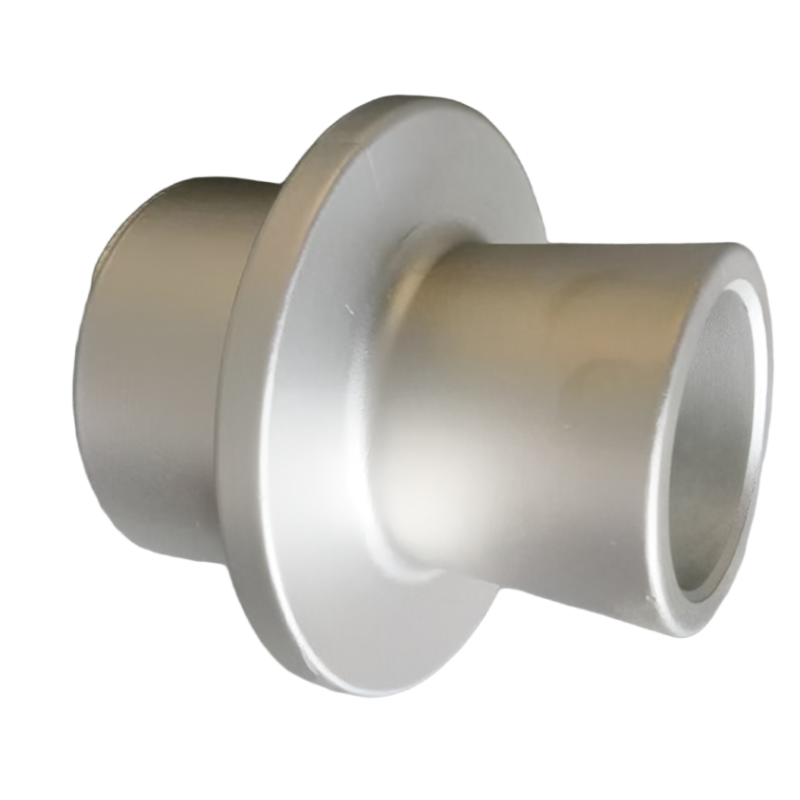
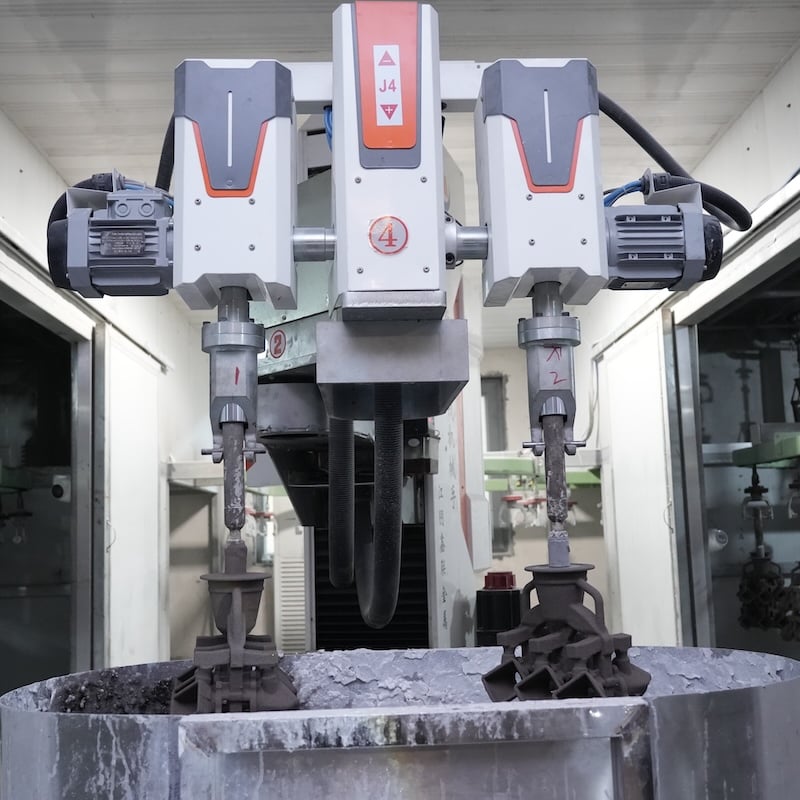
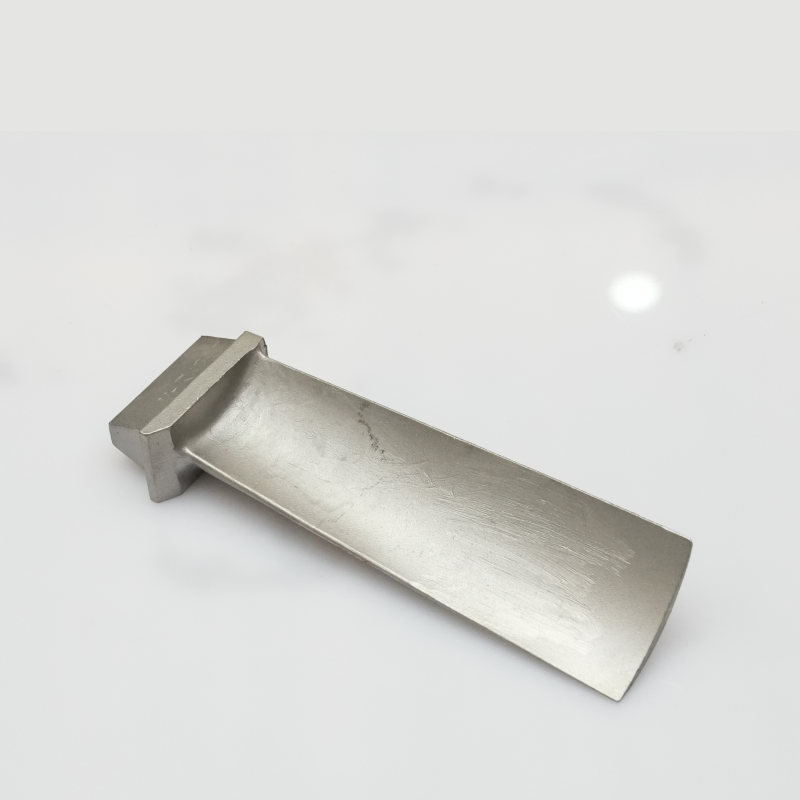
Precision casting machining represents a sophisticated manufacturing process that combines traditional casting techniques with advanced machining operations to produce complex metal components with exceptional accuracy and surface finish. This integrated approach begins with precision casting, also known as investment casting or lost-wax casting, where molten metal is poured into ceramic molds created from wax patterns. Following the casting phase, precision machining operations refine the components to achieve tight tolerances and superior dimensional accuracy. The main functions of precision casting machining include producing intricate geometries that would be difficult or impossible to achieve through conventional manufacturing methods, reducing material waste by creating near-net-shape components, and delivering parts with excellent mechanical properties. Technological features of this process encompass computer-aided design integration, automated pouring systems, controlled solidification environments, and multi-axis CNC machining centers that work together to ensure consistent quality. The casting phase allows manufacturers to create complex internal passages, undercuts, and thin-walled sections, while subsequent machining operations add critical dimensions, threads, and fine surface finishes where required. Applications for precision casting machining span numerous industries including aerospace, where turbine blades and structural components demand exceptional strength-to-weight ratios, medical device manufacturing requiring biocompatible materials and sterile surfaces, automotive production for engine components and transmission parts, industrial equipment manufacturing, defense systems, energy generation equipment, and specialized tooling. The process accommodates various alloy systems including stainless steels, aluminum alloys, titanium alloys, nickel-based superalloys, and cobalt-chromium alloys, making it versatile for diverse application requirements. Modern precision casting machining facilities utilize advanced quality control measures such as coordinate measuring machines, non-destructive testing, and statistical process control to maintain consistency across production runs and meet stringent industry standards.