Exceptional Cost Efficiency Through Integrated Production
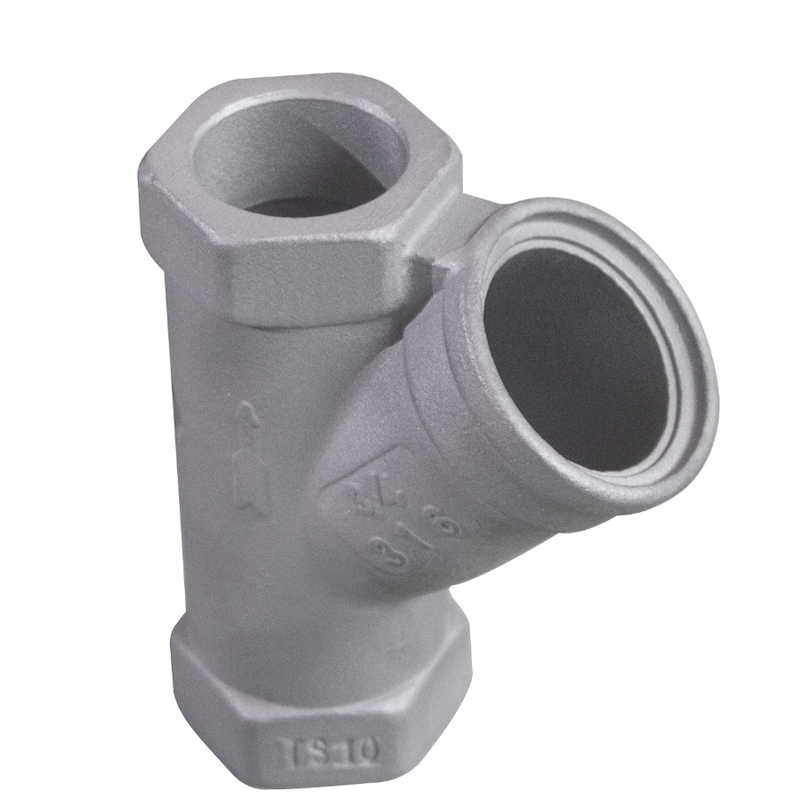
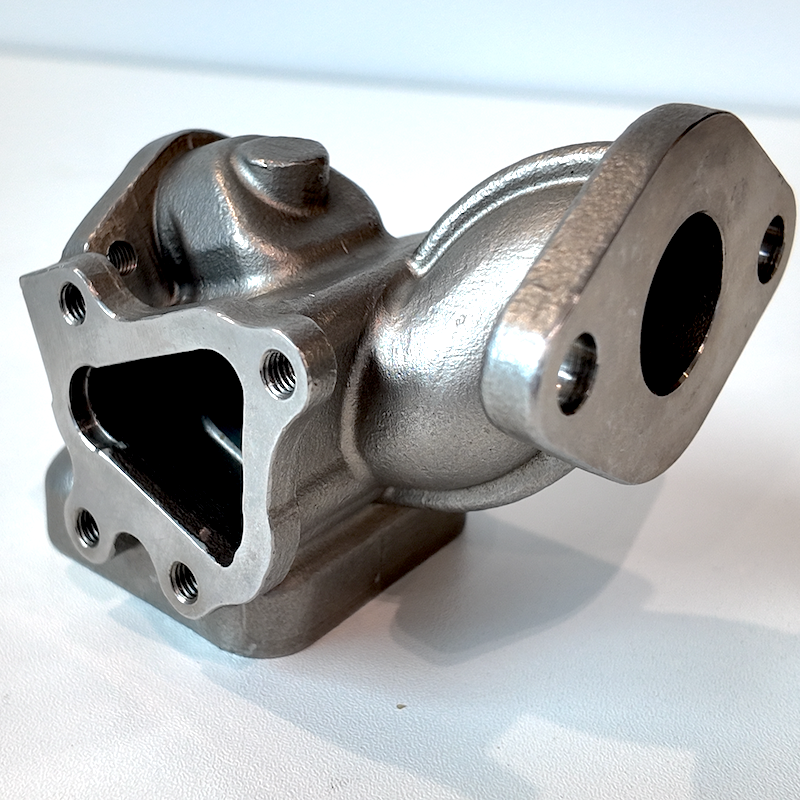
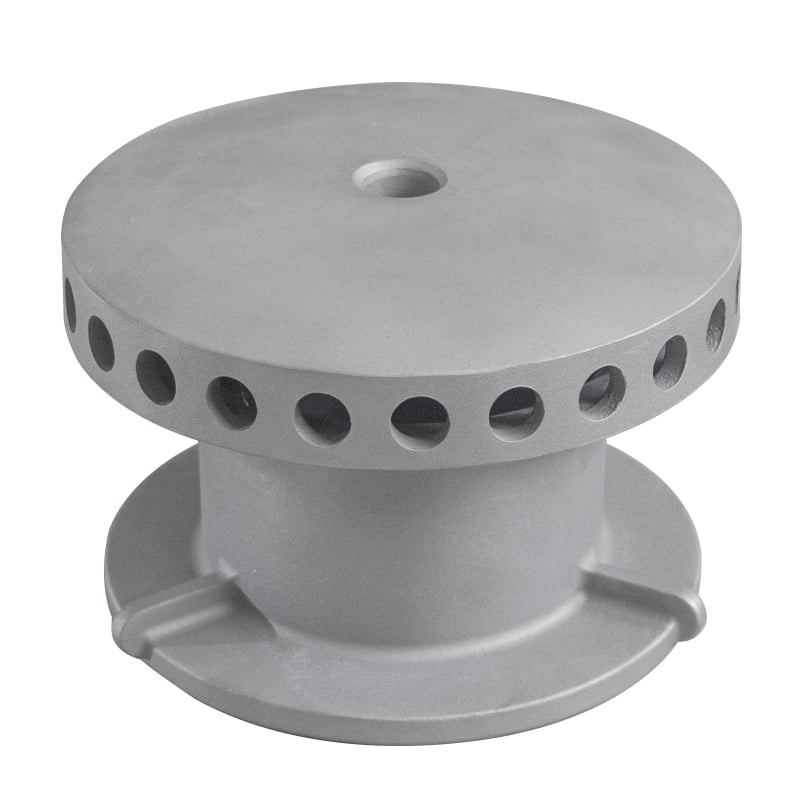
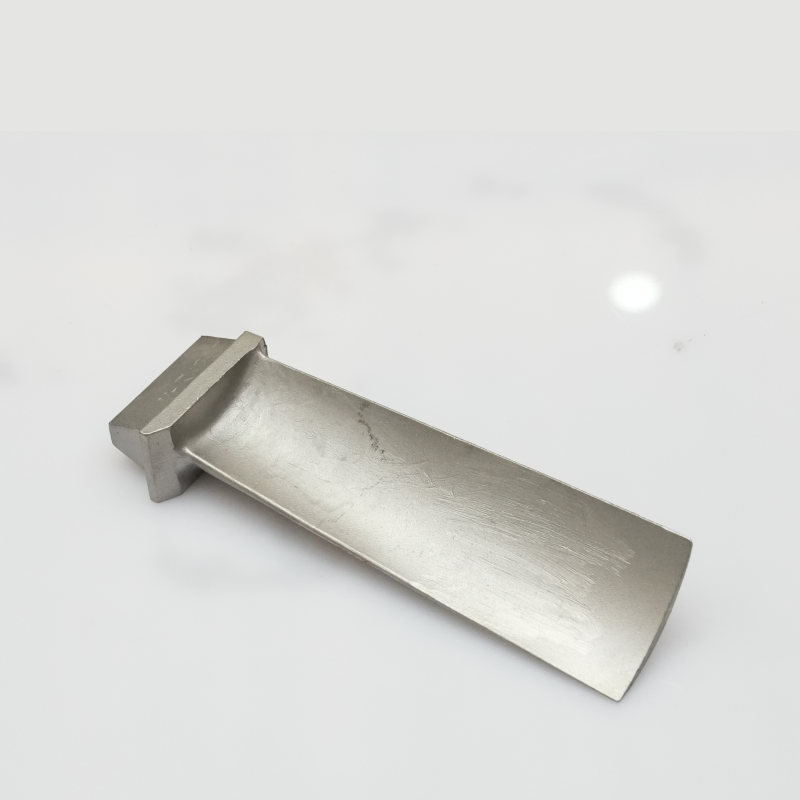
Partnering with a precision casting parts manufacturer delivers exceptional cost efficiency through integrated production processes that eliminate multiple manufacturing steps and reduce overall production expenses. Understanding the complete cost picture reveals why precision casting often provides the most economical solution for complex metal components. The process begins with pattern creation, where modern manufacturers utilize advanced techniques including 3D printing for rapid prototype patterns, significantly reducing development time and tooling costs compared to traditional pattern-making methods. Once patterns are established, the manufacturer creates ceramic shell molds through a systematic dipping and coating process that builds up layers of refractory material. This shell-building technology captures extraordinary detail from the pattern, reproducing features as fine as threads, logos, and surface textures without requiring additional operations. When molten metal fills these precision molds, it conforms to every contour, creating near-net-shape parts that require minimal finishing. This near-net-shape capability represents substantial savings because you pay only for the material that becomes part of your finished component, not for excess stock that gets machined away. For expensive materials like titanium or specialized superalloys, this efficiency dramatically reduces material costs. The precision casting parts manufacturer also consolidates multiple components into single cast parts, eliminating assembly operations, reducing part count, and decreasing inventory complexity. Fewer parts mean fewer opportunities for defects, simpler quality control, and reduced handling throughout your production process. Labor costs decrease because precision cast parts often arrive ready to use or require only minimal finish machining, unlike forgings or bar stock that need extensive machining to achieve final geometry. The dimensional accuracy inherent in precision casting reduces scrap rates, as parts consistently meet specifications without the variation common in other processes. When you consider the total cost of ownership, including material utilization, labor, secondary operations, inspection, and potential rework, precision casting frequently emerges as the most economical manufacturing method. The tooling investment, while higher than some alternatives initially, amortizes quickly over production volumes because molds can produce thousands of parts before requiring replacement. Manufacturers often maintain tooling for repeat orders, eliminating setup costs for subsequent production runs. Additionally, the speed of the casting process enables faster delivery schedules, reducing your inventory carrying costs and improving cash flow by allowing just-in-time manufacturing strategies.