Precision Castings & Machining Services | High-Quality Custom Metal Components Manufacturing

Get a Free Quote

Our representative will contact you soon.
Email
Name
Mobile
Company Name
Message
0/1000

precision castings & machining

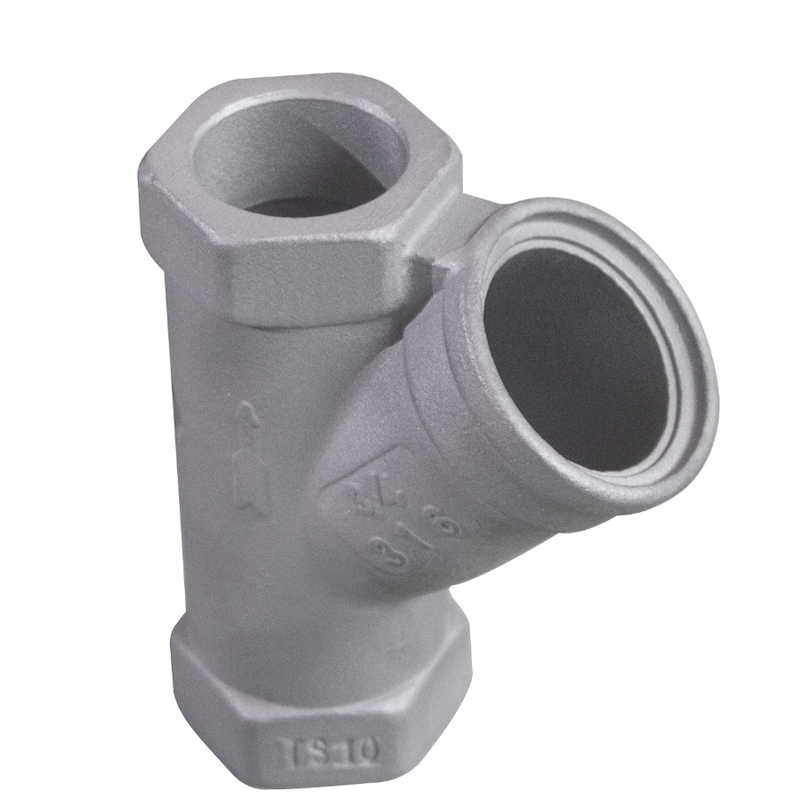
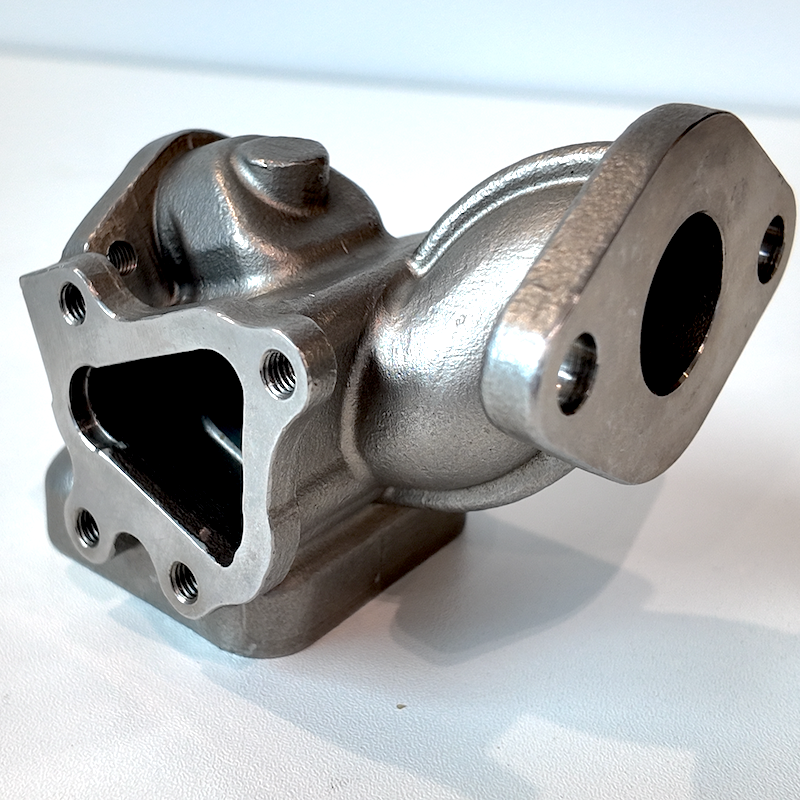
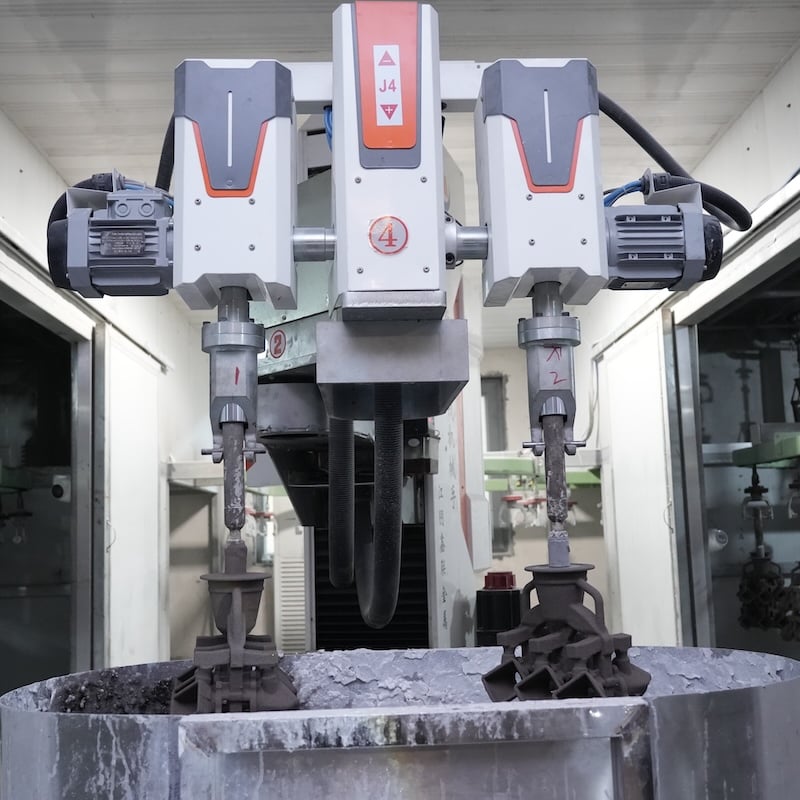
Precision castings & machining represents a sophisticated manufacturing methodology that combines two essential metalworking processes to create high-quality components with exceptional accuracy and surface finish. This integrated approach begins with precision casting, where molten metal is poured into carefully designed molds to form near-net-shape parts, followed by precision machining operations that refine dimensions and surface characteristics to exact specifications. The main functions of precision castings & machining include producing complex geometries that would be difficult or impossible to achieve through machining alone, reducing material waste by creating parts closer to final dimensions, and delivering components with tight tolerances ranging from 0.001 to 0.005 inches. Technological features of this process encompass advanced casting methods such as investment casting, die casting, and sand casting, combined with CNC machining centers, multi-axis turning equipment, and specialized finishing operations. The casting phase allows manufacturers to create intricate internal passages, undercuts, and complex external contours, while subsequent machining ensures critical surfaces meet stringent dimensional requirements and achieve superior surface finishes. Applications for precision castings & machining span numerous industries including aerospace, automotive, medical devices, industrial equipment, energy generation, and defense systems. In aerospace applications, this process produces turbine blades, structural brackets, and engine components that must withstand extreme temperatures and stresses. The automotive sector relies on precision castings & machining for engine blocks, transmission housings, suspension components, and brake systems. Medical device manufacturers utilize this technology to create surgical instruments, implantable devices, and diagnostic equipment that require biocompatibility and exacting specifications. The combination of casting and machining provides manufacturers with flexibility in material selection, including aluminum alloys, stainless steels, titanium, bronze, and specialized superalloys, enabling optimal performance characteristics for each specific application.

Popular Products

Choosing precision castings & machining offers substantial practical benefits that directly impact your production efficiency and bottom line. This manufacturing approach dramatically reduces material costs because the casting process creates parts very close to final dimensions, meaning you remove far less material during machining compared to starting with solid stock. You will see immediate savings on raw material expenses, often reducing material consumption by forty to seventy percent compared to conventional machining from bar stock. Production time decreases significantly since casting forms complex shapes in a single operation that would require dozens of machining setups if created entirely through subtractive manufacturing. Your lead times become shorter and more predictable, allowing faster response to market demands and reduced inventory carrying costs. The ability to produce complex internal features through casting eliminates numerous secondary operations, reducing labor costs and minimizing opportunities for errors during multiple setups. Precision castings & machining delivers superior strength characteristics because the casting process can align grain structures favorably and eliminate weak joints that would exist in welded assemblies. Your finished components exhibit enhanced durability and reliability, reducing warranty claims and improving customer satisfaction. Design flexibility expands dramatically as you gain freedom to create organic shapes, variable wall thicknesses, and integrated features that consolidate multiple parts into single components, simplifying assembly processes and reducing total system costs. You achieve excellent repeatability once the casting process is established, ensuring consistent quality across production runs of hundreds or thousands of parts. Surface finish quality meets demanding requirements through precision machining operations, eliminating the need for extensive secondary finishing work. Weight reduction becomes achievable through optimized designs that place material only where structural requirements demand it, particularly valuable in transportation applications where every gram affects fuel efficiency. Tool life improves during machining operations because you remove less material, generating less heat and reducing wear on cutting tools, thereby lowering tooling costs over production volumes. Quality control becomes more straightforward as dimensional verification confirms both cast features and machined surfaces meet specifications. Your manufacturing flexibility increases because you can adjust machining parameters to accommodate design changes without creating entirely new casting tooling for minor modifications. The scalability of precision castings & machining suits both prototype quantities and high-volume production runs, providing a consistent manufacturing approach throughout product development and commercialization phases. Environmental benefits emerge through reduced material waste, lower energy consumption compared to extensive machining operations, and potential for recycling scrap material from both casting and machining processes.

Practical Tips

How Does a Precision Investment Casting Manufacturer Ensure Consistent Quality Across Global Supply Chains?

05

Jun

How Does a Precision Investment Casting Manufacturer Ensure Consistent Quality Across Global Supply Chains?

In today's interconnected industrial landscape, sourcing complex metal components across international borders presents a formidable quality challenge. the manufacturer must navigate an intricate web of raw material sourcing, multi-stage production c...
View More
Which Quality Standards Should a Custom Lost Wax Casting Foundry Meet for Export Markets?

05

Jun

Which Quality Standards Should a Custom Lost Wax Casting Foundry Meet for Export Markets?

Selecting a manufacturing partner for precision components intended for international buyers is never a straightforward decision. When the supply chain depends on a custom lost wax casting foundry, procurement engineers and quality managers must go b...
View More
How Should Buyers Choose a Reliable Medium Temperature Wax Casting Service Provider?

26

Jun

How Should Buyers Choose a Reliable Medium Temperature Wax Casting Service Provider?

Selecting the right manufacturing partner for medium temperature wax casting is one of the most consequential decisions a procurement professional or product engineer can make. The process, which involves injecting wax into precision dies at carefull...
View More
Why Are Stainless Steel Investment Castings Preferred for Corrosion Resistant Applications?

26

Jun

Why Are Stainless Steel Investment Castings Preferred for Corrosion Resistant Applications?

In demanding industrial environments where moisture, chemicals, and extreme temperatures are constant threats, material selection is one of the most critical engineering decisions a manufacturer can make. Among the available manufacturing methods, st...
View More

Get a Free Quote

Our representative will contact you soon.
Email
Name
Mobile
Company Name
Message
0/1000

precision castings & machining

Cost Efficiency Through Optimized Material Utilization

Cost Efficiency Through Optimized Material Utilization

Precision castings & machining delivers exceptional cost efficiency by fundamentally changing how manufacturers approach material utilization in component production. Traditional machining from solid bar stock requires removing substantial amounts of material to create final part geometry, with removal rates sometimes exceeding eighty percent of the original material volume. This subtracted material becomes expensive scrap that offers only minimal recovery value through recycling channels. The precision castings & machining methodology transforms this equation by first creating a near-net-shape component through the casting process, positioning material precisely where the final design requires it. This approach minimizes subsequent machining operations to only those surfaces requiring tight tolerances or superior finishes, typically critical mounting surfaces, bearing journals, sealing faces, and threaded holes. The financial implications extend beyond raw material savings to encompass reduced machining time, lower energy consumption, decreased tool wear, and minimized coolant usage. Manufacturing facilities experience shorter cycle times per component, enabling higher throughput from existing equipment and maximizing return on capital investments in machinery. The economic advantages become particularly pronounced when working with expensive materials such as titanium alloys, stainless steels, or specialized superalloys where material costs represent a significant portion of total component expense. Companies producing components through precision castings & machining report material cost reductions ranging from thirty to sixty percent compared to conventional machining approaches, directly improving profit margins or enabling more competitive pricing strategies. Additionally, the casting process allows creation of hollow sections and internal passages that would require costly gun drilling or electrical discharge machining if created through purely subtractive methods. These internal features provide weight reduction benefits, enable fluid passages for cooling or lubrication, and create structural efficiencies that deliver performance advantages beyond mere cost savings. The combination of casting and machining also reduces the number of separate components required in assemblies, eliminating fasteners, reducing assembly labor, and improving structural integrity by removing potential failure points at joints. Project managers appreciate the predictability of costs associated with precision castings & machining, as established casting processes deliver consistent material usage and machining requirements enable accurate quotations for production volumes. This cost transparency facilitates better financial planning and more accurate product pricing throughout the commercialization process.
Superior Design Freedom for Complex Component Geometries

Superior Design Freedom for Complex Component Geometries

Precision castings & machining unlocks remarkable design freedom that empowers engineers to create component geometries previously considered impractical or impossible through conventional manufacturing methods. The casting portion of this integrated process excels at forming complex three-dimensional shapes including undercuts, internal cavities, varying wall thicknesses, and organic contours that follow stress patterns rather than simple geometric constraints. Design engineers gain the ability to consolidate multiple machined parts into single cast components, eliminating assembly steps and removing potential failure points at fastened or welded joints. This consolidation opportunity proves particularly valuable in applications subjected to vibration, thermal cycling, or corrosive environments where joints represent vulnerability. The freedom to vary wall thickness throughout a component enables structural optimization that places material strategically for strength while minimizing weight in non-critical areas, a consideration crucial in aerospace, automotive, and portable equipment applications. Complex cooling passages can be integrated directly into cast components, enhancing thermal management in applications ranging from engine components to electronic housings without requiring secondary drilling operations that would be geometrically limited. Precision castings & machining accommodates the creation of components with multiple axes and compound angles that would require numerous setups and special fixtures if produced entirely through machining, reducing complexity and opportunities for cumulative tolerance stack-up. The ability to cast logos, part numbers, and identification features directly into components eliminates secondary marking operations while ensuring permanent traceability throughout product lifecycles. Engineers designing with precision castings & machining can specify different material properties in various sections of components through controlled cooling rates during casting, creating harder surfaces where wear resistance matters while maintaining toughness in structural sections. This process flexibility extends to surface texture variation, allowing as-cast finishes in non-critical areas while machining achieves mirror-like finishes where sealing or aesthetic requirements demand perfection. The integration of mounting bosses, alignment features, and locating surfaces directly into cast geometries simplifies assembly processes and ensures consistent positioning in final assemblies. Designers appreciate that precision castings & machining supports rapid prototyping through techniques like 3D-printed patterns for investment casting, enabling physical validation of concepts before committing to production tooling. The geometric flexibility inherent in this manufacturing approach encourages innovation, allowing engineering teams to optimize designs for performance rather than compromising functionality to accommodate manufacturing limitations.
Exceptional Quality and Consistency Across Production Volumes

Exceptional Quality and Consistency Across Production Volumes

Precision castings & machining delivers exceptional quality standards and remarkable consistency that meets the demanding requirements of industries where component failure carries significant consequences. The controlled nature of modern precision casting processes utilizing computer-monitored temperature control, automated pouring systems, and statistical process control ensures each casting exhibits minimal variation in material properties, dimensional characteristics, and internal soundness. Subsequent precision machining operations performed on CNC equipment with digital controls and in-process measurement systems guarantee that critical dimensions consistently fall within specified tolerance bands, typically achieving capabilities of plus or minus 0.0005 inches on precision features. This combination of process control and measurement verification produces components with predictable performance characteristics, essential for applications in aerospace where safety regulations demand rigorous documentation and traceability. Quality assurance protocols integrated throughout precision castings & machining include non-destructive testing methods such as radiographic inspection, ultrasonic examination, and fluorescent penetrant inspection that verify internal soundness without damaging components. Material certifications accompany each production lot, documenting chemical composition, mechanical properties, and heat treatment parameters to ensure compliance with industry specifications and customer requirements. The repeatability inherent in established casting processes means that once initial development work validates mold design and process parameters, subsequent production runs replicate results with minimal variation, reducing scrap rates and eliminating costly rework. Dimensional consistency across production volumes simplifies assembly operations as components fit together predictably without requiring selective assembly or manual adjustment, reducing assembly time and improving final product quality. Surface finish quality achieved through precision machining operations meets stringent requirements for sealing surfaces, bearing journals, and aesthetic applications, with roughness values controllable to micro-inch levels. The stability of precision castings & machining processes enables manufacturers to maintain tight statistical process control, identifying trends before they result in non-conforming parts and implementing corrective actions proactively. Customers benefit from reduced incoming inspection requirements as supplier process capability indices demonstrate consistent performance over extended production periods. Long-term dimensional stability of components produced through precision castings & machining exceeds that of fabricated assemblies because single-piece construction eliminates relaxation of residual stresses that can occur in welded structures, maintaining critical dimensions throughout product service life. Precision castings & machining supports implementation of advanced quality management systems including AS9100 for aerospace, ISO 13485 for medical devices, and IATF 16949 for automotive applications, providing customers with confidence that manufacturing processes meet industry-specific quality standards.

Get a Free Quote

Our representative will contact you soon.
Email
Name
Mobile
Company Name
Message
0/1000