Precision Castings & Machining Services - Custom Metal Components Manufacturing

Get a Free Quote

Our representative will contact you soon.
Email
Name
Company Name
Message
0/1000

precision castings & machining

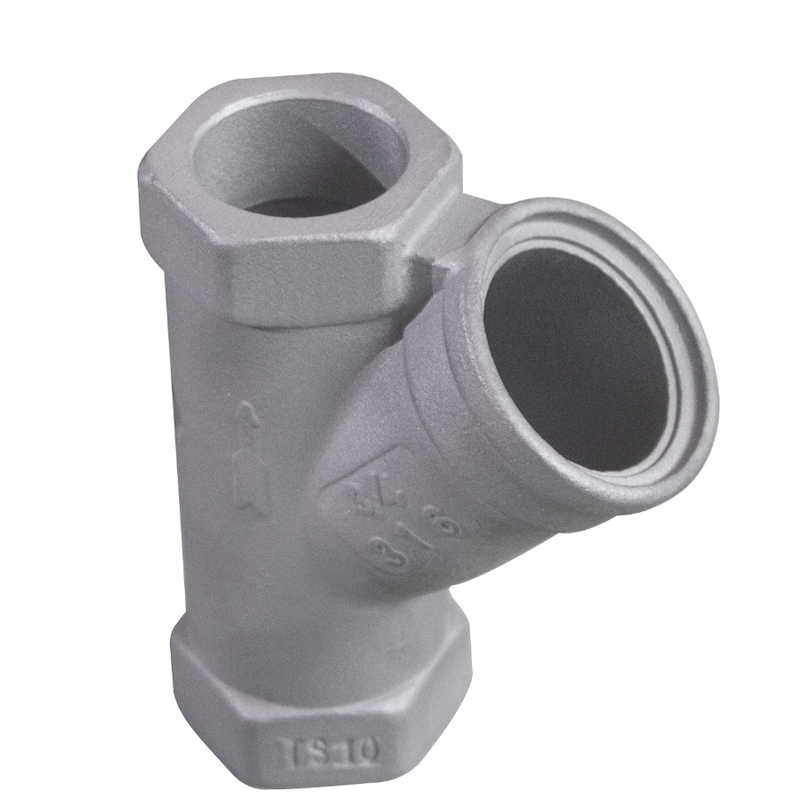
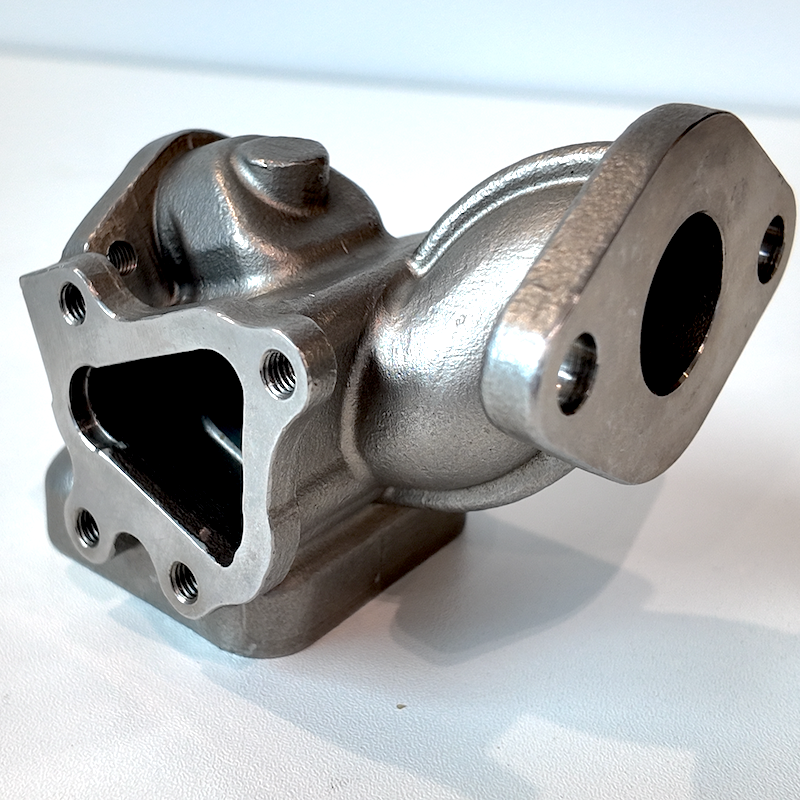
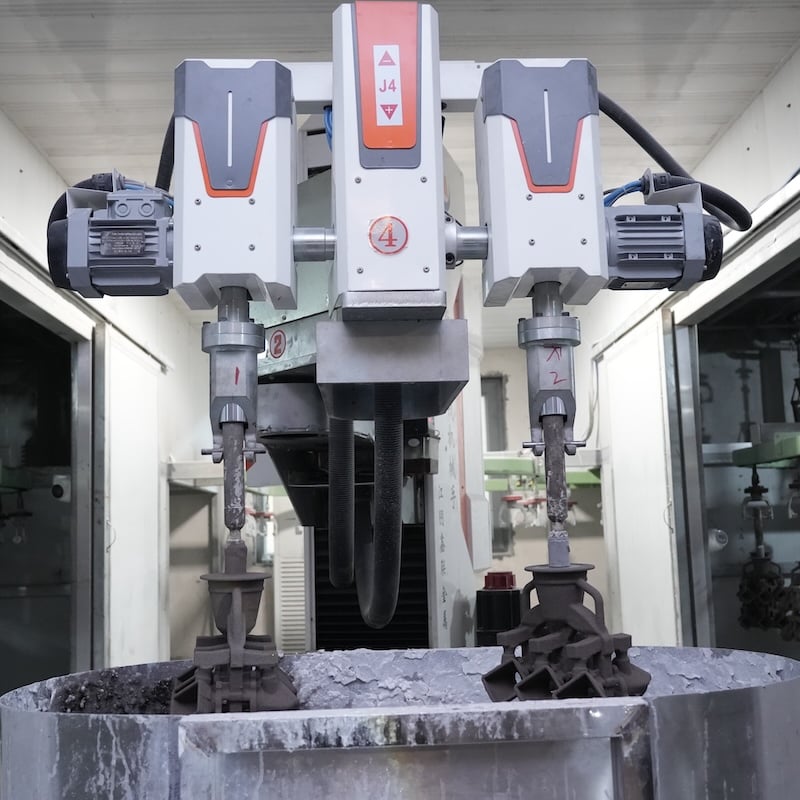
Precision castings & machining represents a comprehensive manufacturing approach that combines two critical metalworking processes to deliver exceptional components for diverse industrial applications. This integrated methodology begins with precision casting, where molten metal is poured into carefully designed molds to create near-net-shape parts with intricate geometries. Following the casting process, advanced machining operations refine these components to achieve exact dimensional tolerances and superior surface finishes. The main functions of precision castings & machining include producing complex metal parts that would be difficult or impossible to create through machining alone, reducing material waste compared to subtractive manufacturing from solid stock, and delivering cost-effective solutions for both prototype development and high-volume production runs. Technological features distinguishing this process include investment casting capabilities that capture fine details down to micrometers, sand casting for larger components, die casting for high-volume production, and CNC machining operations including milling, turning, drilling, and grinding. Modern facilities employ computer-aided design and manufacturing systems to optimize both casting patterns and machining toolpaths, ensuring consistent quality across production batches. The applications for precision castings & machining span numerous industries including aerospace, where lightweight yet strong components are essential for aircraft and spacecraft systems, automotive manufacturing requiring durable engine blocks, transmission housings, and suspension components, medical device production demanding biocompatible materials and sterile surfaces, energy sector equipment including turbine blades and pump housings, and industrial machinery components subjected to extreme operating conditions. This versatile manufacturing solution accommodates various materials including aluminum alloys, stainless steel, carbon steel, bronze, brass, titanium, and specialized superalloys, each selected based on specific performance requirements such as strength-to-weight ratios, corrosion resistance, thermal conductivity, or magnetic properties.

New Product Recommendations

Choosing precision castings & machining offers numerous practical benefits that directly impact your bottom line and product performance. First, this combined approach significantly reduces material costs because casting produces components close to their final shape, minimizing the amount of metal that must be removed during subsequent machining operations. This efficiency translates to lower raw material expenses and reduced waste disposal costs. Second, the process enables you to create complex internal cavities, undercuts, and intricate external features that would require multiple setups or assembly operations if fabricated through other methods. This design freedom allows engineers to optimize component functionality while reducing part counts and assembly time. Third, precision castings & machining delivers superior strength characteristics because the casting process creates uniform grain structures throughout the component, eliminating weak points that might occur in welded or assembled alternatives. Fourth, production scalability makes this approach economically viable whether you need ten prototype units or ten thousand production pieces, as tooling costs can be amortized across varying volumes. Fifth, the process achieves tight dimensional tolerances, with casting operations typically holding tolerances within 0.5mm and subsequent machining refining critical features to tolerances of 0.01mm or tighter, ensuring perfect fit and function in assemblies. Sixth, surface finish quality meets demanding specifications, with machined surfaces achieving roughness values suitable for sealing applications, bearing surfaces, or aesthetic requirements. Seventh, lead times remain competitive because modern foundries and machine shops coordinate workflows efficiently, often completing projects faster than alternative manufacturing routes. Eighth, material traceability and quality documentation provide complete supply chain transparency, essential for industries with strict regulatory requirements. Ninth, the combination allows post-casting heat treatments to optimize mechanical properties before final machining, ensuring components meet strength, hardness, and durability specifications. Tenth, environmental considerations favor this approach as recycled metal content can exceed 90 percent in many casting alloys, supporting sustainability goals while maintaining performance standards. Finally, technical support from experienced manufacturers helps you optimize designs for manufacturability, potentially identifying cost savings or performance improvements before production begins. These tangible advantages make precision castings & machining a strategic choice for businesses seeking reliable, cost-effective component manufacturing solutions.

Practical Tips

Basic Principles Of Design Of Precision Casting Gating System

11

May

Basic Principles Of Design Of Precision Casting Gating System

View More
Stainless Steel Castings for Architectural Posts

11

May

Stainless Steel Castings for Architectural Posts

View More
Stainless Steel Castings for Building Facade Systems

11

May

Stainless Steel Castings for Building Facade Systems

View More
Precision Stainless Steel Exhaust Manifold Casting Solution For Luxury Sedan - With Japanese First-Tier Car Brand

11

May

Precision Stainless Steel Exhaust Manifold Casting Solution For Luxury Sedan - With Japanese First-Tier Car Brand

View More

Get a Free Quote

Our representative will contact you soon.
Email
Name
Company Name
Message
0/1000

precision castings & machining

Exceptional Design Flexibility and Complex Geometry Capabilities

Exceptional Design Flexibility and Complex Geometry Capabilities

Precision castings & machining unlocks unprecedented design possibilities that empower engineers to create components optimized for performance rather than constrained by manufacturing limitations. This manufacturing approach excels at producing parts with intricate internal passages, complex external contours, varying wall thicknesses, and integrated features that would require extensive secondary operations or assembly if produced through alternative methods. The casting phase establishes the fundamental geometry, allowing designers to incorporate features such as cooling channels within engine components, lightweight ribbing structures that maintain strength while reducing mass, and organic shapes that follow stress distribution patterns for optimal load-bearing capacity. Investment casting technology captures extraordinary detail, replicating features as fine as threads, logos, part numbers, and decorative elements directly in the cast component. This capability eliminates secondary marking operations and ensures permanent identification that cannot wear away during service life. The subsequent machining operations add precision to critical interfaces, bearing surfaces, mounting faces, and threaded connections where exact dimensions ensure proper fit and function within assemblies. This combination proves especially valuable in aerospace applications where components must meet stringent weight targets while withstanding extreme operating conditions, as engineers can design thin-walled structures with strategic reinforcement exactly where needed. Medical device manufacturers benefit similarly, creating surgical instruments and implantable components with complex anatomical contours that match patient-specific requirements. The design flexibility extends to material optimization, as different alloys can be cast into identical geometries, allowing performance testing to identify the ideal material for specific applications. Prototyping becomes more meaningful because cast prototypes exhibit the same structural characteristics as production units, unlike machined prototypes from bar stock that may have different grain orientations affecting strength properties. Design iterations proceed efficiently since modifications to casting patterns typically cost less than reprogramming extensive machining operations, accelerating development cycles and reducing time-to-market for new products. The ability to consolidate multiple machined parts into single cast components delivers significant value through reduced assembly labor, eliminated fasteners, fewer quality inspection points, and improved reliability by removing potential failure points at joints. This consolidation also simplifies supply chain management and reduces inventory carrying costs.
Superior Cost Efficiency Across Production Volumes

Superior Cost Efficiency Across Production Volumes

Precision castings & machining delivers outstanding cost performance that benefits businesses regardless of production scale, from limited prototype runs through high-volume manufacturing programs. The economic advantages begin with material utilization, as casting processes typically achieve 60 to 90 percent material yield compared to 20 to 40 percent when machining complex parts from solid bar stock or plate. This dramatic difference in material efficiency directly reduces raw material purchasing costs, which represent a substantial portion of component expenses, especially for expensive alloys like titanium or nickel-based superalloys. Energy consumption also favors this combined approach since removing excess material through machining operations requires significantly more electricity than casting near-net-shape components, contributing to lower operating costs and reduced environmental impact. Tooling investments prove economical because casting patterns and molds serve hundreds or thousands of production cycles before requiring replacement, effectively distributing initial tooling costs across the entire production run. For low to medium volumes, sand casting and investment casting methods offer particularly attractive economics with minimal upfront investment, while high-volume programs benefit from permanent mold or die casting approaches that maximize per-unit cost efficiency. Labor costs remain competitive because automated casting processes require minimal direct labor per component, and modern CNC machining centers operate with limited supervision while maintaining consistent quality. The reduction in secondary operations provides additional savings, as features incorporated directly in castings eliminate drilling, welding, or assembly steps that would otherwise require dedicated equipment, floor space, and skilled operators. Quality costs decrease because the structural integrity inherent in properly designed castings reduces defect rates compared to assembled alternatives where human error in joining operations can compromise component integrity. Inventory management becomes simpler and less expensive when complex assemblies transform into single cast and machined components, reducing storage requirements, simplifying logistics, and minimizing work-in-process inventory that ties up working capital. Transportation costs benefit from weight optimization enabled by casting design freedom, as lighter components reduce shipping expenses across supply chains. Project budgeting gains predictability because experienced precision castings & machining suppliers provide accurate quotations based on detailed specifications, helping procurement teams plan expenditures confidently without unexpected cost overruns during production.
Consistent Quality and Reliable Performance Standards

Consistent Quality and Reliable Performance Standards

Precision castings & machining establishes exceptional quality benchmarks through controlled processes that deliver repeatable results meeting the most demanding performance specifications across industries. Quality assurance begins at the design stage where simulation software predicts metal flow patterns, solidification sequences, and potential defect locations, allowing engineers to optimize gating systems and casting parameters before producing the first component. This proactive approach prevents common casting defects such as porosity, shrinkage cavities, or inclusions that could compromise structural integrity or pressure-containing capabilities. Modern foundries implement rigorous process controls monitoring crucial parameters including pouring temperatures, cooling rates, mold conditions, and alloy chemistry to ensure every casting meets established standards. Statistical process control methods track dimensional variations across production batches, identifying trends before they result in out-of-specification parts and enabling continuous improvement initiatives. Non-destructive testing techniques including radiographic inspection, ultrasonic examination, magnetic particle testing, and dye penetrant inspection verify internal soundness and surface integrity without damaging components, providing objective quality evidence that satisfies customer requirements and regulatory mandates. Mechanical property verification through standardized testing confirms that castings achieve specified strength, hardness, ductility, and impact resistance values, with material certificates documenting test results and chemical composition for full traceability. The subsequent machining phase adds dimensional precision to critical features, with coordinate measuring machines verifying that finished components conform to engineering drawings within specified tolerances. Surface finish measurements ensure that machined faces meet roughness requirements essential for sealing applications, sliding contacts, or aesthetic appearance. Heat treatment processes between casting and machining operations optimize microstructure and mechanical properties, with time and temperature profiles carefully controlled and documented to ensure consistent results. First article inspection protocols validate new production setups before full-scale manufacturing begins, catching potential issues when corrective actions remain simple and inexpensive rather than after producing large quantities of nonconforming parts. In-process inspections at strategic production stages prevent defective work from advancing through subsequent operations, reducing scrap costs and maintaining delivery schedules. Final inspection procedures verify all dimensional, visual, and functional requirements before components ship to customers, providing confidence that received parts will perform as intended in their application environments. Long-term performance reliability stems from the metallurgical integrity inherent in properly executed precision castings & machining, as uniform grain structures and controlled compositions resist fatigue, corrosion, and wear throughout extended service lives.

Get a Free Quote

Our representative will contact you soon.
Email
Name
Company Name
Message
0/1000