Výjimečná kvalita a konzistence napříč všemi objemy výroby
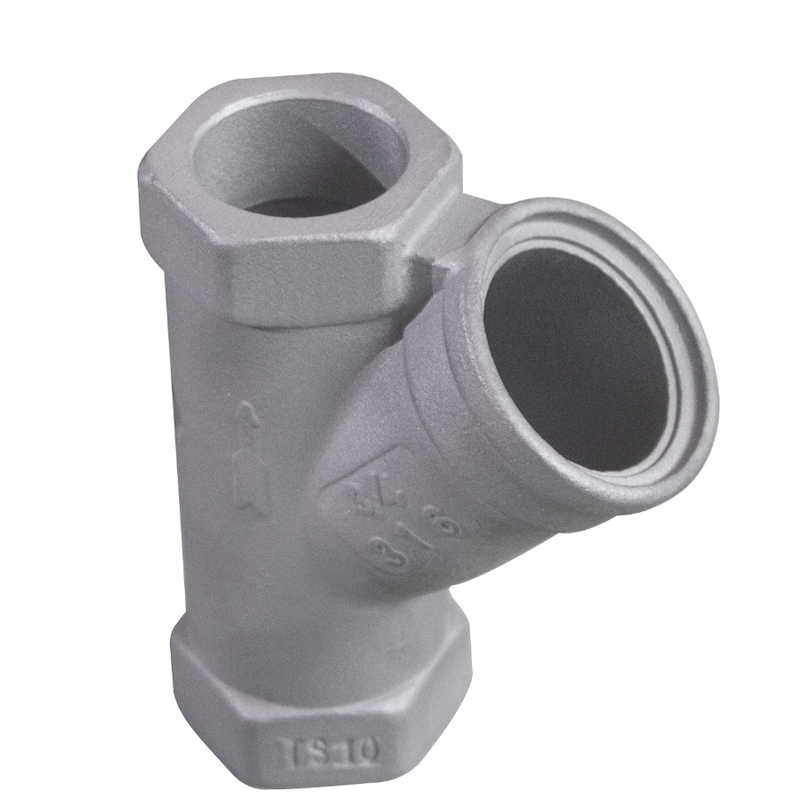
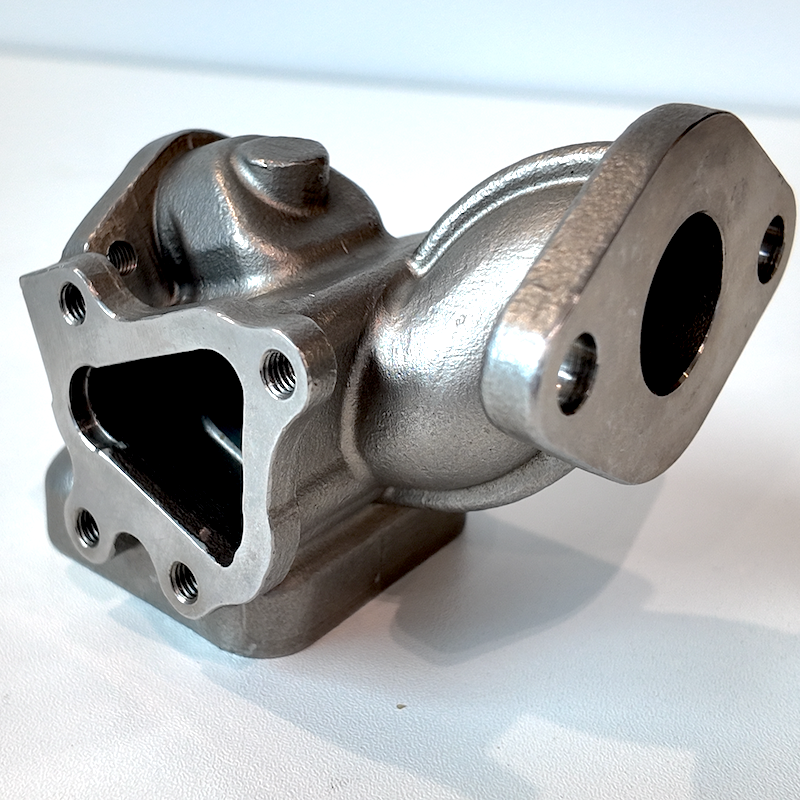
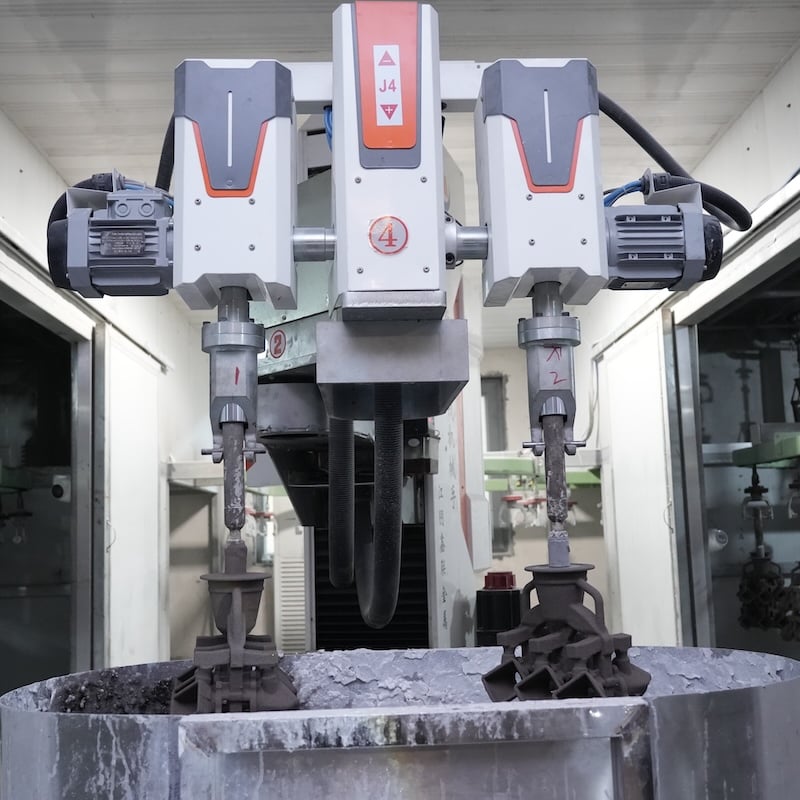
Přesné lití a obrábění zajišťují výjimečné standardy kvality a pozoruhodnou konzistenci, které splňují náročné požadavky průmyslových odvětví, kde selhání součástí má závažné důsledky. Kontrolovaný charakter moderních procesů přesného lití – využívajících počítačem monitorovanou regulaci teploty, automatické systémy nalévání a statistickou regulaci procesu – zajišťuje, že každé odlití vykazuje minimální odchylky ve vlastnostech materiálu, rozměrových charakteristikách a vnitřní neporušenosti. Následné operace přesného obrábění prováděné na CNC strojích s digitálními řídicími systémy a systémy měření během výroby zaručují, že kritické rozměry konzistentně leží uvnitř stanovených tolerančních pásem, obvykle s dosaženou přesností ±0,0005 palce u přesných prvků. Tato kombinace regulace procesu a ověřování měřením vytváří součásti s předvídatelnými provozními vlastnostmi, což je nezbytné pro aplikace v leteckém a kosmickém průmyslu, kde bezpečnostní předpisy vyžadují důkladnou dokumentaci a stopovatelnost. Protokoly zajištění kvality integrované do celého procesu přesného lití a obrábění zahrnují netruzní zkoušky, jako je rentgenová kontrola, ultrazvuková zkouška a fluorescenční kapilární zkouška, které ověřují vnitřní neporušenost bez poškození součástí. Každá výrobní šarže je doprovázena certifikáty materiálu, které dokumentují chemické složení, mechanické vlastnosti a parametry tepelného zpracování, aby byla zajištěna shoda se specifikacemi průmyslu a požadavky zákazníků. Opakovatelnost vycházející z osvědčených litíkových procesů znamená, že jakmile počáteční vývojová práce ověří návrh formy a parametry procesu, následné výrobní šarže reprodukují výsledky s minimálními odchylkami, čímž se snižují podíly zmetků a eliminuje se nákladné přepracování. Rozměrová konzistence napříč výrobními objemy zjednodušuje montážní operace, protože součásti spolu předvídatelně zapadají bez nutnosti selektivní montáže nebo ruční úpravy, čímž se snižuje doba montáže a zvyšuje se kvalita konečného výrobku. Kvalita povrchové úpravy dosažená přesným obráběním splňuje přísné požadavky na těsnicí plochy, ložiskové čepy a estetické aplikace, přičemž hodnoty drsnosti lze řídit na úrovni mikropalců. Stabilita procesů přesného lití a obrábění umožňuje výrobcům udržovat přísnou statistickou regulaci procesu, identifikovat trendy ještě před tím, než vedou k nekvalitním dílům, a preventivně zavádět nápravná opatření. Zákazníci těží ze snížených požadavků na příjemní kontrolu, protože ukazatele schopnosti dodavatelského procesu demonstrují konzistentní výkon po dlouhou dobu výroby. Dlouhodobá rozměrová stabilita součástí vyrobených přesným litím a obráběním převyšuje stabilitu svařovaných konstrukcí, protože jednodílná konstrukce eliminuje uvolňování reziduálních napětí, ke kterému může docházet u svařovaných konstrukcí, a tak udržuje kritické rozměry po celou dobu životnosti výrobku. Přesné lití a obrábění podporuje implementaci pokročilých systémů řízení kvality, včetně AS9100 pro letecký a kosmický průmysl, ISO 13485 pro zdravotnické prostředky a IATF 16949 pro automobilové aplikace, čímž poskytuje zákazníkům jistotu, že výrobní procesy splňují průmyslově specifické standardy kvality.

 EN
EN