Complejidad geométrica y innovación en diseño inigualables
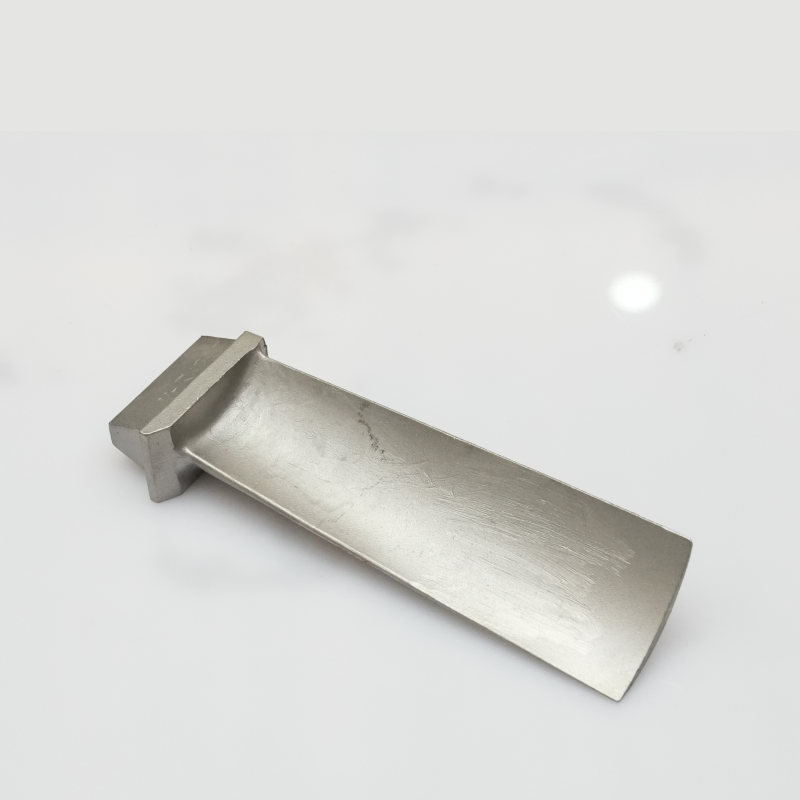
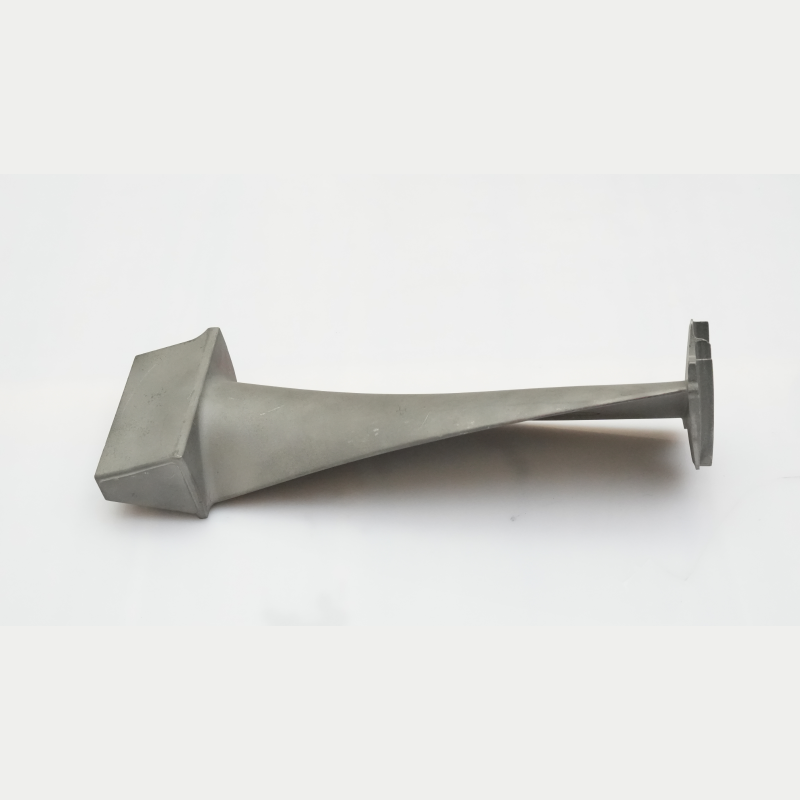
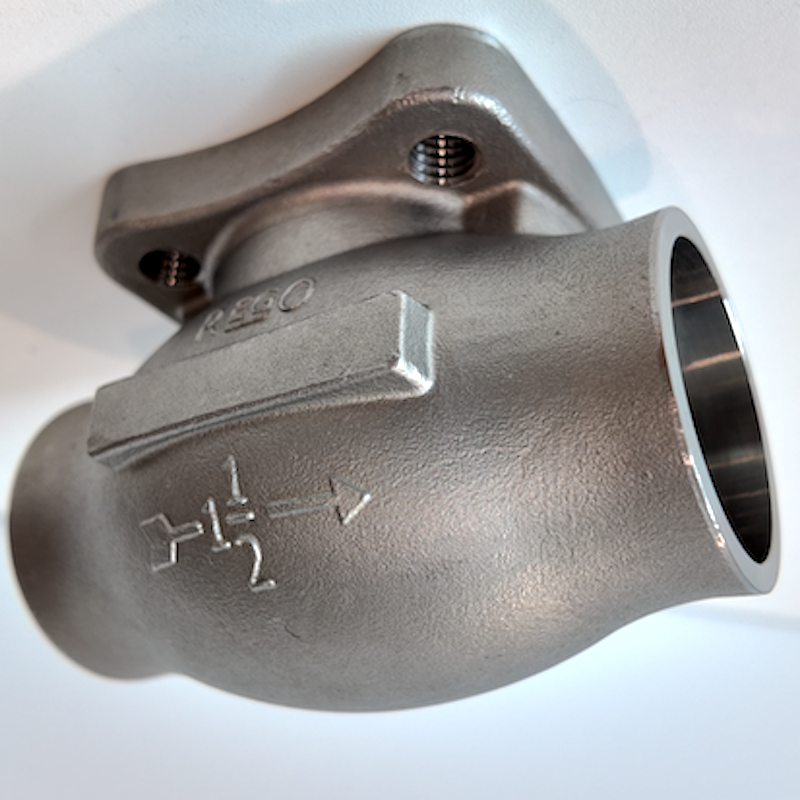
La fábrica de fundición precisa por moldeo en cera se distingue de las instalaciones manufactureras convencionales gracias a su extraordinaria capacidad para producir componentes con una complejidad geométrica que desafía los límites de otros métodos de fabricación. Esta capacidad transforma la forma en que los ingenieros abordan el diseño de productos, al eliminar las restricciones tradicionales impuestas por las limitaciones del mecanizado o los requisitos de ensamblaje. En un entorno de fábrica de fundición precisa por moldeo en cera, los diseñadores pueden especificar canales de refrigeración internos que serpentean a través de las palas de turbinas, crear estructuras reticulares que reducen el peso manteniendo la resistencia, incorporar logotipos y marcas de identificación directamente en las superficies de los componentes, y combinar características que, de otro modo, requerirían múltiples piezas en estructuras unificadas. El proceso de creación del patrón de cera en una fábrica de fundición precisa por moldeo en cera permite una resolución de detalles hasta de fracciones de milímetro, capturando finos detalles como roscas, dientes y superficies texturizadas sin necesidad de operaciones adicionales. Esta libertad de diseño se extiende también a las variaciones de espesor de pared dentro de un único componente, permitiendo a los ingenieros añadir material únicamente donde el análisis estructural indique su necesidad, mientras se minimiza el peso en el resto. Los rebajes y ángulos de desmoldeo inversos —que impedirían la extracción de la pieza de moldes convencionales— no suponen obstáculo alguno en el proceso de fundición precisa por moldeo en cera, ya que la cáscara cerámica se rompe tras la solidificación del metal. Geometrías internas complejas, incluidos pasajes intersecantes y secciones huecas, se vuelven factibles, abriendo posibilidades para la canalización de fluidos, la reducción de peso y una funcionalidad mejorada que simplemente no puede replicarse mediante técnicas de mecanizado ni fabricación. La metodología de fundición precisa por moldeo en cera favorece la iteración rápida del diseño, pues los cambios en las herramientas para los patrones de cera resultan significativamente menos costosos que modificar programas de corte metálico o fabricar nuevos dispositivos de ensamblaje. Los ingenieros que colaboran con un socio especializado en fundición precisa por moldeo en cera obtienen la capacidad de consolidar ensamblajes, reduciendo en ocasiones diez o más componentes mecanizados y fijados mediante tornillería a una única pieza fundida, lo que elimina los problemas derivados de la acumulación de tolerancias, reduce la complejidad del inventario y mejora la fiabilidad general del sistema. Esta ventaja de consolidación se extiende a lo largo de todo el ciclo de vida del producto, ya que un menor número de piezas implica menores requerimientos de mantenimiento, menores costos de inventario de repuestos y procedimientos de reparación simplificados. Asimismo, el proceso de fundición precisa por moldeo en cera admite la fundición multimaterial en aplicaciones especializadas, uniéndose metales distintos dentro de un único componente para optimizar sus propiedades en zonas específicas. Las texturas superficiales pueden diseñarse intencionalmente en la cáscara cerámica, lo que permite a una fábrica de fundición precisa por moldeo en cera producir componentes con rugosidad controlada para mejorar la adherencia, reducir la fricción o potenciar el atractivo estético, sin necesidad de procesamiento secundario. Esta versatilidad geométrica otorga, en última instancia, mayor capacidad innovadora, permitiendo a las empresas diferenciar sus productos mediante características de rendimiento y rasgos de diseño que sus competidores, que utilizan métodos de fabricación convencionales, no pueden replicar económicamente.

 EN
EN