Aerospace Casting Components: High-Performance Solutions for Aviation and Space Applications

Get a Free Quote

Our representative will contact you soon.
Email
Name
Company Name
Message
0/1000

aerospace casting components

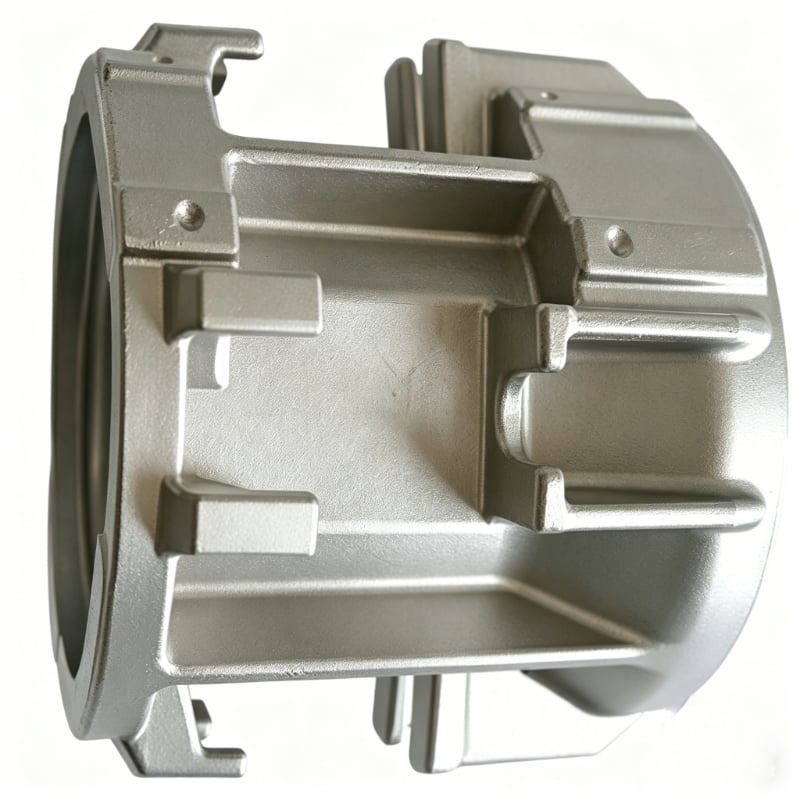
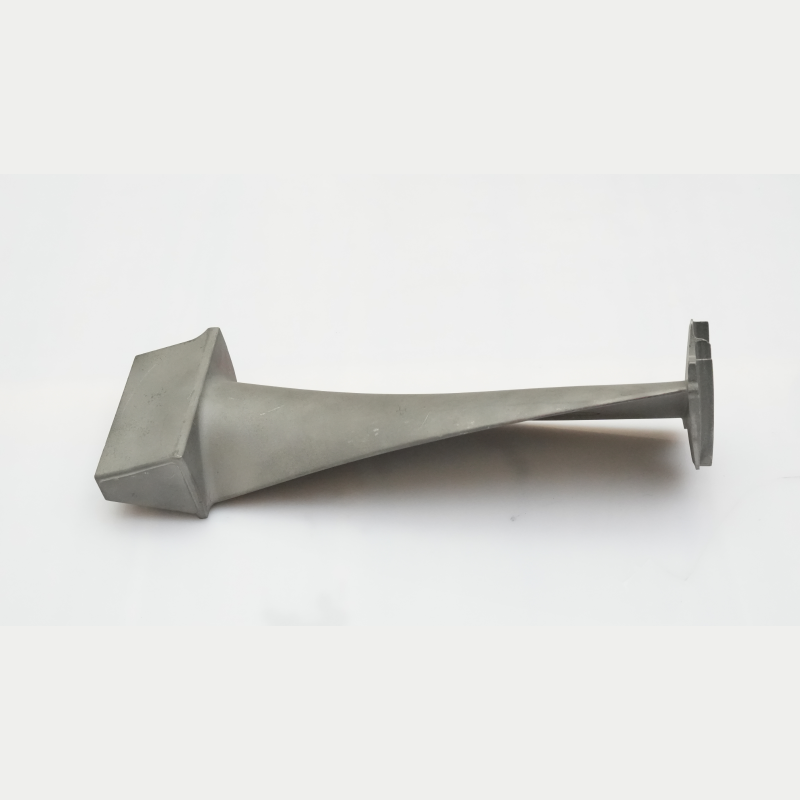
Aerospace casting components represent critical manufacturing solutions that form the backbone of modern aviation and space exploration technologies. These specialized parts are produced through precise metal casting processes, transforming molten alloys into complex shapes that meet the stringent requirements of flight operations. The main functions of aerospace casting components encompass structural support, engine performance optimization, and system integration across various aircraft and spacecraft platforms. These components must withstand extreme temperatures, intense mechanical stresses, and corrosive environments while maintaining dimensional accuracy and reliability throughout their operational lifespan. Technological features distinguish aerospace casting components from conventional industrial castings through advanced metallurgical processes, including investment casting, sand casting, and die casting techniques specifically adapted for aerospace applications. The manufacturing process incorporates computer-aided design systems, precision molding technologies, and rigorous quality control protocols that ensure each component meets exacting specifications. Material selection plays a vital role, with aerospace casting components typically utilizing high-performance alloys such as titanium, aluminum, nickel-based superalloys, and specialized steel compositions engineered to deliver superior strength-to-weight ratios. Applications for aerospace casting components span across multiple aircraft systems, including turbine engine housings, structural brackets, landing gear components, fuel system parts, hydraulic manifolds, and avionics enclosures. Commercial aviation relies heavily on these components for passenger aircraft, while military applications demand even higher performance standards for fighter jets, transport planes, and helicopters. Space exploration programs utilize aerospace casting components in rocket engines, satellite structures, and spacecraft systems where failure is not an option. The versatility of casting technology allows manufacturers to produce both small precision parts weighing mere grams and large structural elements exceeding several hundred kilograms. Modern aerospace casting components integrate seamlessly with composite materials and advanced manufacturing techniques, creating hybrid solutions that push the boundaries of aerospace engineering capabilities and enable next-generation aircraft designs.

Popular Products

Choosing aerospace casting components delivers substantial benefits that directly impact operational efficiency, cost management, and performance outcomes for aircraft manufacturers and operators. The manufacturing process enables the creation of complex geometries that would be impossible or prohibitively expensive to achieve through traditional machining methods, allowing engineers to design intricate internal passages, organic shapes, and integrated features that optimize weight distribution and functionality. This design flexibility translates into significant weight savings, as casting allows material to be placed precisely where structural strength is needed while eliminating unnecessary mass from non-critical areas, resulting in improved fuel efficiency and extended range capabilities that reduce operational costs over the aircraft lifespan. The production economics of aerospace casting components become increasingly favorable for medium to high volume manufacturing runs, as the initial tooling investment is amortized across multiple units, making them more cost-effective compared to fabricated assemblies that require extensive machining, welding, and assembly operations. Material utilization rates substantially exceed those of subtractive manufacturing processes, with casting achieving near-net-shape production that minimizes waste and conserves expensive aerospace-grade alloys, contributing to both economic savings and environmental sustainability. Structural integrity benefits emerge from the casting process itself, as components are formed from homogeneous material without joints, welds, or fasteners that could introduce weak points or stress concentrations, providing superior fatigue resistance and reliability in demanding flight conditions. The ability to produce components with consistent material properties throughout ensures predictable performance characteristics, simplifying certification processes and reducing testing requirements compared to fabricated alternatives. Lead times for aerospace casting components can be optimized through established production workflows, allowing manufacturers to maintain efficient supply chains and respond to market demands with shorter development cycles. Surface finish capabilities have advanced significantly, with modern casting techniques producing components that require minimal post-processing, reducing manufacturing steps and associated costs while accelerating time to market. Thermal management advantages arise from the ability to cast integrated cooling channels and heat dissipation features directly into components, particularly valuable for engine parts and electronic housings where temperature control is critical. The casting process accommodates a wide range of alloy compositions, enabling engineers to select materials optimized for specific performance requirements such as high-temperature resistance, corrosion protection, or electromagnetic shielding without compromising manufacturability. Quality assurance protocols integrated throughout the casting production cycle, including non-destructive testing and statistical process controls, ensure that aerospace casting components consistently meet rigorous safety standards and regulatory requirements, providing peace of mind for operators and passengers alike.

Latest News

Selection And Application Scope Of Hardness Tester

11

May

Selection And Application Scope Of Hardness Tester

View More
The Role Of Elements In Castings And The Order Of Addition

11

May

The Role Of Elements In Castings And The Order Of Addition

View More
Stainless Steel Castings for Architectural Posts

11

May

Stainless Steel Castings for Architectural Posts

View More
Precision Stainless Steel Exhaust Manifold Casting Solution For Luxury Sedan - With Japanese First-Tier Car Brand

11

May

Precision Stainless Steel Exhaust Manifold Casting Solution For Luxury Sedan - With Japanese First-Tier Car Brand

View More

Get a Free Quote

Our representative will contact you soon.
Email
Name
Company Name
Message
0/1000

aerospace casting components

Superior Strength-to-Weight Performance for Enhanced Flight Efficiency

Superior Strength-to-Weight Performance for Enhanced Flight Efficiency

Aerospace casting components deliver exceptional strength-to-weight ratios that fundamentally improve aircraft performance across all operational parameters. This advantage stems from the unique capability of casting technology to create optimized material distributions that place high-strength alloys precisely where structural loads demand maximum support while strategically reducing mass in areas experiencing lower stress levels. Engineers leverage advanced computer simulation tools during the design phase to analyze stress patterns, load paths, and failure modes, then translate these insights into casting geometries that achieve optimal structural efficiency. The result is components that outperform traditional machined or fabricated alternatives by delivering equivalent or superior strength characteristics at significantly reduced weight. For commercial aviation operators, this translates directly into measurable fuel savings, as every kilogram removed from aircraft structure enables reduced fuel consumption throughout the operational lifetime, generating substantial cost reductions and environmental benefits through decreased carbon emissions. Military applications benefit even more dramatically, as weight savings in aerospace casting components enable increased payload capacity, extended mission range, or enhanced maneuverability that can prove decisive in tactical situations. The metallurgical advantages of cast structures contribute additional performance benefits, as the solidification process creates grain structures that can be engineered for specific directional properties, providing enhanced resistance to fatigue crack propagation in critical load-bearing applications. Modern aerospace casting components utilize advanced alloy formulations specifically developed for casting processes, including aluminum alloys with optimized silicon content for improved fluidity and strength, titanium castings that combine exceptional corrosion resistance with low density, and nickel-based superalloys engineered to maintain structural integrity at temperatures exceeding 1000 degrees Celsius in turbine engine applications. The integration of topology optimization algorithms with casting simulation software enables designers to explore organic geometries inspired by natural structures, creating components with biomimetic characteristics that achieve remarkable efficiency. Post-casting heat treatment processes further enhance mechanical properties, enabling precipitation hardening, stress relief, and microstructural refinement that maximize performance capabilities while maintaining dimensional stability throughout operational temperature ranges.
Complex Geometry Capabilities Enabling Innovation in Aerospace Design

Complex Geometry Capabilities Enabling Innovation in Aerospace Design

The remarkable ability of aerospace casting components to form intricate three-dimensional shapes with internal features opens unprecedented opportunities for aerospace engineers to innovate beyond the constraints of conventional manufacturing methods. Investment casting technology, particularly relevant for aerospace applications, produces components with complex external contours, internal cavities, undercuts, and integrated features that would require multiple separate parts if produced through machining or fabrication, dramatically simplifying assembly requirements and eliminating potential failure points associated with mechanical joints. This geometric freedom empowers designers to create components with integrated manifolds containing sophisticated internal passage networks for hydraulic systems, fuel distribution, or cooling applications, optimizing fluid flow characteristics while minimizing pressure drops and eliminating external plumbing that adds weight and complexity. Turbine engine components exemplify the geometric capabilities of aerospace casting components, with turbine blades featuring intricate airfoil profiles, internal cooling passages, and thin-wall sections that maximize aerodynamic efficiency while withstanding extreme thermal and mechanical stresses encountered during operation. The casting process accommodates varying wall thicknesses within a single component, allowing engineers to reinforce high-stress regions while minimizing material in lightly loaded areas, creating structures that achieve optimal performance without unnecessary weight penalties. Conformal cooling channels can be integrated directly into aerospace casting components, following complex three-dimensional paths that provide superior thermal management compared to conventionally drilled cooling holes, particularly valuable for engine housings, brake components, and electronic enclosures where precise temperature control enhances performance and extends service life. Lightweight lattice structures and bio-inspired geometries become feasible through advanced casting techniques combined with additive manufacturing for pattern production, enabling weight reductions previously unattainable while maintaining structural requirements. The consolidation of multiple parts into single cast components reduces assembly time, eliminates fasteners, decreases inspection points, and improves overall system reliability by removing interfaces where corrosion or wear might compromise performance. Aerospace casting components support the integration of mounting bosses, attachment points, and interface features directly into the cast structure, eliminating secondary operations and ensuring precise dimensional relationships between critical features that facilitate assembly and alignment during aircraft production.
Proven Reliability and Quality Assurance for Critical Safety Applications

Proven Reliability and Quality Assurance for Critical Safety Applications

Aerospace casting components achieve the exceptional reliability standards demanded by aviation and space applications through comprehensive quality management systems, advanced inspection technologies, and rigorous certification processes that ensure consistent performance in safety-critical environments. The casting industry serving aerospace markets operates under stringent regulatory frameworks including AS9100 quality management standards, NADCAP accreditation for special processes, and customer-specific requirements that mandate traceability, documentation, and verification at every production stage. Material certifications begin with certified aerospace-grade alloys that meet published specifications for chemical composition, mechanical properties, and processing requirements, with each heat of material accompanied by mill test reports providing complete traceability to raw material sources. The casting process itself incorporates multiple in-process inspections and controls, including dimensional verification of tooling, monitoring of melting parameters, control of pouring temperatures and rates, and verification of solidification conditions to ensure repeatable microstructures and properties. Non-destructive testing methods specifically developed for aerospace casting components include radiographic inspection to detect internal porosity or inclusions, fluorescent penetrant inspection to identify surface discontinuities, ultrasonic testing to verify material soundness, and computed tomography scanning that provides three-dimensional visualization of internal features without destructive sectioning. Statistical process control methodologies track critical parameters throughout production, enabling early detection of process variations before they result in non-conforming parts, while capability studies demonstrate that manufacturing processes consistently produce components within specification limits with appropriate safety margins. Mechanical testing programs verify that aerospace casting components meet strength, ductility, and toughness requirements through tensile testing, hardness measurements, impact testing, and fatigue characterization that establishes safe operational limits. Metallurgical analysis confirms proper microstructure, grain size, phase distribution, and heat treatment response through optical microscopy, scanning electron microscopy, and chemical analysis techniques that provide detailed material characterization. First article inspection protocols subject initial production components to comprehensive dimensional verification, material testing, and functional evaluation before approving full-scale production, ensuring that manufacturing processes are fully validated. Ongoing surveillance testing and periodic re-qualification maintain process capability throughout production runs, providing continuous verification of quality standards and enabling corrective actions if variations are detected.

Get a Free Quote

Our representative will contact you soon.
Email
Name
Company Name
Message
0/1000