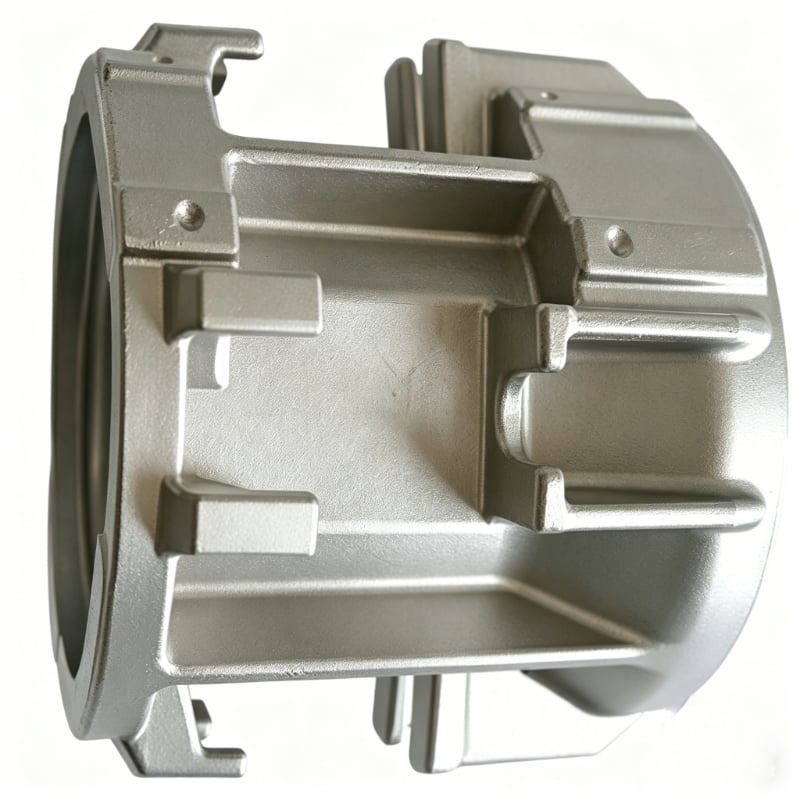
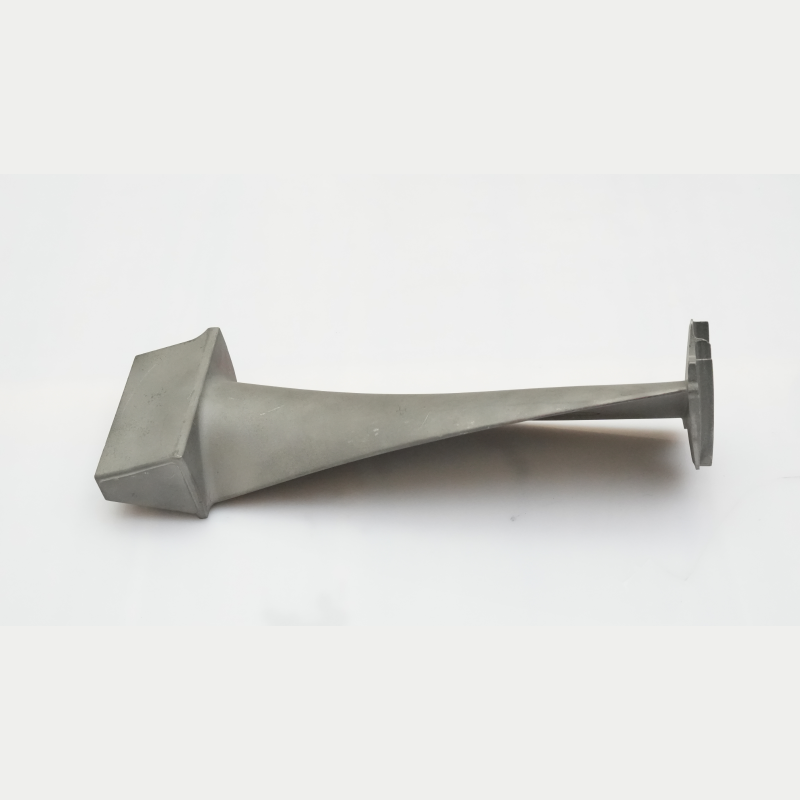
aerospace casting components
Aerospace casting components represent critical manufacturing solutions that form the backbone of modern aviation and space exploration technologies. These precision-engineered parts are created through advanced casting processes that transform molten metals into complex shapes required for aircraft engines, structural frameworks, landing gear systems, and spacecraft assemblies. The primary function of aerospace casting components involves providing lightweight yet incredibly strong parts that can withstand extreme temperatures, intense vibrations, and tremendous mechanical stress encountered during flight operations. These components utilize specialized alloys including titanium, aluminum, magnesium, and superalloys that deliver exceptional strength-to-weight ratios essential for aerospace applications. The technological features of aerospace casting components include their ability to create intricate geometries that would be impossible or economically unfeasible through other manufacturing methods. Investment casting, sand casting, and die casting techniques allow manufacturers to produce parts with tight tolerances, smooth surface finishes, and minimal material waste. Advanced computer-aided design and simulation software enable engineers to optimize component designs before production, ensuring structural integrity and performance reliability. Aerospace casting components find applications across commercial aviation, military aircraft, satellites, rockets, and unmanned aerial vehicles. Engine housings, turbine blades, fuel system components, hydraulic fittings, and structural brackets all rely on casting technology. The space industry depends on these components for rocket engine parts, satellite frames, and exploration vehicle structures. Modern aerospace casting components incorporate non-destructive testing methods, quality assurance protocols, and traceability systems that meet stringent aviation safety standards established by regulatory bodies worldwide. The continuous evolution of casting technologies, including additive manufacturing integration and advanced alloy development, ensures that aerospace casting components remain at the forefront of aviation innovation, supporting both current aircraft fleets and next-generation aerospace vehicles designed for enhanced fuel efficiency, reduced emissions, and improved performance capabilities.

 EN
EN