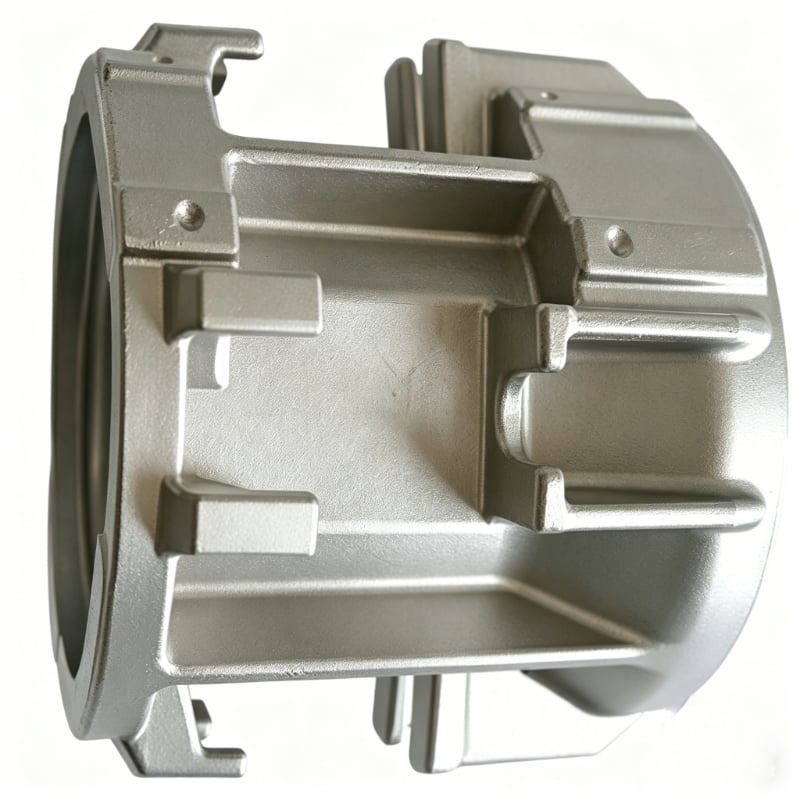
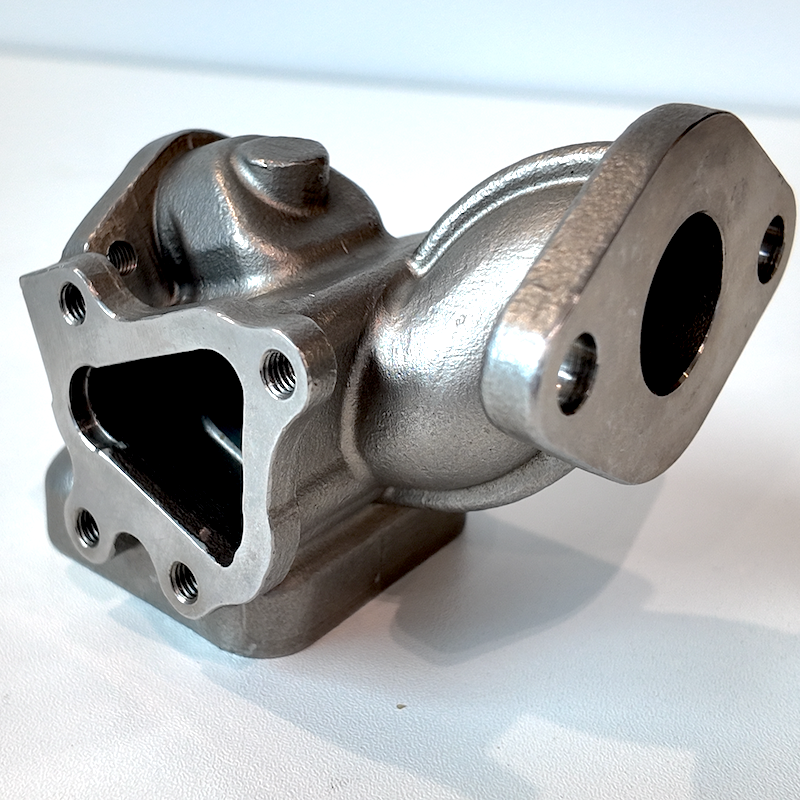
Design Flexibility and Complex Geometry Capabilities
Accurate metal casting parts offer unparalleled design freedom that empowers engineers to create components with complex geometries, intricate features, and optimized structures that would be prohibitively expensive or simply impossible to produce using conventional machining, forging, or fabrication techniques. This design flexibility begins with the fundamental casting principle of forming parts by filling a cavity with molten metal, which allows for the creation of internal passages, undercuts, varying wall thicknesses, and organic shapes that flow naturally from functional requirements rather than being constrained by tool access limitations or linear machining paths. Engineers can incorporate multiple features into a single accurate metal casting part that might otherwise require assembling several machined components, reducing part count, eliminating potential leak paths or failure points at joints, and simplifying inventory management and assembly operations. The ability to vary wall thickness strategically throughout a component enables weight optimization, placing material where strength and rigidity are needed while minimizing mass in less critical areas, resulting in parts that achieve optimal strength-to-weight ratios for applications in aerospace, automotive, and portable equipment where every ounce matters. Complex cooling channels, fluid passages, and internal galleries can be cast directly into accurate metal casting parts, creating functionality that would require extensive drilling, electrical discharge machining, or additive manufacturing with other production methods, often at significantly higher costs. The freedom to design with curves, organic shapes, and flowing transitions rather than being limited to straight lines and right angles allows engineers to optimize stress distribution, improve fluid dynamics, and create aesthetically pleasing forms that enhance both function and appearance. Accurate metal casting parts can incorporate boss features, mounting points, reinforcing ribs, and other structural elements as integral parts of the component rather than as secondary attachments, improving structural integrity while reducing manufacturing complexity. This design flexibility extends to rapid prototyping and design iteration, as changes to part geometry can often be implemented by modifying patterns or tooling rather than reprogramming extensive machining operations, accelerating development cycles and reducing the cost of exploring design alternatives. The consolidation of multiple parts into single accurate metal casting parts not only reduces manufacturing costs but also improves reliability by eliminating fasteners, welded joints, and other connections that represent potential failure modes, while simultaneously simplifying quality control by reducing the number of components requiring inspection and testing.

 EN
EN