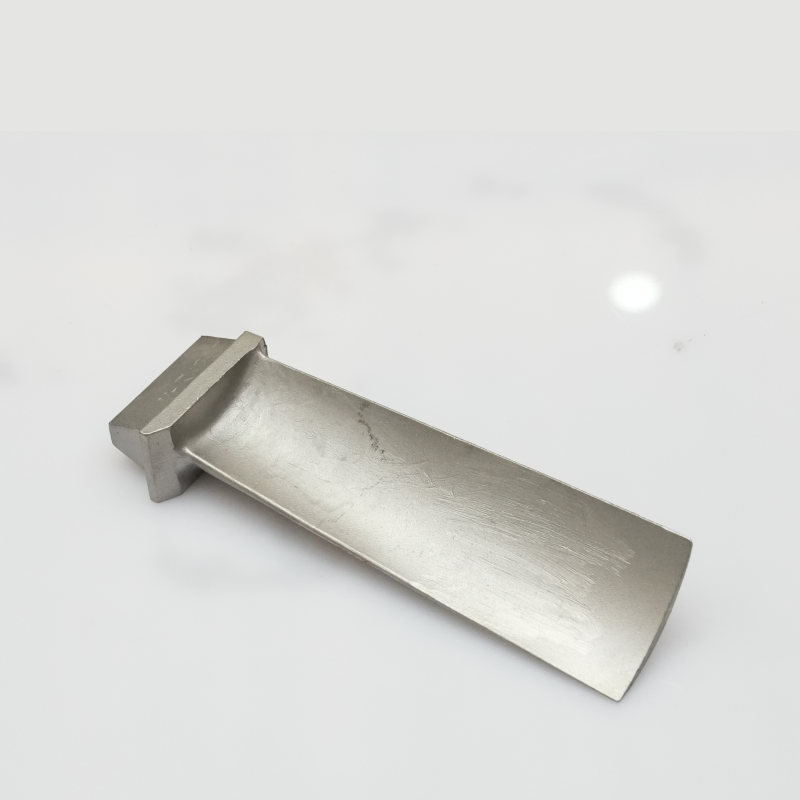
machined precision casting components
Machined precision casting components represent a sophisticated manufacturing solution that combines traditional casting methods with modern computer-controlled machining processes. These components are created through a two-stage production approach where metal parts are first formed using precision casting techniques, then undergo additional machining operations to achieve exceptionally tight tolerances and superior surface finishes. The main function of machined precision casting components is to deliver complex geometries with dimensional accuracy that meets the most demanding engineering specifications across diverse industrial sectors. This hybrid manufacturing approach allows producers to leverage the design flexibility inherent in casting while incorporating the dimensional precision that machining delivers. The technological features of these components include the ability to produce intricate internal passages, undercuts, and complex three-dimensional shapes that would be difficult or impossible to achieve through machining alone. The casting process enables efficient material usage by forming near-net shapes that minimize waste, while subsequent machining operations refine critical surfaces, threads, mounting points, and sealing faces to exact specifications. Applications for machined precision casting components span numerous industries including aerospace, automotive, medical devices, industrial equipment, energy production, and defense systems. In aerospace applications, these components serve as housing assemblies, valve bodies, and structural connectors where weight reduction and dimensional stability are paramount. Automotive manufacturers utilize machined precision casting components for transmission housings, engine blocks, suspension components, and brake system parts that must withstand extreme operating conditions. Medical device manufacturers depend on these components for surgical instruments, implantable devices, and diagnostic equipment where biocompatibility and precise tolerances are critical. The versatility of machined precision casting components makes them ideal for both high-volume production runs and specialized low-quantity applications, offering scalable solutions that balance cost-effectiveness with performance requirements across multiple market segments.

 EN
EN