Precision Engineered Metal Components - High-Performance Manufacturing Solutions for Critical Applications

Get a Free Quote

Our representative will contact you soon.
Email
Name
Mobile
Company Name
Message
0/1000

precision engineered metal components

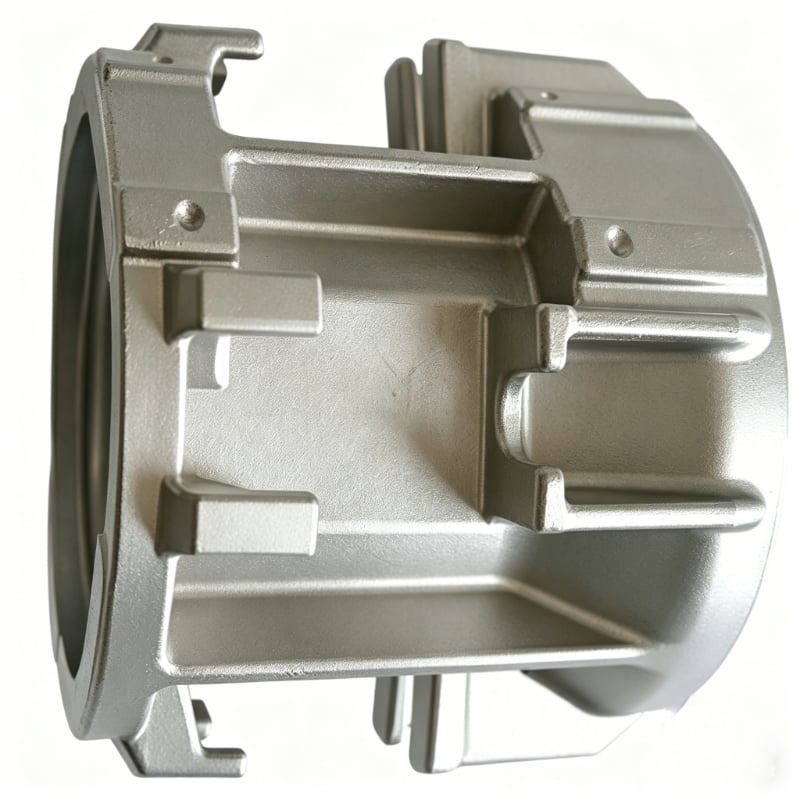
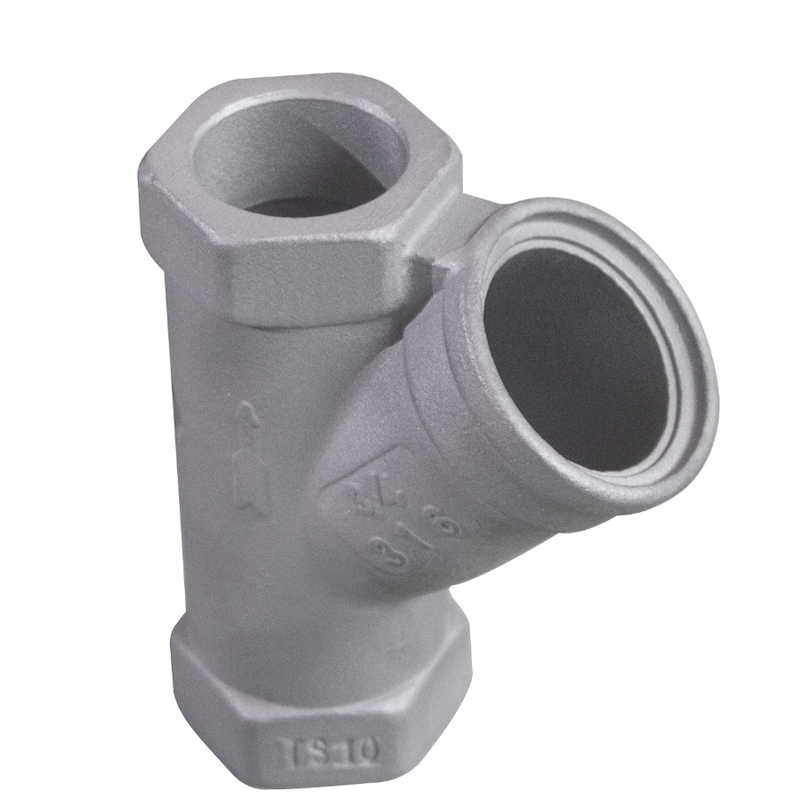
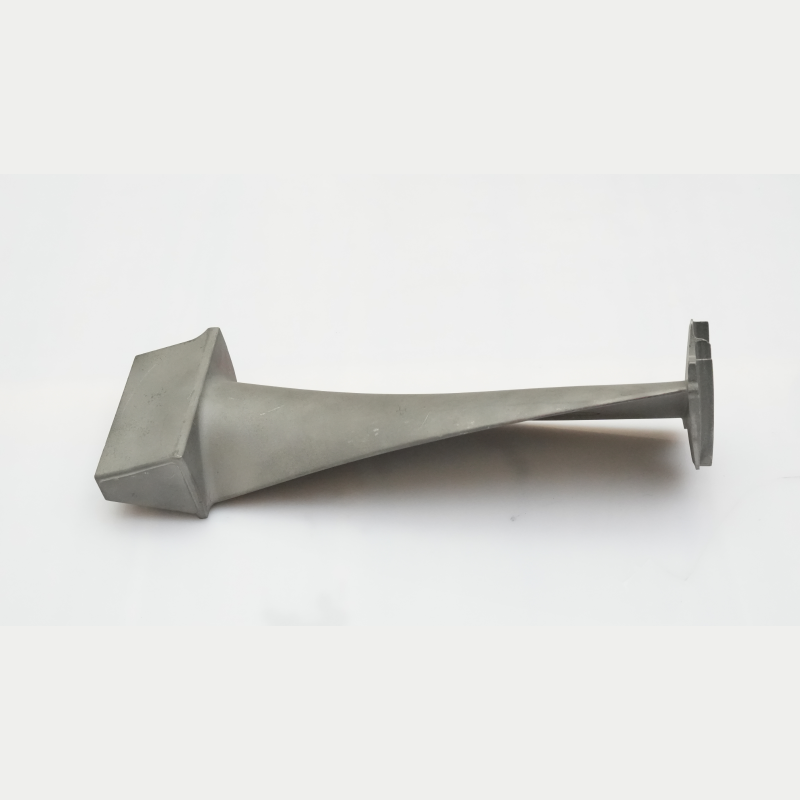
Precision engineered metal components represent the pinnacle of modern manufacturing excellence, delivering exceptional quality and performance across diverse industrial applications. These meticulously crafted parts are manufactured using advanced machining processes, including CNC milling, turning, grinding, and electrical discharge machining, to achieve tolerances measured in microns. The primary function of precision engineered metal components is to provide reliable, high-performance solutions that meet exacting specifications in critical applications where failure is not an option. These components serve as essential building blocks in complex mechanical systems, ensuring smooth operation, extended service life, and optimal functionality. The technological features of precision engineered metal components include superior dimensional accuracy, excellent surface finishes, and consistent material properties that guarantee predictable performance under demanding conditions. Advanced quality control measures, including coordinate measuring machines and optical inspection systems, verify that every component meets stringent standards before delivery. The manufacturing process incorporates state-of-the-art CAD/CAM software, enabling engineers to translate complex designs into physical reality with remarkable precision. These components find applications across numerous industries, including aerospace, medical devices, automotive, electronics, energy, and defense sectors. In aerospace applications, precision engineered metal components form critical parts of engines, landing gear, and control systems where safety and reliability are paramount. Medical device manufacturers rely on these components for surgical instruments, implants, and diagnostic equipment that demand biocompatibility and precision. The automotive industry utilizes precision engineered metal components in transmission systems, fuel injection assemblies, and engine components to enhance performance and efficiency. Electronics manufacturers depend on these parts for connectors, housings, and thermal management solutions. Energy sector applications include turbine components, valve assemblies, and specialized fittings that withstand extreme pressures and temperatures. The versatility of precision engineered metal components stems from the ability to work with various materials, including stainless steel, aluminum, titanium, brass, and specialized alloys, each selected for specific performance characteristics and environmental requirements.

New Products

Precision engineered metal components offer numerous practical benefits that directly impact your bottom line and operational success. The first major advantage is exceptional dimensional accuracy, which eliminates the costly problems associated with poorly fitting parts. When components fit together perfectly the first time, you save money on assembly labor, reduce waste from rejected parts, and avoid expensive production delays. This precision translates into smoother assembly processes, faster production cycles, and fewer headaches for your engineering and manufacturing teams. Another significant benefit is the enhanced durability and longevity of precision engineered metal components. These parts resist wear, corrosion, and mechanical stress far better than standard components, which means you replace them less frequently. Fewer replacements mean lower maintenance costs, reduced downtime, and more consistent production output. Your equipment runs longer between service intervals, keeping your operations running smoothly and profitably. The superior surface finish of precision engineered metal components provides multiple practical advantages. Smooth surfaces reduce friction, which decreases energy consumption and heat generation in moving parts. This efficiency gain lowers your operating costs while extending component life. Better surface quality also improves sealing effectiveness in fluid systems, preventing leaks that waste materials and create safety hazards. Consistency represents another crucial advantage of precision engineered metal components. Every part matches the specifications exactly, eliminating the variation that causes assembly problems and performance inconsistencies. This reliability allows you to plan production schedules confidently, maintain quality standards, and satisfy your customers consistently. You spend less time sorting through parts, making adjustments, or dealing with quality complaints. The versatility of precision engineered metal components gives you flexibility in design and application. Manufacturers can create complex geometries, intricate features, and specialized configurations that standard parts cannot achieve. This capability enables innovative product designs, improved functionality, and competitive advantages in your market. You can optimize performance without compromising on manufacturability. Working with precision engineered metal components also simplifies your supply chain management. Reliable quality and consistent delivery from experienced manufacturers reduce the need for extensive incoming inspection, multiple suppliers, or safety stock. You can operate with leaner inventories, faster turnaround times, and greater confidence in your supply continuity. The professional expertise behind precision engineered metal components provides valuable support for your projects. Experienced engineers can recommend materials, suggest design improvements, and solve manufacturing challenges before they become expensive problems. This collaborative approach accelerates development, reduces risks, and improves final product quality.

Practical Tips

How Does a Precision Investment Casting Manufacturer Ensure Consistent Quality Across Global Supply Chains?

05

Jun

How Does a Precision Investment Casting Manufacturer Ensure Consistent Quality Across Global Supply Chains?

In today's interconnected industrial landscape, sourcing complex metal components across international borders presents a formidable quality challenge. the manufacturer must navigate an intricate web of raw material sourcing, multi-stage production c...
View More
Why Do Manufacturers Prefer a Silica Sol Investment Casting Supplier for Complex Metal Parts?

05

Jun

Why Do Manufacturers Prefer a Silica Sol Investment Casting Supplier for Complex Metal Parts?

When precision, surface quality, and dimensional accuracy are non-negotiable, manufacturers consistently turn to a trusted silica sol investment casting supplier. This decision is rarely arbitrary. It is driven by a deep understanding of what silica ...
View More
How Should Buyers Choose a Reliable Medium Temperature Wax Casting Service Provider?

26

Jun

How Should Buyers Choose a Reliable Medium Temperature Wax Casting Service Provider?

Selecting the right manufacturing partner for medium temperature wax casting is one of the most consequential decisions a procurement professional or product engineer can make. The process, which involves injecting wax into precision dies at carefull...
View More
How Can OEM ODM Precision Casting Services Accelerate New Product Development Cycles?

26

Jun

How Can OEM ODM Precision Casting Services Accelerate New Product Development Cycles?

Bringing a new industrial product from concept to market is rarely a straightforward journey. Engineering teams face relentless pressure to compress timelines, reduce prototype iterations, and deliver production-ready components without sacrificing d...
View More

Get a Free Quote

Our representative will contact you soon.
Email
Name
Mobile
Company Name
Message
0/1000

precision engineered metal components

Unmatched Dimensional Accuracy for Perfect Assembly Every Time

Unmatched Dimensional Accuracy for Perfect Assembly Every Time

The dimensional accuracy achieved in precision engineered metal components sets them apart from conventional manufacturing methods and delivers tangible value throughout your production process. Modern CNC machining centers equipped with advanced control systems can maintain tolerances as tight as plus or minus 0.0001 inches, ensuring that every component matches your specifications with remarkable consistency. This level of precision matters enormously in applications where multiple parts must fit together seamlessly to function properly. Consider the challenges faced in traditional manufacturing where dimensional variations cause assembly difficulties, requiring manual fitting, grinding, or shimming to make parts work together. These time-consuming adjustments add labor costs, introduce variability, and slow production throughput. Precision engineered metal components eliminate these problems by arriving ready to install, with perfect fits that require no modification. The accuracy extends beyond simple dimensions to include geometric tolerances such as perpendicularity, parallelism, concentricity, and positional accuracy. These geometric relationships ensure that mating surfaces align correctly, rotating parts spin true without wobble, and fastener holes match perfectly across multiple components. When geometric tolerances are properly controlled, assemblies function as designed without binding, vibration, or premature wear. The investment in precision manufacturing pays dividends throughout the product lifecycle. During assembly, workers complete tasks faster with less frustration and fewer errors. Quality control becomes simpler because parts consistently meet specifications, reducing inspection time and rejection rates. In service, precisely manufactured components deliver the performance characteristics that engineers calculated, without the degradation caused by poor fits or misalignment. The accuracy of precision engineered metal components also enables advanced assembly techniques such as automated robotic assembly, press fits with calculated interference, and precision adjustments using measured clearances. These methods require parts that match specifications reliably, something only precision manufacturing can provide consistently. Furthermore, the dimensional stability of precision engineered metal components ensures that accuracy persists over time. Proper material selection, stress-relieving treatments, and manufacturing processes that minimize residual stress prevent warping or dimensional changes after manufacturing. Your components maintain their precision through storage, shipping, and installation, delivering reliable performance when and where you need it.
Extended Component Life Through Superior Material Selection and Processing

Extended Component Life Through Superior Material Selection and Processing

The longevity of precision engineered metal components provides substantial economic and operational advantages that extend far beyond the initial purchase. This durability stems from careful material selection matched to application requirements, combined with manufacturing processes that enhance material properties rather than degrading them. When components last longer, you reduce replacement frequency, minimize downtime for maintenance, and lower total cost of ownership significantly. Material selection for precision engineered metal components considers multiple factors including mechanical strength, corrosion resistance, thermal stability, and compatibility with operating environments. Stainless steel grades offer excellent corrosion resistance for food processing, medical, and marine applications. Aluminum alloys provide high strength-to-weight ratios essential in aerospace and transportation. Titanium delivers exceptional strength and biocompatibility for medical implants and high-performance applications. Specialized alloys such as Inconel or Hastelloy withstand extreme temperatures and corrosive environments in chemical processing and energy generation. The manufacturing processes used to create precision engineered metal components preserve and enhance material properties through careful control of cutting parameters, tool selection, and thermal management. Unlike aggressive machining that work-hardens surfaces unpredictably or introduces microcracks, precision manufacturing employs optimized cutting speeds, feeds, and depths that produce surfaces with favorable residual stress patterns and microstructures. Heat treatments applied during or after machining further enhance component durability. Stress-relieving processes remove residual stresses that could cause warping or cracking. Hardening treatments increase surface hardness to resist wear and abrasion. Tempering balances hardness with toughness to prevent brittle failure. These controlled thermal processes transform material properties to match application demands precisely. Surface treatments available for precision engineered metal components provide additional protection and performance enhancement. Hard coatings such as titanium nitride increase surface hardness and reduce friction. Anodizing creates protective oxide layers on aluminum components. Electroless nickel plating provides uniform corrosion protection even in complex geometries. Passivation removes free iron from stainless steel surfaces to maximize corrosion resistance. The extended service life of precision engineered metal components reduces environmental impact by decreasing the frequency of replacement and the associated consumption of materials, energy, and resources. Longer-lasting components also reduce waste disposal requirements and the environmental burden of manufacturing replacements. This sustainability aspect increasingly matters to companies pursuing environmental responsibility goals and responding to customer preferences for durable, long-lasting products.
Comprehensive Quality Assurance for Absolute Reliability and Confidence

Comprehensive Quality Assurance for Absolute Reliability and Confidence

The rigorous quality assurance protocols applied to precision engineered metal components provide customers with absolute confidence in component performance and reliability. This comprehensive approach to quality verification distinguishes precision manufacturing from conventional production methods and delivers value through reduced risk, consistent performance, and documented compliance with specifications. Quality assurance begins at the design stage where experienced engineers review drawings and specifications to identify potential manufacturing challenges, tolerance stack-up issues, or design features that could compromise performance. This proactive design review prevents costly problems before manufacturing begins, saving time and money while improving final product quality. During manufacturing, precision engineered metal components undergo continuous monitoring and verification at critical process steps. Modern manufacturing facilities employ statistical process control techniques that track dimensional characteristics and process parameters in real time, detecting trends before they result in out-of-specification parts. This proactive monitoring maintains consistent quality and prevents the production of defective components that waste materials and time. Advanced measurement technologies provide accurate, objective verification of component dimensions and geometric features. Coordinate measuring machines equipped with touch probes or optical scanners capture hundreds or thousands of measurement points, creating detailed three-dimensional maps of component geometry. These measurements verify that every critical dimension, angle, and surface contour matches design specifications within specified tolerances. Optical comparators magnify component profiles for visual inspection and measurement verification. Specialized gauges provide quick pass-fail verification of critical dimensions during production. Surface roughness testers quantify surface finish characteristics to ensure they meet functional and aesthetic requirements. Hardness testers verify that heat treatments achieved the specified material properties. Material certifications and traceability systems document the source, composition, and properties of materials used in precision engineered metal components. This documentation proves material compliance with specifications and provides the traceability required in regulated industries such as aerospace and medical devices. Test reports and inspection certificates accompany shipments of precision engineered metal components, providing objective evidence that parts meet all specified requirements. These documents include measurement data, material certifications, and inspector signatures, giving customers confidence and documentation for their quality systems. The quality assurance systems employed by precision component manufacturers typically hold certifications to recognized standards such as ISO 9001, AS9100 for aerospace, or ISO 13485 for medical devices. These certifications demonstrate that manufacturers maintain documented quality management systems with trained personnel, calibrated equipment, and controlled processes that consistently produce conforming products. For customers, this comprehensive quality assurance translates into reliable components that perform as expected, reduce warranty claims, enhance product reputation, and satisfy regulatory requirements in critical applications where quality and reliability are non-negotiable.

Get a Free Quote

Our representative will contact you soon.
Email
Name
Mobile
Company Name
Message
0/1000